Bristol S.2A
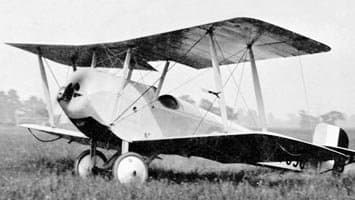
The Bristol Type 8 S.2A was a modification of the Bristol Scout D aircraft, designed to meet the requirements of the British Admiralty’s specification for a two-seat fighter. However, even before the work was completed, the Admiralty had already selected the winner of the competition, the Sopwith 1/2 Strutter.
Origins and Adaptations
Despite the Sopwith’s selection, construction of two Bristol S.2A prototypes continued, as the War Office saw potential in the aircraft as a training plane for the Royal Flying Corps (RFC). The two experimental aircraft were completed in May and June 1916, respectively.
These aircraft were initially equipped with a 110 hp Clerget engine, which was later replaced by a 100 hp Gnome Monosoupape engine.
Testing and Limited Production
In mid-summer, both Bristol S.2A examples were transferred to the Central Flying School at Upavon. Despite positive pilot feedback, the aircraft remained limited to these two prototypes, never entering serial production.
Technical Specifications
| Modification | Bristol S.2A |
| Wingspan, m | 8. 58 |
| Length, m | 6.48 |
| Height, m | 3. 05 |
| Normal takeoff weight | 635 |
| Engine type | 1 Piston engine Clerget |
| Power, hp | 1 х 110 |
| Maximum speed, km/h | 153 |
| Cruising speed, km/h | 1 24 |
| Crew, crew members | 2 |
| Armament: | one 7.7-mm Lewis machine gun |
Image and diagram gallery of the Bristol S.2A
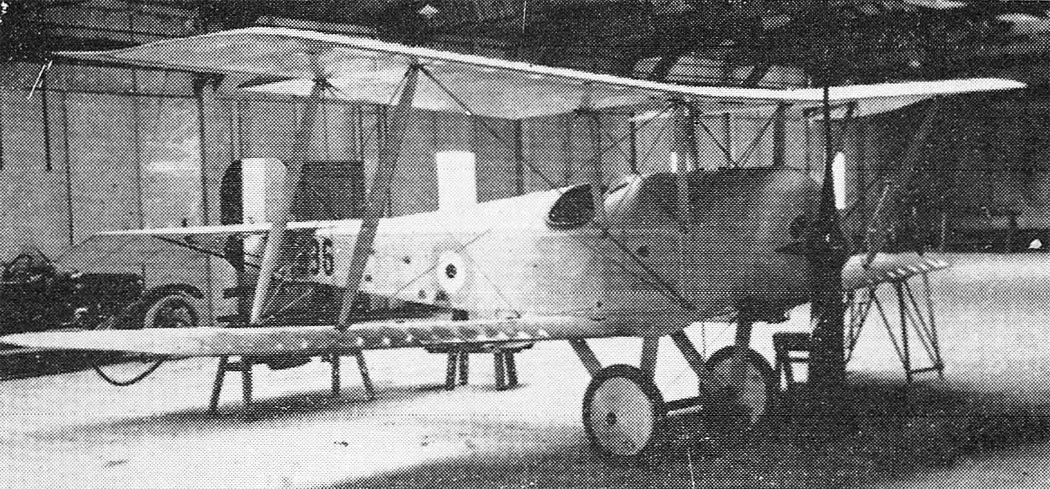 Bristol S.2A |
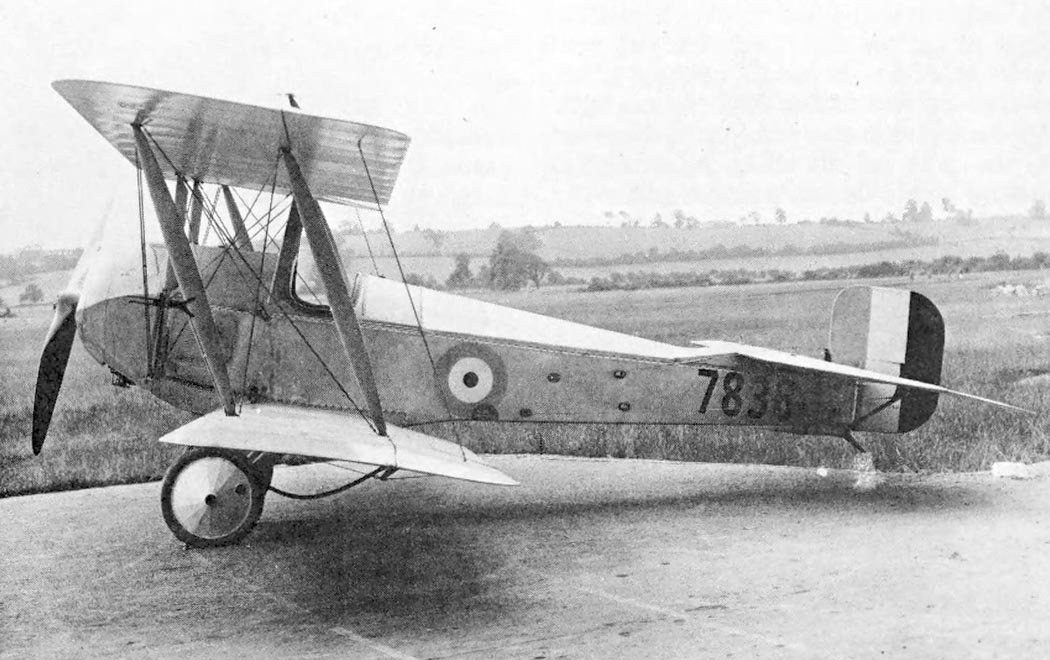 Bristol S.2A |
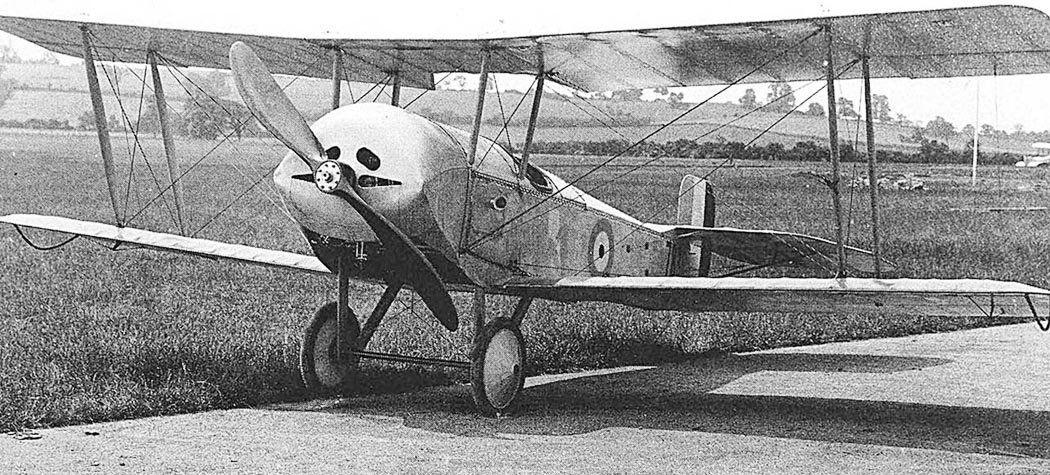 Bristol S.2A |
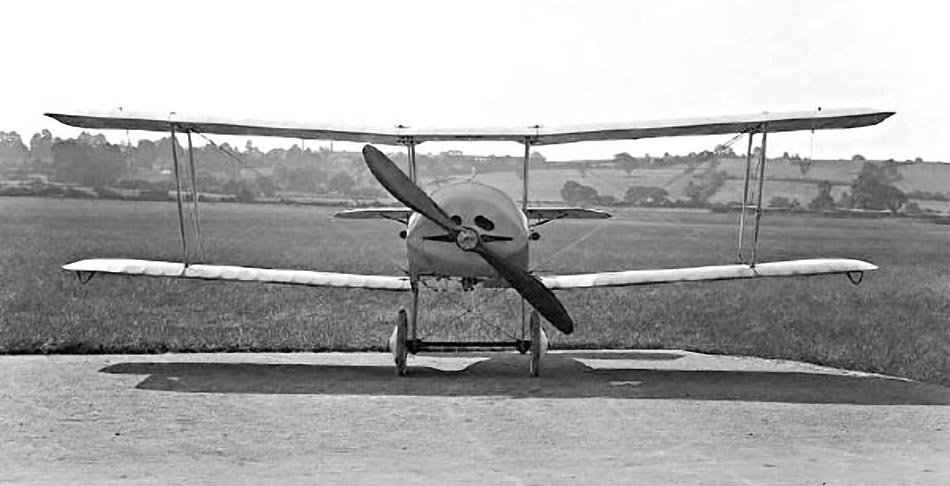 Bristol S.2A |
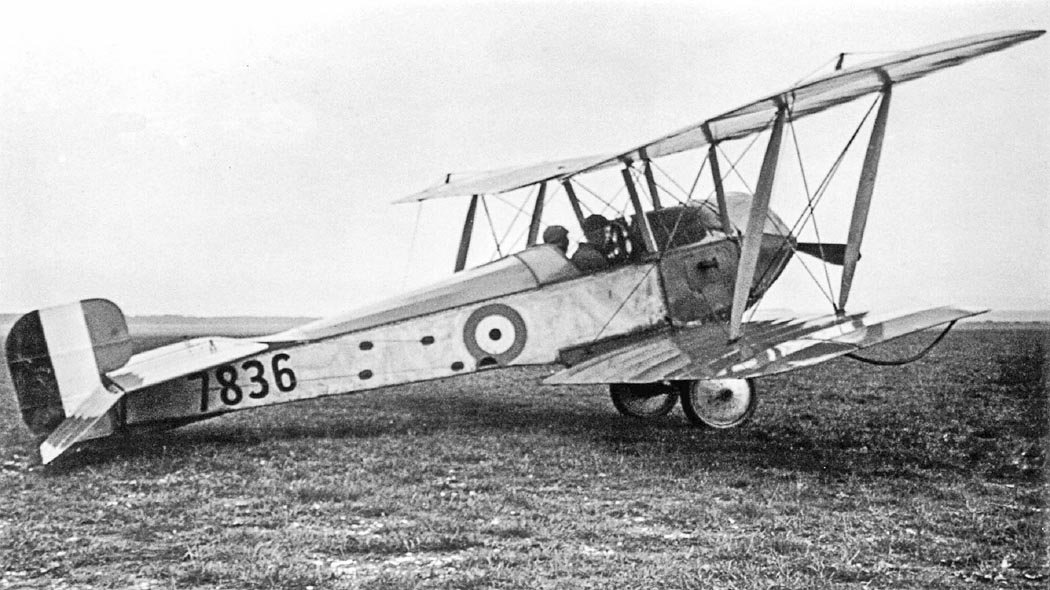 Bristol S.2A |
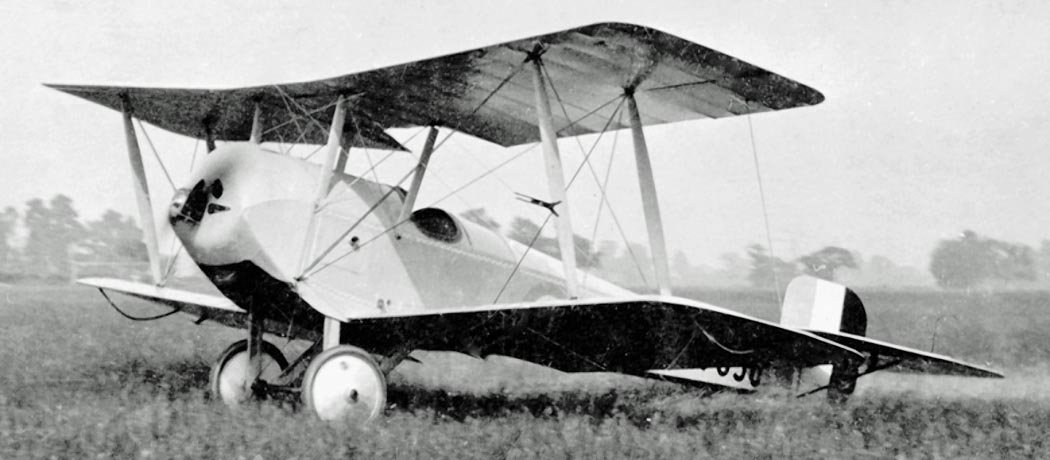 Bristol S.2A |
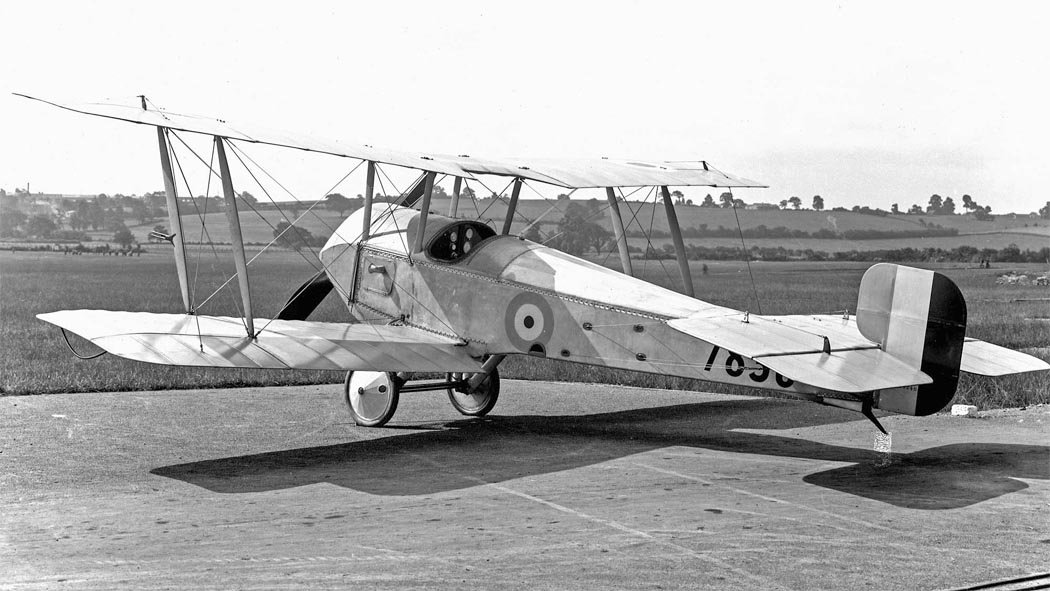 Bristol S.2A |
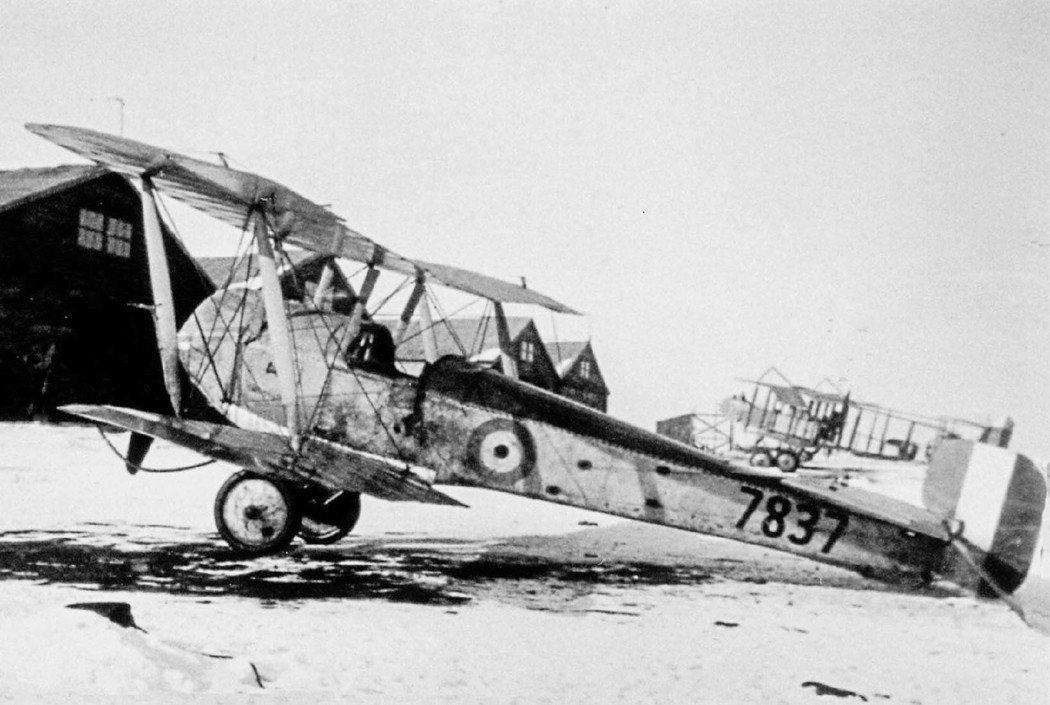 Bristol S.2A |
ArchivoAéreo Editorial Team
A group of aviation researchers and enthusiasts dedicated to documenting and preserving global aeronautical history. All articles are reviewed to ensure historical accuracy.
Sources & Accuracy
The information presented in this technical sheet has been compiled from declassified flight manuals, historical archives, and specialized literature. While we strive for maximum accuracy, some performance data may vary depending on the specific variant or operational conditions.