Bristol T-type Biplane
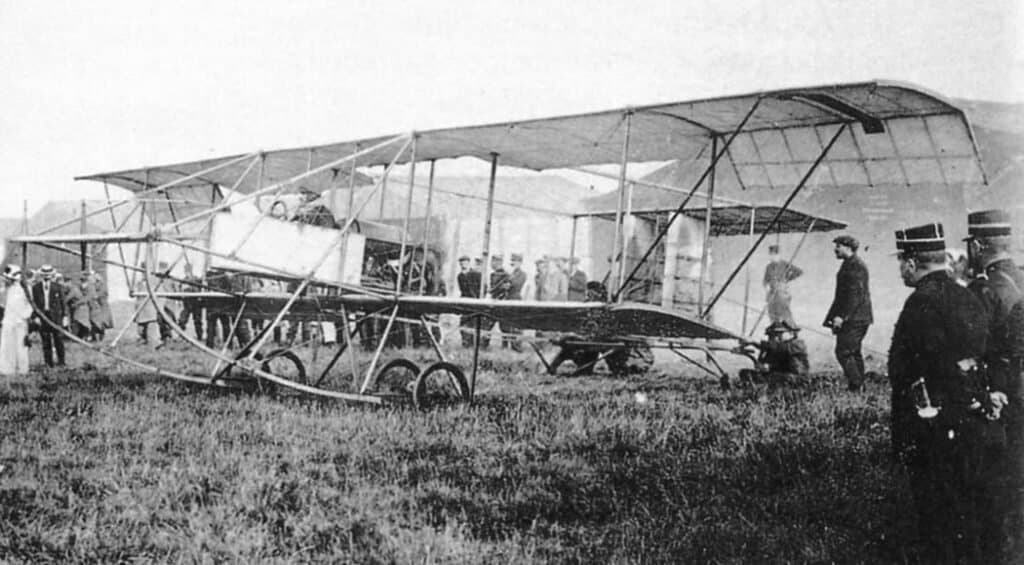
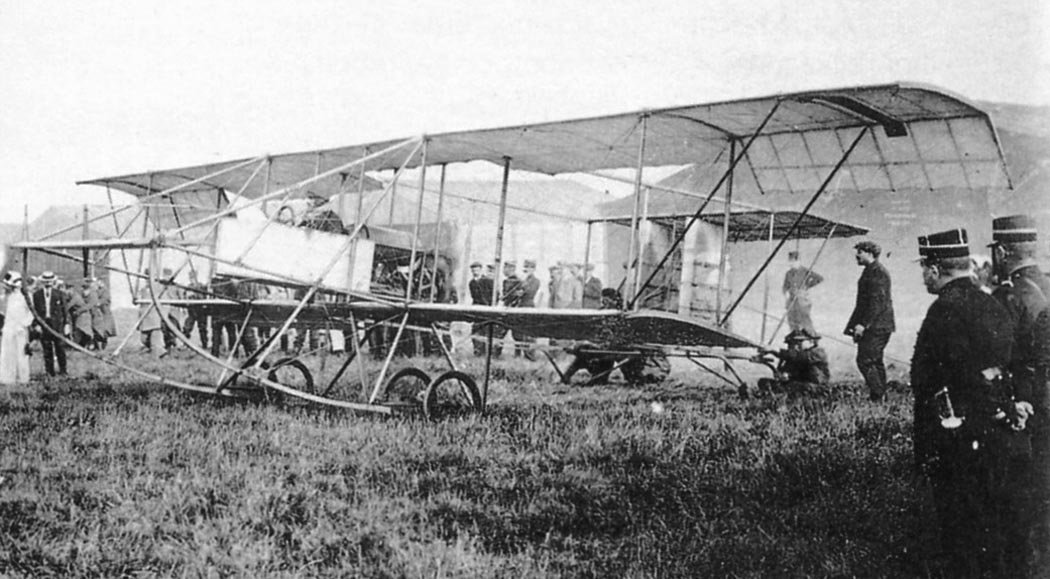
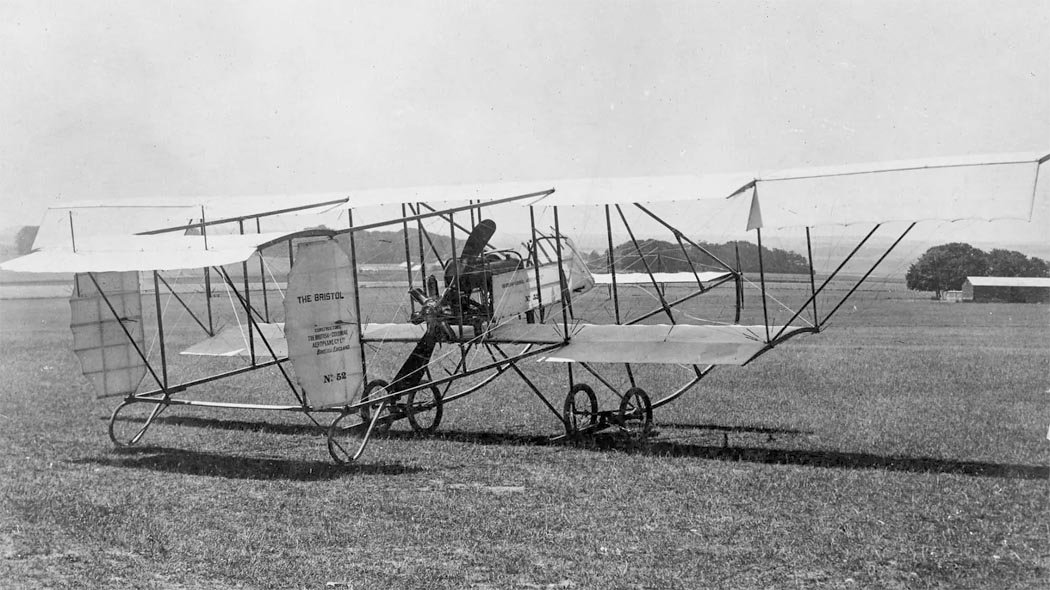
Originally built for the French pilot Maurice Tabuteau, the Bristol T-type (Tractor) Biplane was developed based on the Boxkite aircraft. The main difference was that the new aircraft featured an enclosed nacelle for the pilot, an extended skid structure in front of the main landing gear to prevent nosing over, and a more powerful 70 hp Gnome engine.
Innovative Design and Features
The design of the Bristol T-type represented a significant improvement over its predecessor. Innovations included pilot protection and enhanced ground stability, crucial elements for early 20th-century aviation. These features aimed to optimize both flight safety and performance.
Early Aviation Competitions
In addition to the aircraft built for Tabuteau’s participation in the 1911 “around Europe” flight, five more machines were produced. These biplanes participated in various aviation competitions with limited success. Despite their lack of victories, their involvement was a testament to the rapid advancements in aerial technology.
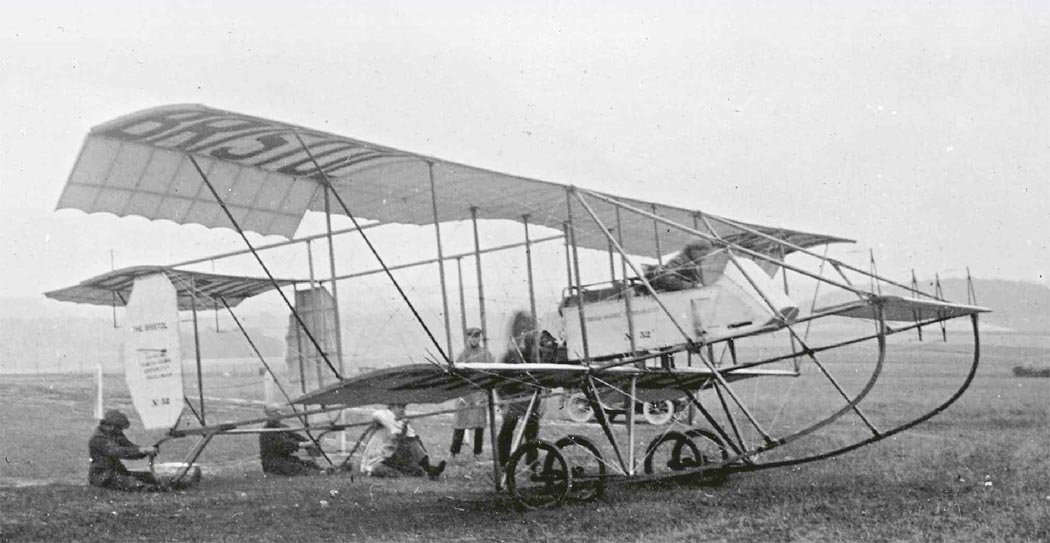
Among these was the Bristol Challenge-England, a version re-engineered in 1911 by Gordon England. This aircraft was adapted to accommodate a 60 hp E.N.V. inline engine, demonstrating continuous efforts to improve and customize existing designs.
Technical Specifications
| Modification | Bristol T-type Biplane |
| Wingspan, m | 10.67 |
| Length, m | 7.47 |
| Height, m | 3.60 |
| Wing area, m2 | 32.52 |
| Empty weight | 285 |
| Maximum takeoff weight | 396 |
| Engine type | 1 Piston engine Gnome |
| Power, hp | 1 x 70 |
| Maximum speed, km/h | 88 |
| Cruising speed, km/h | 64 |
| Crew, crew members | 1 |
Image and diagram gallery of the Bristol T-type Biplane
 Bristol T-type Biplane |
 Bristol T-type Biplane |
 Bristol T-type Biplane |
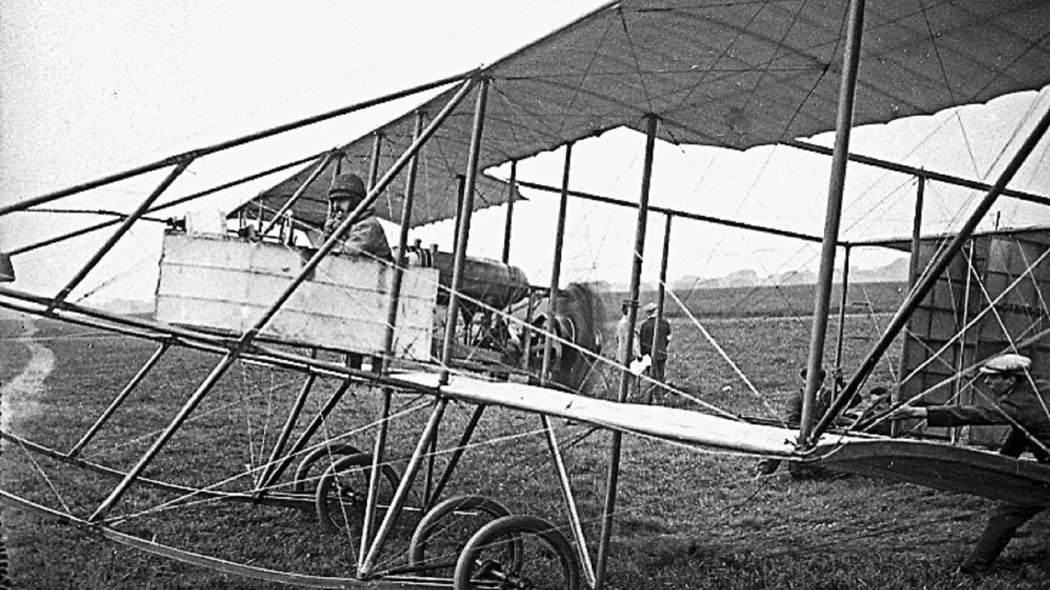 Bristol T-type Biplane |
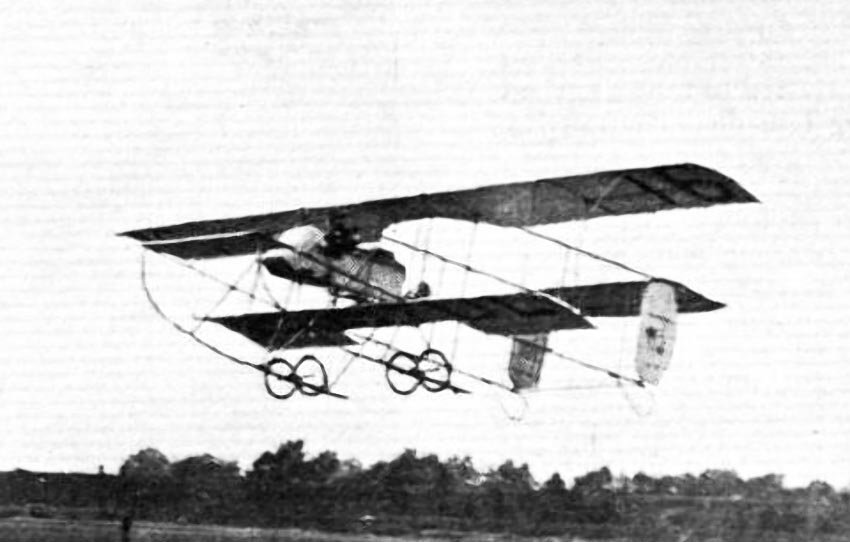 Bristol T-type Biplane |
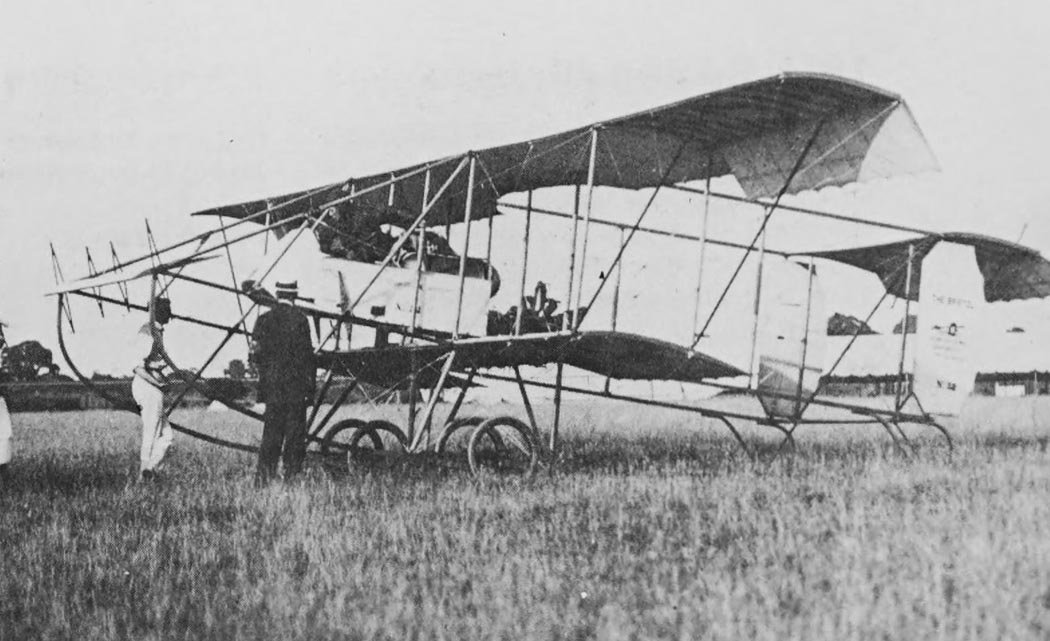 Bristol T-type Biplane |
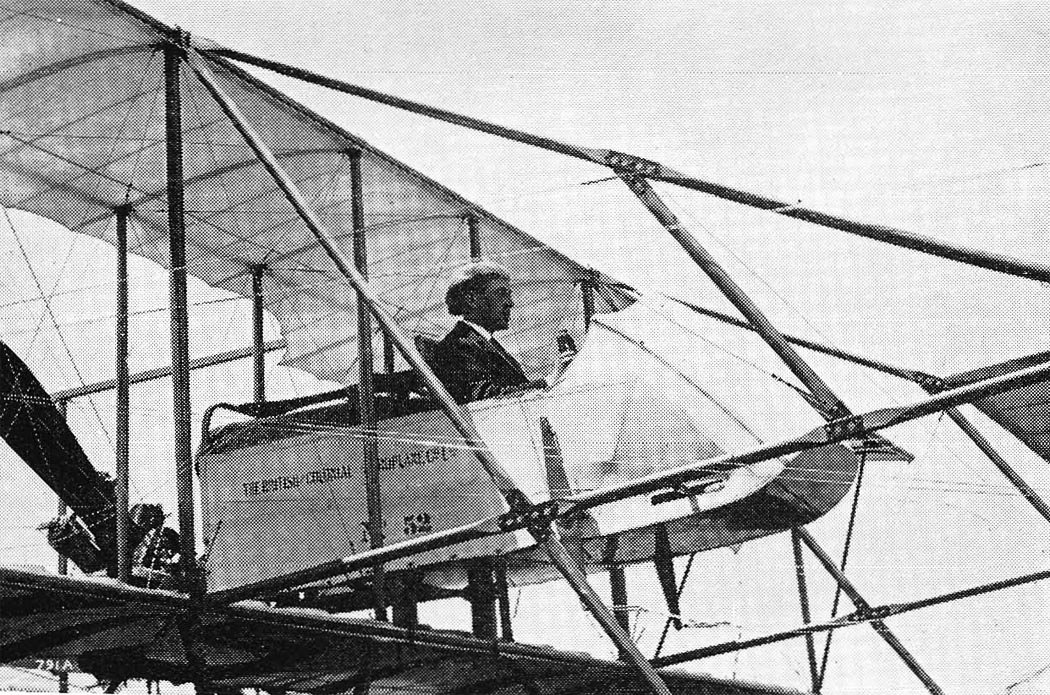 Bristol T-type Biplane |
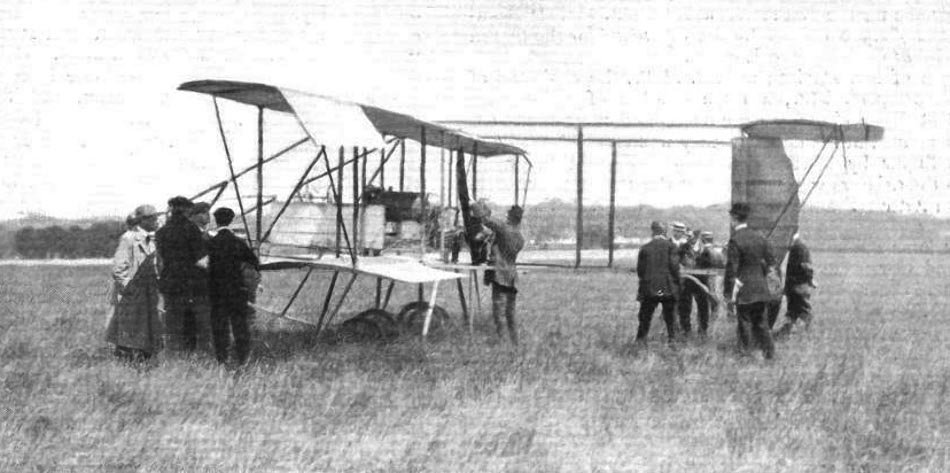 Bristol T-type Biplane |
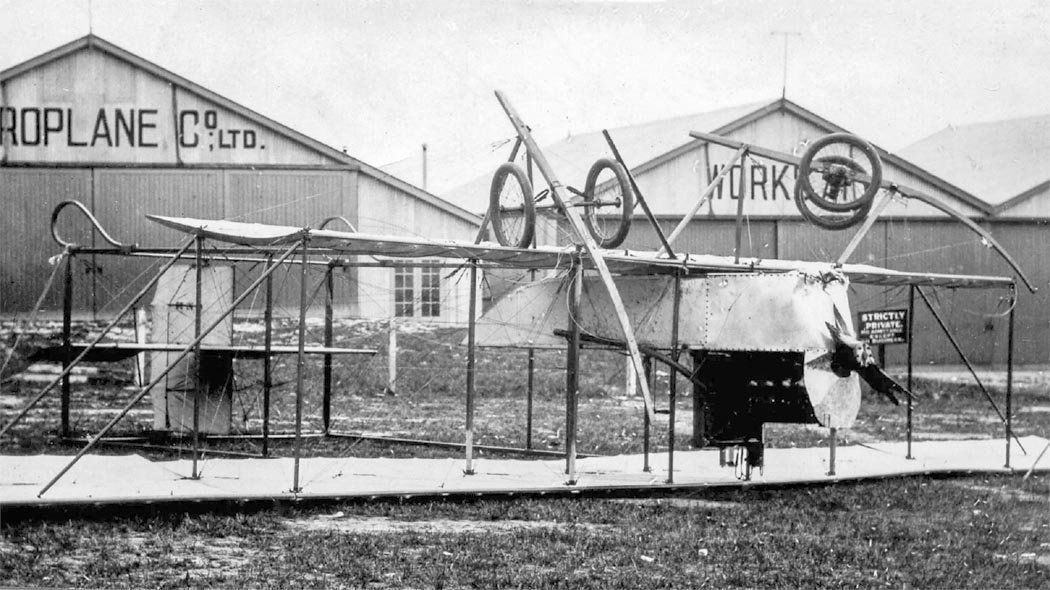 Bristol T-type Biplane |
ArchivoAéreo Editorial Team
A group of aviation researchers and enthusiasts dedicated to documenting and preserving global aeronautical history. All articles are reviewed to ensure historical accuracy.
Sources & Accuracy
The information presented in this technical sheet has been compiled from declassified flight manuals, historical archives, and specialized literature. While we strive for maximum accuracy, some performance data may vary depending on the specific variant or operational conditions.