Bristol Type 148
Specification and Competition
In 1935, the UK Air Ministry published specification A.39/34 for a single-engine, two-seat army multi-purpose auxiliary aircraft. This aircraft was intended for close reconnaissance, artillery fire correction, and, if necessary, to support ground attacks by dropping light bombs and engaging with machine gun fire.
The main requirements of the specification included a maximum speed of no less than 418 km/h and a landing speed not exceeding 80.5 km/h. Furthermore, the aircraft needed excellent maneuverability at low flight speeds, good cockpit visibility, and the ability to take off from small, unprepared airfields.
The competition for this specification attracted several participants, including the Avro Type 670, Boulton-Paul P.81, Bristol Type 148, Cierva Gyroplane, Hawker Henley, RT, and Westland P.8 (Lysander).
Design and Armament of the Bristol Type 148
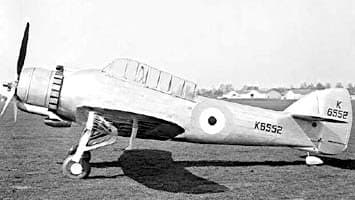
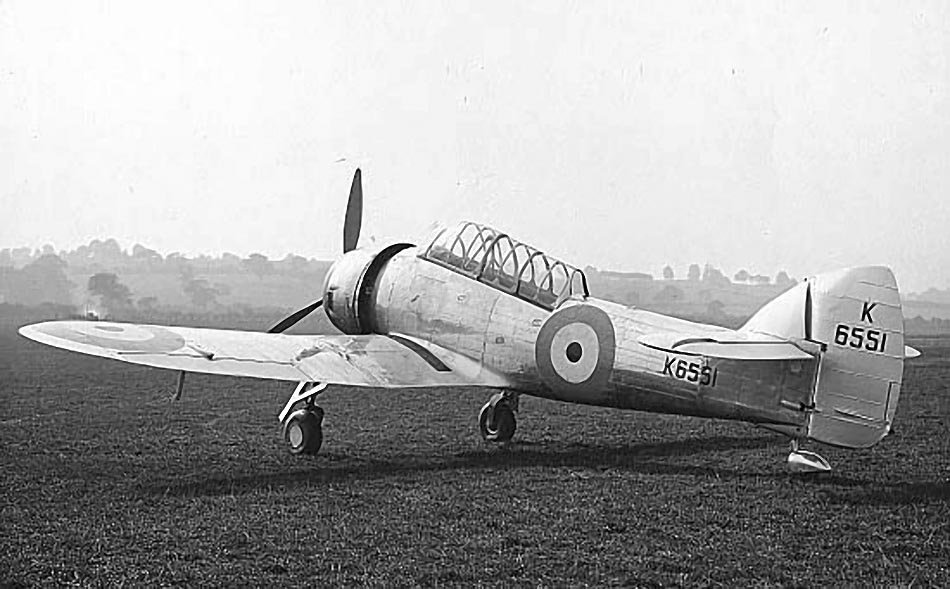
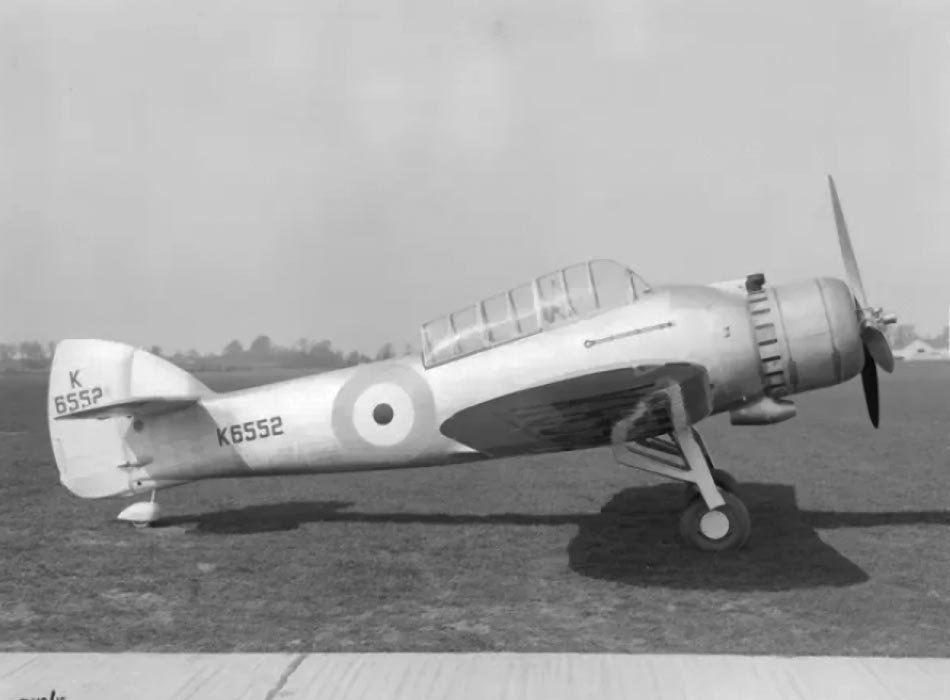
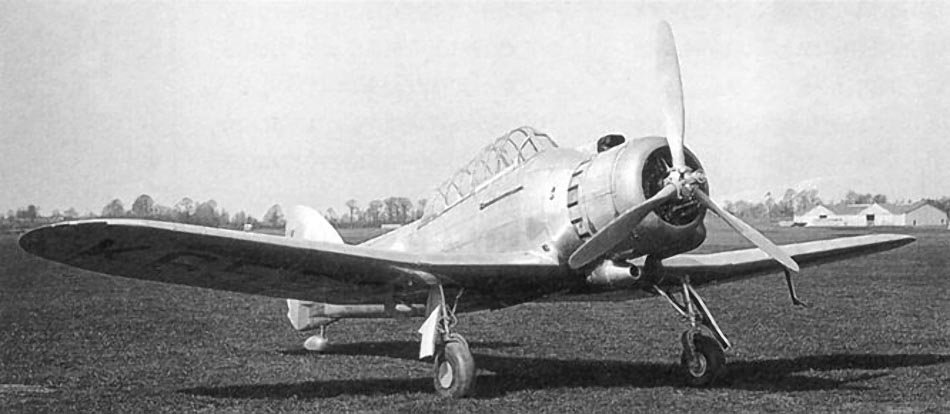
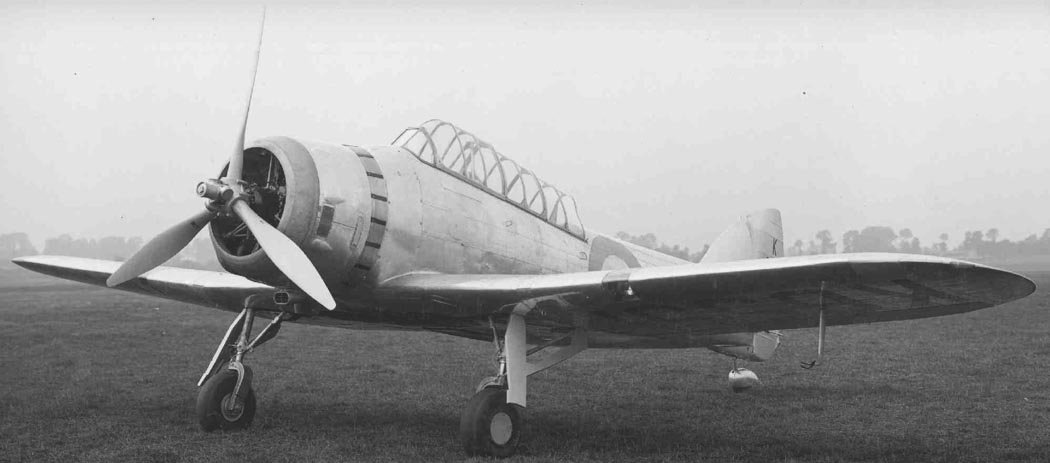
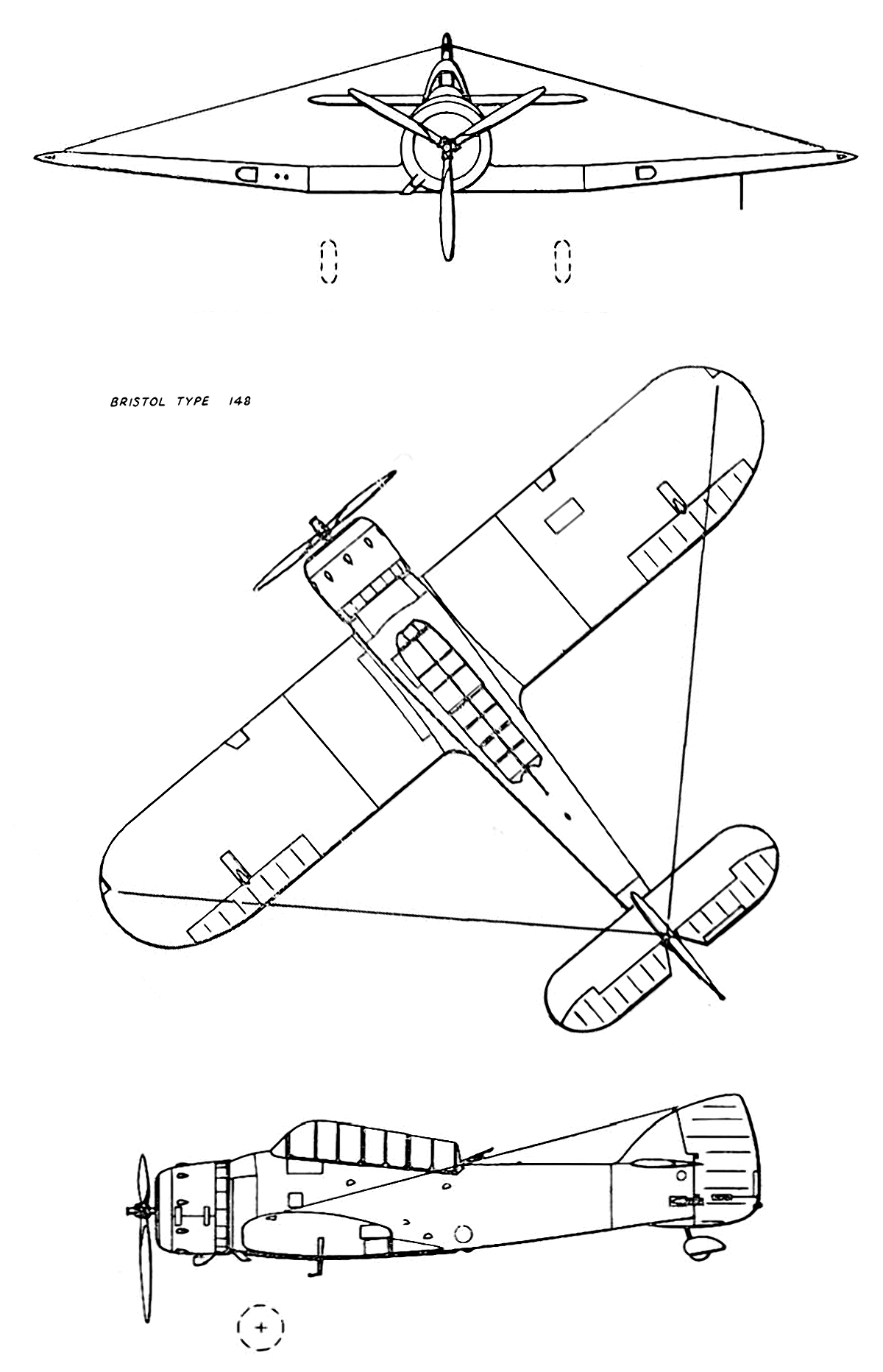
The Bristol Type 148 project was developed by Frank Barnwell, based on the Bristol Type 146 fighter. It was an all-metal low-wing monoplane, equipped with a nine-cylinder Bristol Mercury IX engine producing 880 hp.
The aircraft’s armament consisted of two fixed 7.7 mm machine guns installed in the left wing. It also featured one movable machine gun of the same caliber in the observer’s cockpit. Under each wing, bomb racks were located for light bombs, with a total weight of 227 kilograms.
Prototypes and Testing
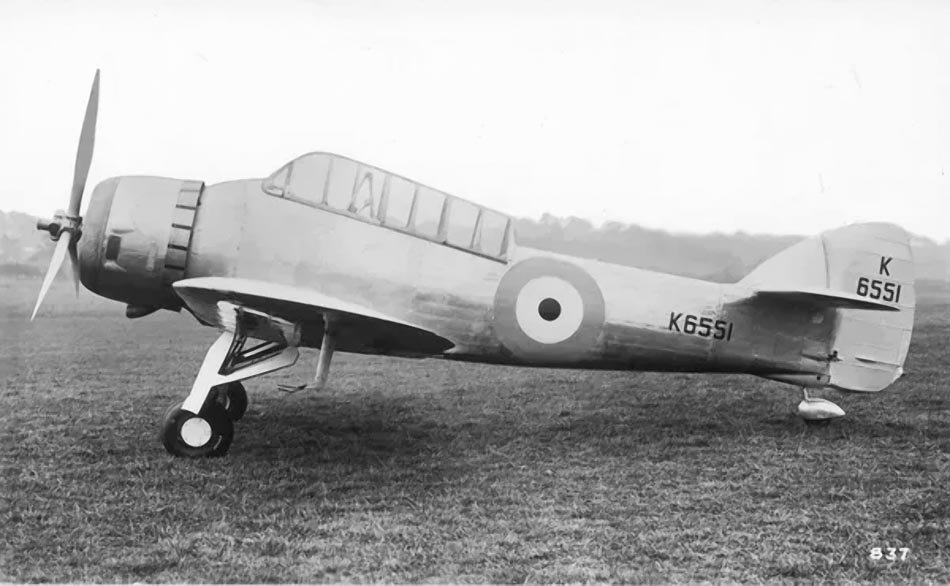
In June 1935, the Air Ministry ordered the construction of two prototypes, which received military registrations K6551 and K6552. The first of these, K6551, made its maiden flight piloted by Cyril F. Uwins on October 15, 1937, at Filton; the rear machine gun was not yet installed.
During testing, the aircraft suffered an accident, after which it was fitted with a Bristol Perseus engine (905 hp). The second example was equipped with an even more powerful Bristol Taurus II engine (1050 hp). In May 1938, this aircraft was redesignated as Bristol Type 148B and used in comparative tests with the first prototype.
Work on the aircraft concluded shortly thereafter. The first aircraft (K6551) was later used as a ground training facility for technical personnel, and its registration number was changed to 2374M.
Technical Specifications
| Modification | Bristol 148 |
| Wingspan, m | 12.10 |
| Length, m | 9.10 |
| Height, m | 3.20 |
| Maximum takeoff weight, kg | 2381 |
| Engine type | 1 Piston engine Bristol Mercury IX |
| Power, hp | 1 x 880 |
| Maximum speed, km/h | 410 |
| Cruising speed, km/h | 346 |
| Service ceiling, m | 9515 |
| Crew | 2 crew |
| Armament | Three 7.7 mm Browning machine guns, up to 227 kg of bombs. |
Image and diagram gallery of the Bristol Type 148
 Bristol 148 |
 Bristol 148 |
 Bristol 148 |
 Bristol 148 |
 Bristol 148 |
 Bristol 148 |
ArchivoAéreo Editorial Team
A group of aviation researchers and enthusiasts dedicated to documenting and preserving global aeronautical history. All articles are reviewed to ensure historical accuracy.
Sources & Accuracy
The information presented in this technical sheet has been compiled from declassified flight manuals, historical archives, and specialized literature. While we strive for maximum accuracy, some performance data may vary depending on the specific variant or operational conditions.