Bristol Type 90 Berkeley
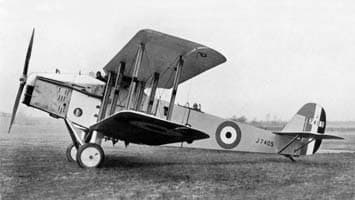
Design and Development
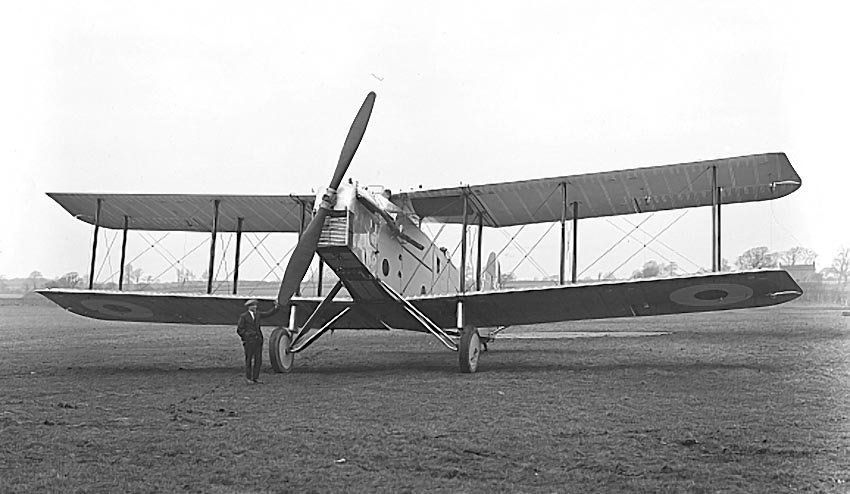
The Bristol Type 90 Berkeley light day bomber was designed to meet the requirements of specification 26/23 from the UK Air Ministry. Designers Wilfrid T. Reid and Clifford Wilfrid Tinson, who transferred to Bristol Aeroplane Co. Ltd from A.V. Roe, led the project. Work on the aircraft began in 1924, the same year a contract was signed for the construction of three prototype aircraft (J7403-J7405).
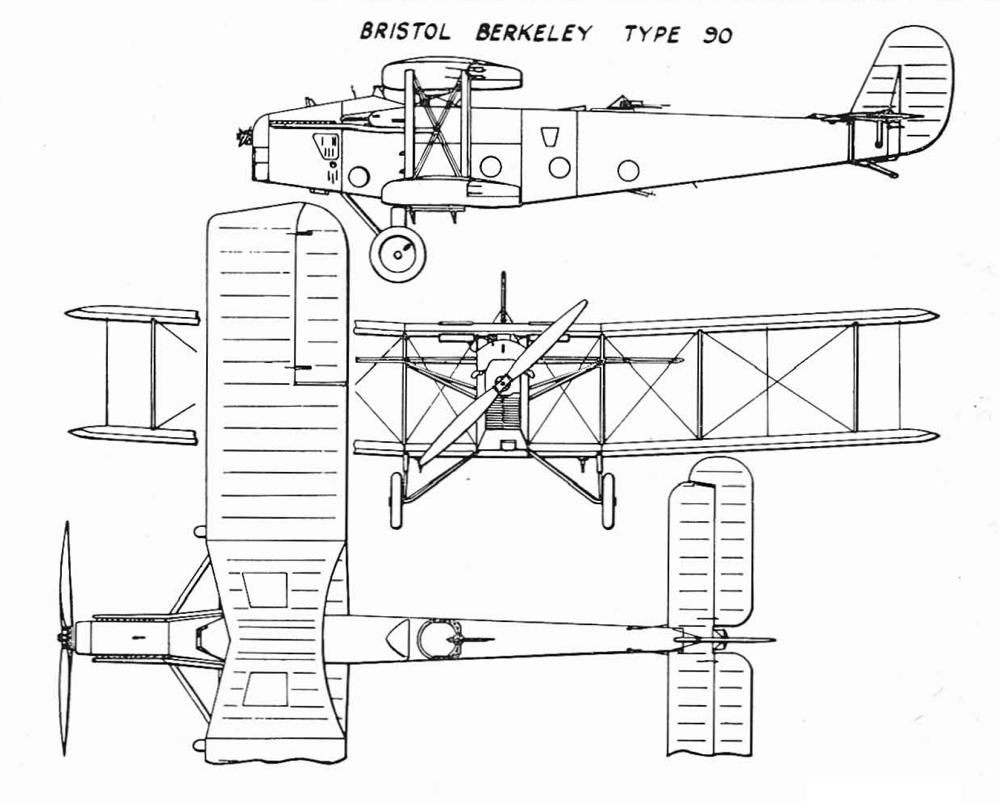
The first of the ordered aircraft (J7403) took to the air on March 5, 1925. It was a two-seat, two-bay, all-wooden biplane equipped with a 650 hp Rolls-Royce Condor III engine. It could carry up to 250 kilograms of bombs (one 250-kg or two 104-kg bombs).
Armament and Trials
The aircraft’s armament consisted of one forward-firing synchronized 7.7 mm Vickers machine gun and two 7.7 mm Lewis machine guns mounted on a Scart-type turret in the rear cockpit and in a ventral firing position. In the spring of 1925, the aircraft was transferred to Martlesham Heath for final testing alongside the Handley Page Handcross.
Despite receiving more positive evaluations than its rival and successfully completing military trials with No. 11 (Bomber) Squadron, the aircraft was not ordered for serial production. The Air Ministry had already selected a more suitable aircraft for these purposes: the Hawker Horsley.
Variants and Legacy
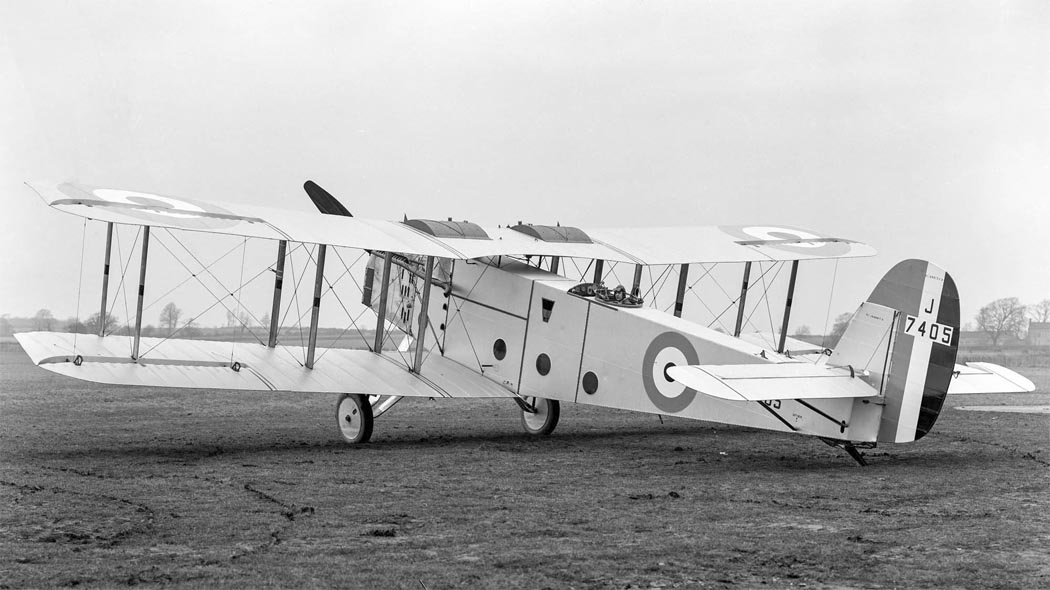
The second Berkeley prototype (J7404) flew on November 24, 1925. The last one (J7405) was ready by February 11, 1926, and differed from its predecessors by having metal wings. This aircraft was delivered to Martlesham Heath in June of the same year. In November, it was used in long-range shortwave transmitter tests conducted in Catterick, after which it flew to Farnborough, where it was utilized in various research programs until 1928 inclusive.
Technical Specifications
| Modification | Berkeley |
| Wingspan, m | 17.65 |
| Length, m | 14.48 |
| Height, m | 4.27 |
| Wing area, m2 | 91.51 |
| Empty weight | 2359 |
| Normal takeoff weight | 3687 |
| Engine type | 1 Piston engine Rolls-Royce Condor III |
| Power, hp | 1 x 650 |
| Maximum speed, km/h | 193 |
| Cruising speed, km/h | 162 |
| Practical range, km | 1385 |
| Flight endurance, h | 12 |
| Service ceiling, m | 5456 |
| Crew, crew members | 2 |
| Armament | one 7.7 mm Vickers machine gun and two 7.7 mm Lewis machine guns; bomb load – 250 kg |
Image and diagram gallery of the Bristol Type 90 Berkeley
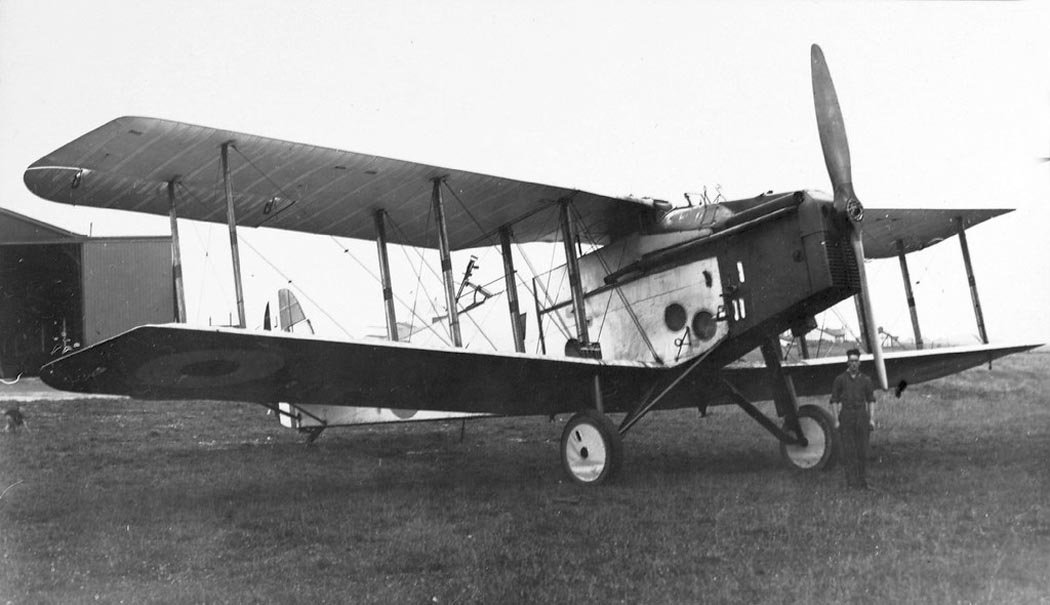 Berkeley |
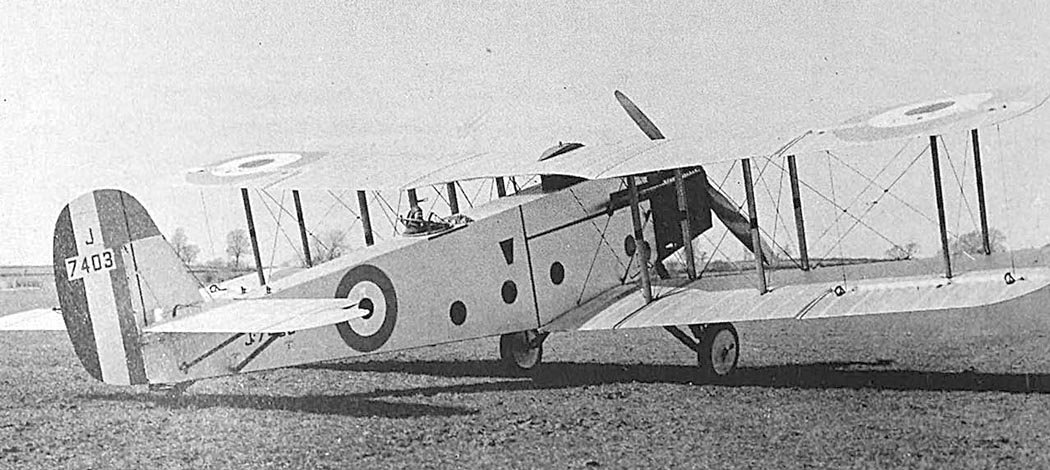 Berkeley |
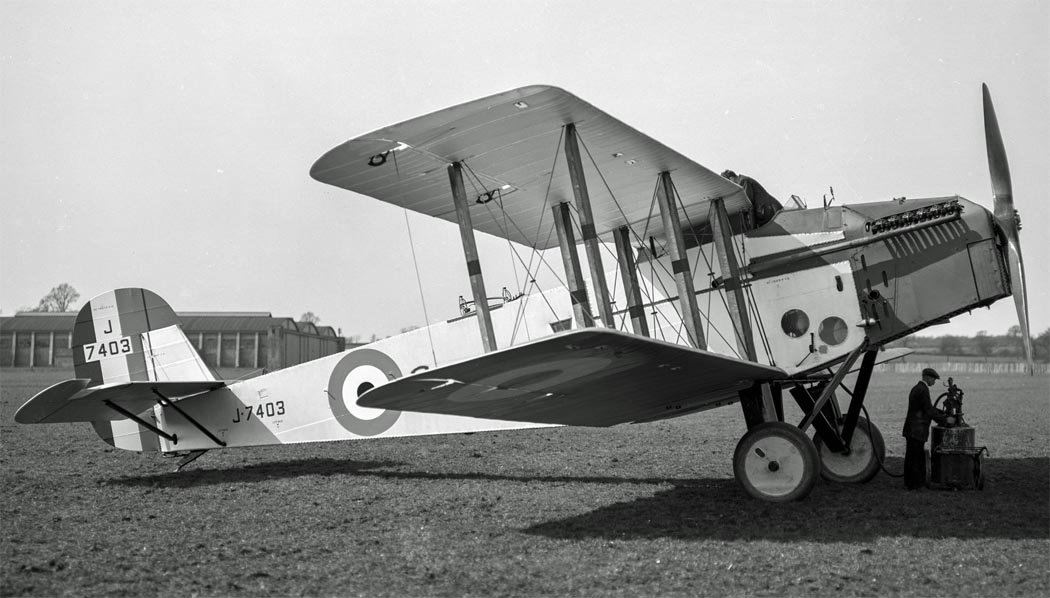 Berkeley |
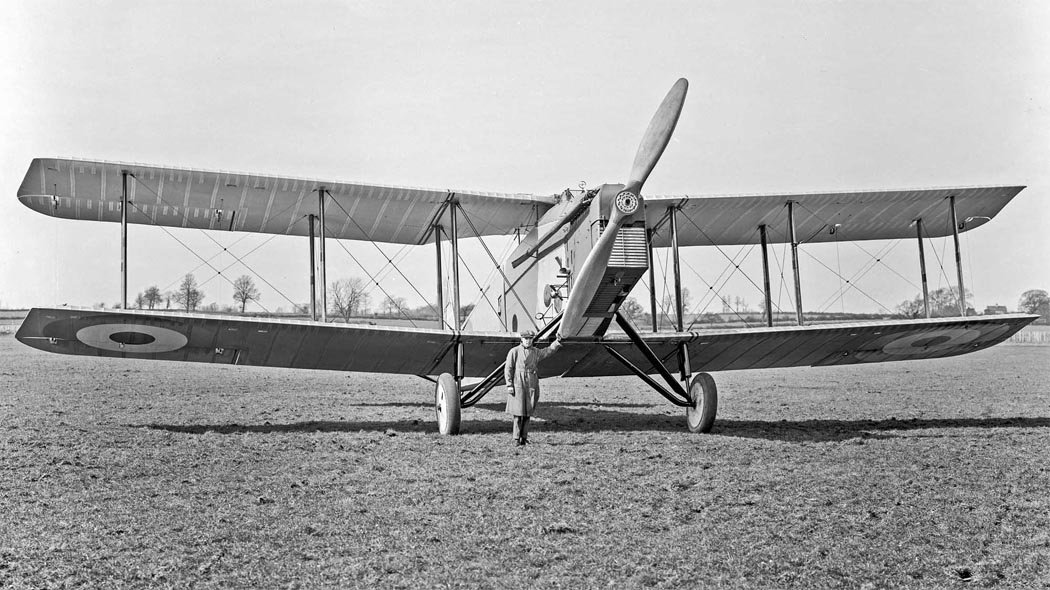 Berkeley |
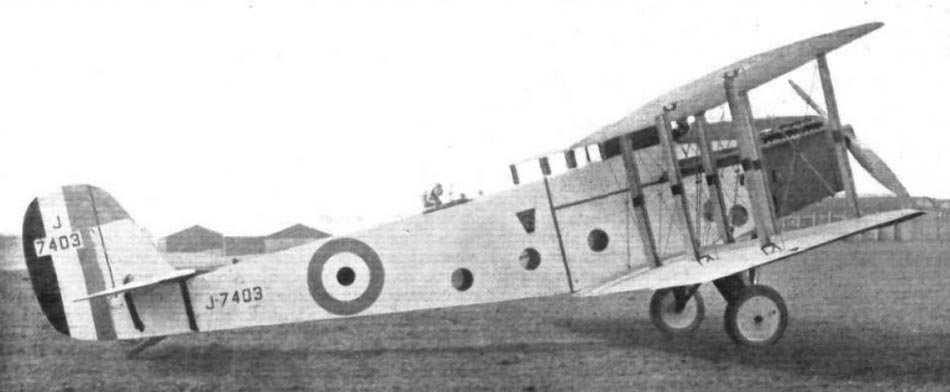 Berkeley |
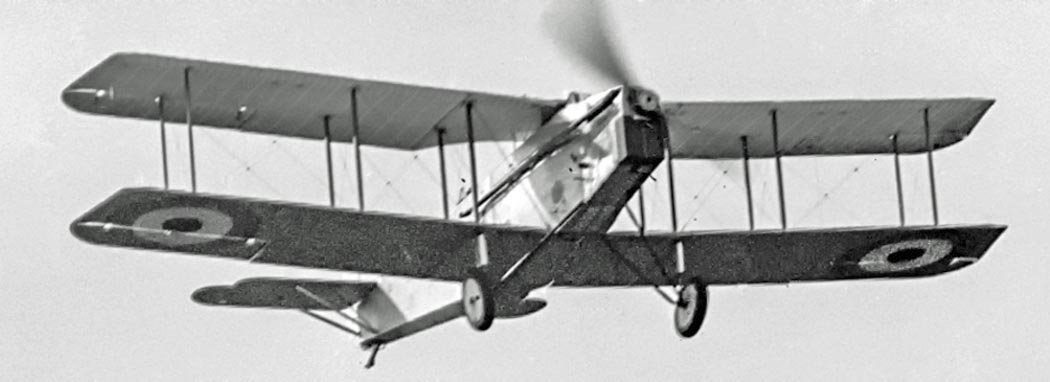 Berkeley |
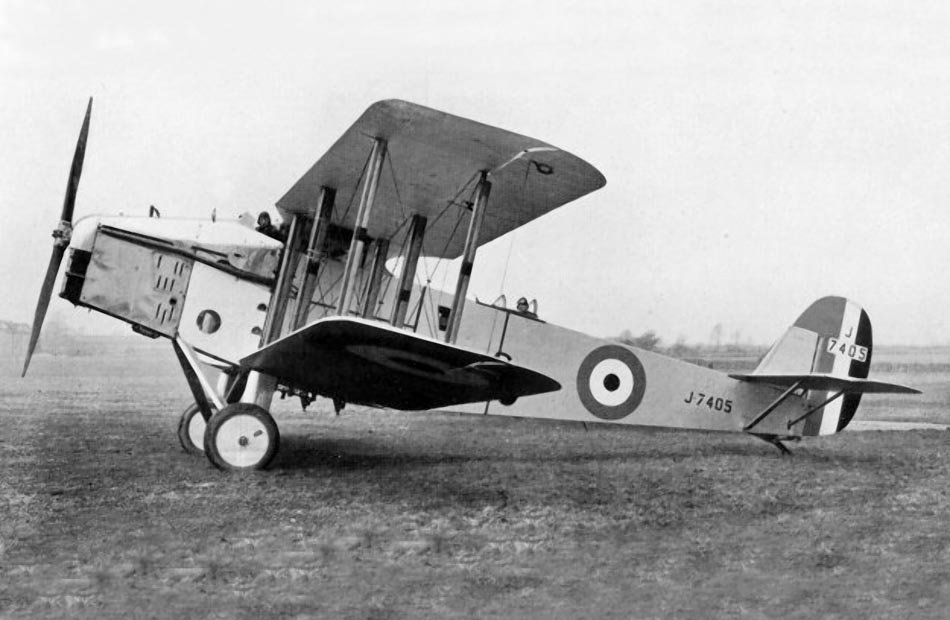 Berkeley |
 Berkeley |
 Berkeley |
 Berkeley |
ArchivoAéreo Editorial Team
A group of aviation researchers and enthusiasts dedicated to documenting and preserving global aeronautical history. All articles are reviewed to ensure historical accuracy.
Sources & Accuracy
The information presented in this technical sheet has been compiled from declassified flight manuals, historical archives, and specialized literature. While we strive for maximum accuracy, some performance data may vary depending on the specific variant or operational conditions.