BRO-18
Development and Design
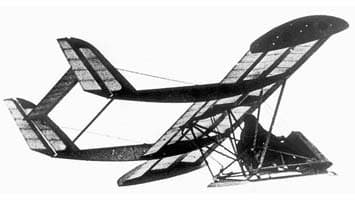
In 1975, B. Yu. Oshkinis developed a new light training glider, the BRO-18. This new glider was a variant of the BRO-17 Utoshka hydroglider. A key design feature of its predecessor, the slotted wing, was retained in the BRO-18.
First Flight and Notable Features
The first flight of this innovative glider took place on September 22, 1975. At the time, the BRO-18 was the smallest glider in the world, featuring a wingspan of 4.9 meters and a wing area of 7 m². Its total weight was merely 40 kilograms.
Technical Specifications
| Modification | BRO-18 |
| Wingspan, m | 4.90 |
| Wing area, m2 | 7.00 |
| Empty weight | 40 |
| Cruising speed, km/h | 35 |
| Minimum rate of descent, m/s | 1.8 |
| Crew | 1 |
Image and diagram gallery of the BRO-18
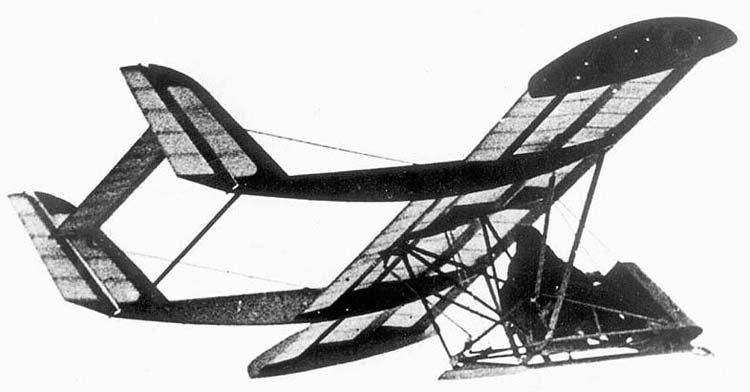 BRO-18 |
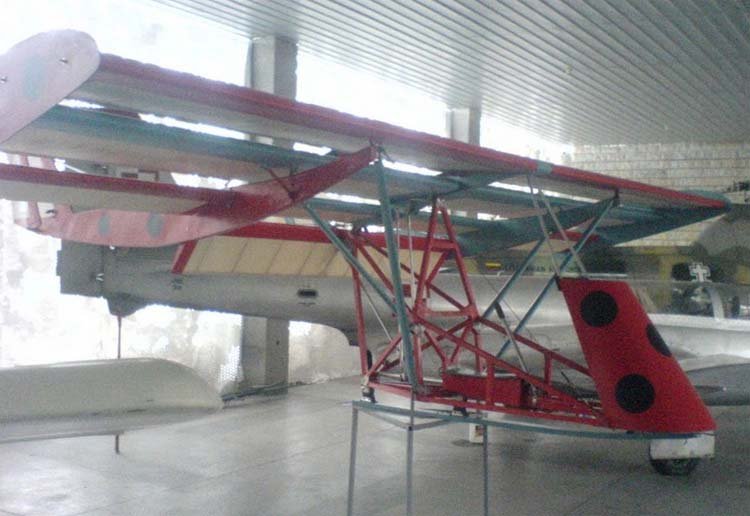 BRO-18 |
ArchivoAéreo Editorial Team
A group of aviation researchers and enthusiasts dedicated to documenting and preserving global aeronautical history. All articles are reviewed to ensure historical accuracy.
Sources & Accuracy
The information presented in this technical sheet has been compiled from declassified flight manuals, historical archives, and specialized literature. While we strive for maximum accuracy, some performance data may vary depending on the specific variant or operational conditions.