BRO-3
Innovative Concept and Design
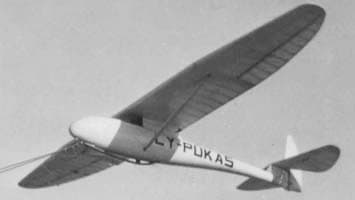
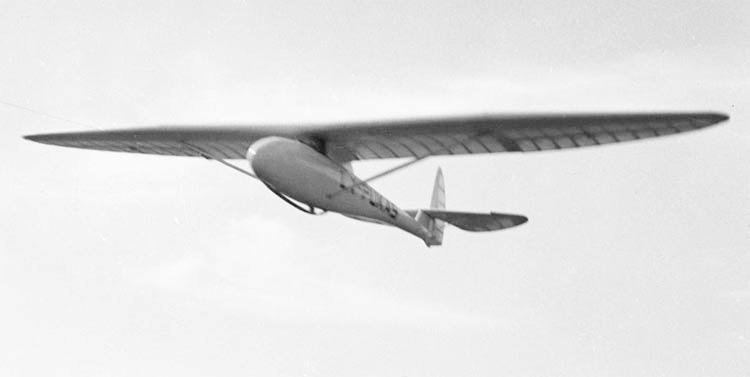
In the second half of the 1930s, Bronius Oskinis (Бронис Ошкинис) began working on a new glider, designated BRO-3. During its design, Oskinis aimed to prove that gliders with shorter wings could achieve flight characteristics as good as those with long wings. For the BRO-3, the designer chose wings with a 10-meter span and the GO-535 profile, which was popular at the time.
Development and Maiden Flight
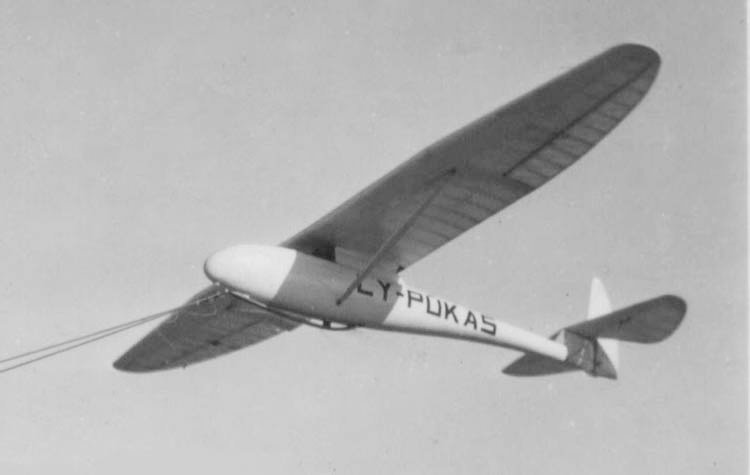
Construction of the glider began in March 1935 and was financed by Oskinis’s personal funds. Due to this, the completion of the work was delayed by more than a year, and it was not until April 19, 1936, that the first glider (“Pukas”) took to the air from Kaunas airfield.
After completing the testing cycle, the Lithuanian Aeroclub decided to purchase the BRO-3 for 2200 litas, as well as paying the designer a bonus of 1000 litas.
Adoption and Early Success
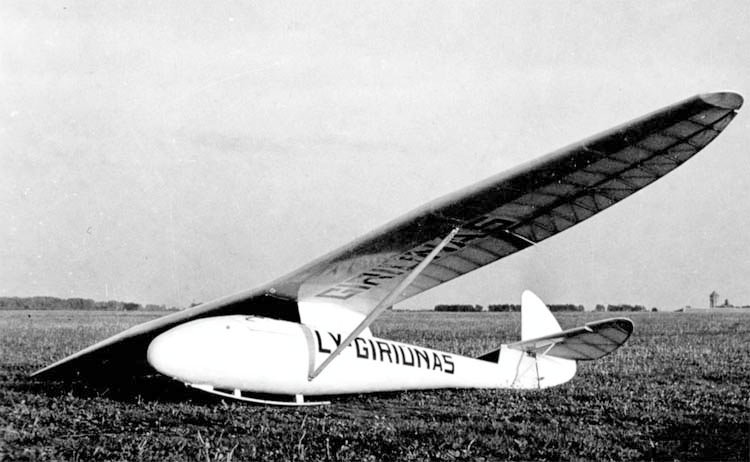
In the same year, a flight school was established at Kaunas airfield, and it was decided to procure two BRO-3 gliders for it. In December 1936, a contract worth 3500 litas was signed. In early 1937, the gliders “Aras” and “Giriunas” were delivered to the customer.
Technical Specifications
| Modification | BRO-3 |
| Wingspan, m | 10.00 |
| Length, m | 8.70 |
| Height, m | 1.60 |
| Wing area, m2 | 11.50 |
| Empty weight | 82 |
| Maximum weight | 170 |
| Crew, crew members | 1 |
Image and diagram gallery of the BRO-3
 BRO-3 |
 BRO-3 |
 BRO-3 |
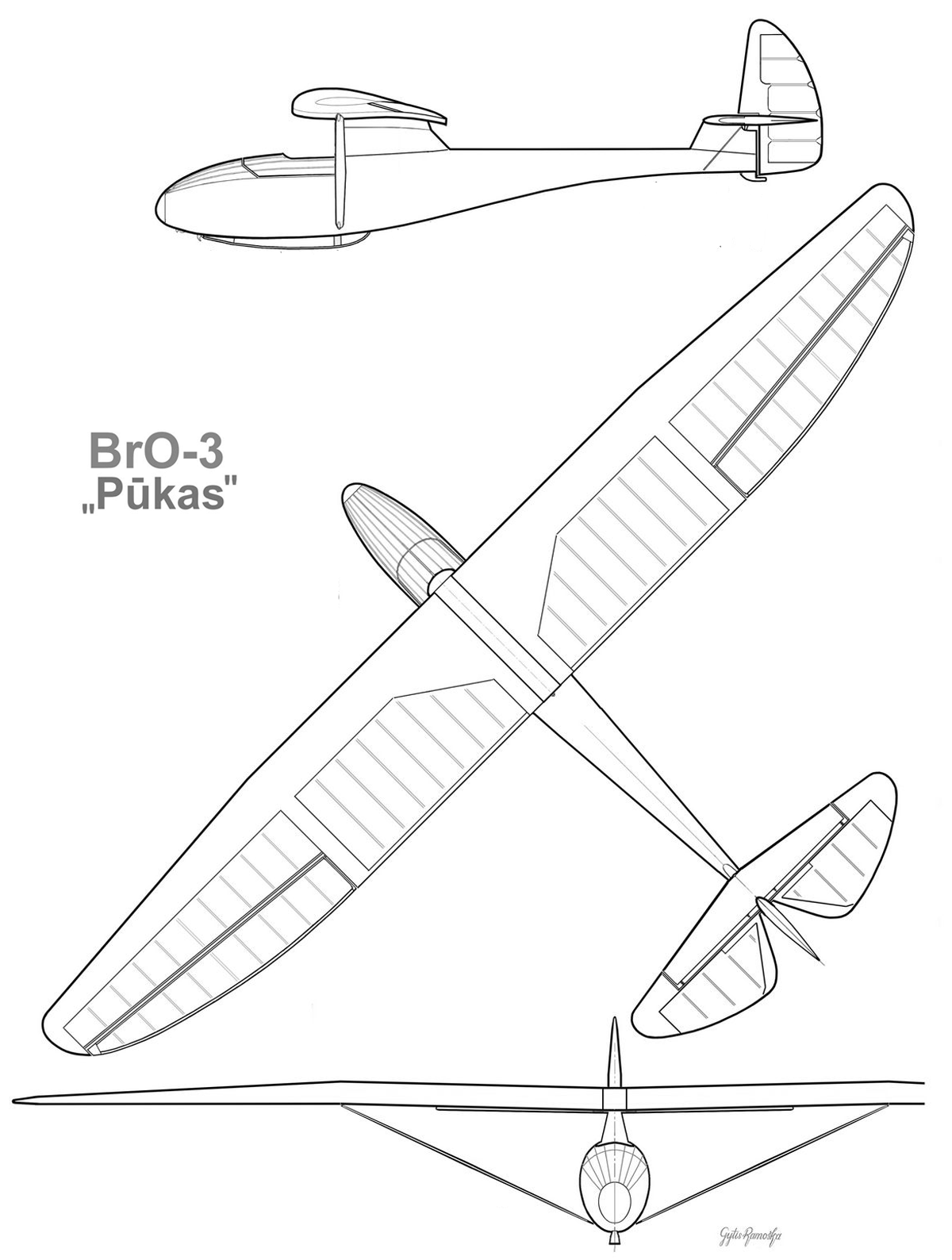 BRO-3 |
ArchivoAéreo Editorial Team
A group of aviation researchers and enthusiasts dedicated to documenting and preserving global aeronautical history. All articles are reviewed to ensure historical accuracy.
Sources & Accuracy
The information presented in this technical sheet has been compiled from declassified flight manuals, historical archives, and specialized literature. While we strive for maximum accuracy, some performance data may vary depending on the specific variant or operational conditions.