BRO-5 Ruta-2
Design Evolution
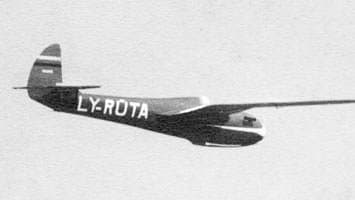
After returning from America, Bronius Oskinis decided to refine the BRO-4 glider. This led to the introduction of a new glider, designated BRO-5 Ruta-2, in 1938.
Key Innovations and Performance
The BRO-5 Ruta-2 distinguished itself from its predecessor primarily through its new ClarkY profile wing. This innovation significantly enhanced its flight capabilities, boosting the maximum aerodynamic quality from 19 for the BRO-4 to an impressive 21.5 for the BRO-5.
Technical Specifications
| Modification | BRO-5 |
| Wingspan, m | 11.00 |
| Length, m | 5. 60 |
| Aspect ratio | 10.1 |
| Wing area, m2 | 12.00 |
| Empty weight | 130 |
| Maximum weight | 220 |
| Minimum sink rate, m/s | 0.92 |
| Max. aerodynamic quality | 21.5 |
| Speed at max aerodynamic quality, km/h | 75 |
| Crew | 1 |
Image and diagram gallery of the BRO-5 Ruta-2
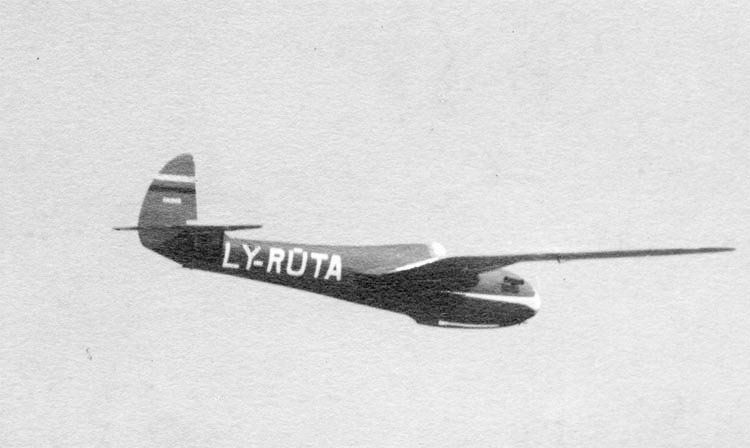 BRO-5 Ruta-2 |
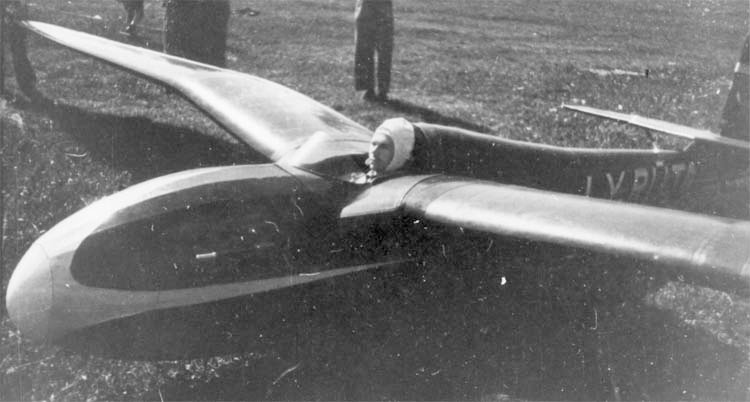 BRO-5 Ruta-2 |
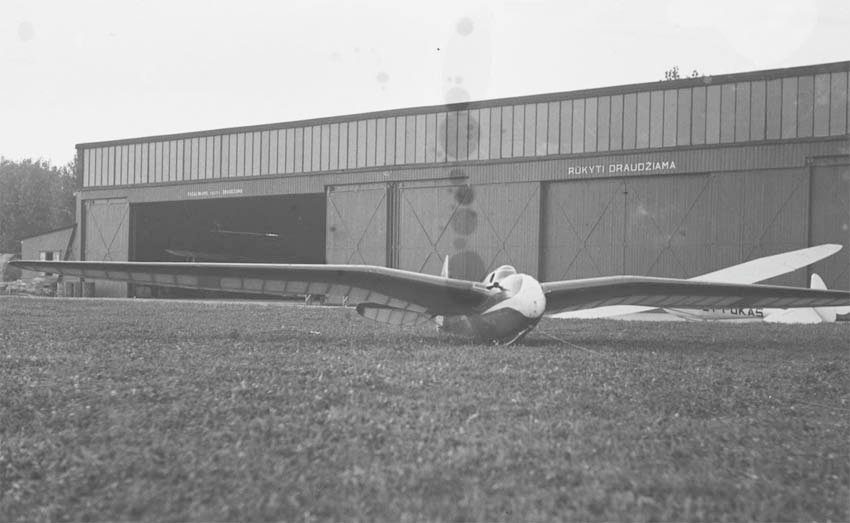 BRO-5 Ruta-2 |
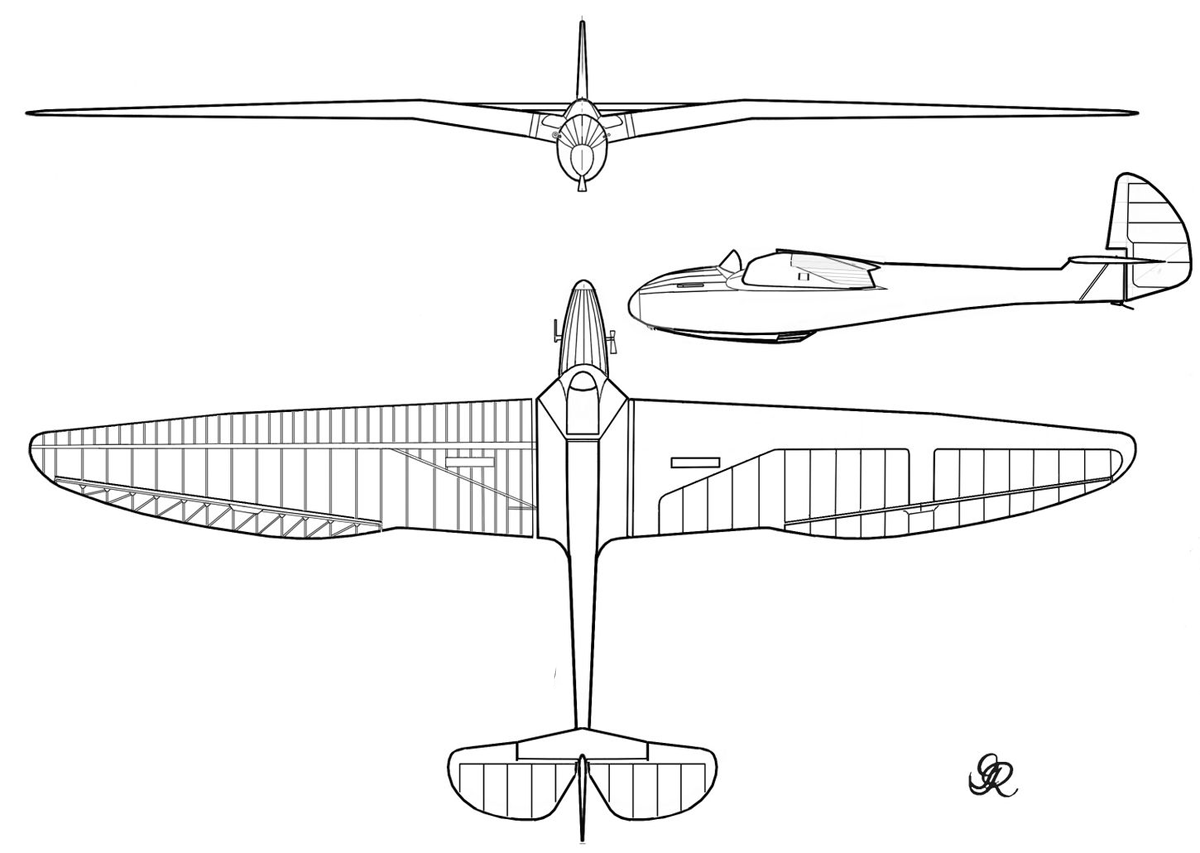 BRO-5 Ruta-2 |
ArchivoAéreo Editorial Team
A group of aviation researchers and enthusiasts dedicated to documenting and preserving global aeronautical history. All articles are reviewed to ensure historical accuracy.
Sources & Accuracy
The information presented in this technical sheet has been compiled from declassified flight manuals, historical archives, and specialized literature. While we strive for maximum accuracy, some performance data may vary depending on the specific variant or operational conditions.