Broughton-Blayney Brawny
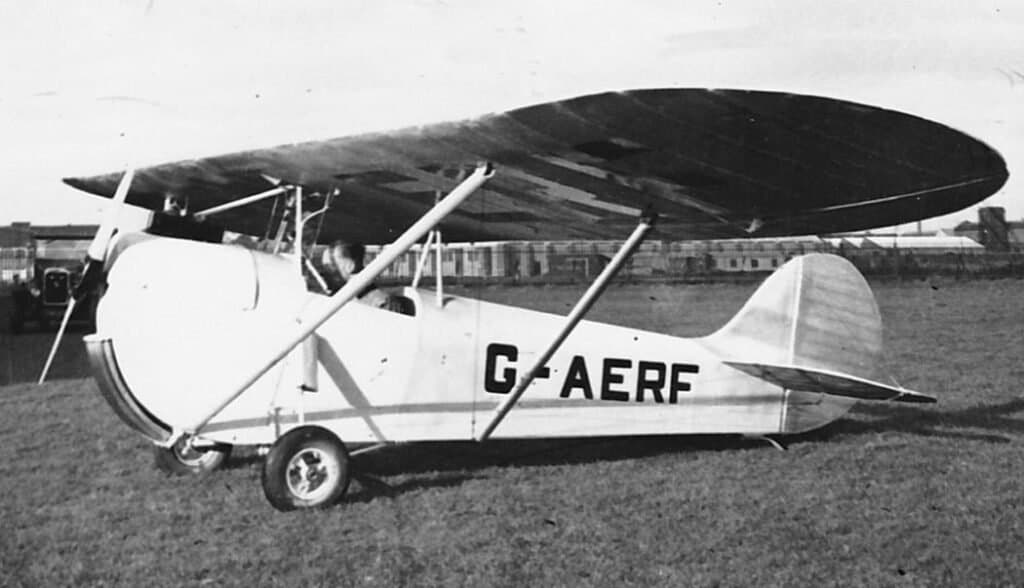
After Edgar George Perman left the company, designer Frank William Broughton joined forces with Adolf Jarvis Blayney. Together, they formed the Broughton-Blayney Aircraft Company and decided to continue the Perman Parasol project.
Origin and Collaboration
As a result, in 1936, the prototype of the Broughton-Blayney Brawny aircraft (referred to as Brawney in some sources) was manufactured. This was a single-seat, strut-braced parasol wing monoplane, equipped with a 30 hp Carden Ford engine and a two-bladed wooden propeller.
Design and Prototype
In the same year, in addition to the prototype (G-AENM), two more aircraft (and two more were planned) – G-AERF and G-AERG – were built. These differed from the prototype by replacing one metal strut with a metal cable.
However, the wide-chord wing and its limited angle of attack led to a deterioration of the machine’s characteristics compared to the Perman Parasol. Furthermore, the Brawny aircraft proved difficult to control.
Performance Issues and Fate
As a consequence of their shortcomings, in 1937, the first two examples crashed. The third aircraft was simply dismantled to prevent further risks.
Technical Specifications
| Modification | Brawny |
| Wingspan, m | 7.77 |
| Length, m | 4.72 |
| Empty weight | 204 |
| Engine type | 1 Piston engine Carden Ford |
| Power, hp | 1 x 30 |
| Maximum speed, km/h | 112 |
| Cruising speed, km/h | 105 |
| Practical range, km | 322 |
| Crew, crew members | 1 |
Image and diagram gallery of the Broughton-Blayney Brawny
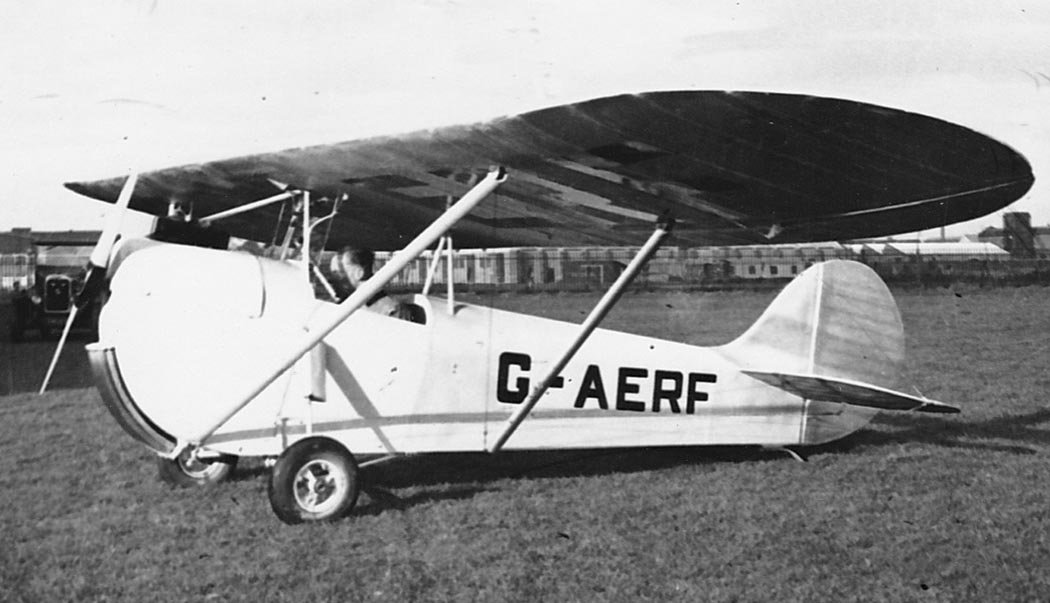 Brawny (Brawney) |
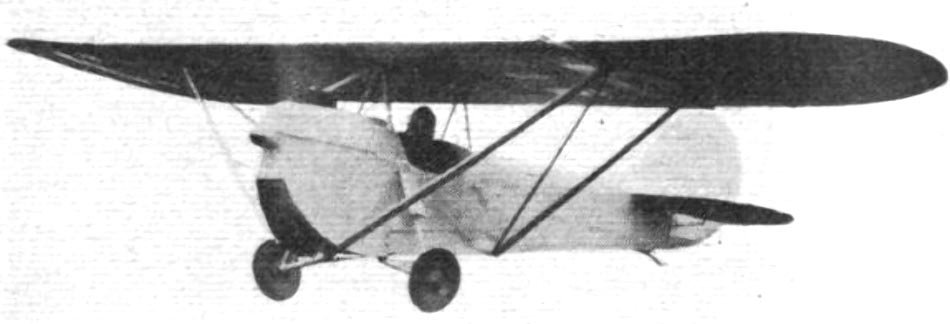 Brawny (Brawney) |
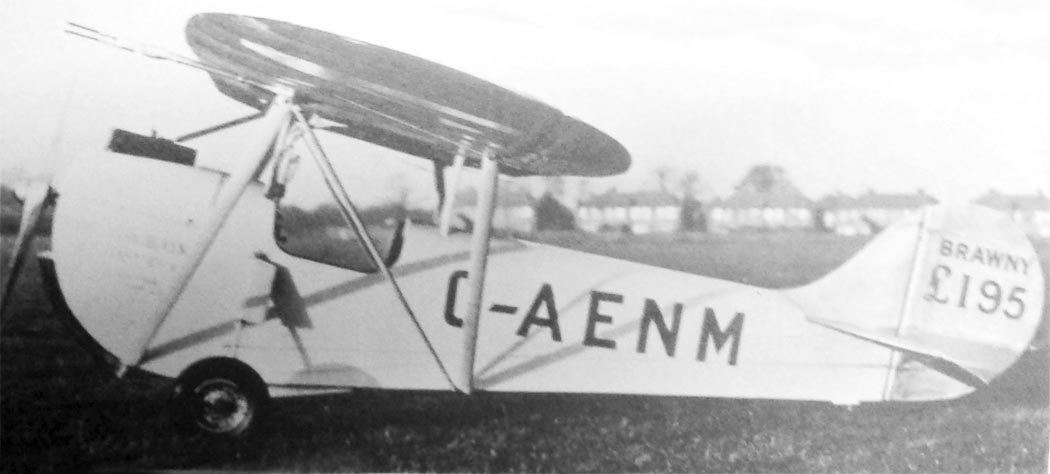 Brawny (Brawney) |
ArchivoAéreo Editorial Team
A group of aviation researchers and enthusiasts dedicated to documenting and preserving global aeronautical history. All articles are reviewed to ensure historical accuracy.
Sources & Accuracy
The information presented in this technical sheet has been compiled from declassified flight manuals, historical archives, and specialized literature. While we strive for maximum accuracy, some performance data may vary depending on the specific variant or operational conditions.