Brown C-3
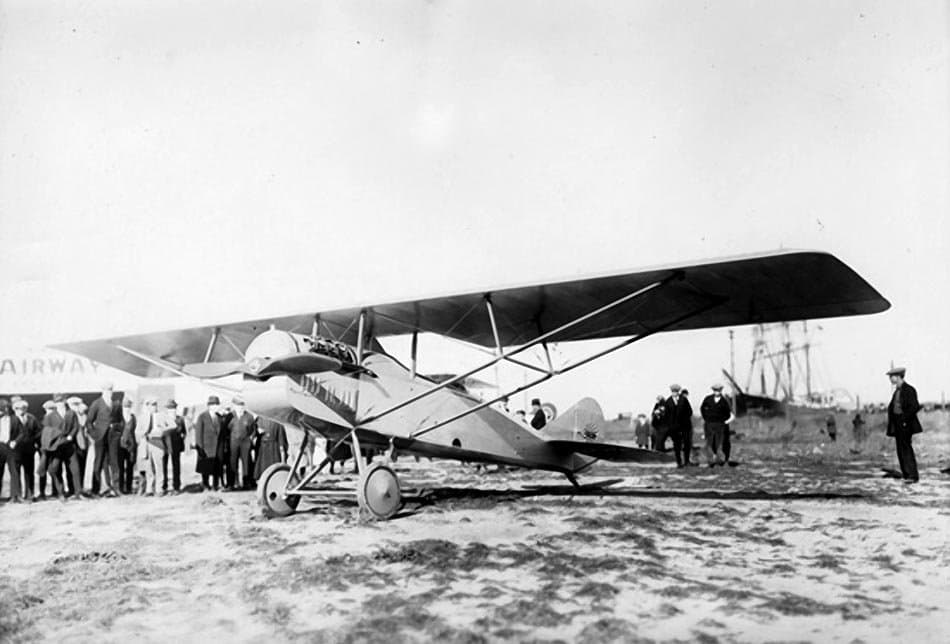
Lawrence Brown’s Early Aviation Career
Like many aviation pioneers, Lawrence “Larry” Brown was a very interesting character. Larry entered aviation in 1913, making his first flight under the guidance of Glenn L. Martin. Subsequently, after serving as head of the Mexican Air Service, he became a test pilot for Standard Aircraft Corp.
In 1921, Brown was entrusted with leading the Mexican Government Aircraft factory. Four years later, he returned to Los Angeles and built two small aircraft, attracting the interest of the investment firm Leonards & Co. This company risked capital to invest in his own venture, the Brown Mercury company.
Founding Brown Mercury and the C-3 Project
In 1927, the company built the two-seat high-wing monoplane C-2, followed by a more interesting aircraft: the C-3 (registration number 1276). This latter aircraft was advertised as the world’s only three-engine light aircraft. It was a four-seat high-wing monoplane of mixed construction, equipped with three 60 hp Anzani engines. The C-3 utilized a proprietary wing design, the “Brown No 5”.
The Innovative Brown C-3
Tests of the aircraft showed it to be quite reliable. However, no customers could be found for it, and the Great Depression, which began a year later, brought an end to the company itself.
Technical Specifications
| Modification | C-3 |
| Wingspan, m | 12.65 |
| Aircraft length, m | 7.62 |
| Aircraft height, m | 2.74 |
| Wing area, m2 | 24.15 |
| Empty weight | 658 |
| Maximum takeoff weight | 930 |
| Engine type | 3 Anzani Piston engines |
| Power, hp | 3 x 60 |
| Maximum speed, km/h | 193 |
| Cruising speed, km/h | 161 |
| Practical range, km | 1046 |
| Service ceiling, m | 4267 |
| Crew, crew members | 1 |
| Payload | 2 passengers |
Image and diagram gallery of the Brown C-3
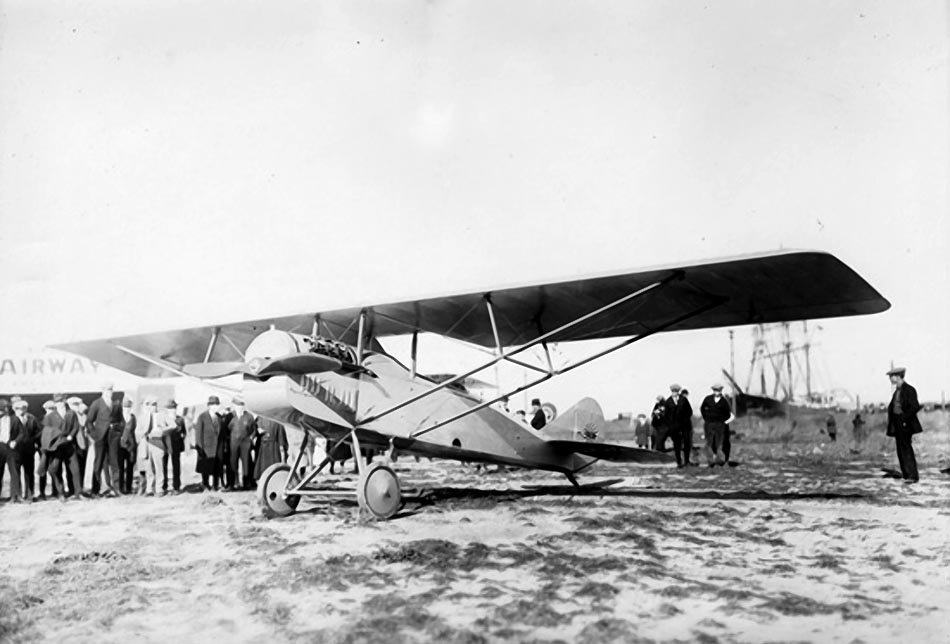 C-3 |
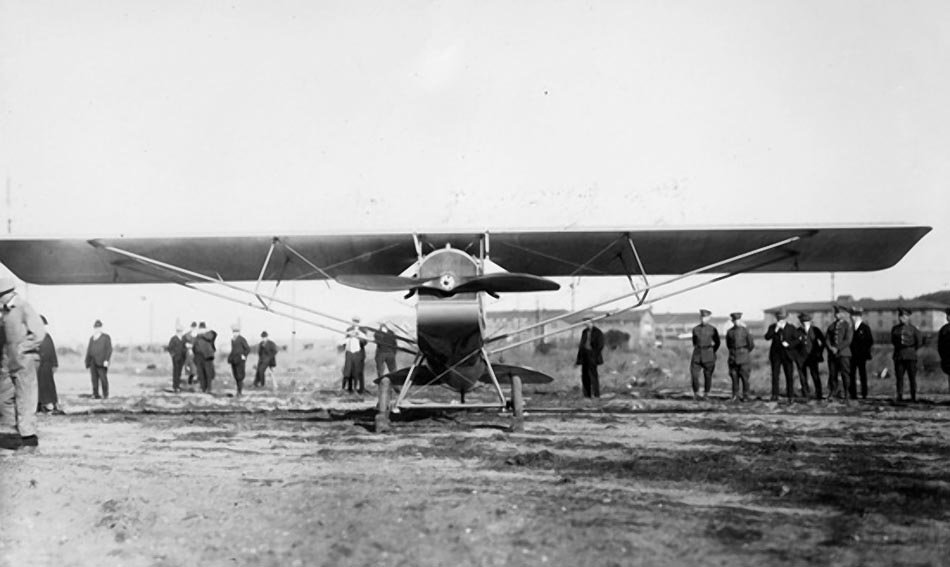 C-3 |
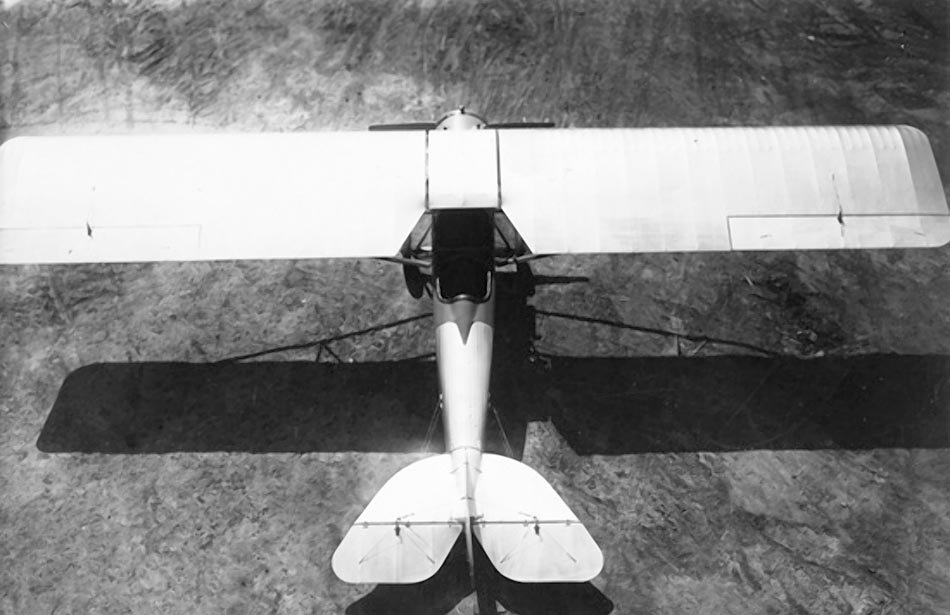 C-3 |
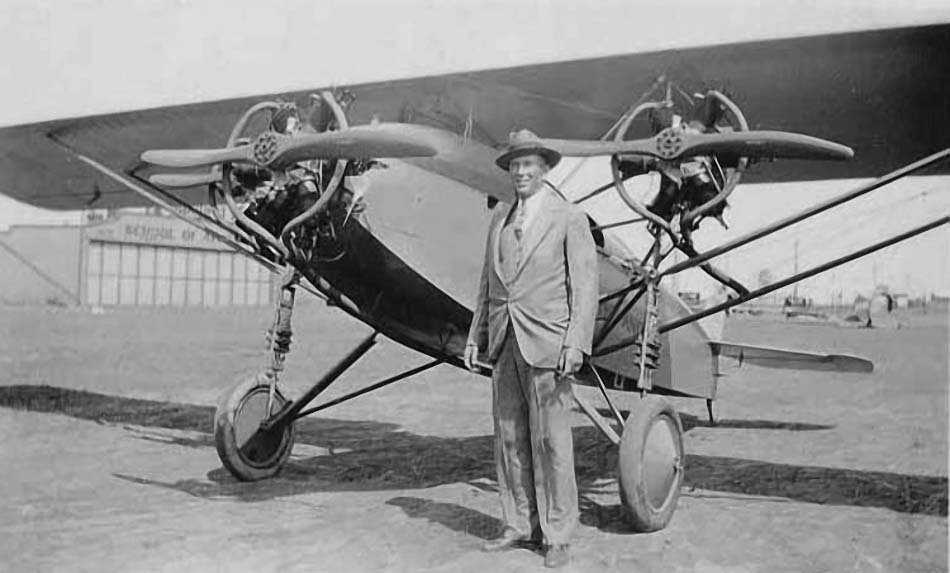 C-3 |
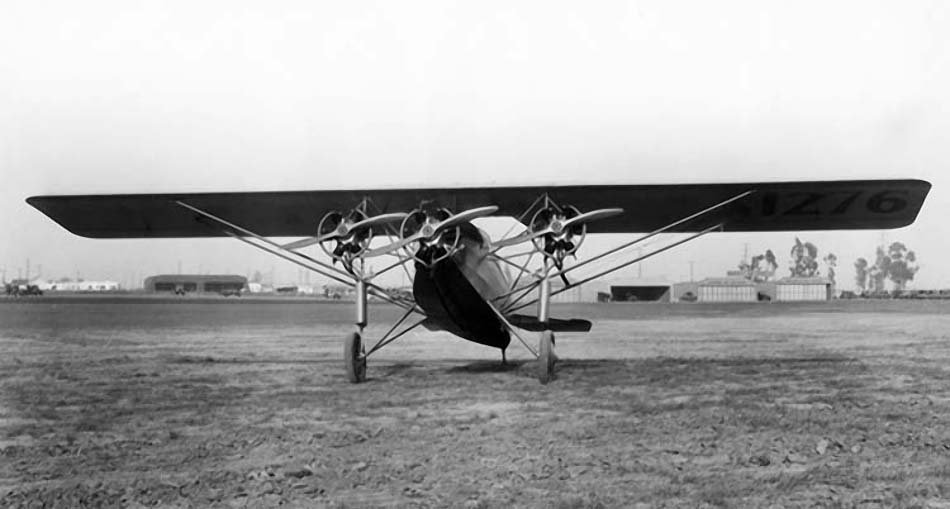 C-3 |
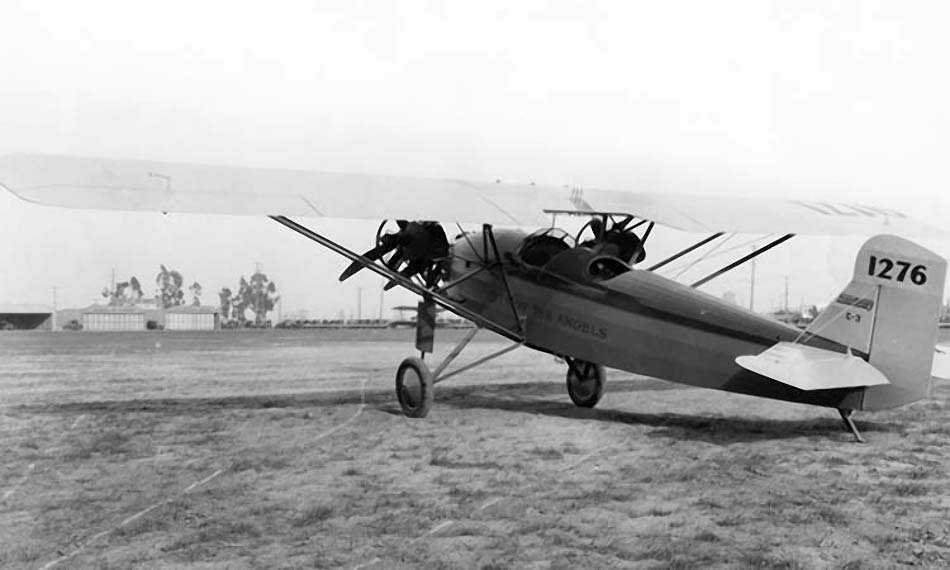 C-3 |
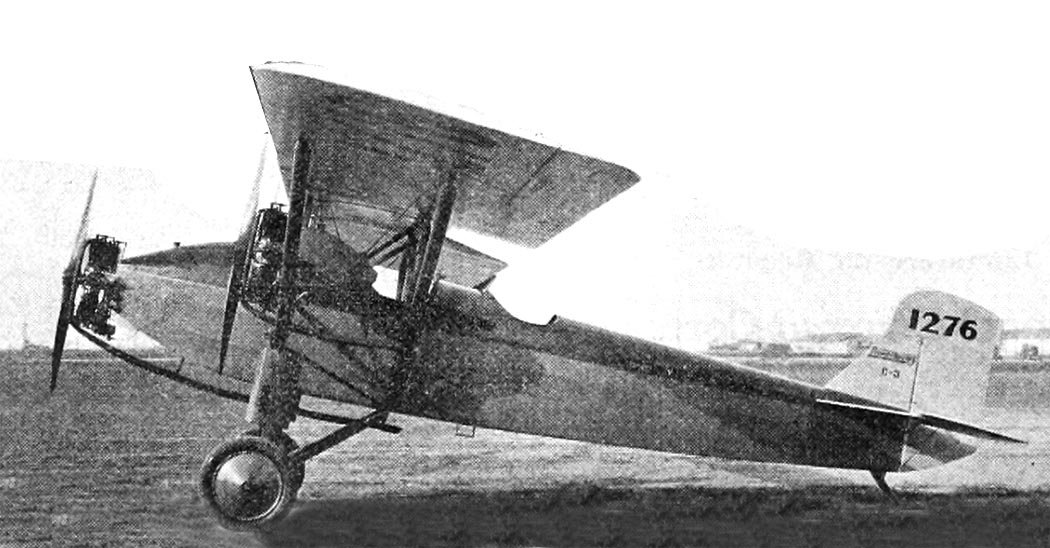 C-3 |
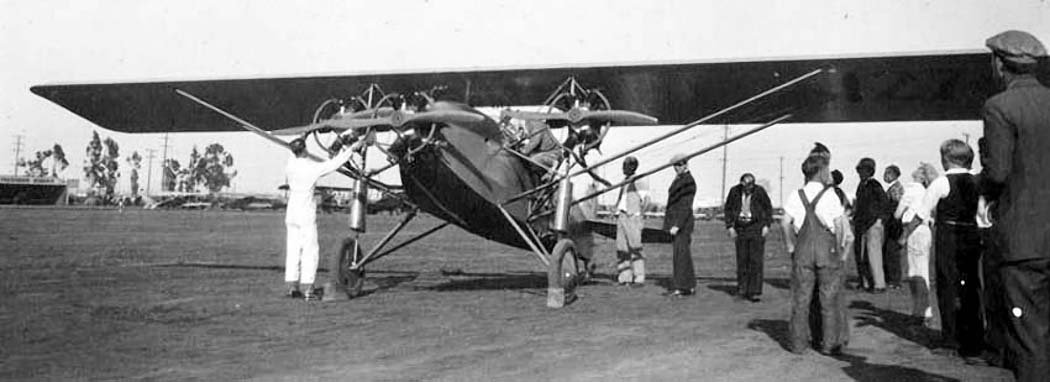 C-3 |
ArchivoAéreo Editorial Team
A group of aviation researchers and enthusiasts dedicated to documenting and preserving global aeronautical history. All articles are reviewed to ensure historical accuracy.
Sources & Accuracy
The information presented in this technical sheet has been compiled from declassified flight manuals, historical archives, and specialized literature. While we strive for maximum accuracy, some performance data may vary depending on the specific variant or operational conditions.