Bryant M-1 ‘Angel of Los-Angeles'
The Inspiration Behind the Dole Air Race
James Drummond Dole, dubbed the “King of Pineapples” and founder of the Hawaiian Pineapple Company (HAPCO), amassed a millionaire fortune from fruit. Inspired by Charles Lindbergh’s successful transatlantic flight, Dole decided to host an air race in the summer of 1927. The challenge was to fly from Oakland, California, to Honolulu, Hawaii, backed by substantial cash prizes: the winner would receive $25,000 (approximately $341,000 in modern dollars), with $10,000 (about $136,500 today) for second place.
Development of the Bryant M-1
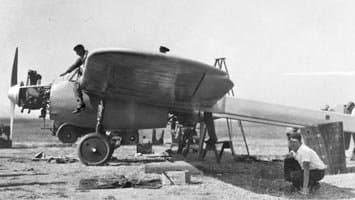
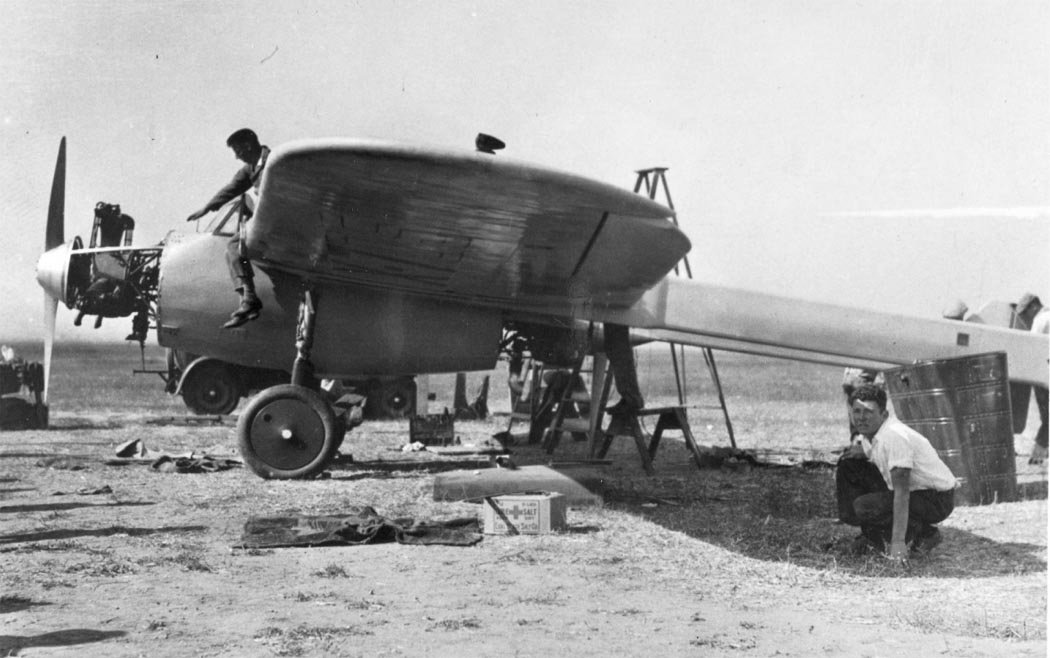
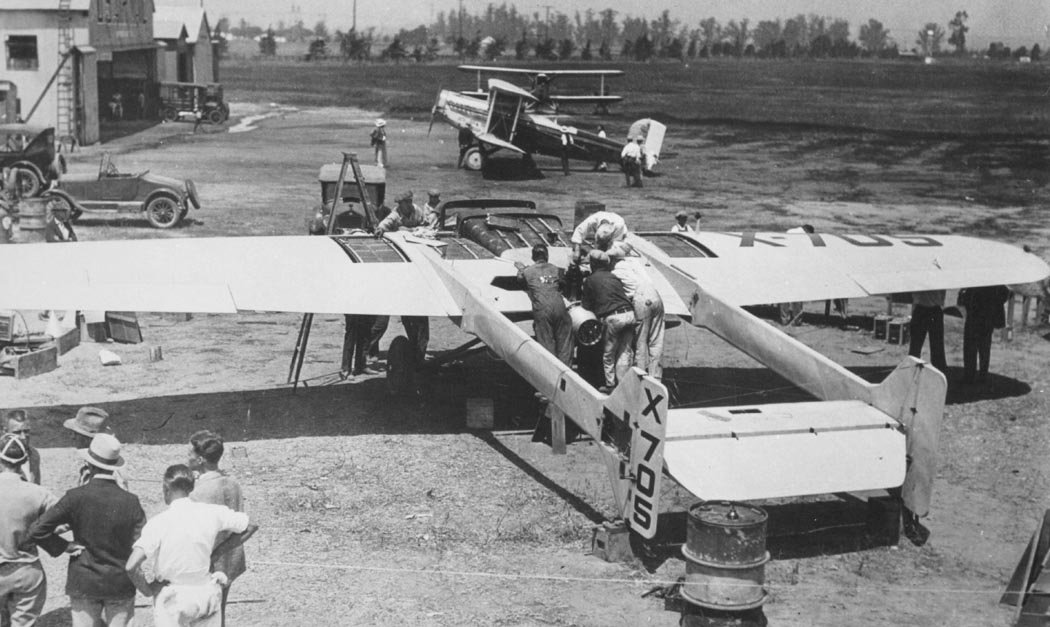
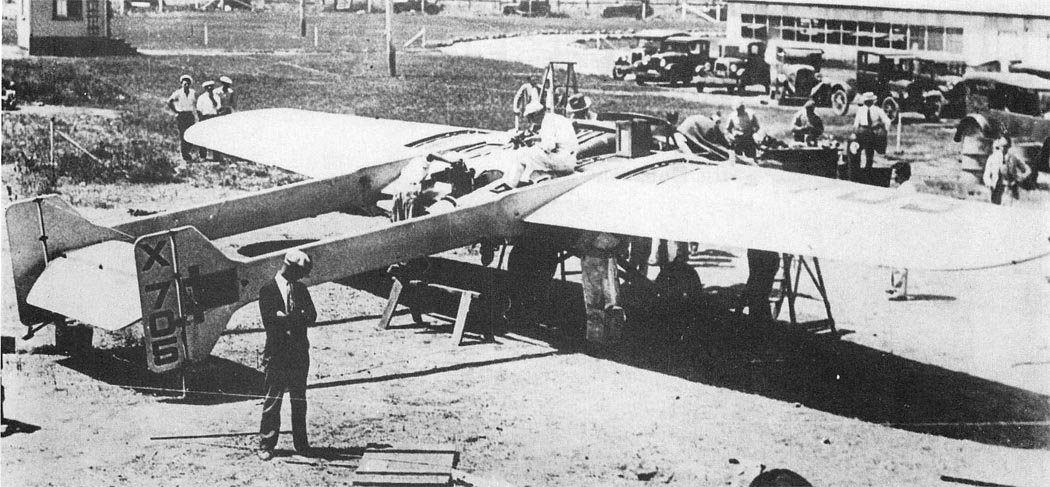
To participate in these races, Leland A. Bryant founded the Bryant Aircraft Syndicate in California. They built the Bryant M-1 aircraft, or simply the Bryant Monoplane (NX705), which was designed by Catron & Fisk Co. This two-seater, cantilever mid-wing monoplane featured a twin-boom fuselage and was powered by a 120 hp Bristol Lucifer engine.
Tragedy During Training Flight
However, the aircraft, named “Angel of Los-Angeles” and assigned starting number “14,” never made it to the race. During a training flight, it entered an uncontrollable descent. The pilot, Captain Arthur Rogers, exited the aircraft at a mere 150 meters altitude, but his parachute did not have time to fully deploy. The pilot tragically died.
Following this disaster, the Bryant Aircraft Syndicate ceased its operations.
Technical Specifications
| Modification | M-1 |
| Wingspan, m | 13.72 |
| Length, m | 9.14 |
| Wing area, m2 | 31.60 |
| Maximum takeoff weight, kg | 2300 |
| Fuel capacity, l | 1470 |
| Engine type | 1 Piston engine Bristol Lucifer |
| Power, hp | 1 x 120 |
| Maximum speed, km/h | 233 |
| Cruising speed, km/h | 201 |
| Crew, crew members | 2 |
Image and diagram gallery of the Bryant M-1 'Angel of Los-Angeles'
 M-1 (Monoplane) |
 M-1 (Monoplane) |
 M-1 (Monoplane) |
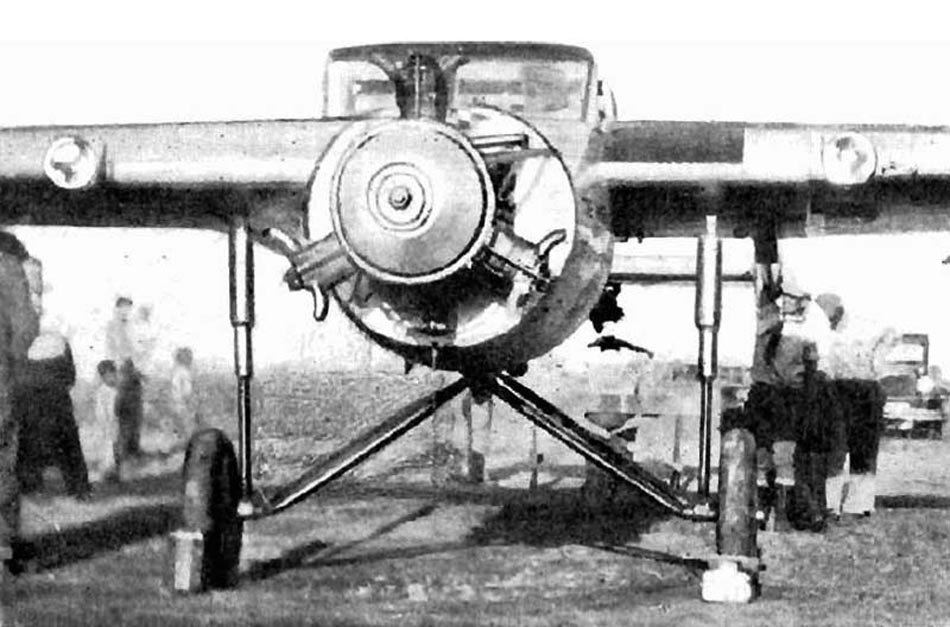 M-1 (Monoplane) |
ArchivoAéreo Editorial Team
A group of aviation researchers and enthusiasts dedicated to documenting and preserving global aeronautical history. All articles are reviewed to ensure historical accuracy.
Sources & Accuracy
The information presented in this technical sheet has been compiled from declassified flight manuals, historical archives, and specialized literature. While we strive for maximum accuracy, some performance data may vary depending on the specific variant or operational conditions.