BS-1 Student
Origins and Design
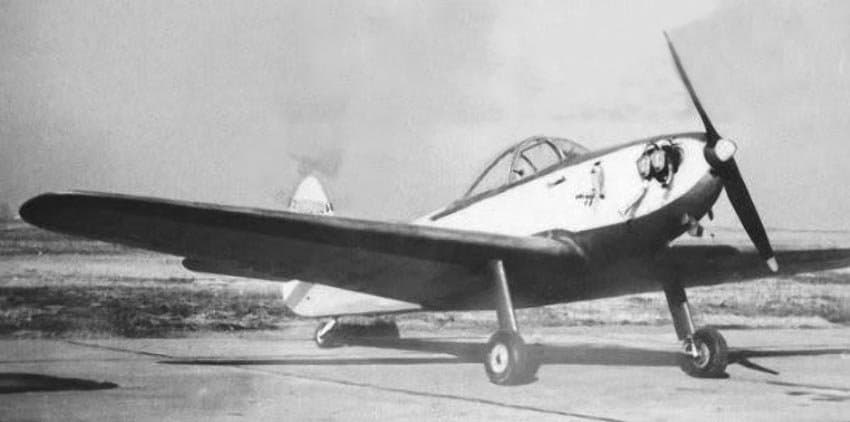
In the mid-1950s, engineers Mirko Josifović and Jovan Čubrilo, from the aviation department of the Faculty of Mechanical Engineering at Belgrade University, began designing a light sport aircraft, the BS-1 (also known as “Belgrade Student”). The Akademiski Aeroklub “Beograd” (AAK) undertook the construction of the machine.
Maiden Flight and Technical Specifications
The first flight of the BS-1, with registration number YU-CKK, took place on March 28, 1958. This was a single-seat, cantilever low-wing monoplane, powered by an Italian CNA D4 engine delivering 62 hp (45.6 kW) and featuring a two-bladed wooden propeller.
Evaluation and Legacy
During testing, the BS-1 Student proved easy to operate and demonstrated good flight characteristics. However, the aircraft did not enter series production due to a lack of interest from the Yugoslav civil aviation leadership. The sole “Student” airframe was ultimately transferred for display at the Belgrade Aviation Museum (Muzej vazduhoplovstva).
Technical Specifications
| Modification | BS -1 |
| Wingspan, m | 8. 45 |
| Aircraft length, m | 6. 26 |
| Wing area, m2 | 11.08 |
| Empty weight | 300 |
| Maximum takeoff weight | 450 |
| Engine type | 1 Piston engine CNA D4 |
| Power, hp | 1 x 62 |
| Maximum speed, km/h | 200 |
| Cruising speed, km/h | 173 |
| Crew | 1 |
Image and diagram gallery of the BS-1 Student
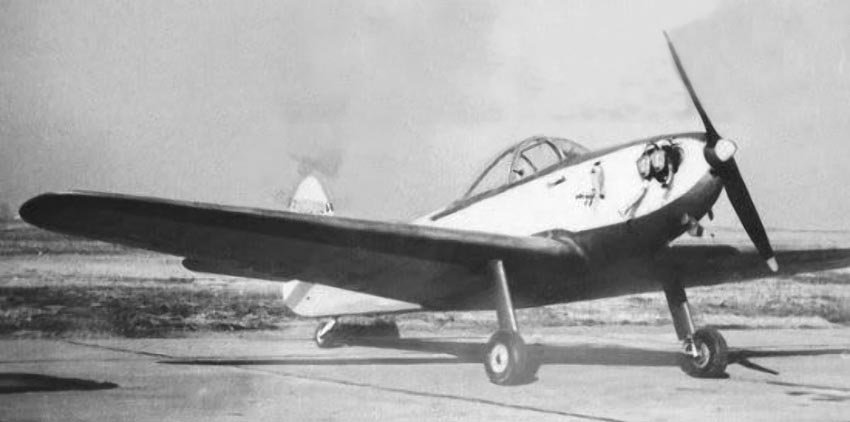 BS-1 Student |
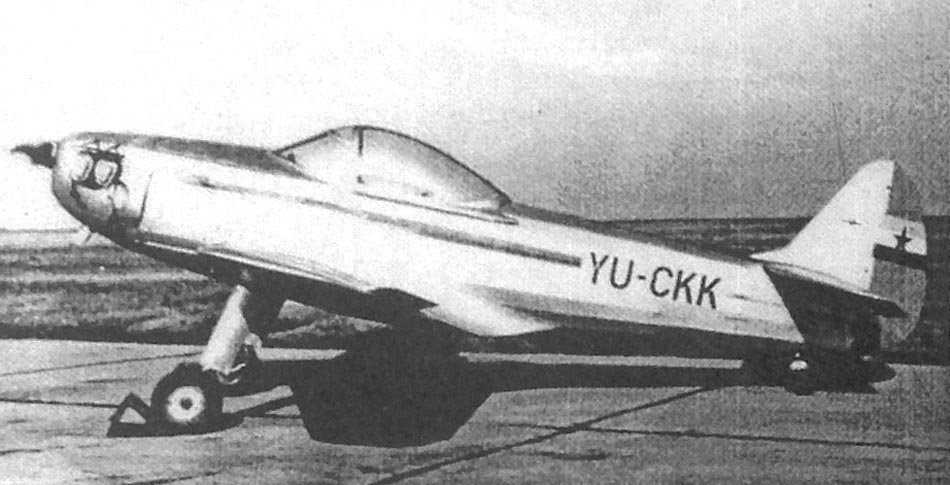 BS-1 Student |
ArchivoAéreo Editorial Team
A group of aviation researchers and enthusiasts dedicated to documenting and preserving global aeronautical history. All articles are reviewed to ensure historical accuracy.
Sources & Accuracy
The information presented in this technical sheet has been compiled from declassified flight manuals, historical archives, and specialized literature. While we strive for maximum accuracy, some performance data may vary depending on the specific variant or operational conditions.