BT Series Aircraft (BT-1 and BT-2)
Origins and Development
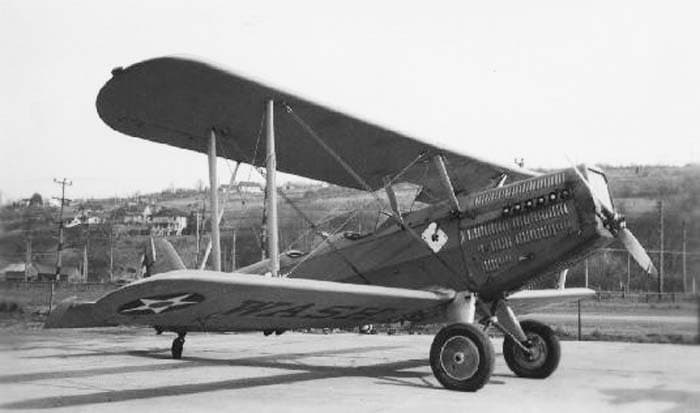
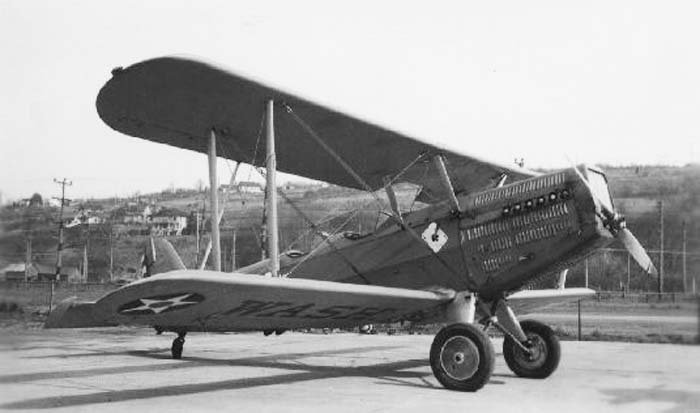
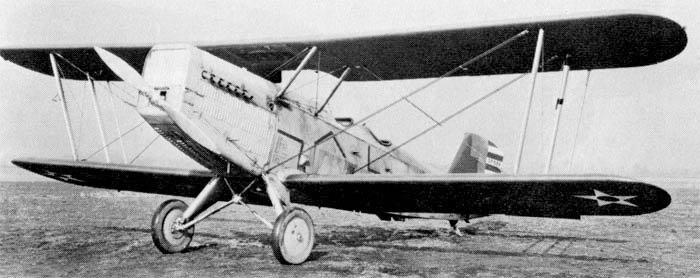
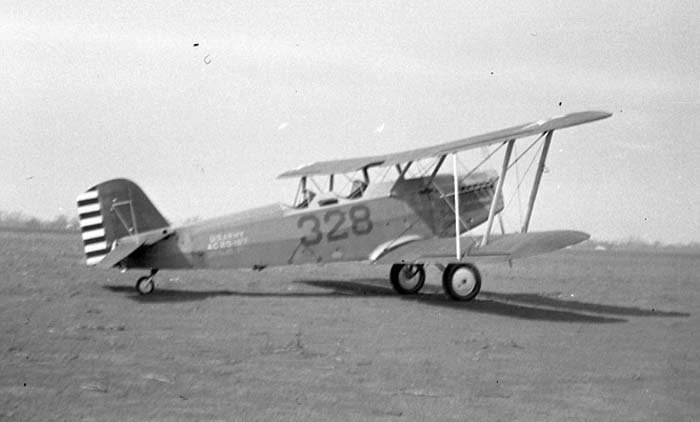
The BT series aircraft (BT-1 and BT-2) were essentially re-engineered O-2 and O-32 reconnaissance planes, which formed the backbone of US reconnaissance aviation during the interwar period. The first model, the BT-1, emerged in 1929, built upon the O-2K. It was distinguished by its lack of armament and a Liberty V-1650-1 engine producing 420 hp. A total of 40 BT-1 aircraft were modified.
The BT-2 modification was created by converting all O-32 reconnaissance aircraft (which were themselves modernized O-2Ks) into training variants. Externally, they were identical, with the exception that the BT-2 featured an engine cowling. The first prototype of the BT-2 aircraft (serial number 29-218) underwent testing in 1932.
Production and Experimental Conversions
Series production of the BT-2 began in 1936, with a total of 146 aircraft of this type built (serial numbers 31-001 – 31-046), including modifications BT-2A, BT-2BI, and BT-2C. In 1940, an idea arose to convert some of these machines into unmanned radio-controlled targets. Two production BT-2C aircraft underwent this modification, receiving the designations BT-2BR and BT-2CR. A distinguishing feature of these experimental versions was their tricycle landing gear.
However, these target drone variants were not mass-produced, as specialized target aircraft from the Culver company had already successfully completed testing by that time.
Operational Use
The BT-2 aircraft were actively used in the late 1930s for pilot training. Notably, in December 1941, several BT-2BI planes were still part of various squadrons stationed at Pearl Harbor (the 45th and 46th Fighter Squadrons, which were also armed with P-36A and P-40B fighters), although the majority flew within the continental United States.
Technical Specifications
| Modification | BT-2B |
| Wingspan, m | 12.19 |
| Length, m | 9.50 |
| Height, m | 3.20 |
| Wing area, m2 | 33.63 |
| Empty weight | 1324 |
| Normal takeoff weight | 1843 |
| Maximum takeoff weight | 1845 |
| Engine type | 1 Piston engine Pratt & Whitney R-1340-11 |
| Power, hp | 1 x 450 |
| Maximum speed, km/h | 216 |
| Cruising speed, km/h | 188 |
| Practical range, km | 515 |
| Practical ceiling, m | 5850 |
| Crew | 2 |
Image and diagram gallery of the BT Series Aircraft (BT-1 and BT-2)
 BT-1(2) |
 BT-1(2) |
 BT-1(2) |
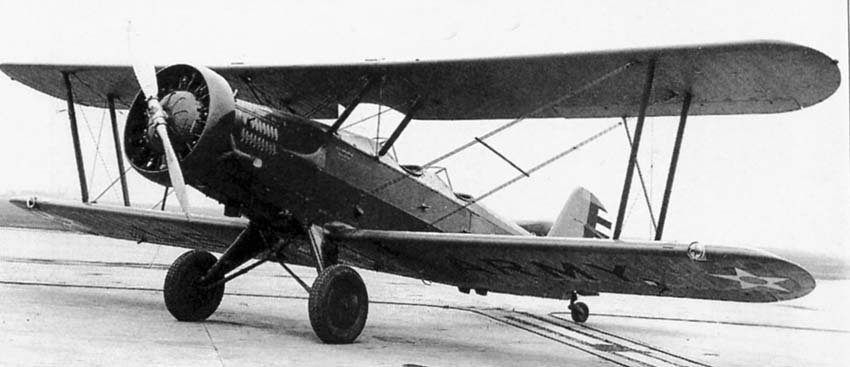 BT-1(2) |
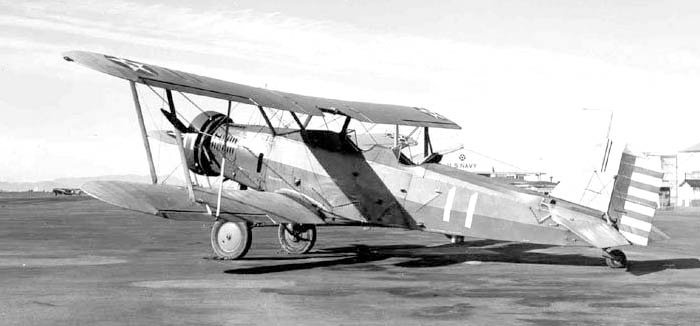 BT-1(2) |
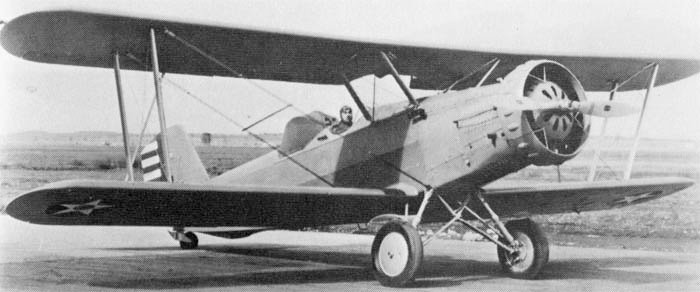 BT-1(2) |
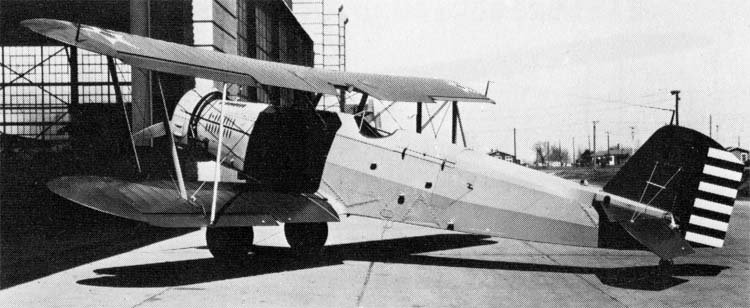 BT-1(2) |
ArchivoAéreo Editorial Team
A group of aviation researchers and enthusiasts dedicated to documenting and preserving global aeronautical history. All articles are reviewed to ensure historical accuracy.
Sources & Accuracy
The information presented in this technical sheet has been compiled from declassified flight manuals, historical archives, and specialized literature. While we strive for maximum accuracy, some performance data may vary depending on the specific variant or operational conditions.