Bu.131 Jungmann
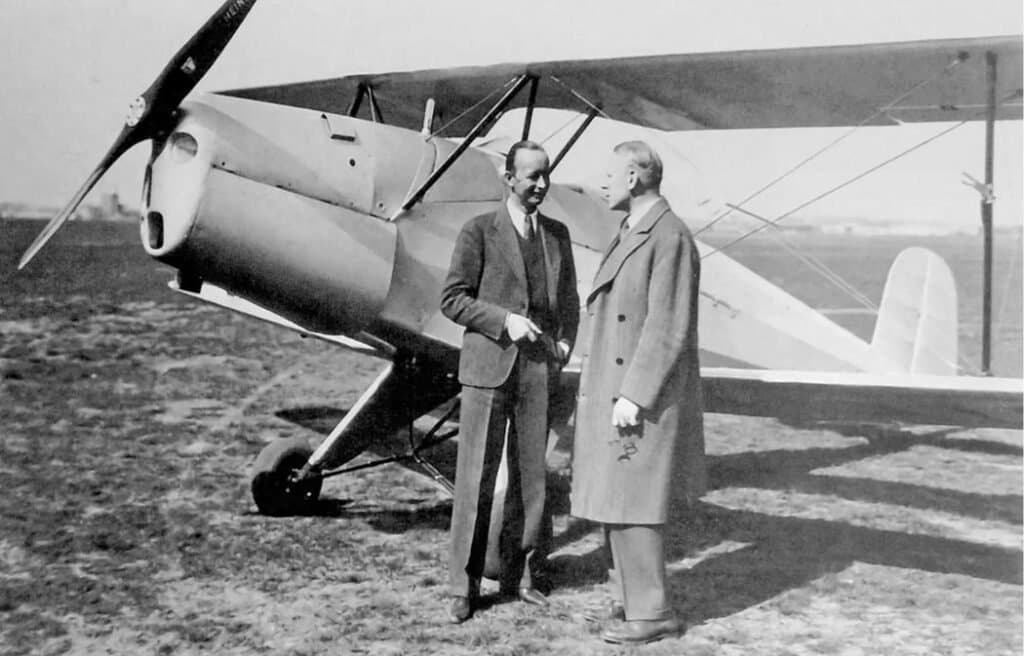
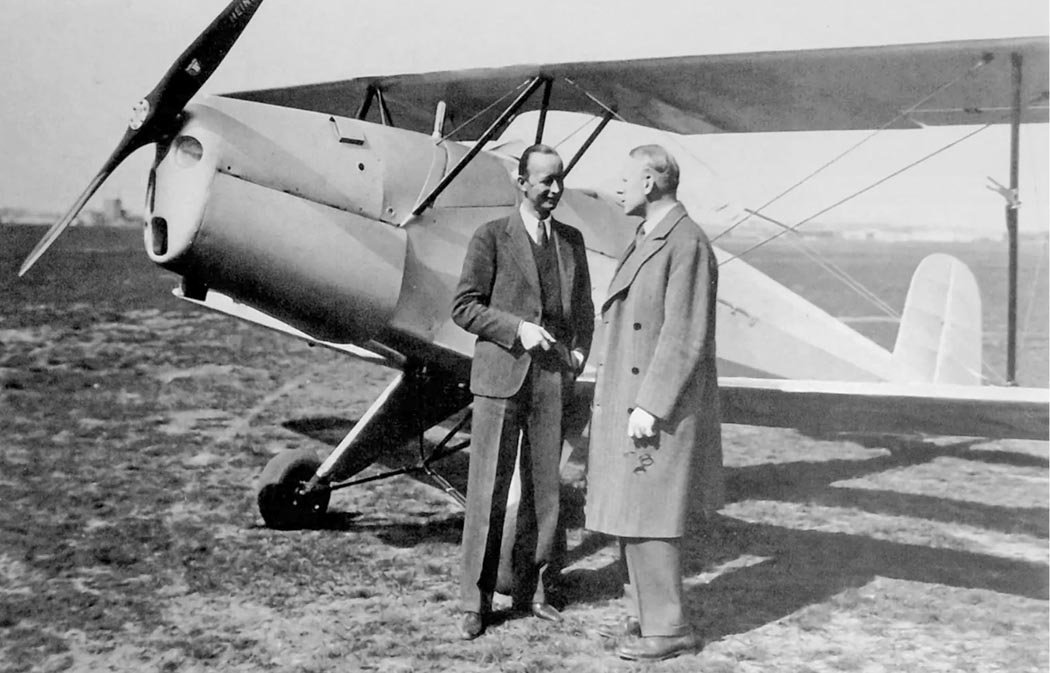
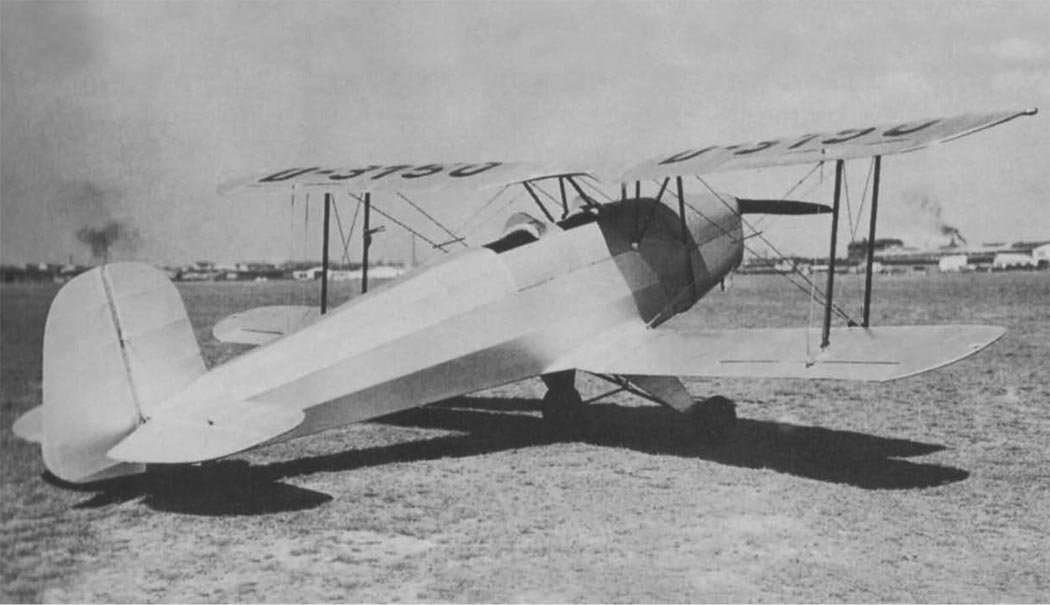
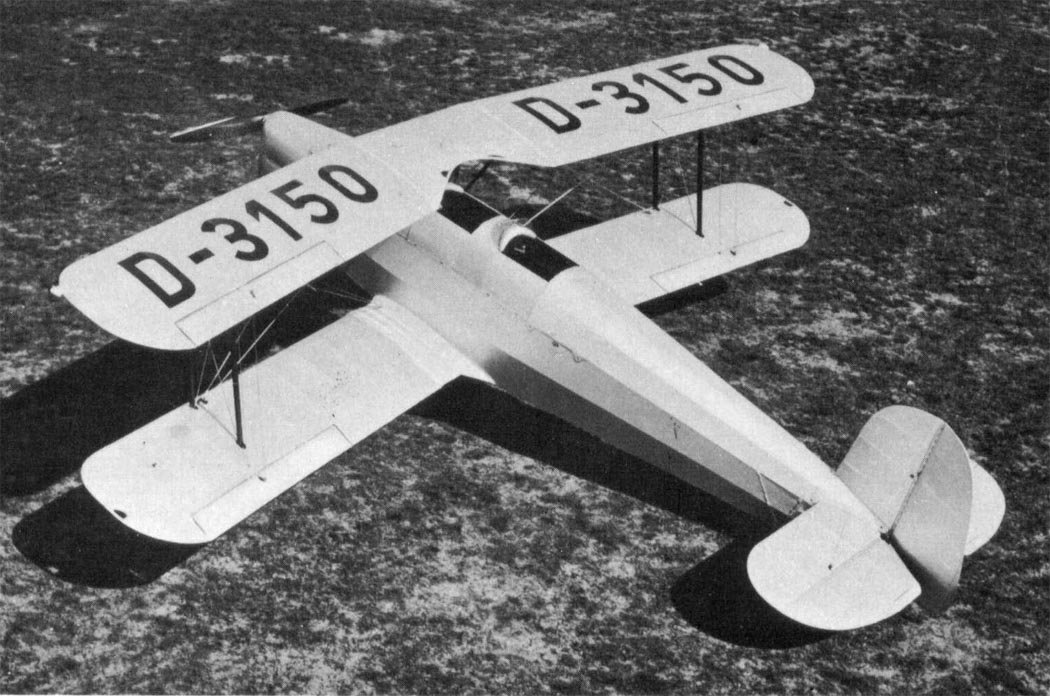
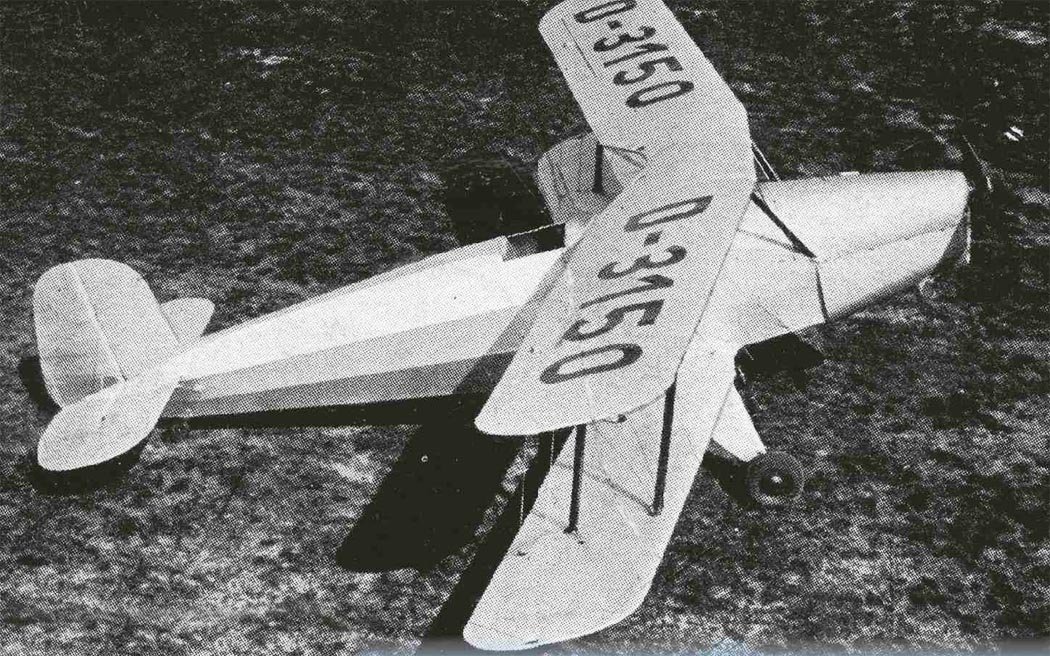
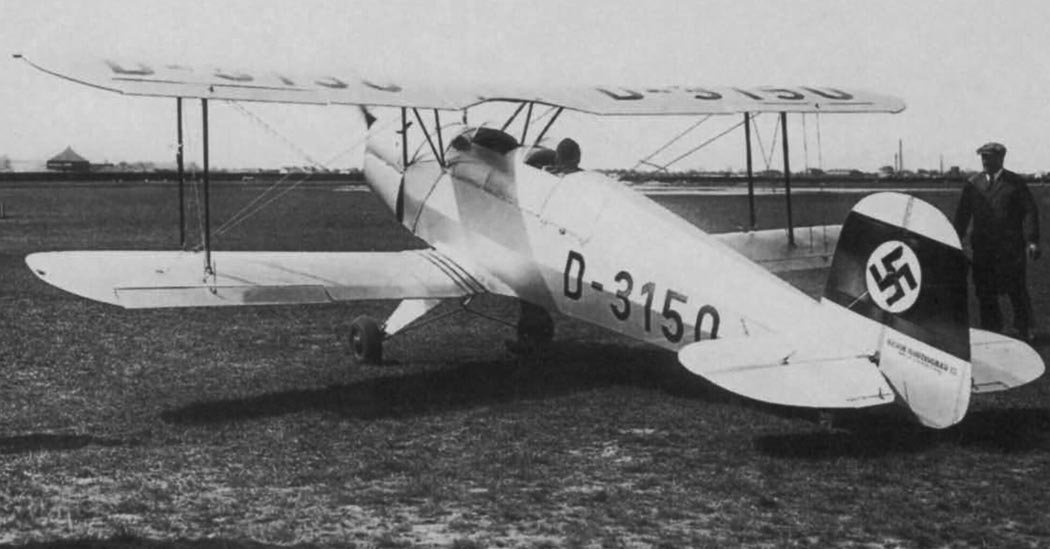
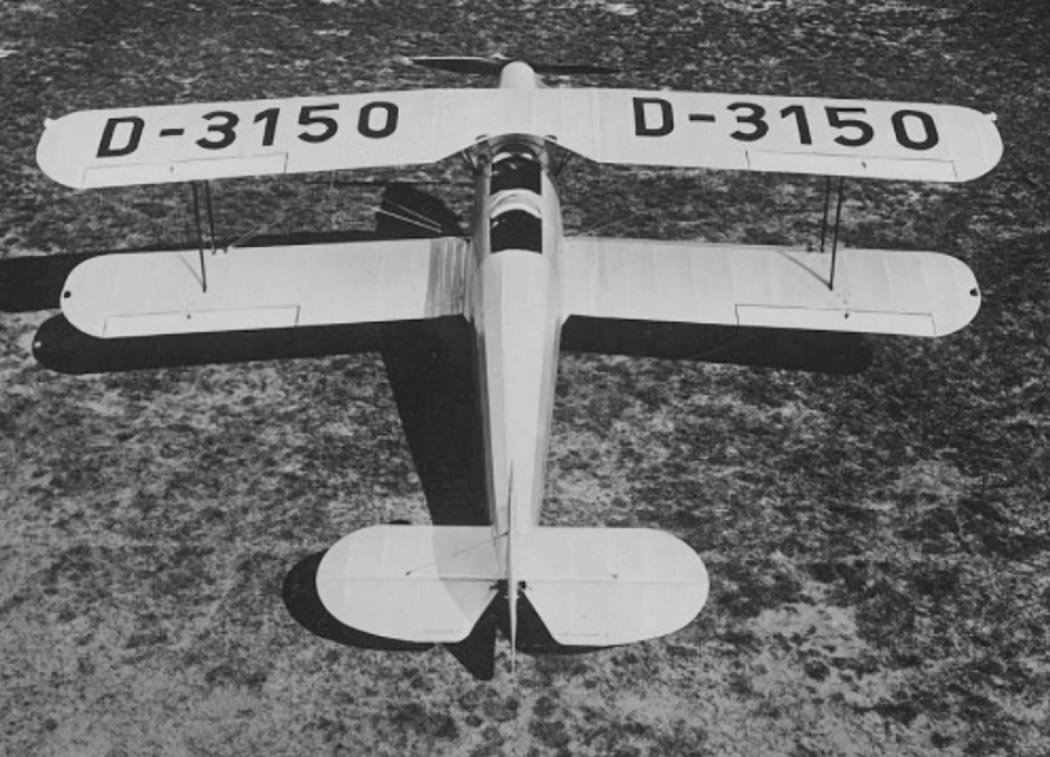
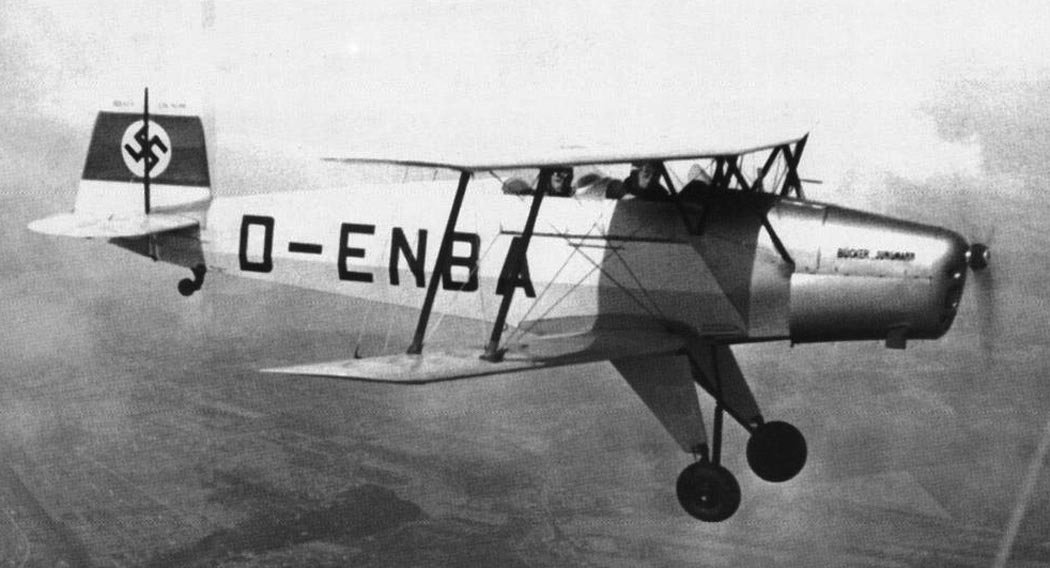
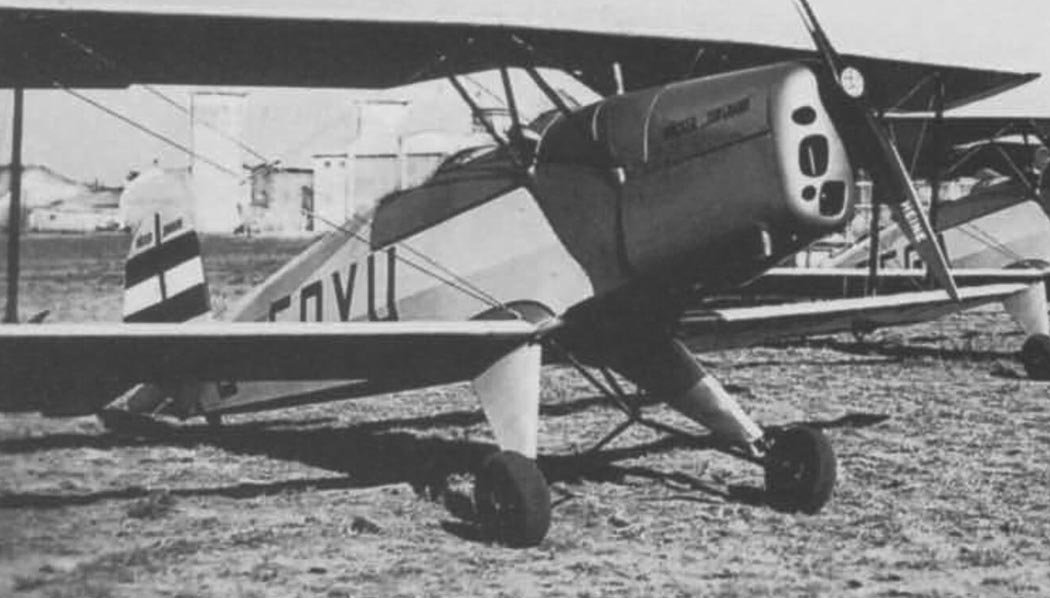
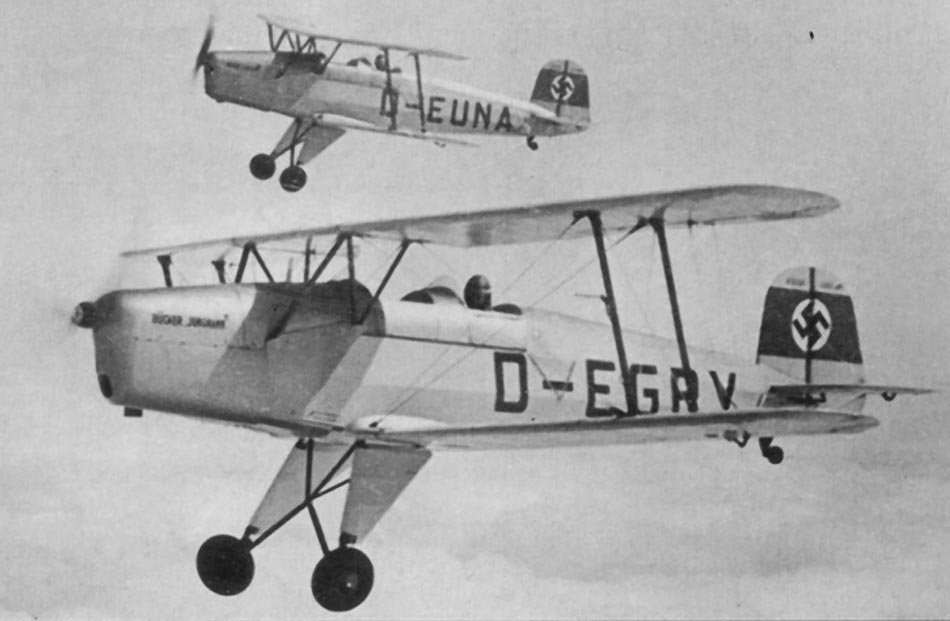
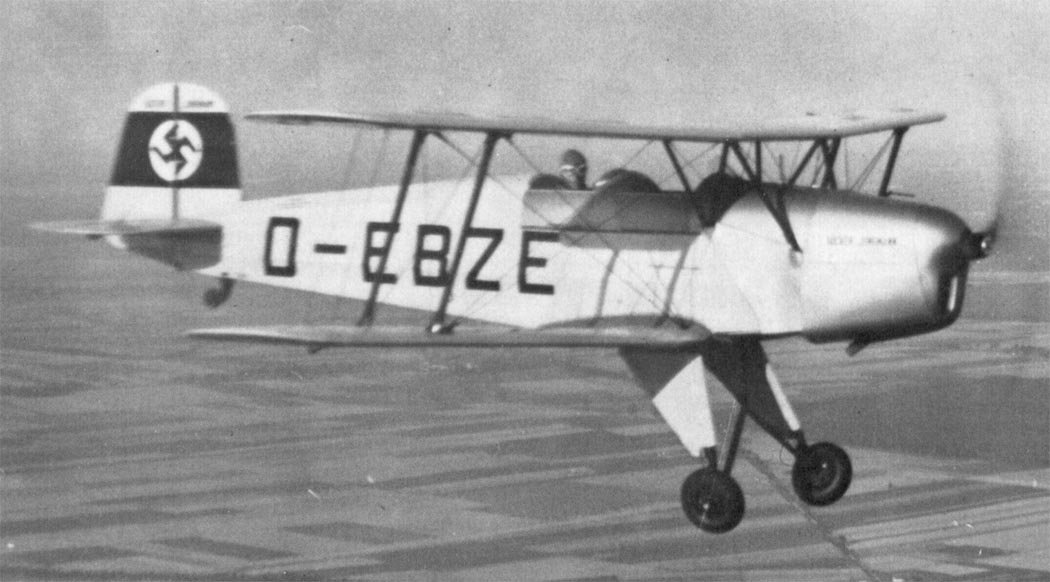
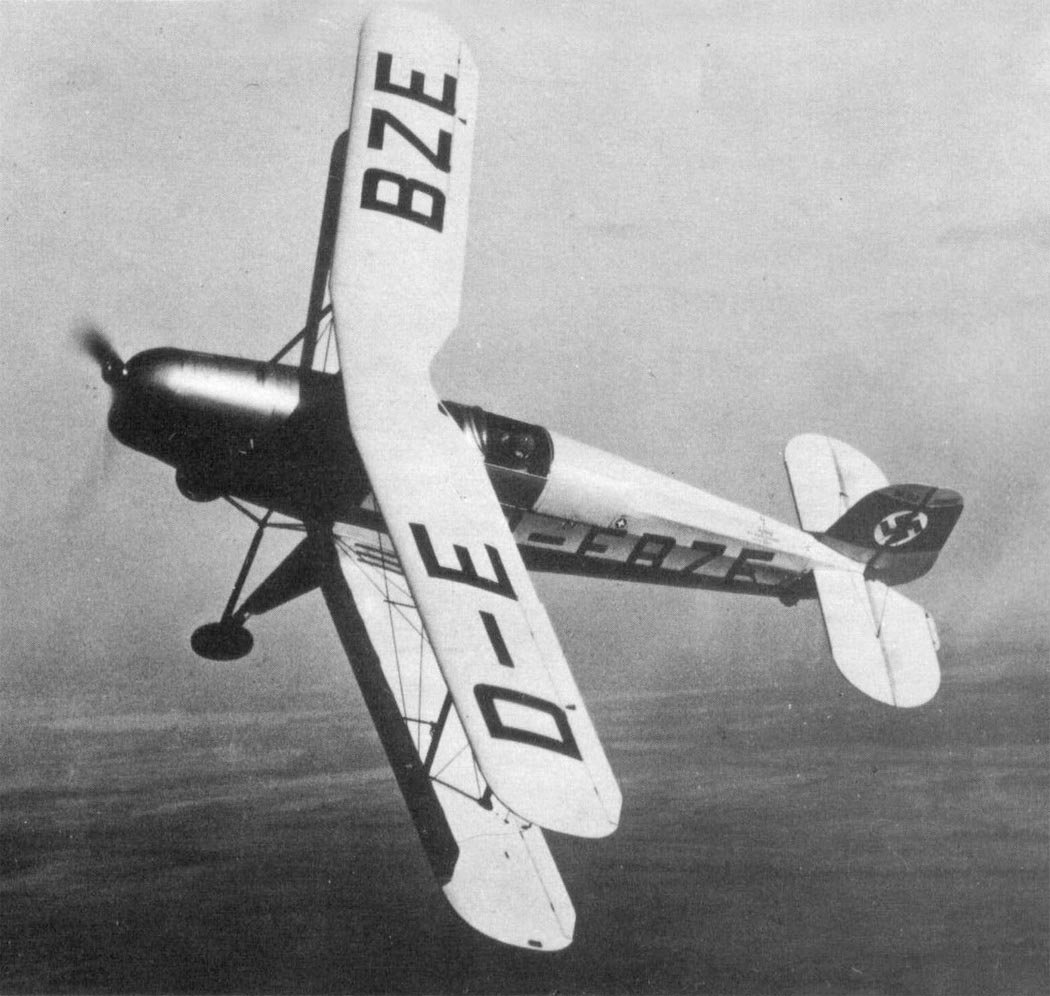
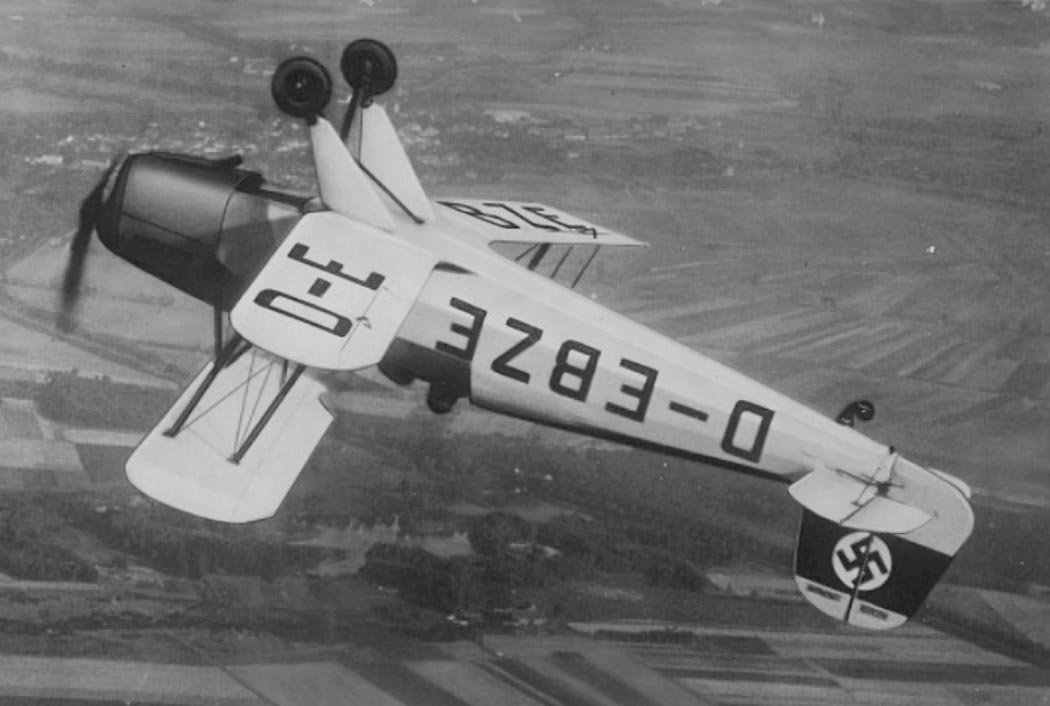
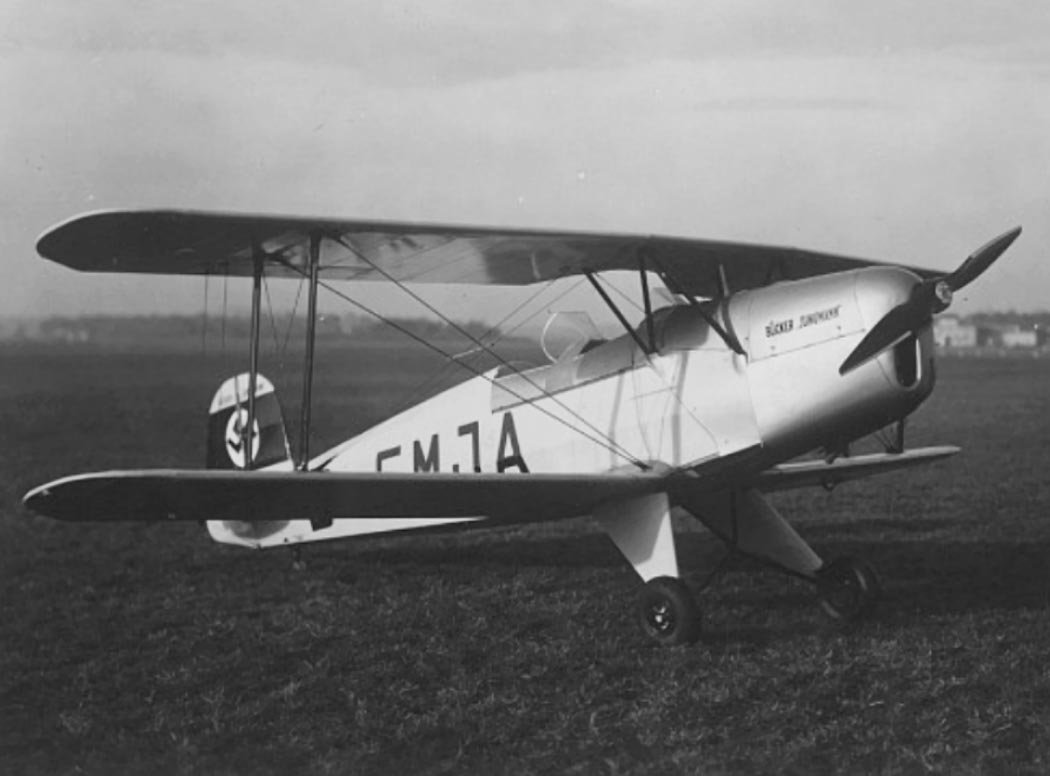
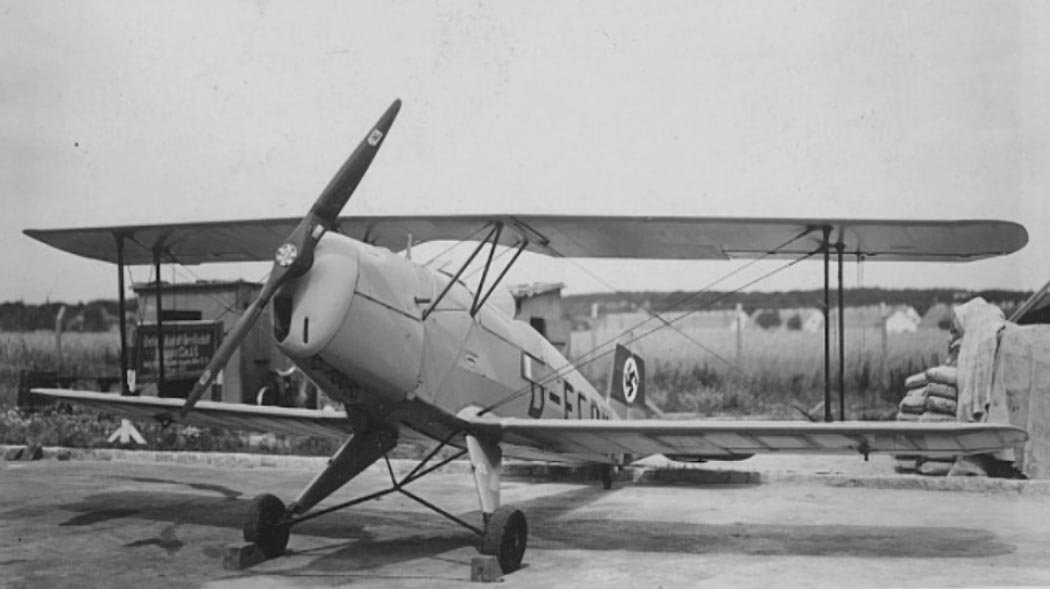
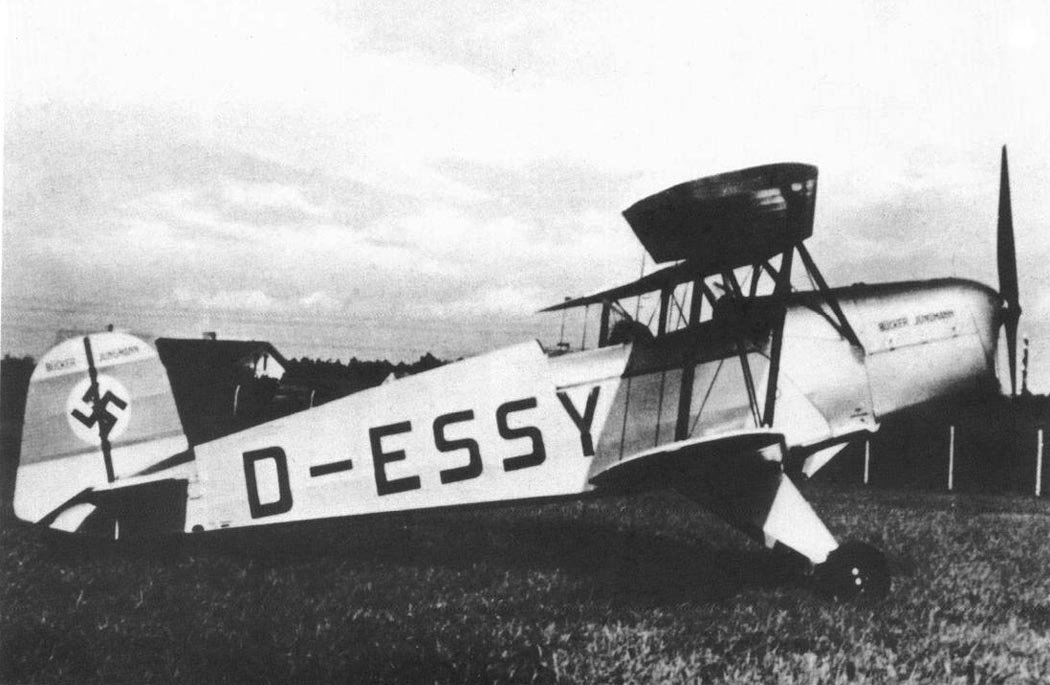
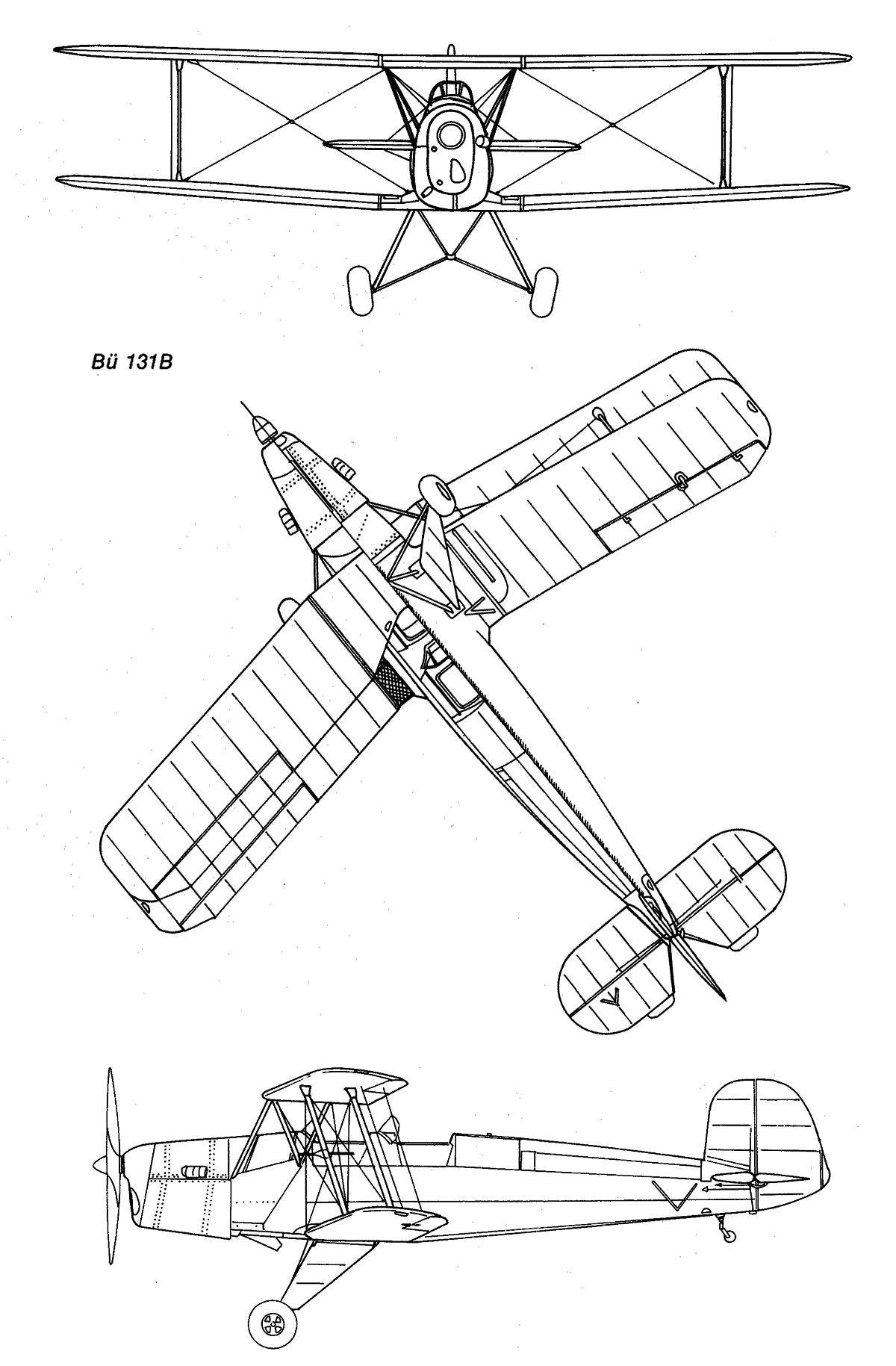
The Bucker Bu 131 Jungmann, a light two-seater training aircraft, became the first series production item of “Bucker Flugzeugbau GmbH,” founded in 1932 in Johannisthal. Designed under the leadership of chief engineer Anders Andersson, it was a typical biplane with slightly swept wings. The fuselage frame was made of steel tubes, while the cockpit cowling and engine hood were of light alloys, with the rest of the covering being fabric.
Wing structural elements were crafted from glued wood and covered with fabric. The tail unit was structurally similar to the fuselage. It featured a non-retractable, three-point landing gear with a tail wheel. The prototype, equipped with an 80 hp Hirth HM 60K engine, made its maiden flight on April 27, 1934.
A Successful Trainer’s Broad Adoption
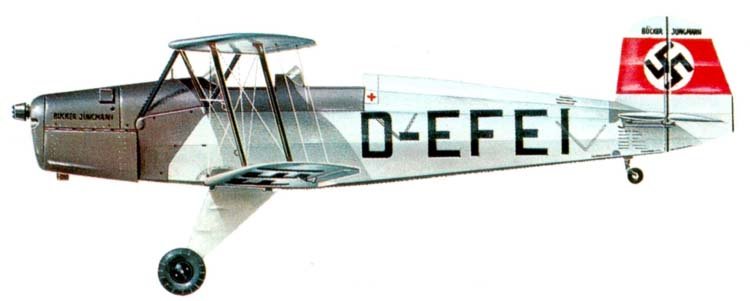
The first production variant, the Bu 131A, proved to be a highly successful aircraft. These planes were built not only for German civilian flight schools but were also extensively used by the Luftwaffe. The trainer biplanes were exported to eight European countries, with Hungary (100 aircraft) and Romania (150) being the largest importers. An additional 75 aircraft were assembled under license in Switzerland.
Global License Production and Variants
Mass production under license also took place in Japan, where 1037 Nippon Kokusai Ki-86a aircraft were built. These entered service with the Imperial Japanese Army Air Force as the Type 4 Primary Trainer. Following the Army series, a version for the Naval Air Force, designated Navy Type 2 Trainer Model 11 (or K9W1 Momiji), was produced by Hitachi and Kyushu factories. The exact number for the Japanese Navy is unknown, but estimated between 217 and 339.
All Japanese-built aircraft, code-named “Cypress” by the Allies, were equipped with 110 hp engines. They were designated Hitachi (Ha-47) 11 in the Army Air Force and Hitachi GK4A Hatsukaze 11 in the Navy. A single experimental all-wooden Ki-86B was built, but its flight performance during tests was unsatisfactory.
World War II Service and Enduring Legacy
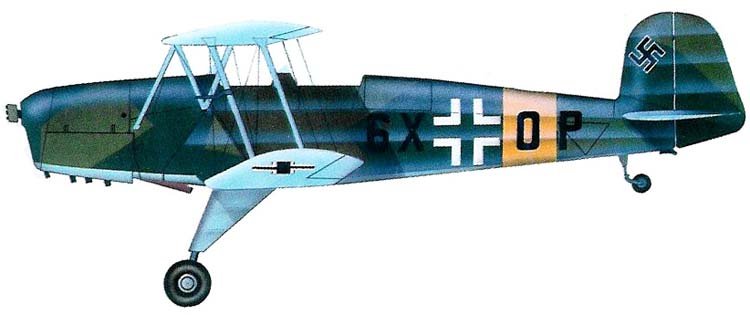
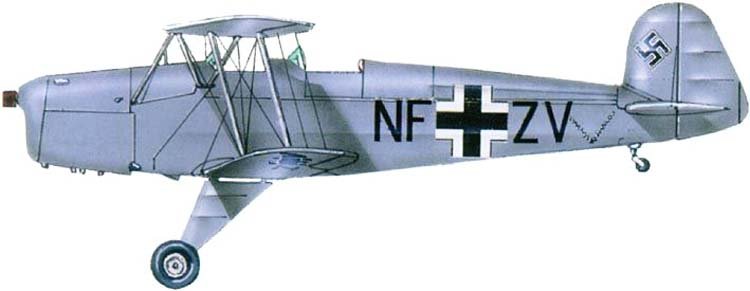
The Jungmann aircraft remained in service with the Luftwaffe throughout World War II, despite the development of the more advanced Bu 181 intended as its replacement. Both types were even deployed on the front lines in night bomber units and for anti-partisan operations. Armed with one- and two-kilogram bombs, these aircraft were used for harassing night raids against Soviet troops.
A significant number of aircraft survived the war, and in Czechoslovakia, the “Aero” company continued serial production of the Jungmann in the 1950s under the designation C-4 (C-104).
Technical Specifications
| Modification | Bu.131B |
| Wingspan, m | 7.40 |
| Length, m | 6.62 |
| Height, m | 2.25 |
| Wing area, m2 | 13.50 |
| Empty weight | 390 |
| Maximum takeoff weight | 680 |
| Engine type | 1 Piston engine Hirth HM 504A-2 |
| Power, hp | 1 x 10⁵ |
| Maximum speed, km/h | 183 |
| Cruising speed, km/h | 162 |
| Practical range, km | 650 |
| Practical ceiling, m | 3000 |
| Crew | 2 |
Image and diagram gallery of the Bu.131 Jungmann
 Bu.131 Jungmann |
 Bu.131 Jungmann |
 Bu.131 Jungmann |
 Bu.131 Jungmann |
 Bu.131 Jungmann |
 Bu.131 Jungmann |
 Bu.131 Jungmann |
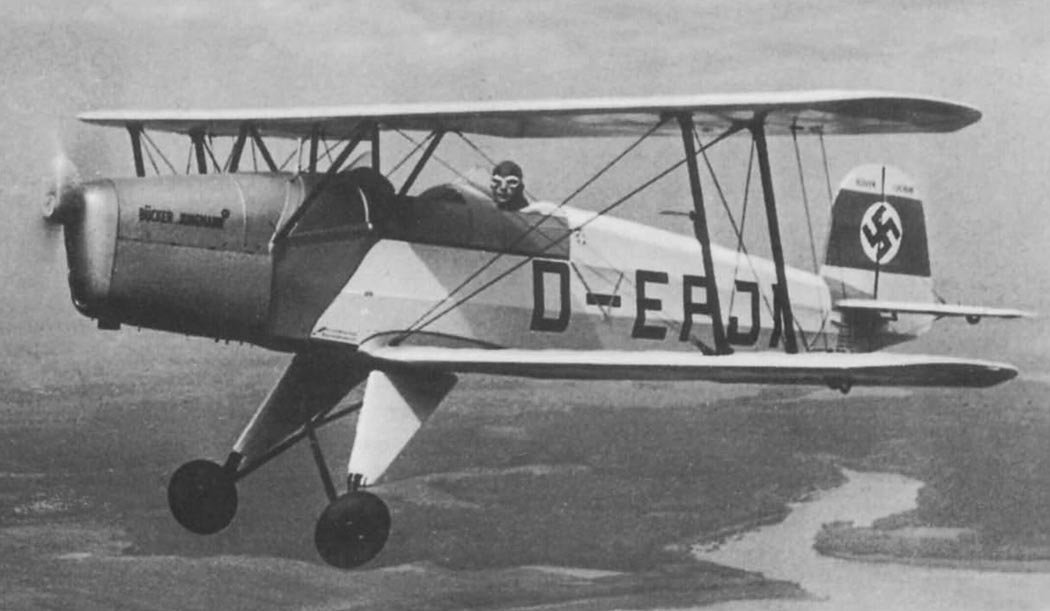 Bu.131 Jungmann |
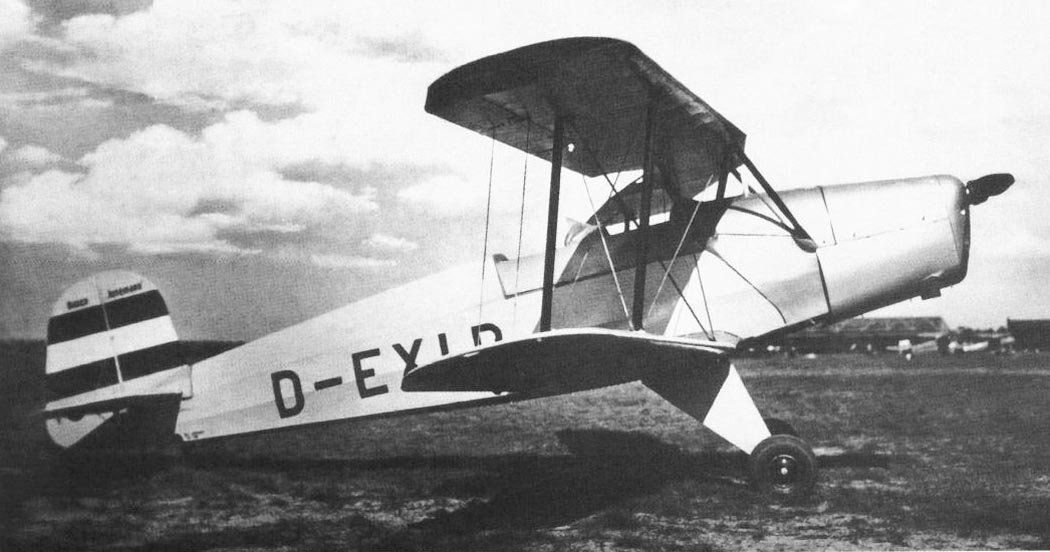 Bu.131 Jungmann |
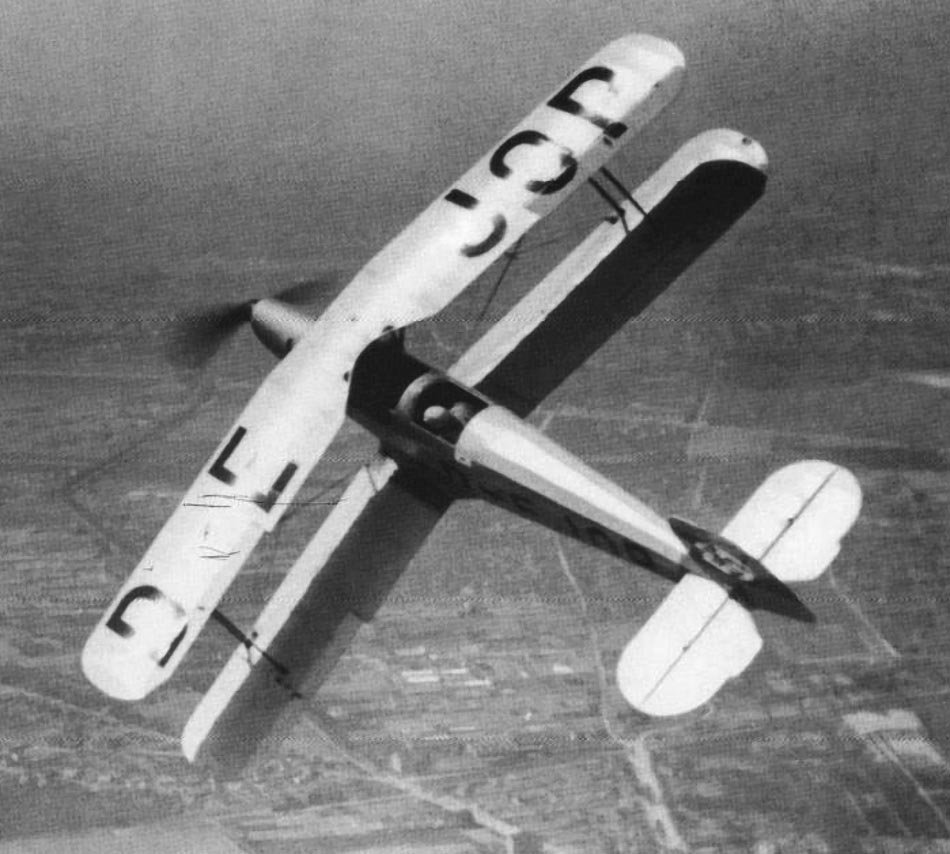 Bu.131 Jungmann |
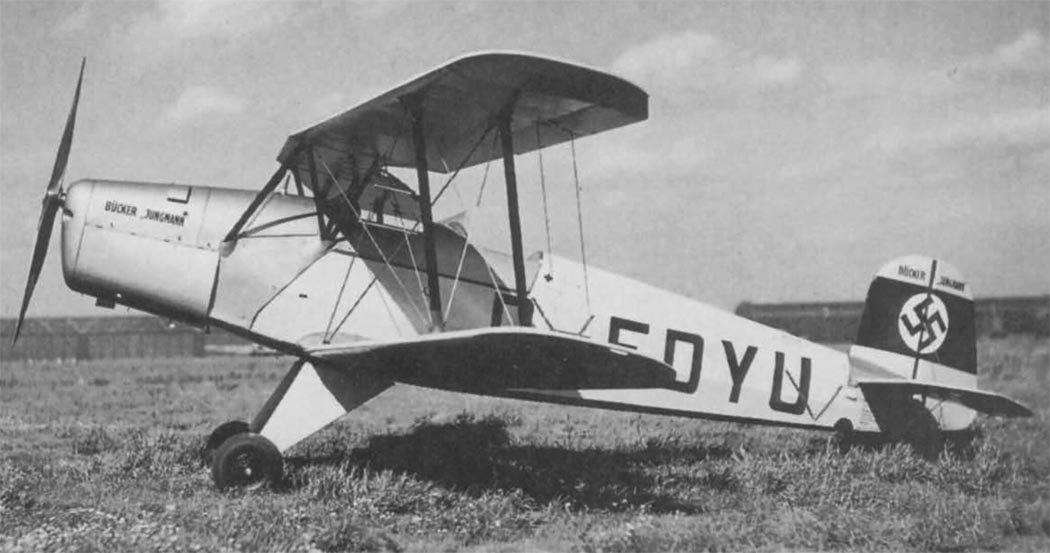 Bu.131 Jungmann |
 Bu.131 Jungmann |
 Bu.131 Jungmann |
 Bu.131 Jungmann |
 Bu.131 Jungmann |
 Bu.131 Jungmann |
 Bu.131 Jungmann |
 Bu.131 Jungmann |
 Bu.131 Jungmann |
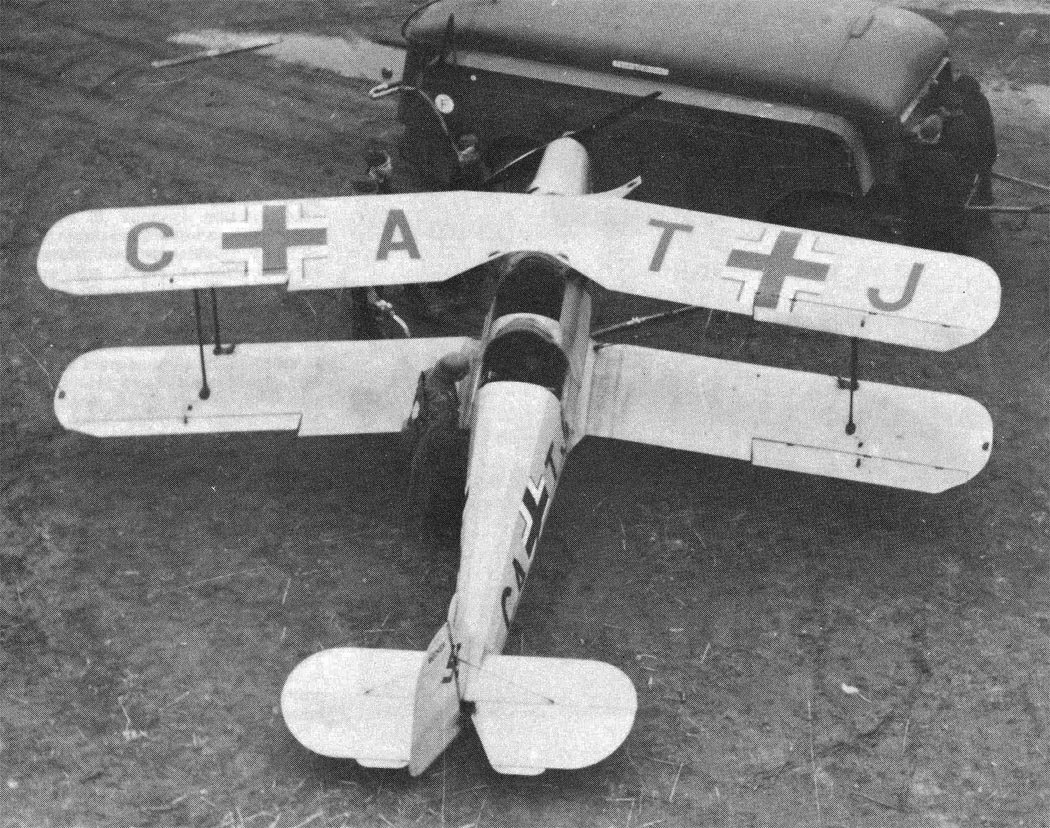 Bu.131 Jungmann |
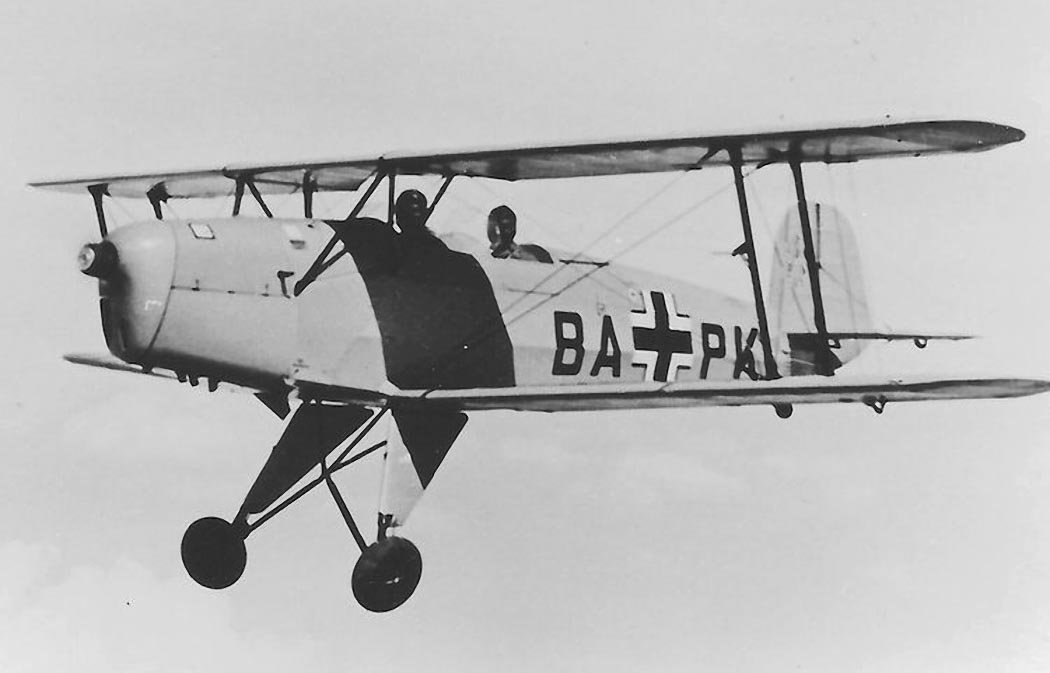 Bu.131 Jungmann |
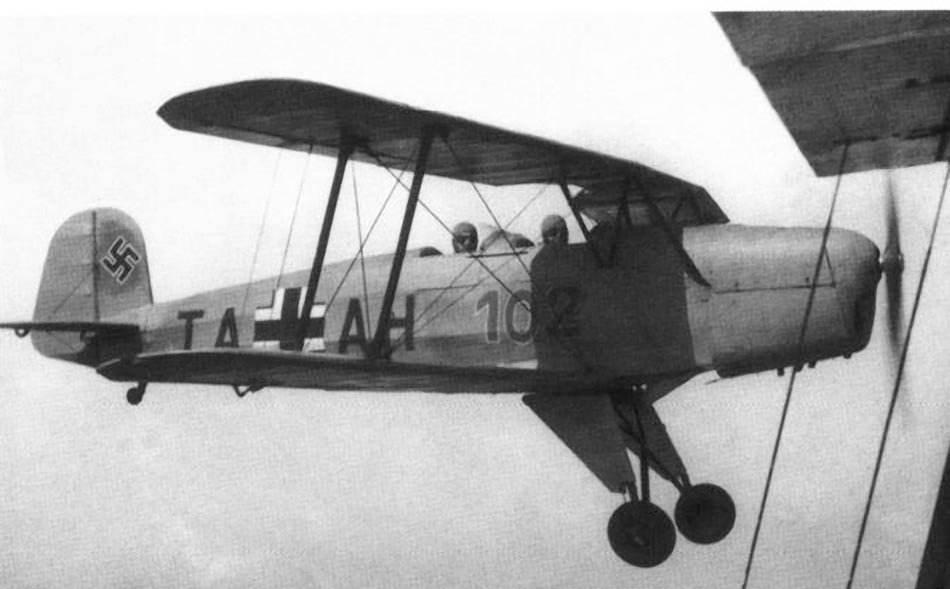 Bu.131 Jungmann |
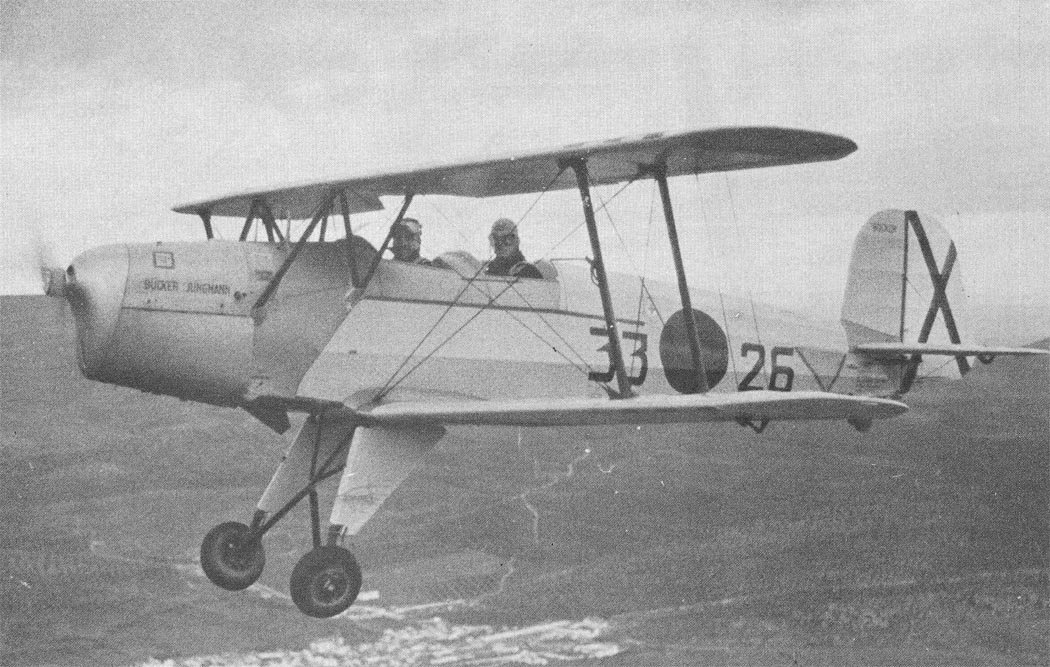 Bu.131 Jungmann |
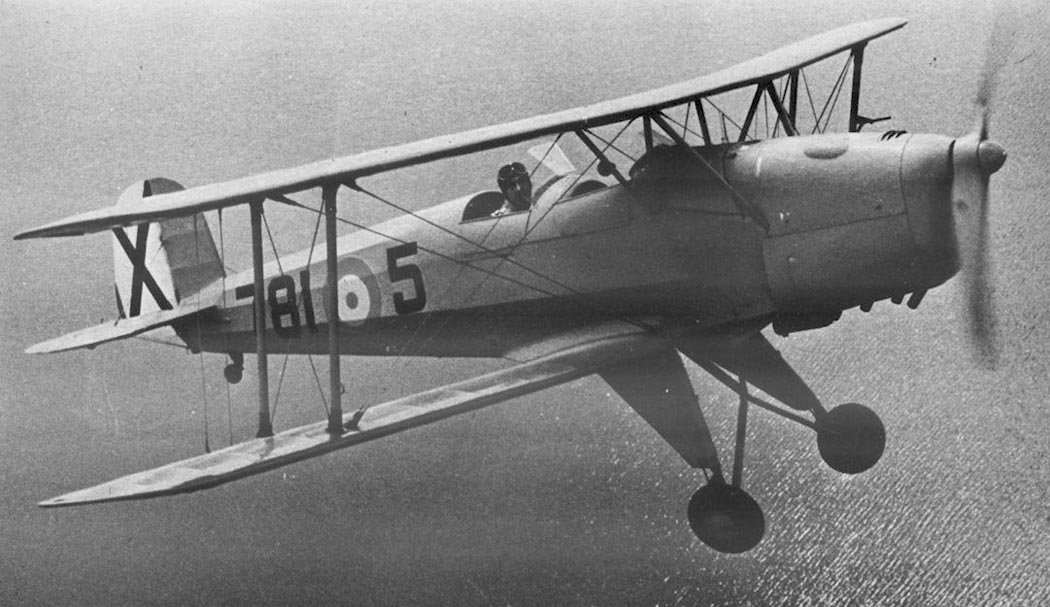 Bu.131 Jungmann |
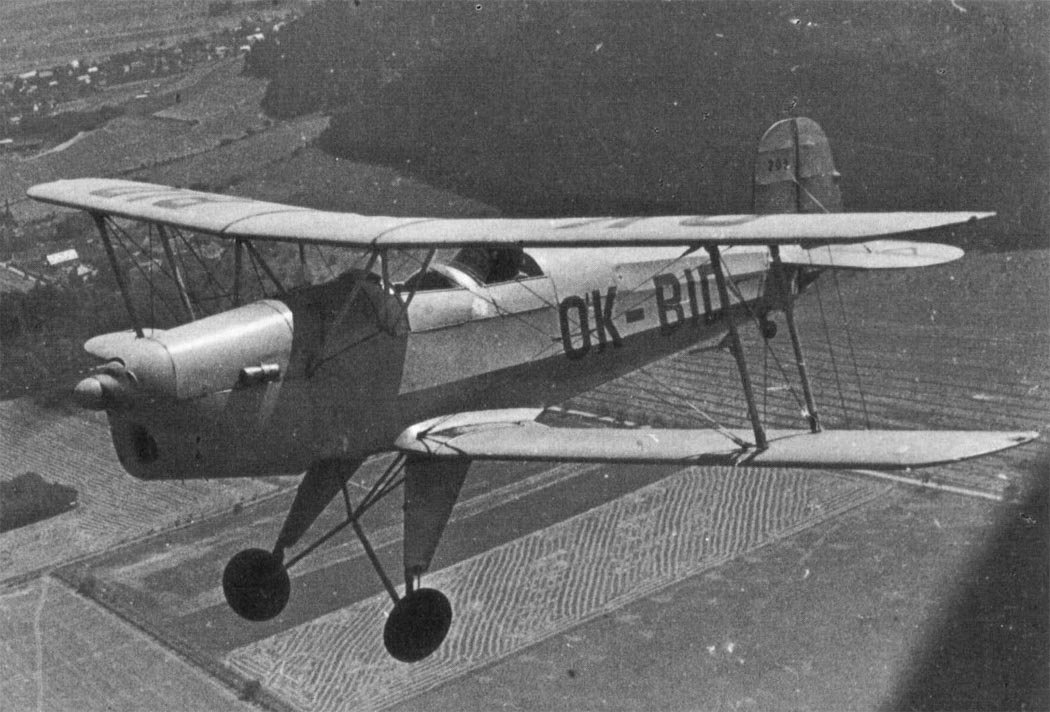 Bu.131 Jungmann |
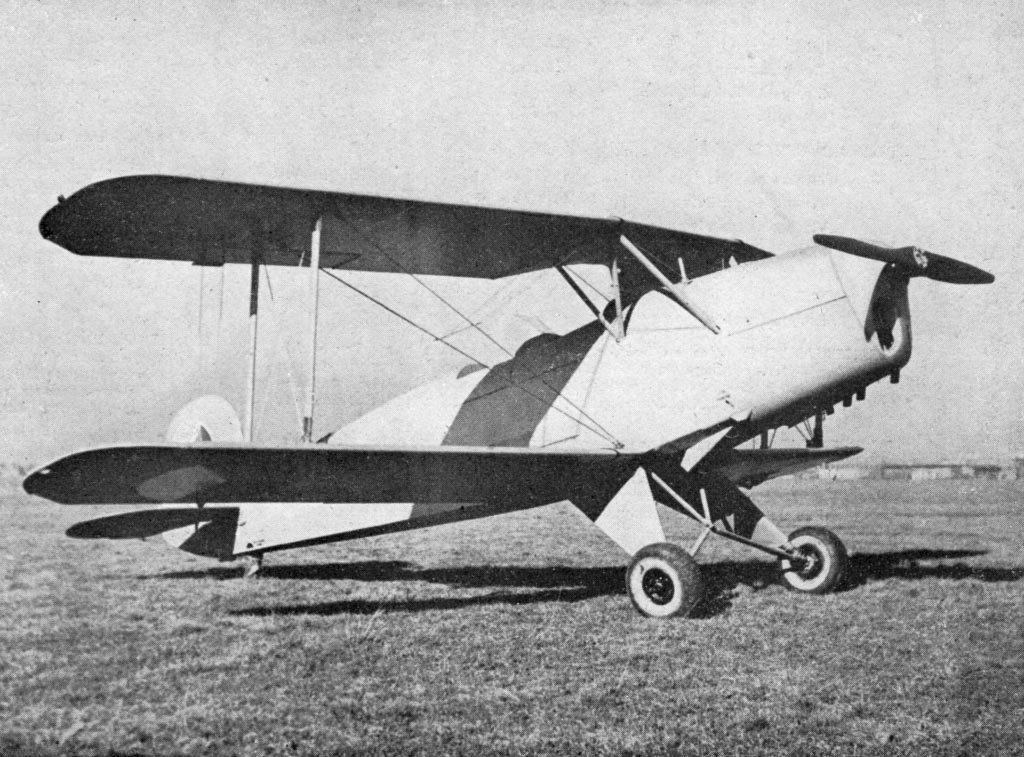 Bu.131 Jungmann |
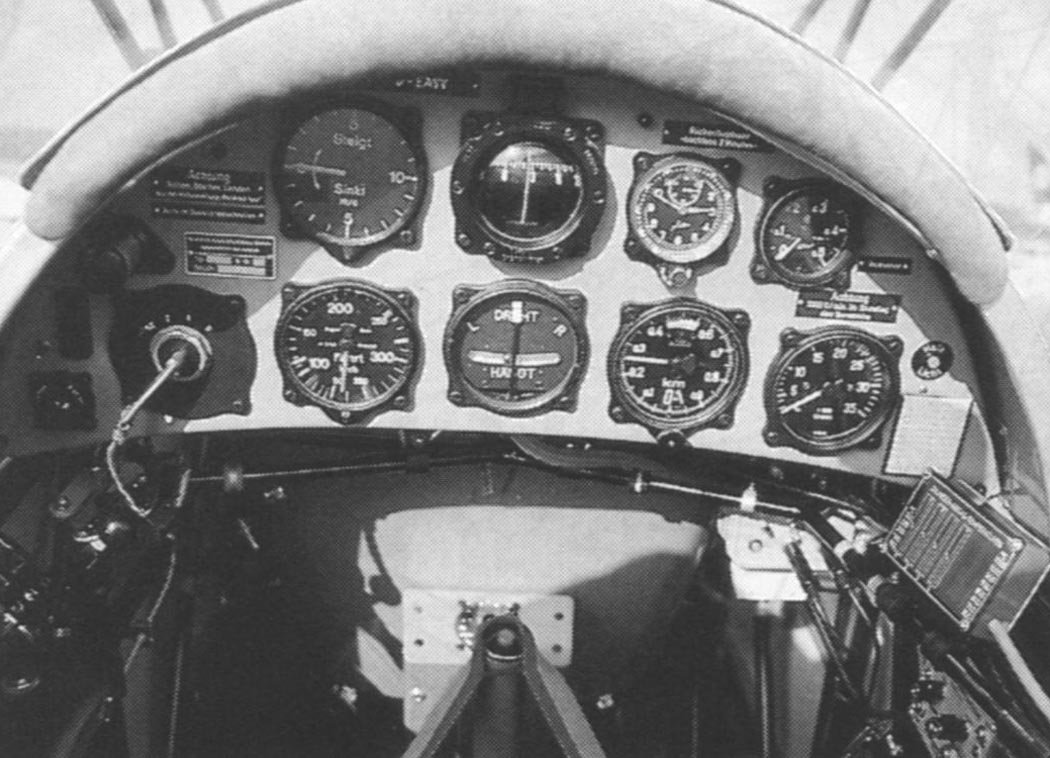 Bu.131 Jungmann |
 Bu.131 Jungmann |
 Bu.131 Jungmann |
 Bu.131 Jungmann |
 Bu.131 Jungmann |
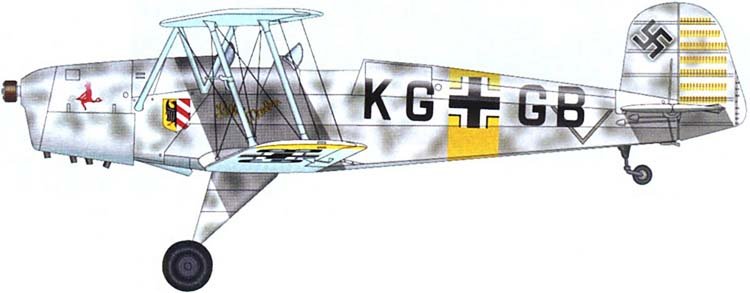 Bu.131 Jungmann |
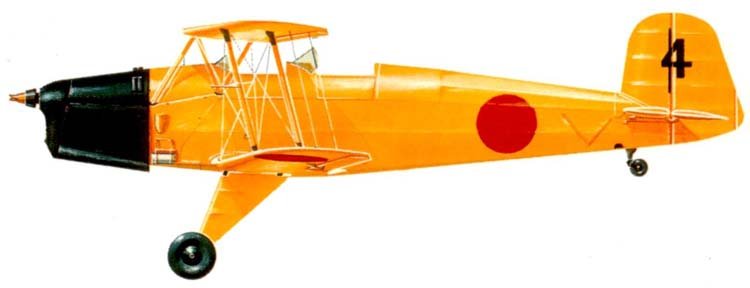 Bu.131 Jungmann |
ArchivoAéreo Editorial Team
A group of aviation researchers and enthusiasts dedicated to documenting and preserving global aeronautical history. All articles are reviewed to ensure historical accuracy.
Sources & Accuracy
The information presented in this technical sheet has been compiled from declassified flight manuals, historical archives, and specialized literature. While we strive for maximum accuracy, some performance data may vary depending on the specific variant or operational conditions.