Budd Conestoga
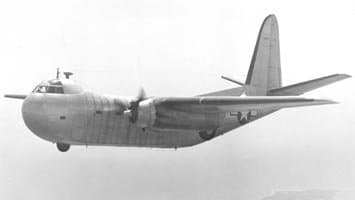
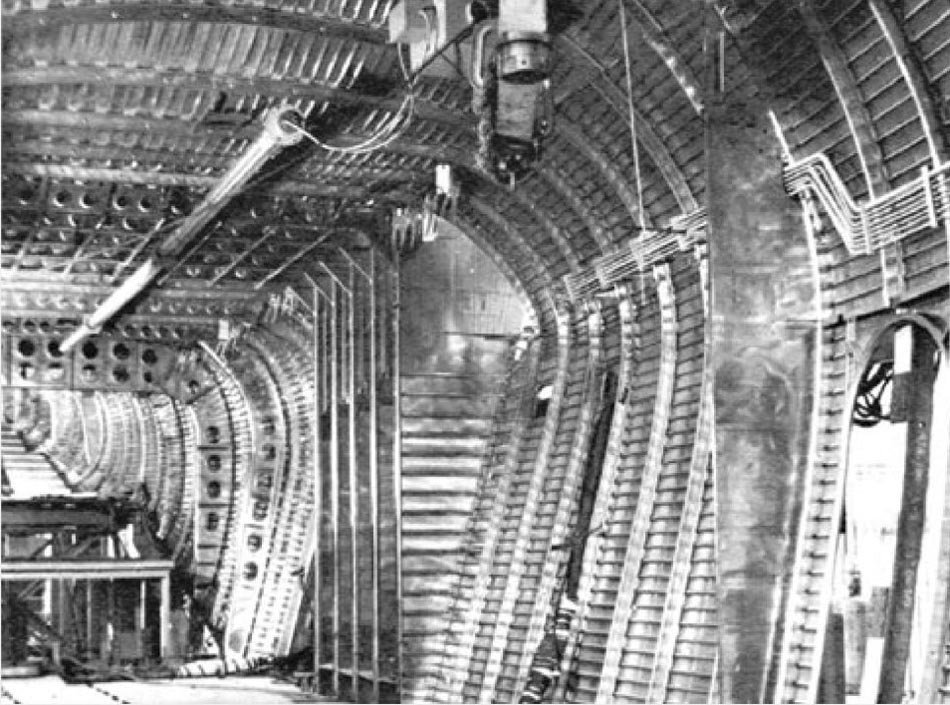
The Budd Conestoga was likely the first large aircraft initially intended to be built primarily from stainless steel. This step was taken due to a forecasted shortage of aluminum alloys at the beginning of World War II, which were traditionally used in aviation, with steel seen as an alternative to aluminum.
Innovative Design and Features
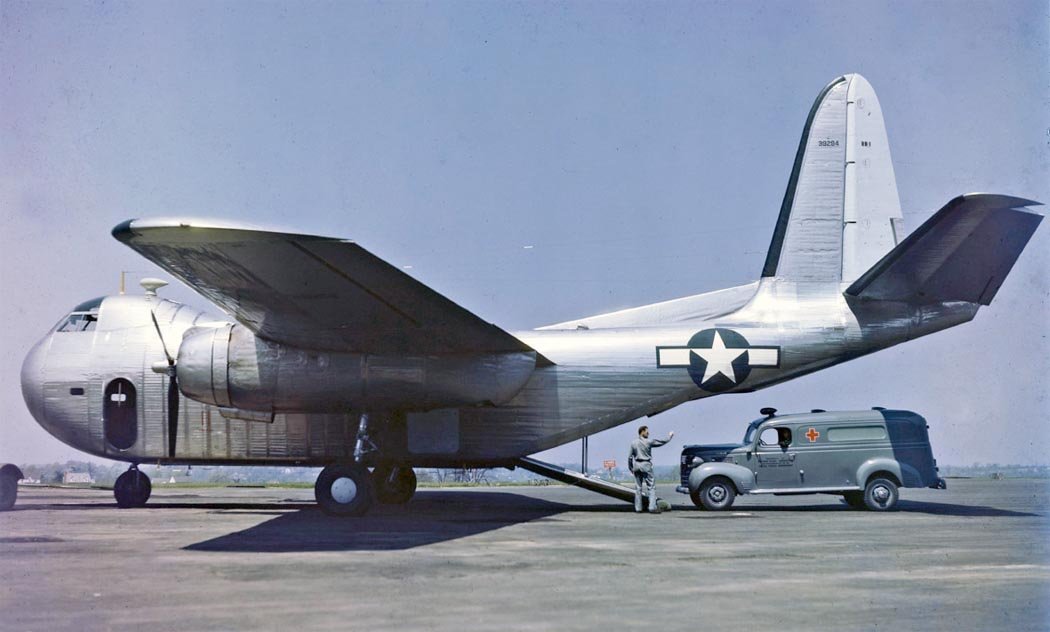
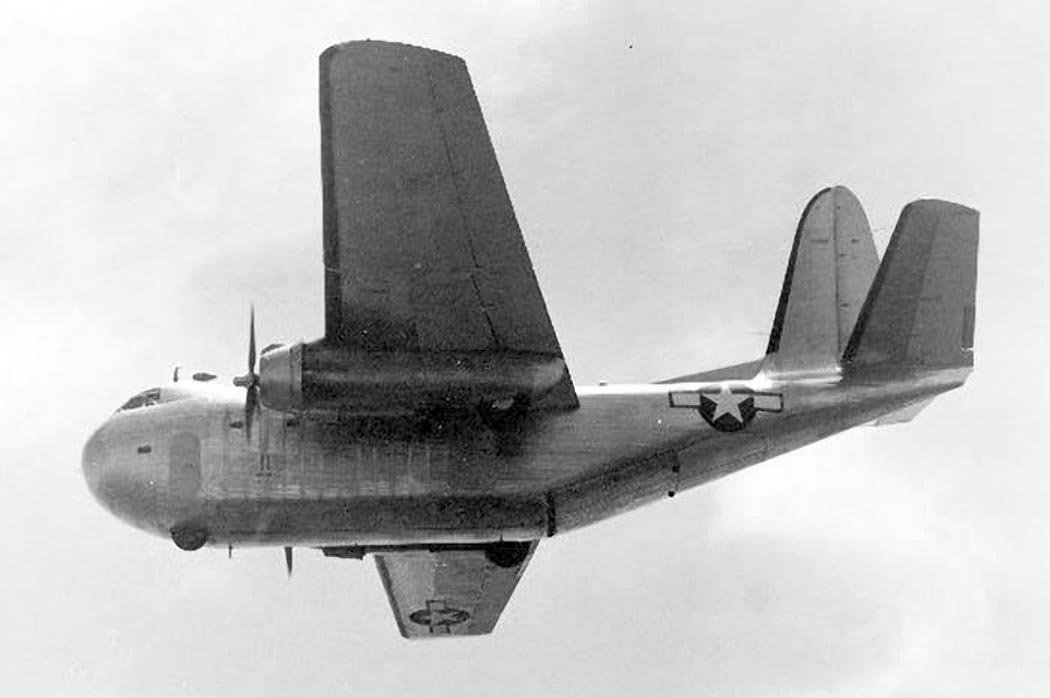
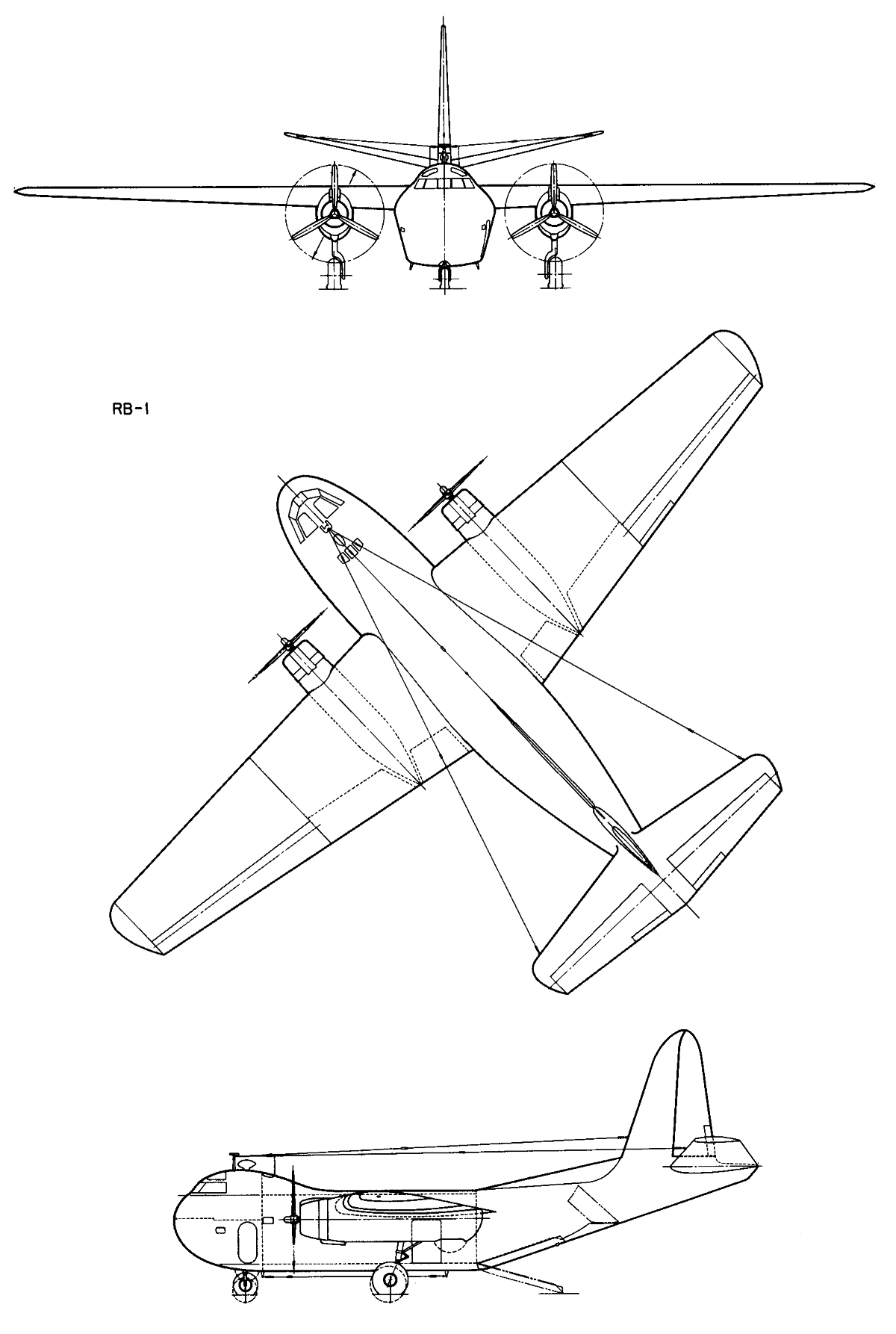
The Conestoga aircraft, designed for transporting people and cargo, was developed by the “Budd Manufacturing Company” in cooperation with the U.S. Navy Bureau of Aeronautics. This high-wing monoplane was constructed mainly from stainless steel, with the skin also being load-bearing steel, except for the fabric-covered flaps, ailerons, elevators, and rudder.
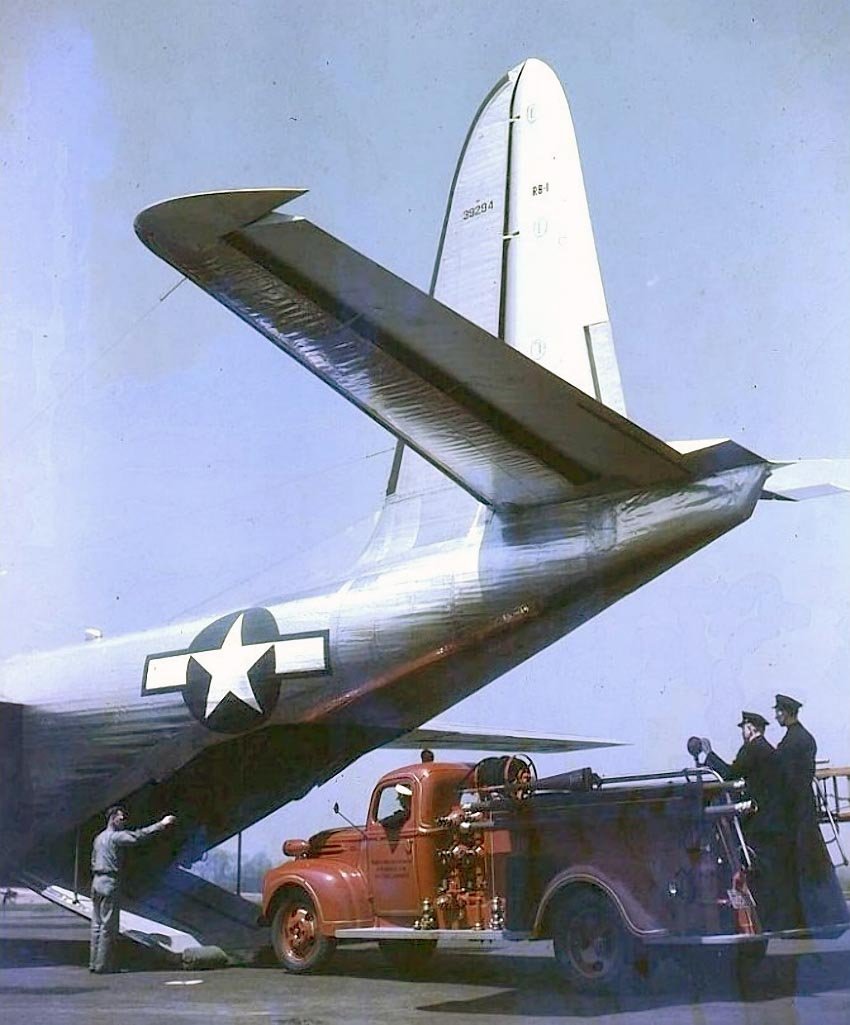
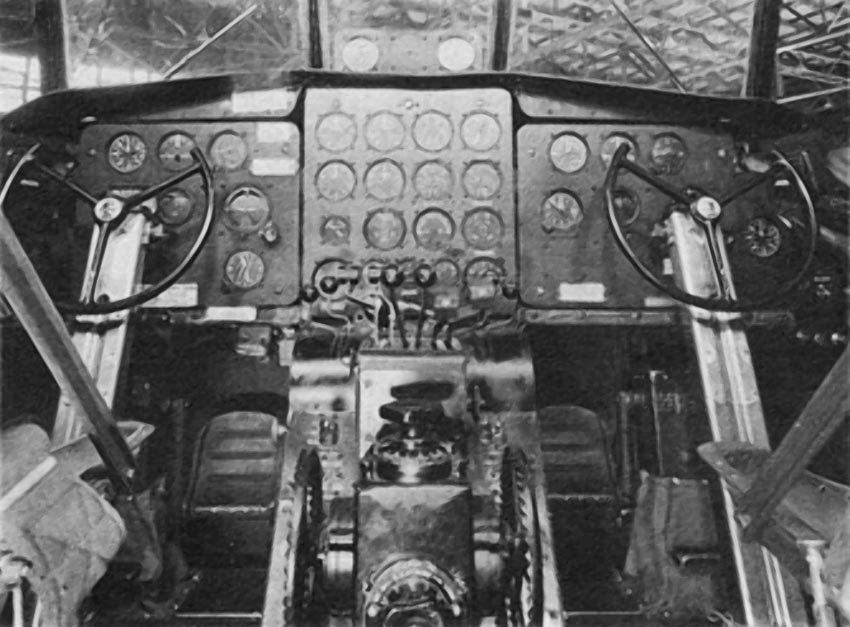
The lower part of the fuselage’s tail section was sloped and featured an electrically operated ramp. The cargo door dimensions were 2.44 x 2.44 meters, allowing vehicles to drive into the cabin independently. The crew cabin was located above the fuselage, enabling the cargo hold to occupy almost the entire fuselage.
The cargo cabin could transport up to 24 fully equipped paratroopers, or 24 wounded on stretchers and 16 seated wounded, or general cargo and equipment. The powerplant included two Pratt & Whitney Twin Wasp radial engines mounted in nacelles on the wing. The landing gear was a tricycle, semi-retractable type.
Contracts and Production Challenges
In August 1942, the U.S. Navy signed a contract with Budd for the construction of 200 aircraft under the designation RB-1. The U.S. Army Air Forces also showed interest, ordering 600 aircraft under the designation C-93.
The prototype made its first flight on October 31, 1943. However, series production was delayed due to the high cost of the aircraft and the alleviation of the aluminum shortage. The U.S. Army Air Forces canceled its contract, and the Navy reduced its order to 25 aircraft, of which only 17 were delivered before the end of the war, but even these were not used as intended.
A Post-War Legacy
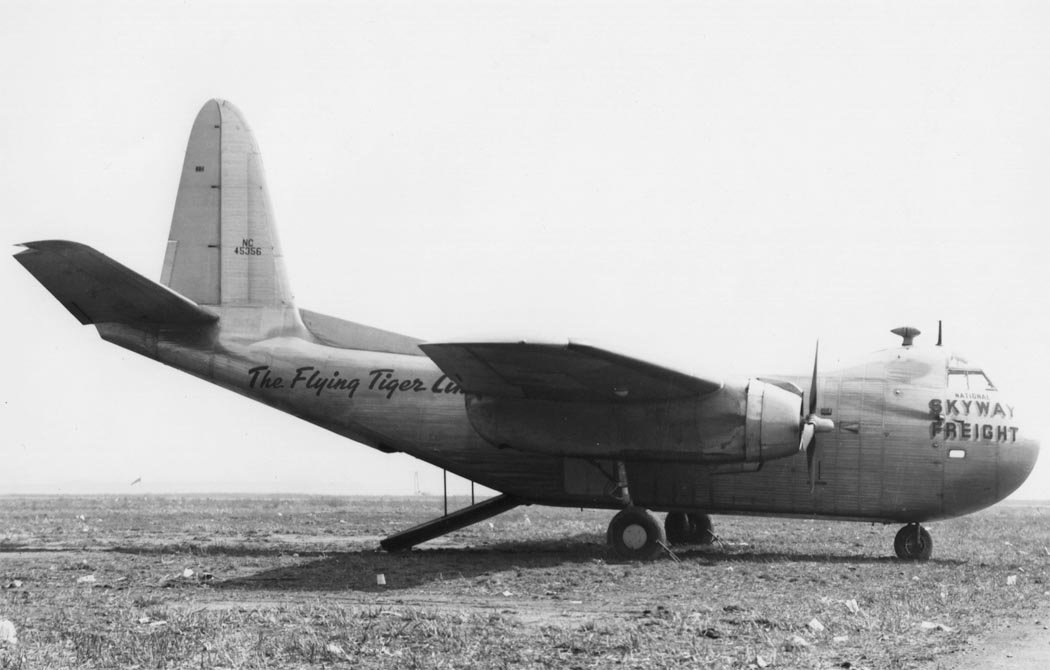
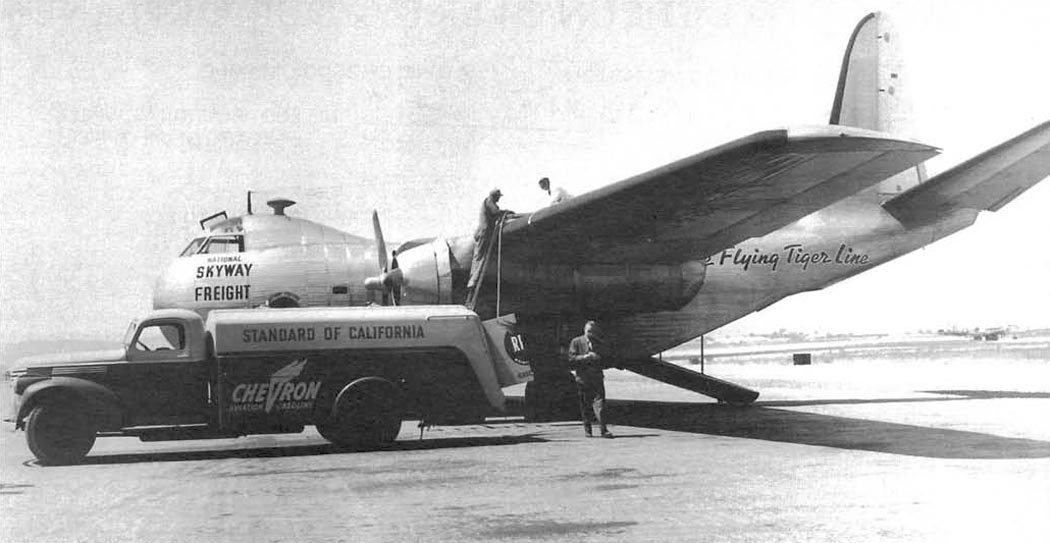
After the war, the aircraft were put up for auction. Fourteen machines were purchased by Robert Prescott, who used them to establish a cargo airline, initially named “National Skyway Freight Corporation” and later known as “Flying Tiger Line”.
Technical Specifications
| Modification | C-93A |
| Wingspan, m | 30.50 |
| Length, m | 20.70 |
| Height, m | 9.68 |
| Wing area, m2 | 130.00 |
| Empty weight | 9150 |
| Normal takeoff weight | 15372 |
| Engine type | 2 Piston engines Pratt Whitney R-1830-92 Twin Wasp |
| Power, hp | 2 x 1200 |
| Maximum speed, km/h | 316 |
| Cruising speed, km/h | 264 |
| Practical range, km | 2590 |
| Practical ceiling, m | 7680 |
| Crew, crew members | 4 |
| Payload: | 24 paratroopers or 24 stretchers and 16 seated patients |
Image and diagram gallery of the Budd Conestoga
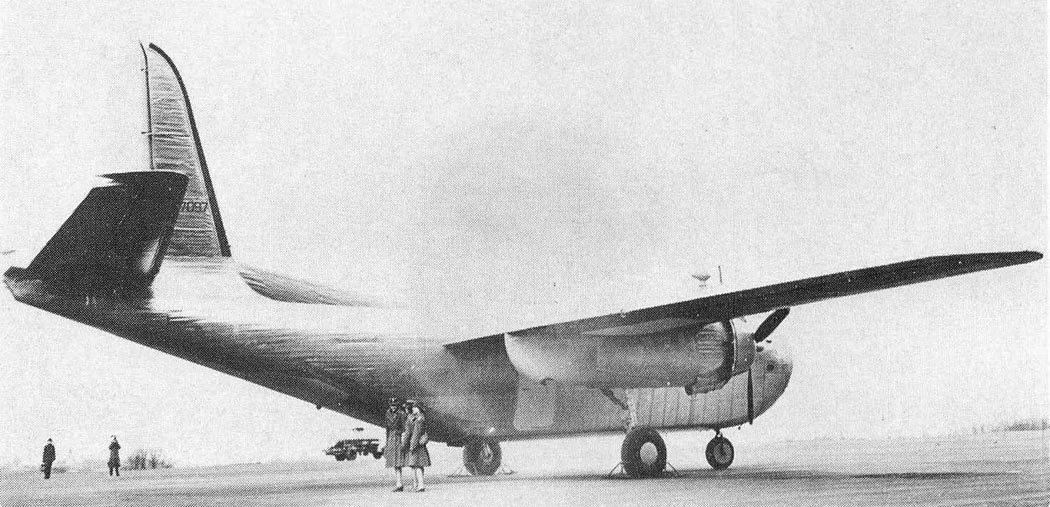 C-93 (RB-1) Conestoga |
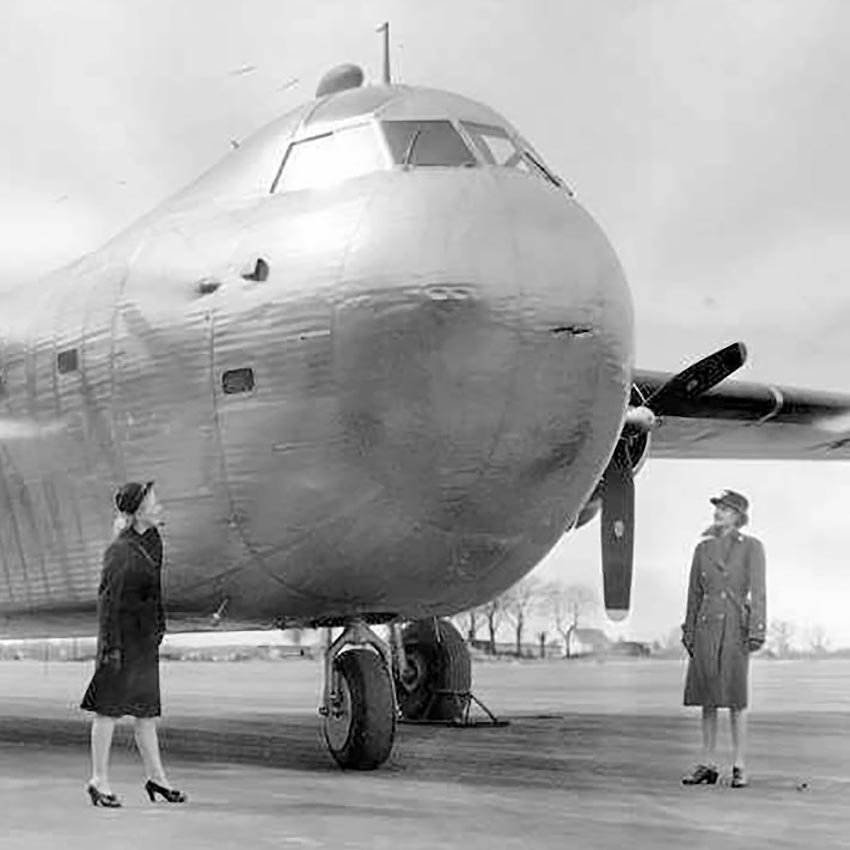 C-93 (RB-1) Conestoga |
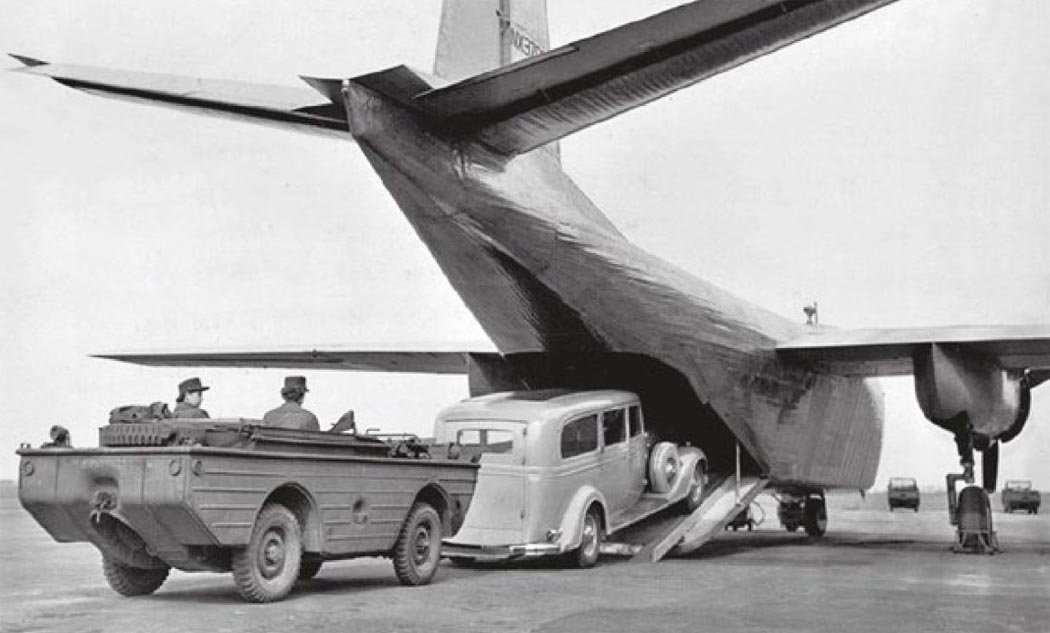 C-93 (RB-1) Conestoga |
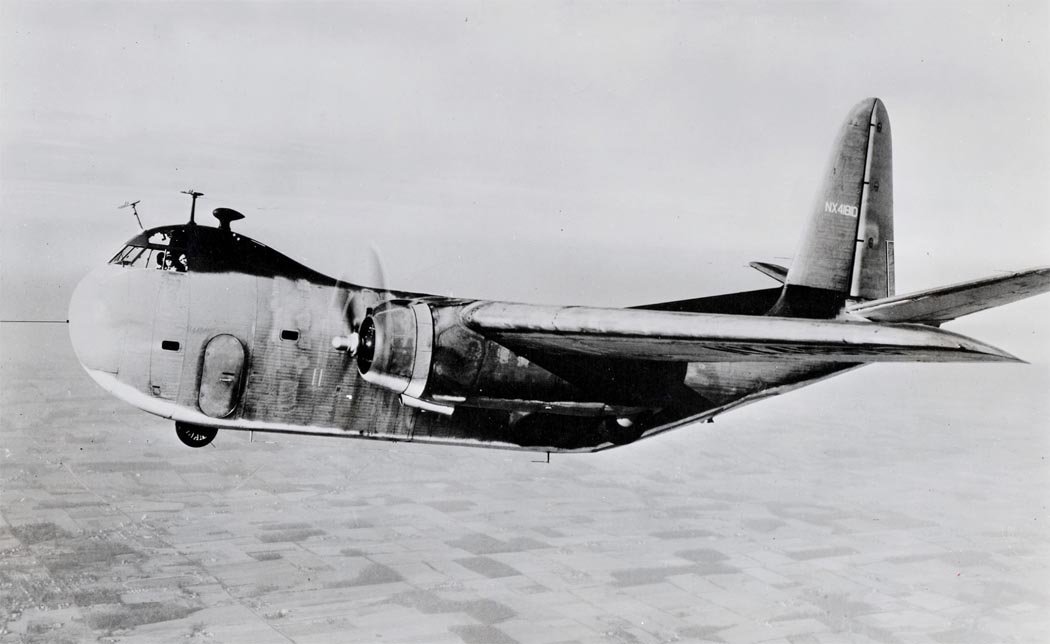 C-93 (RB-1) Conestoga |
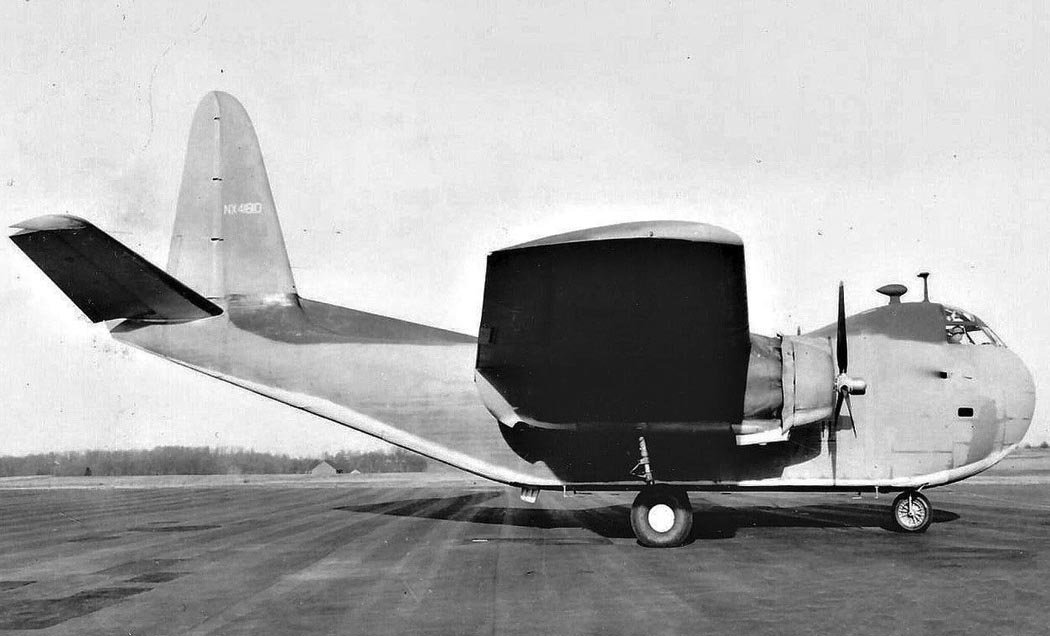 C-93 (RB-1) Conestoga |
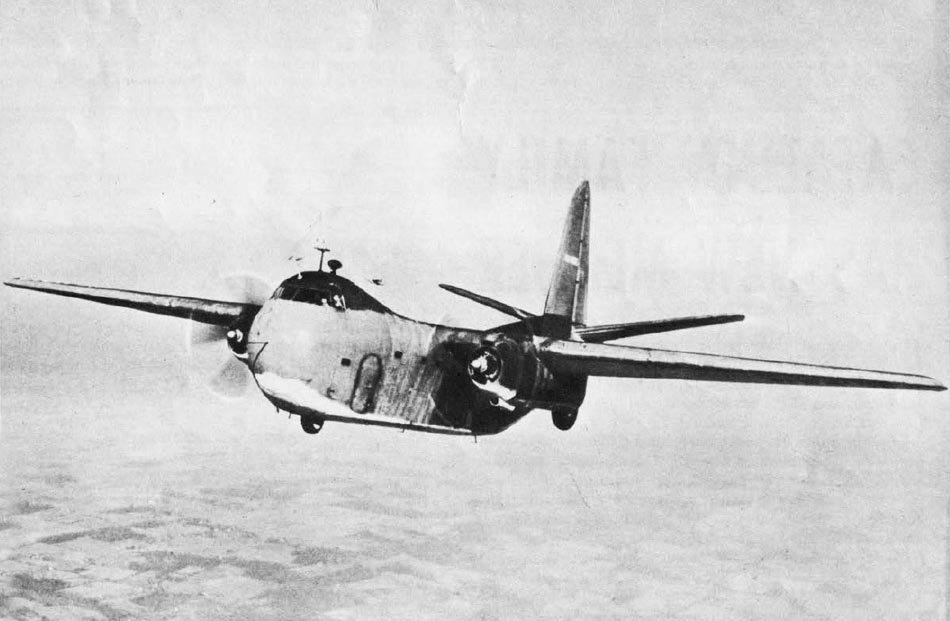 C-93 (RB-1) Conestoga |
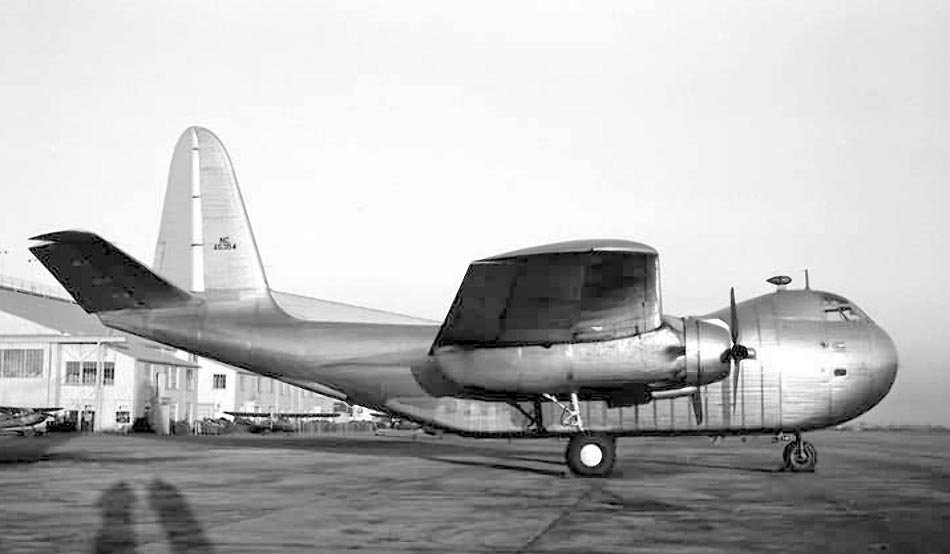 C-93 (RB-1) Conestoga |
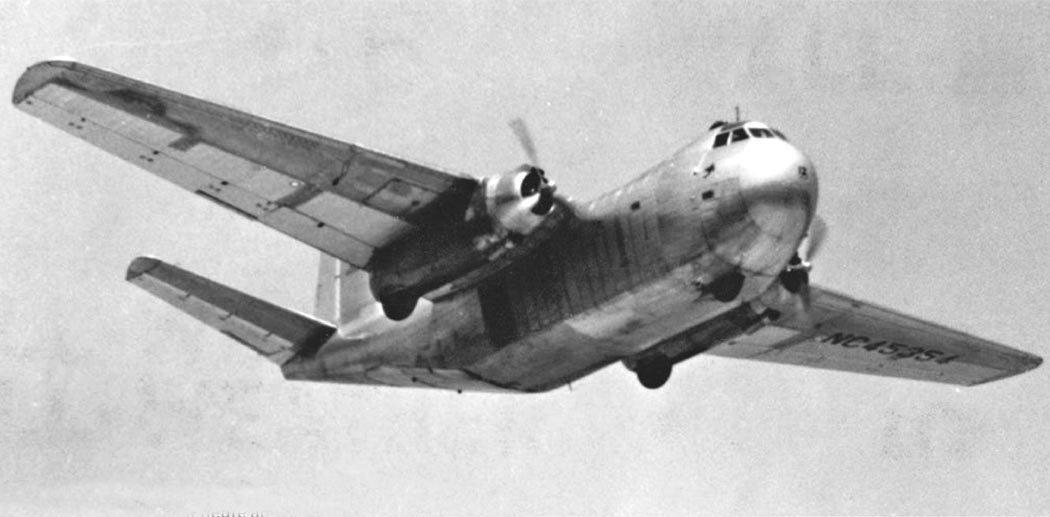 C-93 (RB-1) Conestoga |
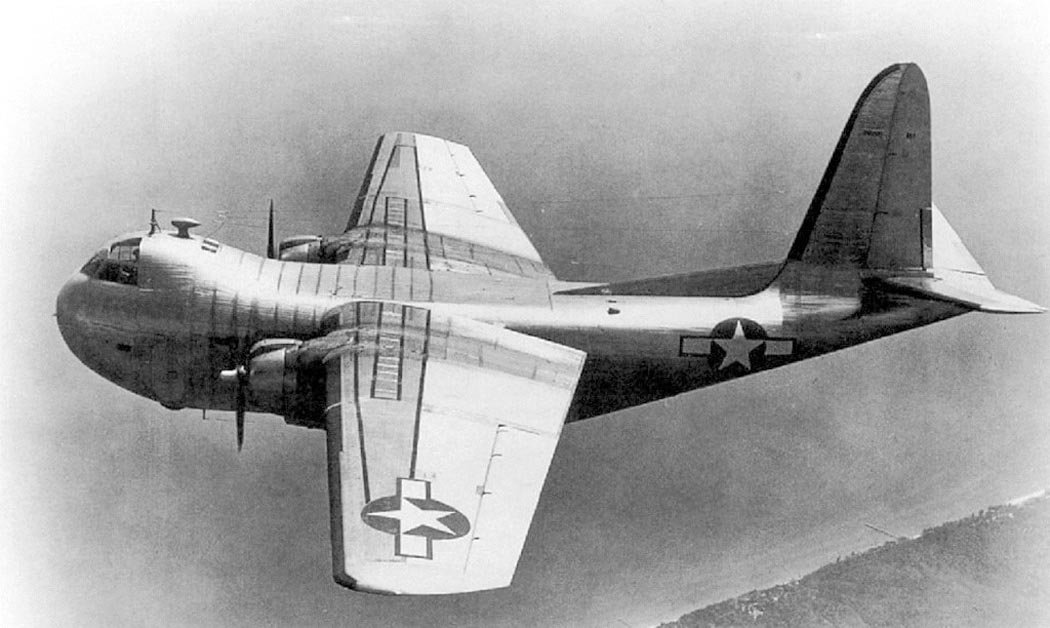 C-93 (RB-1) Conestoga |
 C-93 (RB-1) Conestoga |
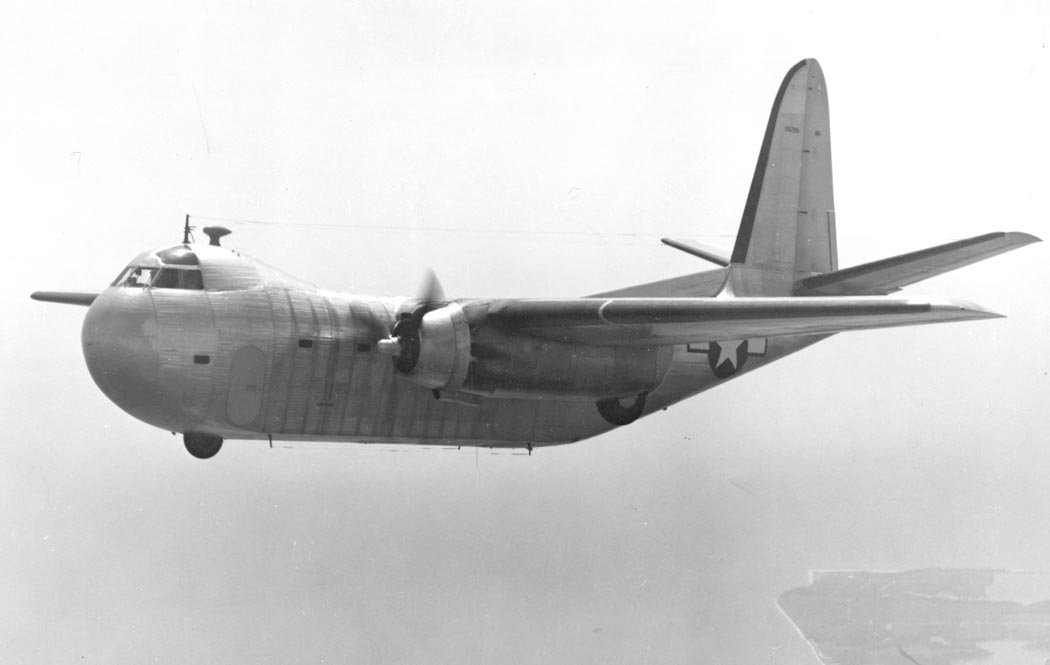 C-93 (RB-1) Conestoga |
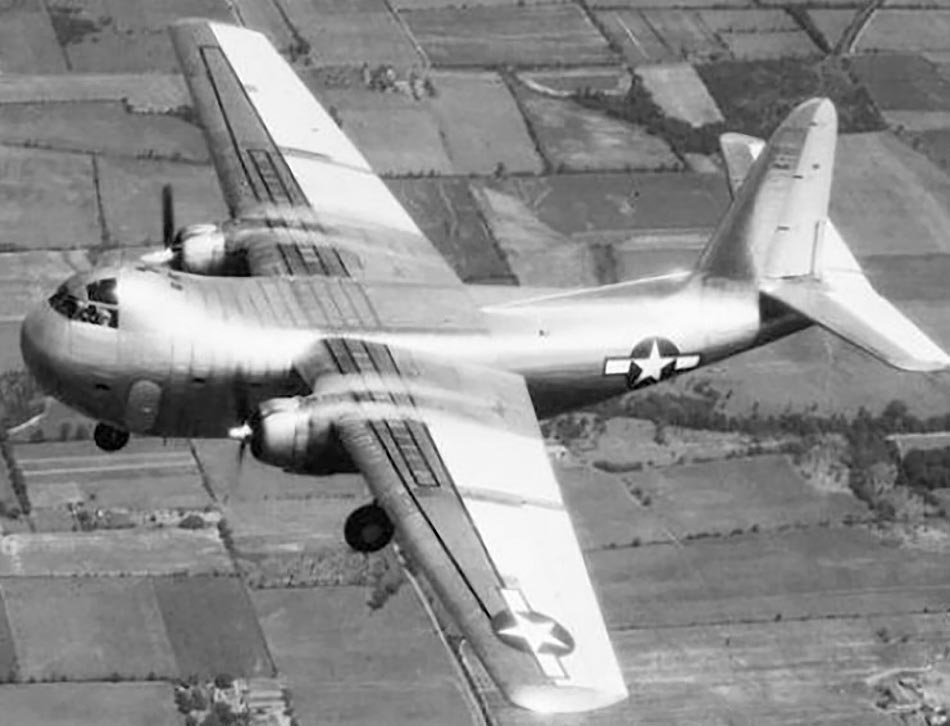 C-93 (RB-1) Conestoga |
 C-93 (RB-1) Conestoga |
 C-93 (RB-1) Conestoga |
 C-93 (RB-1) Conestoga |
 C-93 (RB-1) Conestoga |
 C-93 (RB-1) Conestoga |
 C-93 (RB-1) Conestoga |
 C-93 (RB-1) Conestoga |
 C-93 (RB-1) Conestoga |
 C-93 (RB-1) Conestoga |
 C-93 (RB-1) Conestoga |
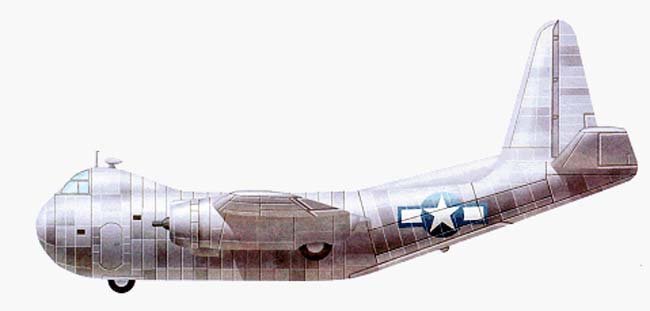 C-93 (RB-1) Conestoga |
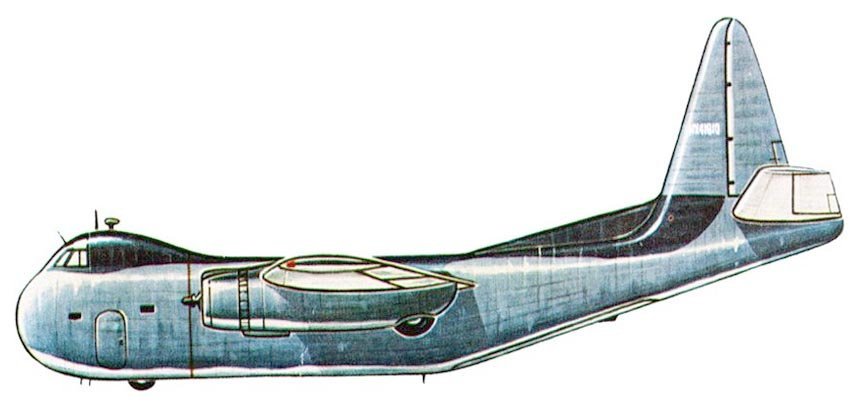 C-93 (RB-1) Conestoga |
ArchivoAéreo Editorial Team
A group of aviation researchers and enthusiasts dedicated to documenting and preserving global aeronautical history. All articles are reviewed to ensure historical accuracy.
Sources & Accuracy
The information presented in this technical sheet has been compiled from declassified flight manuals, historical archives, and specialized literature. While we strive for maximum accuracy, some performance data may vary depending on the specific variant or operational conditions.