Burgess K
Origins and Development
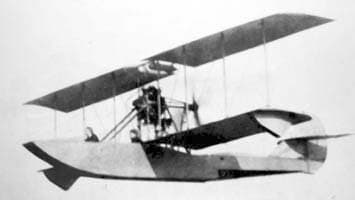
In February 1913, the Burgess Company and Curtis, Inc. received an order from the U.S. Navy for the construction of a light flying boat. William Starling Burgess himself led the design of the boat.
Design and Maiden Flight
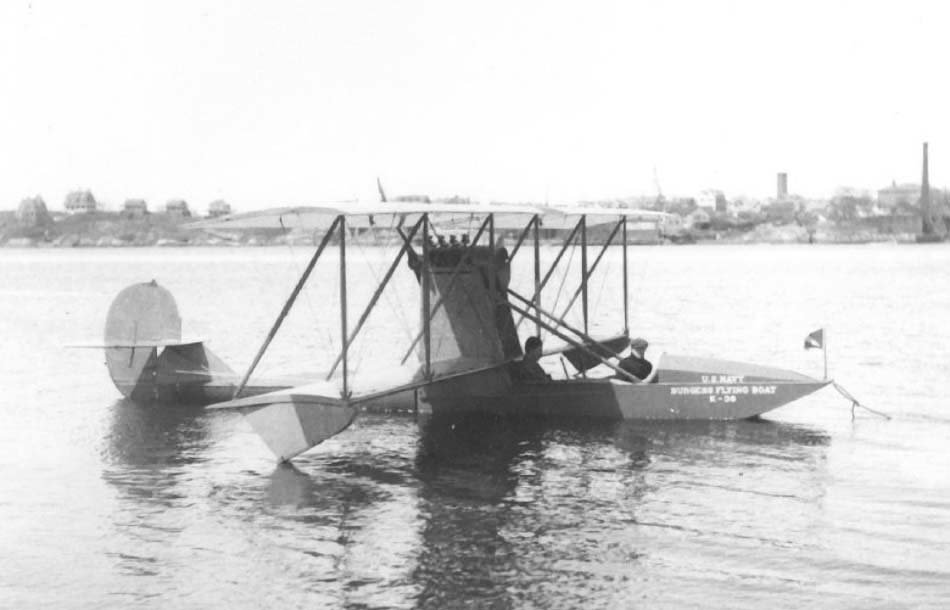
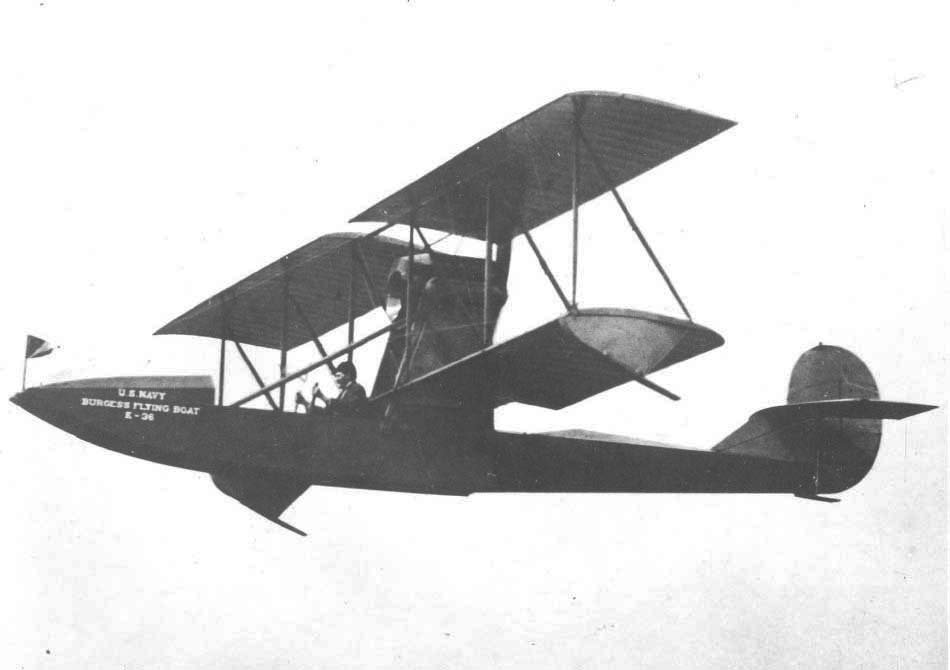
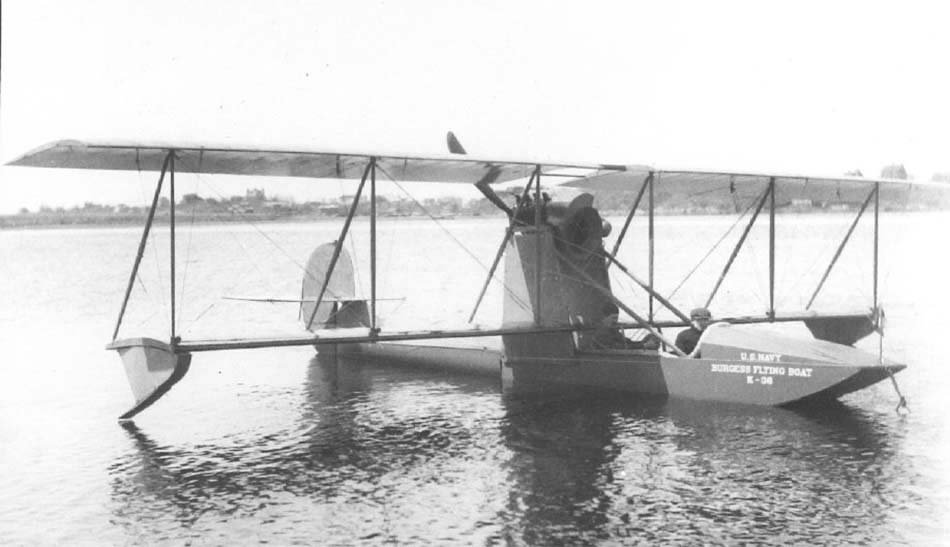
On April 14, 1913, the Burgess Model K flying boat made its first flight, piloted by William Burgess himself. The Burgess K was a two-seat, two-bay biplane, powered by a 70 hp eight-cylinder air-cooled Renault engine.
Operational History and Fate
On May 17 of the same year, the aircraft was handed over to the fleet and received the tail number D-1. The flying boat did not operate for long; on February 16, 1914, it crashed, and pilot James M. Murray drowned. Despite the accident, in December of that year, the fleet redesignated the machine as AB-6.
Technical Specifications
| Modification | Burgess K |
| Wingspan, m | 13.11 |
| Length, m | 9. 37 |
| Height, m | 2.69 |
| Engine type | 1 Piston engine Renault |
| Power, hp | 1 x 70 |
| Maximum speed, km/h | 95 |
| Cruising speed, km/h | 85 |
| Flight endurance, h | 4 |
| Crew, crew members | 2 |
Image and diagram gallery of the Burgess K
 Burgess K |
 Burgess K |
 Burgess K |
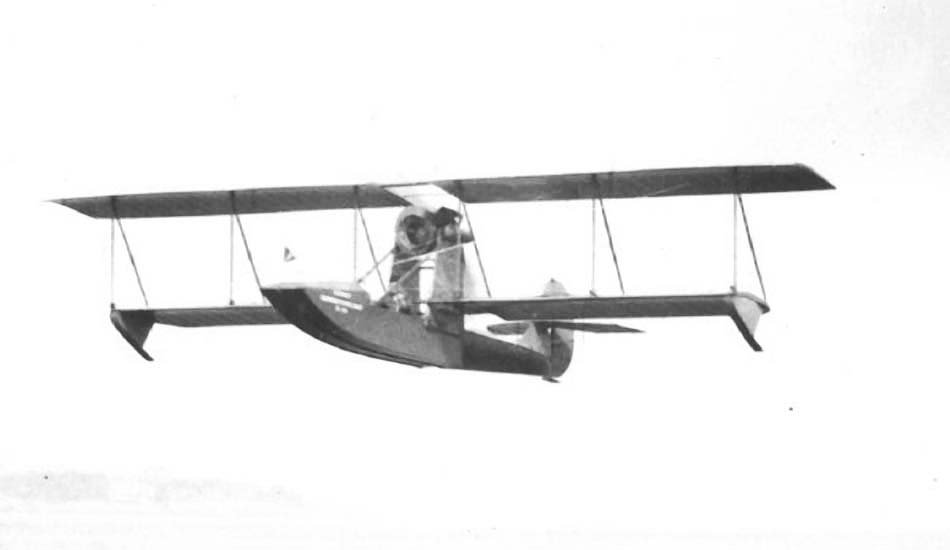 Burgess K |
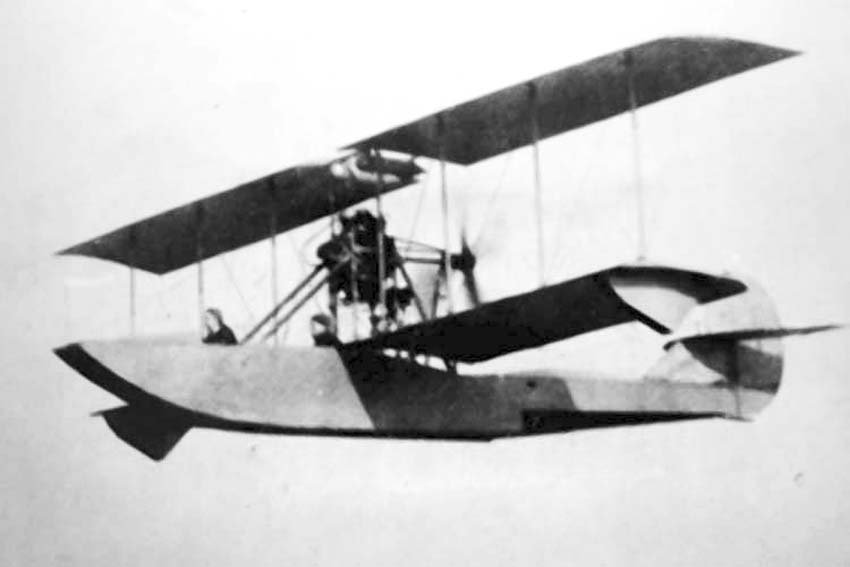 Burgess K |
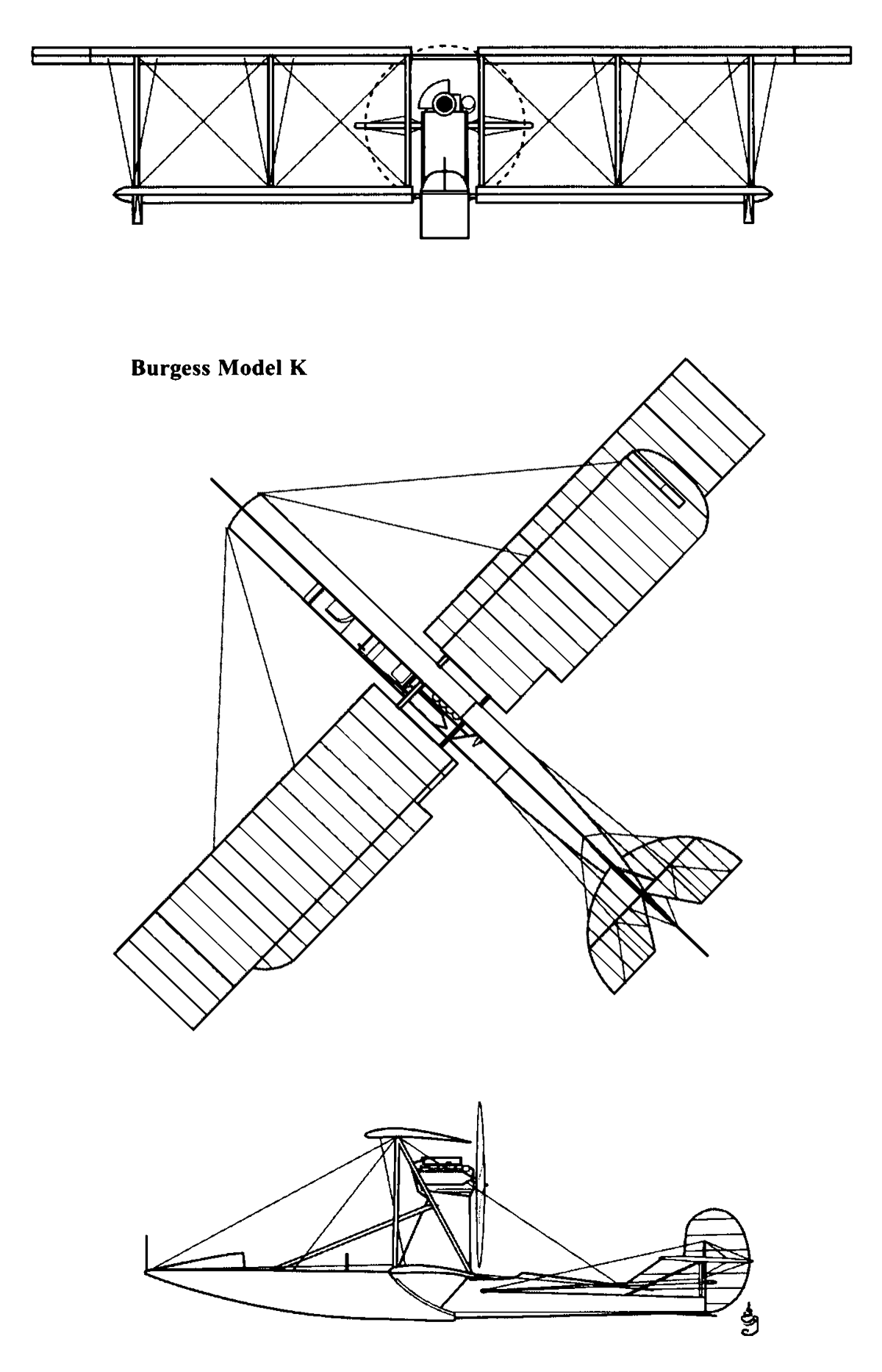 Burgess K |
ArchivoAéreo Editorial Team
A group of aviation researchers and enthusiasts dedicated to documenting and preserving global aeronautical history. All articles are reviewed to ensure historical accuracy.
Sources & Accuracy
The information presented in this technical sheet has been compiled from declassified flight manuals, historical archives, and specialized literature. While we strive for maximum accuracy, some performance data may vary depending on the specific variant or operational conditions.