BushCaddy R-80
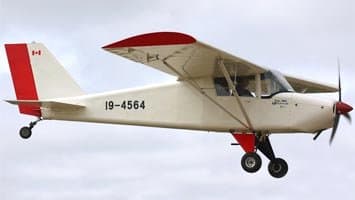
The Canadian aircraft manufacturing company BushCaddy Aircraft Canada was founded by Jean Eudes Potvin in 1994 in Sommertstown, Ontario. The company’s first project was the two-seater R-80 aircraft, which quickly became a key part of their initial offerings.
BushCaddy R-80 Technical Specifications
The BushCaddy R-80 is a two-seater, strut-braced high-wing monoplane. It is powered by an 80 hp (60 kW) four-cylinder Rotax 912ULS engine. Alternative power plants include the 100 hp Rotax 912ULS or the 115 hp Rotax 914, providing options for different performance needs.
This versatile aircraft can be equipped with wheel, ski, or float landing gear, adapting to various surfaces. This capability makes it suitable for operations in diverse geographical and climatic environments, from conventional airstrips to snow-covered terrains or water bodies.
Applications and Acquisition
The R-80 is designed for a variety of purposes, including forest surveillance, private travel, and reconnaissance flights, with the added capability of water landings. It is manufactured as a self-assembly kit, allowing builders to complete the aircraft in approximately 1200 hours.
Approximately 80 kit-sets of the R-80 have been sold since its serial production began. Its robust design and versatility have established it as a popular choice among aviation enthusiasts seeking an adaptable, build-it-yourself aircraft.
Technical Specifications
| Modification | R-80 |
| Wingspan, m | 9. 80 |
| Aircraft length, m | 6.73 |
| Wing area, m2 | 15.60 |
| Empty weight | 322 |
| Maximum takeoff weight | 599 |
| Fuel, l | 90 |
| Engine type | 1 Piston engine Rotax 912ULS |
| Power, hp | 1 x 100 |
| Maximum speed, km/h | 190 |
| Cruising speed, km/h | 169 |
| Rate of climb, m/min | 246 |
| Service ceiling, m | 4900 |
| Max. operational overload | 5.7 |
| Crew | 2 |
Image and diagram gallery of the BushCaddy R-80
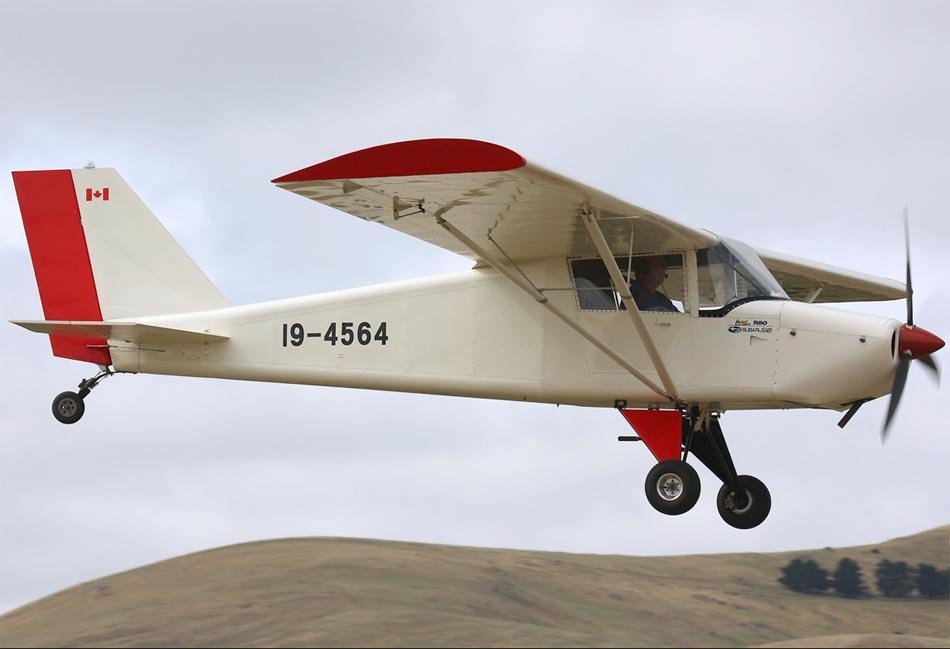 R-80 |
 R-80 |
 R-80 |
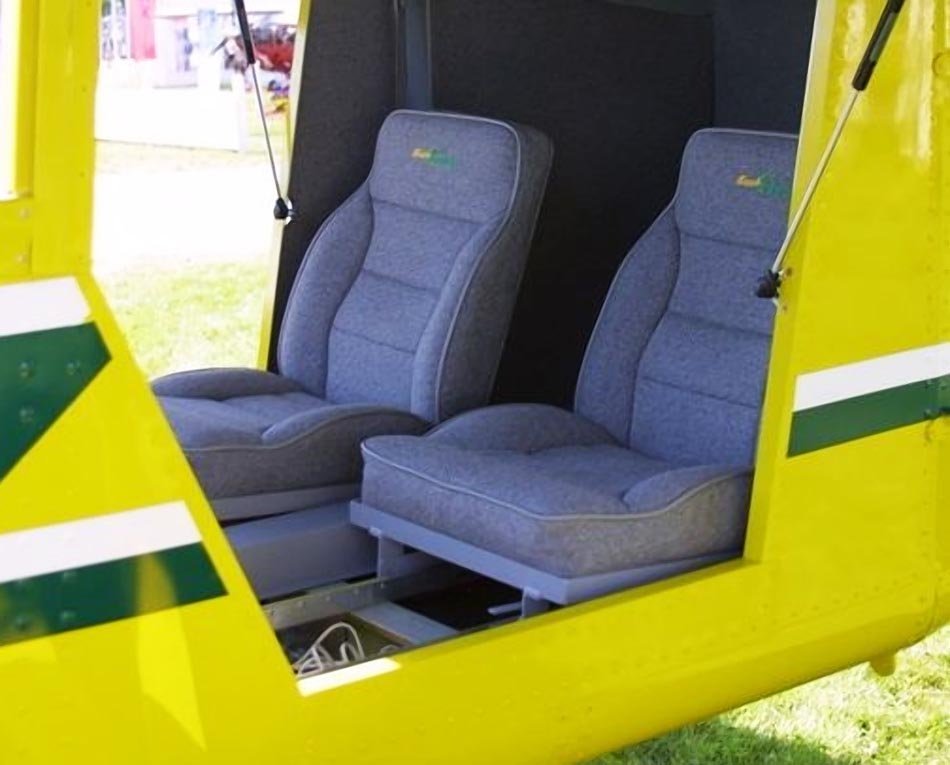 R-80 |
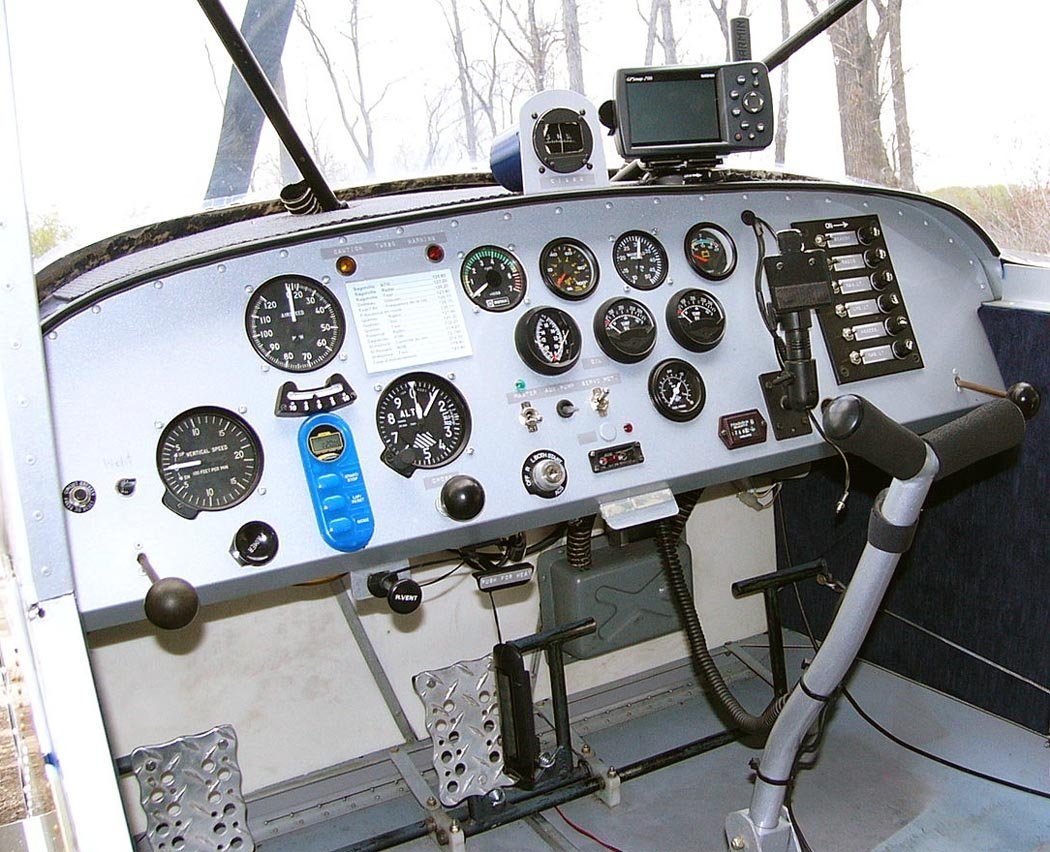 R-80 |
ArchivoAéreo Editorial Team
A group of aviation researchers and enthusiasts dedicated to documenting and preserving global aeronautical history. All articles are reviewed to ensure historical accuracy.
Sources & Accuracy
The information presented in this technical sheet has been compiled from declassified flight manuals, historical archives, and specialized literature. While we strive for maximum accuracy, some performance data may vary depending on the specific variant or operational conditions.