Bushmaster 2000
The Revival of the Ford Tri-Motor
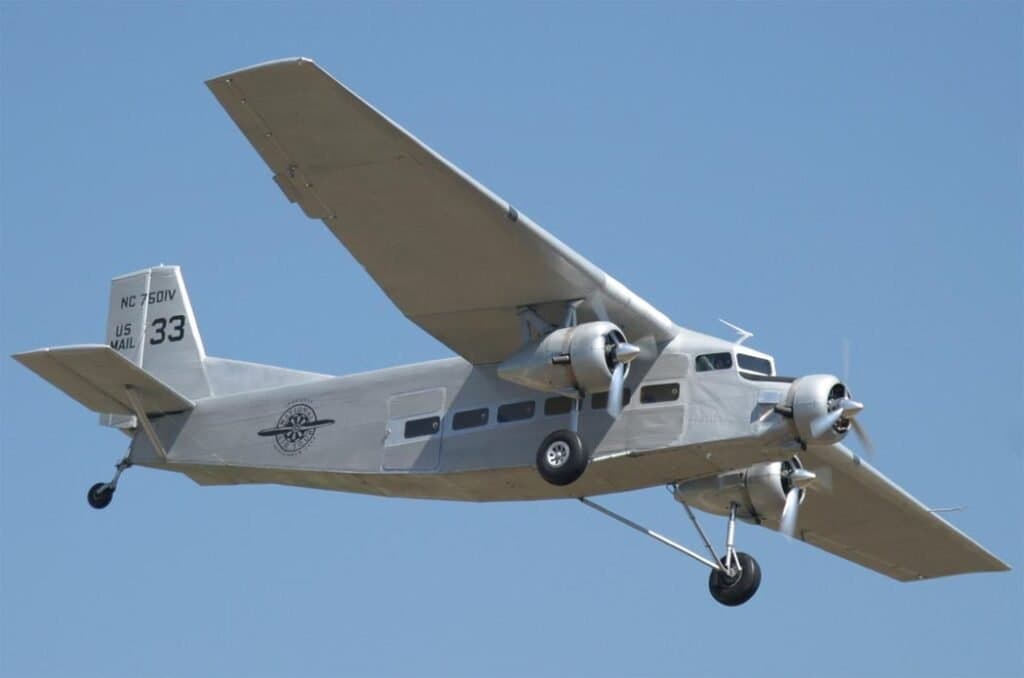
In 1954, Bill Stout acquired the rights to the Ford Tri-Motor with the goal of building a simple and inexpensive short-haul passenger aircraft for local airlines. The designer planned to replace the fuselage and wing materials, instruments, windows, and power plant. Due to licensing issues, the new project was named the Stout Bushmaster 2000.
Technical Specifications and Delayed Development
Following the designer’s death in 1956, development was delayed for a full twelve years. The prototype’s (N7501V) first flight took place in 1966. It was a twenty-five-seat cantilever high-wing monoplane, equipped with three nine-cylinder Pratt & Whitney R-985-AN-1 Wasp Junior engines, each producing 450 hp (336 kW), with Hartzell HC-B3R30-2E three-bladed propellers.
Production and Service
The first Bushmaster 2000 was built by Aircraft Hydro-Forming Inc. and was intended for “American Airlines”. The second aircraft (N750RW) was completed later, in 1985, by Bushmaster Aircraft Corporation.
Technical Specifications
| Modification | Bushmaster 2000 |
| Wingspan, m | 23.75 |
| Aircraft length, m | 19.52 |
| Aircraft height, m | 4.09 |
| Wing area, m2 | 79.10 |
| Empty weight | 3402 |
| Maximum takeoff weight | 6750 |
| Engine type | 3 Piston engines Pratt & Whitney R-985-AN-1 Wasp Junior |
| Power, hp | 3 x 450 |
| Maximum speed, km/h | 210 |
| Cruising speed, km/h | 185 |
| Practical range, km | 1127 |
| Crew | 2 |
| Payload | normally – 15 passengers, maximum – up to 23 passengers |
Image and diagram gallery of the Bushmaster 2000
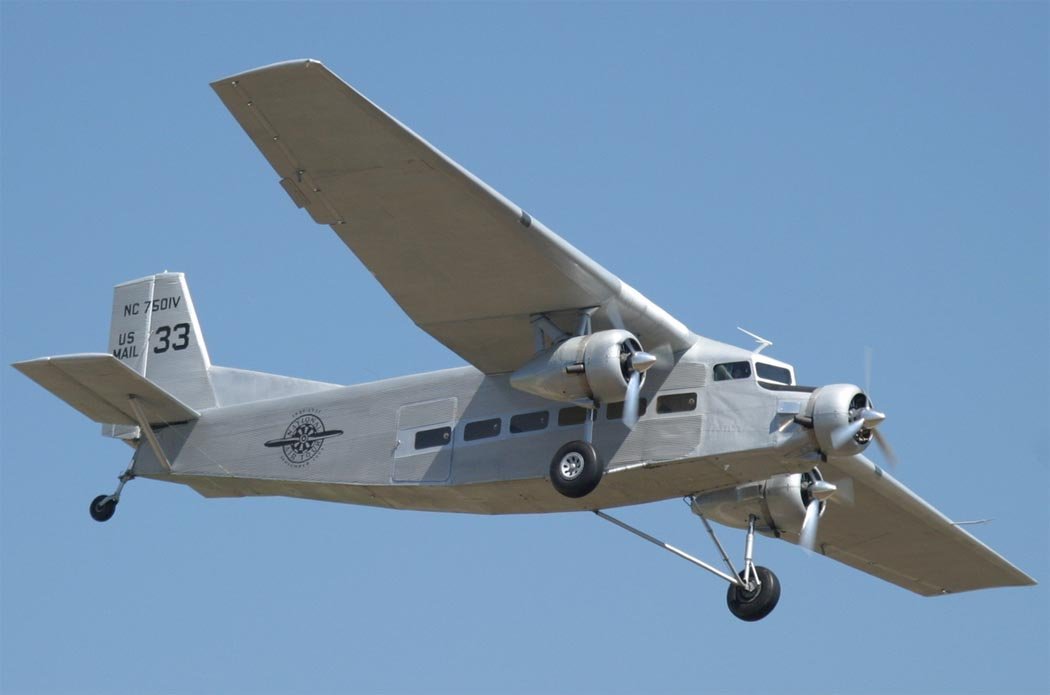 Bushmaster 2000 |
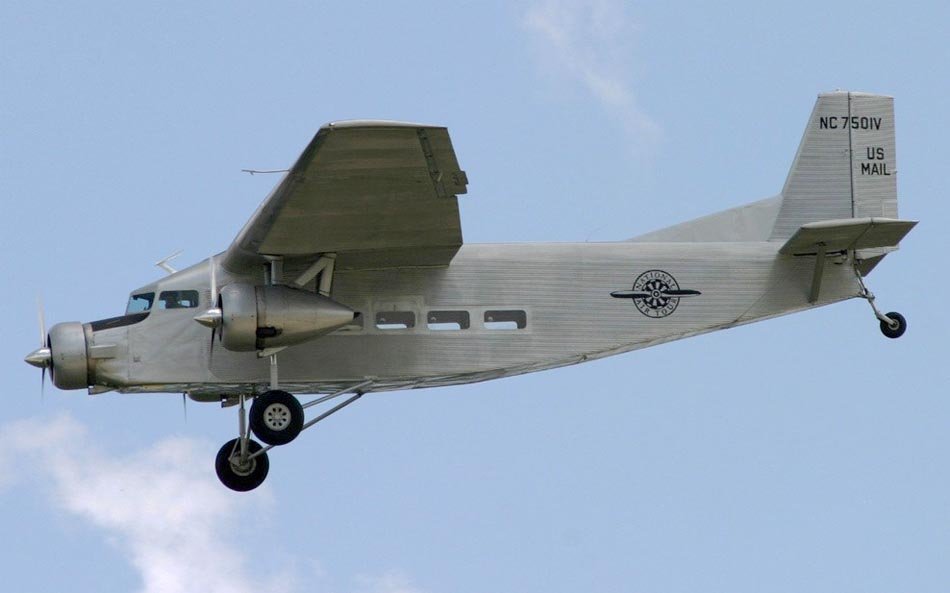 Bushmaster 2000 |
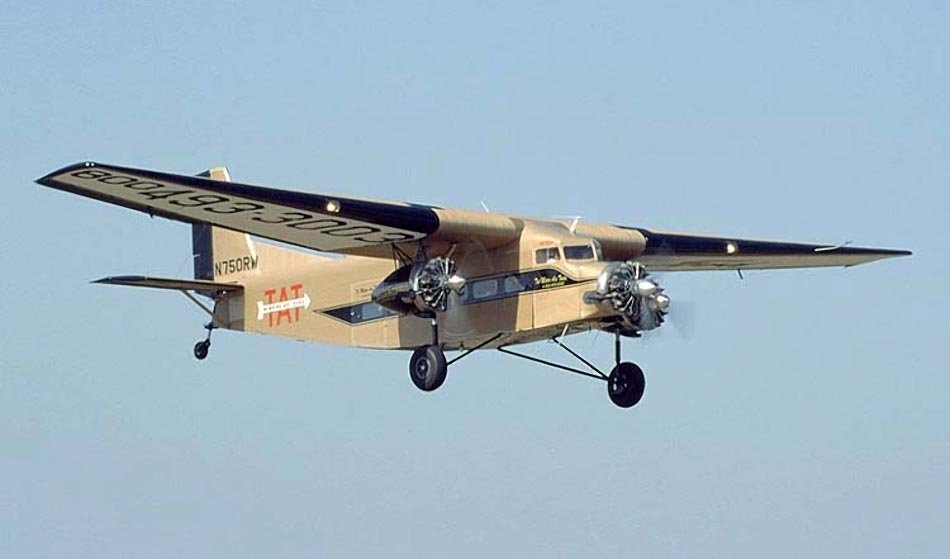 Bushmaster 2000 |
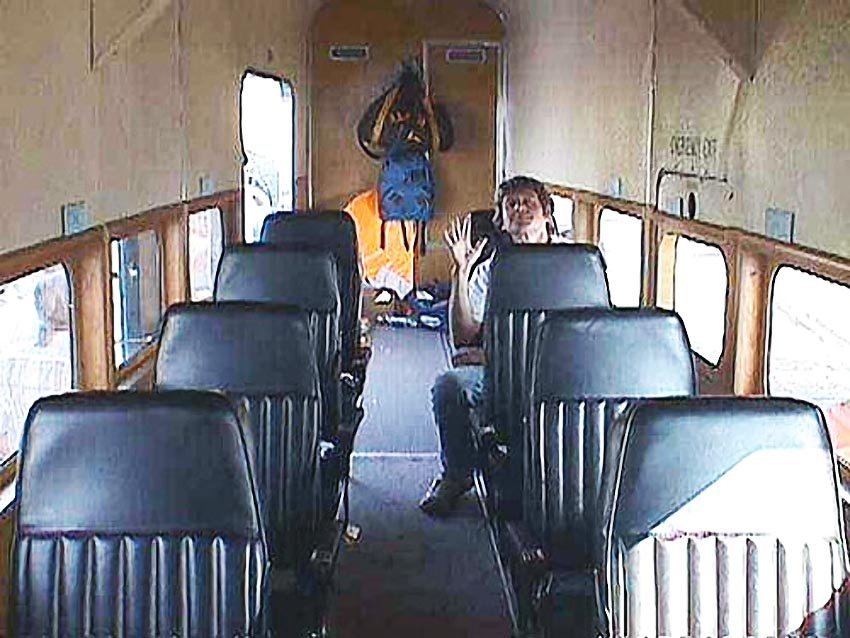 Bushmaster 2000 |
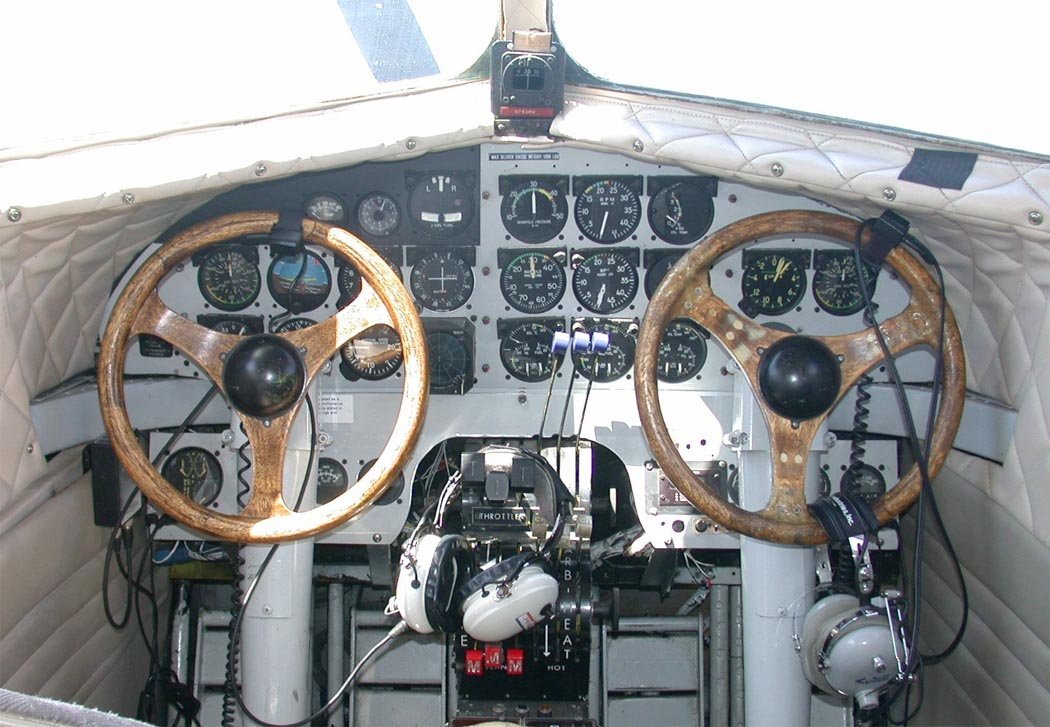 Bushmaster 2000 |
ArchivoAéreo Editorial Team
A group of aviation researchers and enthusiasts dedicated to documenting and preserving global aeronautical history. All articles are reviewed to ensure historical accuracy.
Sources & Accuracy
The information presented in this technical sheet has been compiled from declassified flight manuals, historical archives, and specialized literature. While we strive for maximum accuracy, some performance data may vary depending on the specific variant or operational conditions.