BV.141A
Asymmetric Concept and Genesis
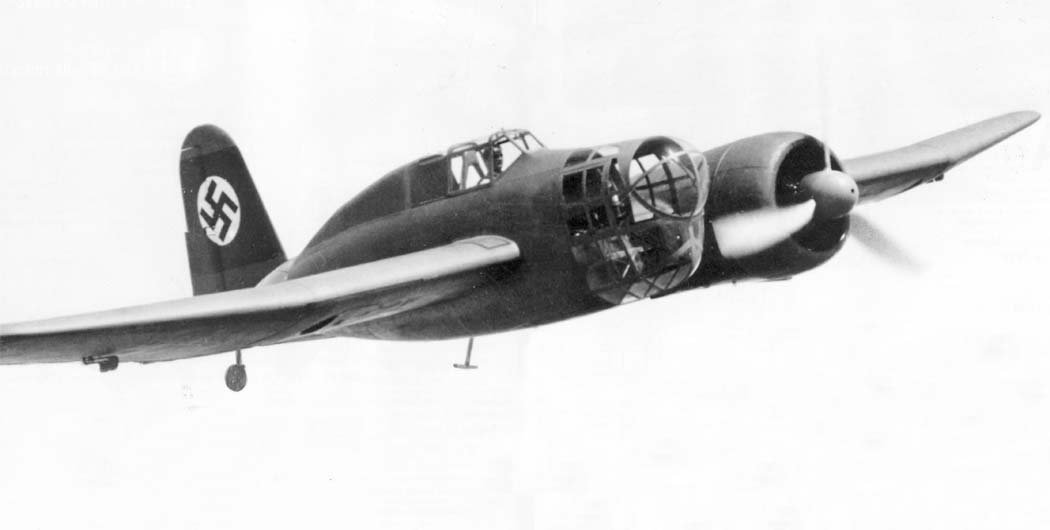
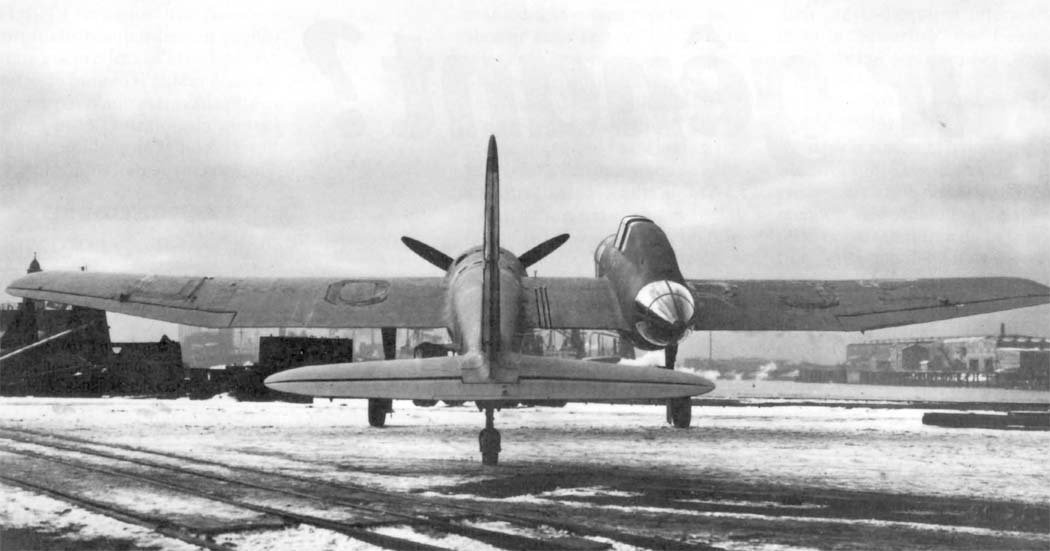
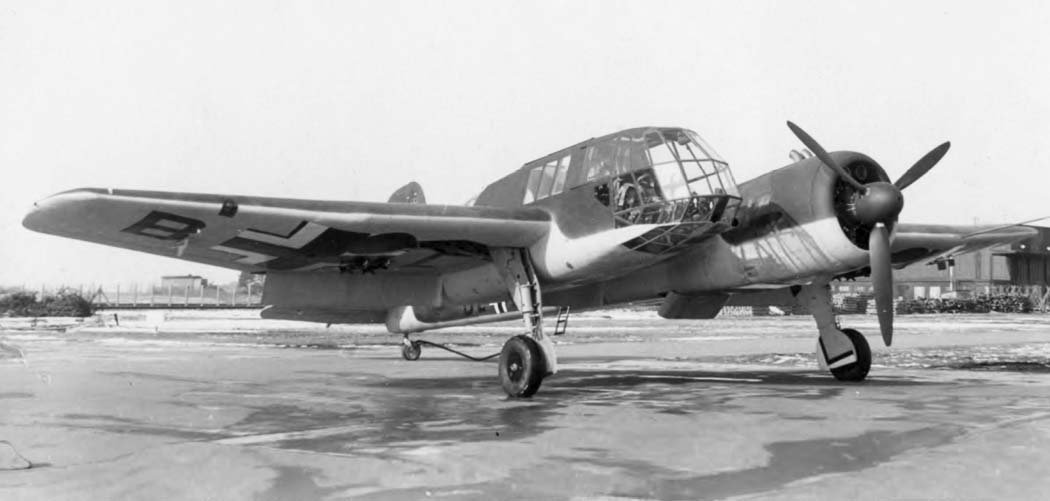
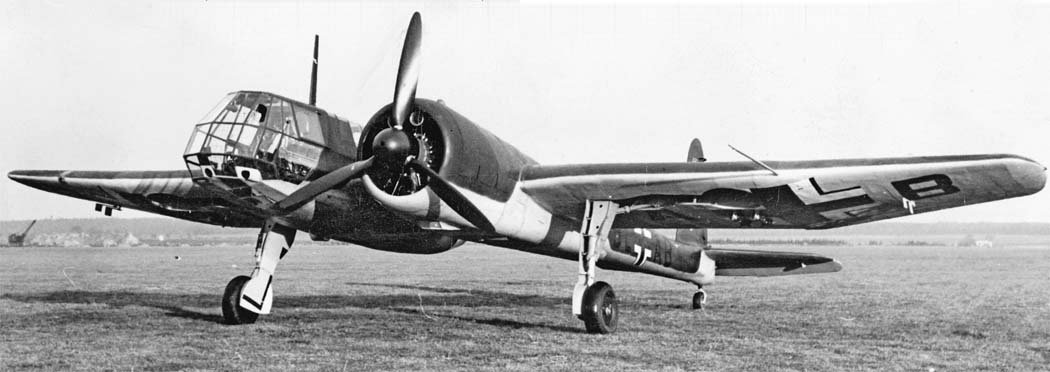
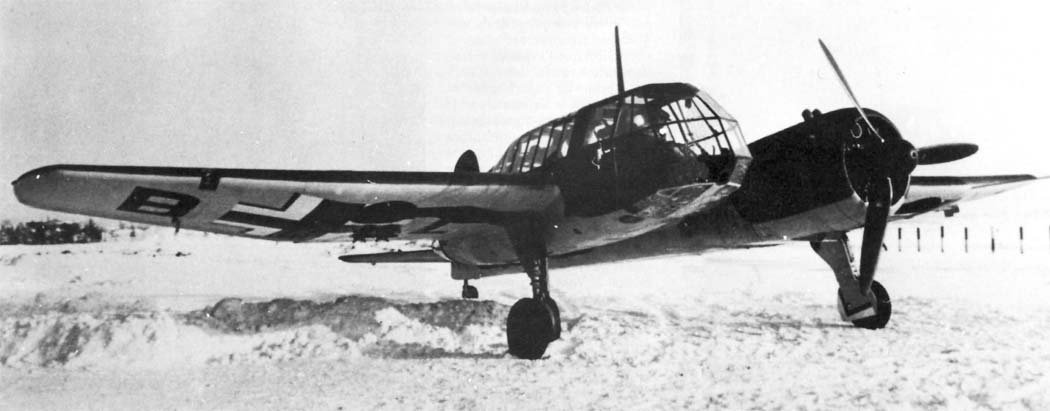
Every decade in military aviation history has been characterized by the appearance of non-standard aircraft designs that sharply differed from the generally accepted configurations of their time. Among several unusual layouts that emerged in the 1930s, perhaps the most original was the asymmetrical BV.141 designed by Richard Vogt – a short-range reconnaissance aircraft with such an unusual method of providing all-around visibility for a single-engine aircraft.
In early 1937, the RLM (Reich Air Ministry) issued a requirement to Arado and Focke-Wulf for a short-range reconnaissance aircraft – a light bomber also capable of performing light attack and smoke-laying duties. The specification called for a three-person crew, all-around visibility for the crew, and an engine power of 850-900 hp at takeoff. From the outset, the Technical Department favored Arado, but this resulted in the unsuccessful Ar.198.
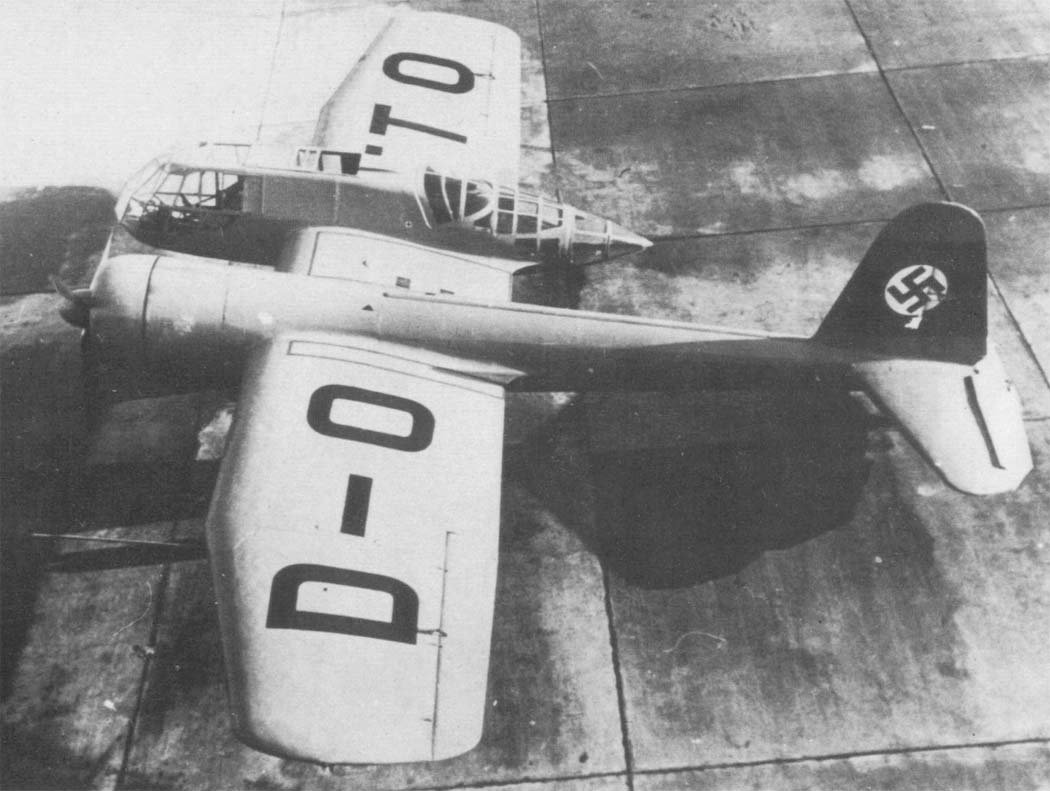
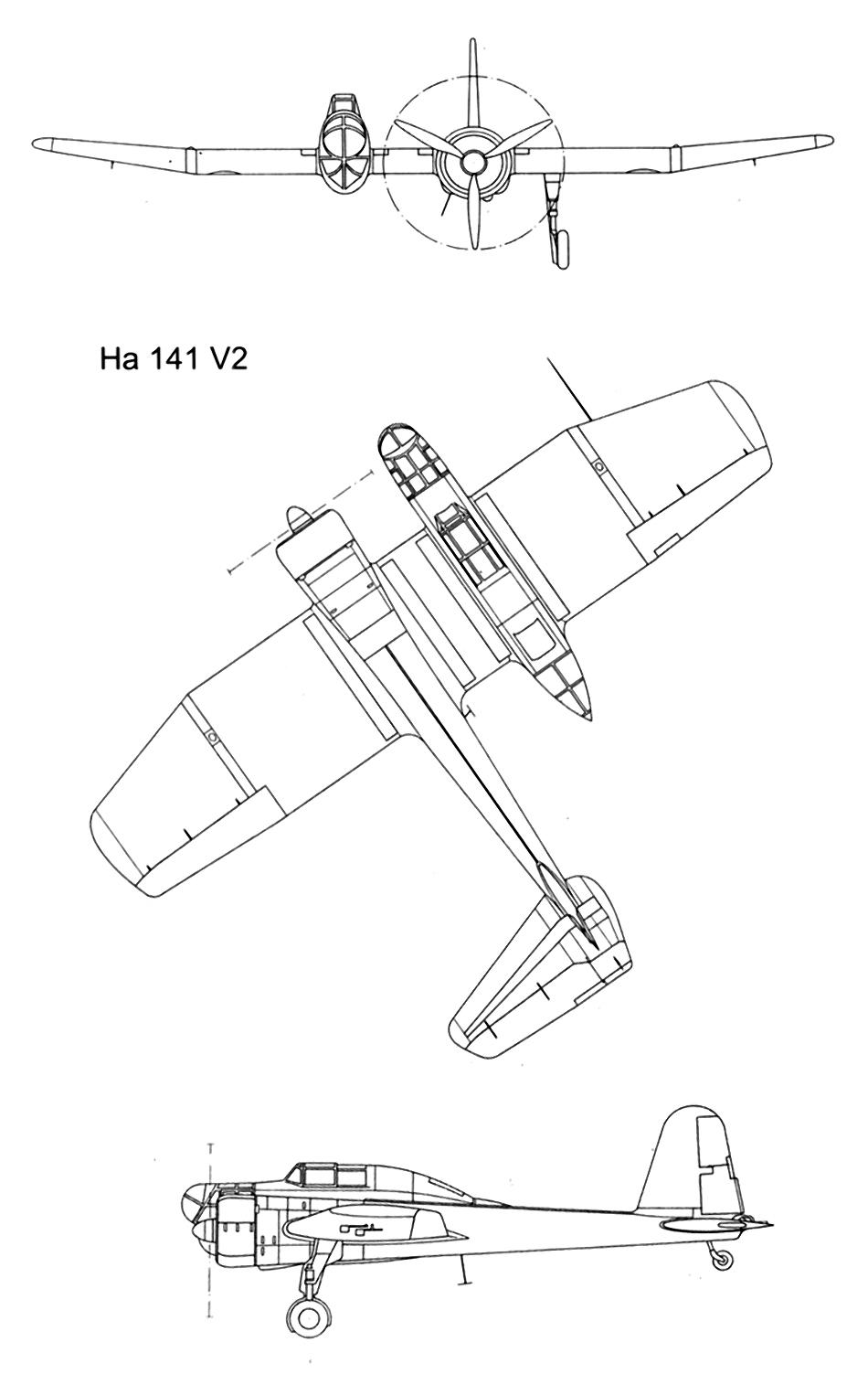
Hamburger Flugzeugbau was not included by the RLM in the list of competition participants, but Vogt, who had some ideas on the matter, proposed a proactive project. The Technical Department did not link the project with the necessity of a single engine, but for tactical reasons, it was clear that an army aircraft was unlikely to be designed with multiple engines. Vogt reasoned that the only way to ensure all-around visibility from a single-engine aircraft was to use an asymmetrical layout, where the crew was housed in a glazed gondola to the right. He also believed that the asymmetrical scheme would eliminate propeller torque – a perennial headache in the design of single-engine aircraft.
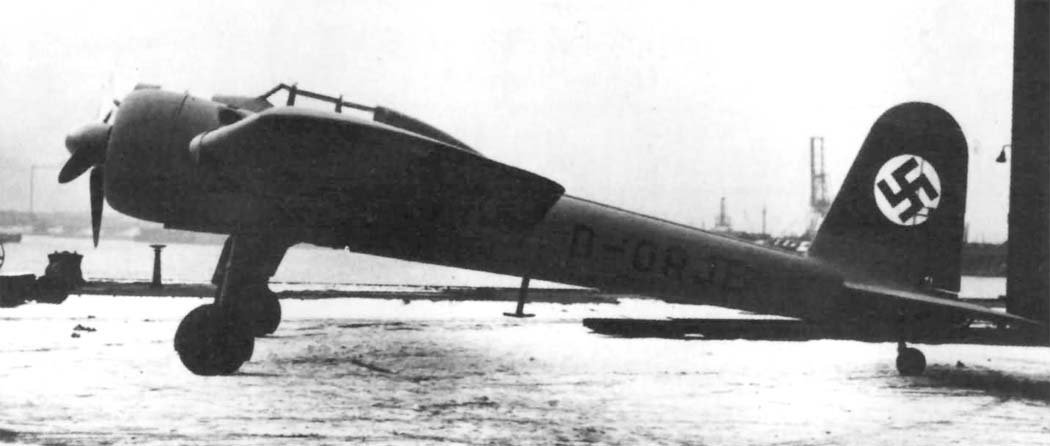
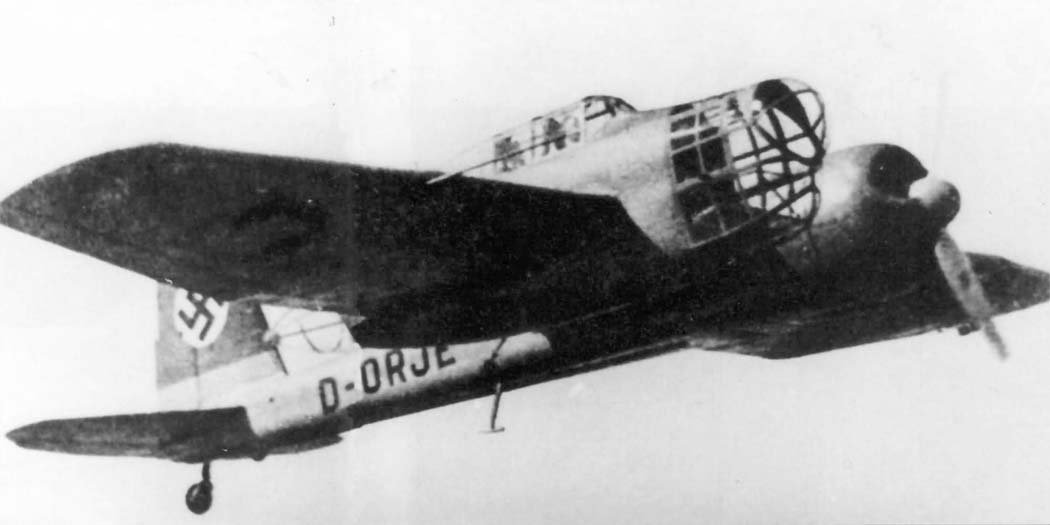
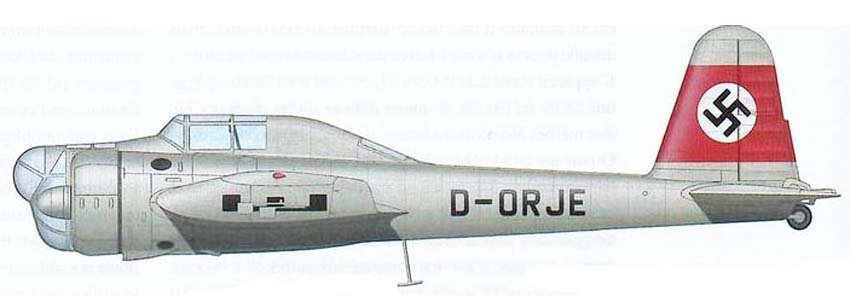
Thus, Vogt proposed the asymmetrical aircraft project to the RLM, but Arado had already begun assembling the Ar.198, and it’s not surprising that the unusual layout did not generate interest. However, Ernst Udet, newly appointed head of the Technical Department’s design section, provided Vogt with some support, and Hamburger Flugzeugwerke began independently funding the project. The first flight of this strange aircraft, designated Ha.141-0 (D-ORJE), took place on February 25, 1938.
Except for excessive control sensitivity and a slight bounce during landing, the Ha.141-0 behaved surprisingly well, after which an official contract for three experimental aircraft followed, though the already existing one was not initially included. After long negotiations, the RLM agreed to include the aircraft among the three experimental machines. Thus, D-ORJE received the official designation BV.141-V2 when the company’s name changed to “Abteilung Flugzeugbau der Schiffswerft Blohm und Voss”. The second aircraft became the first official prototype under the designation BV.141-V1 (#171).
Prototypes and Design Evolution
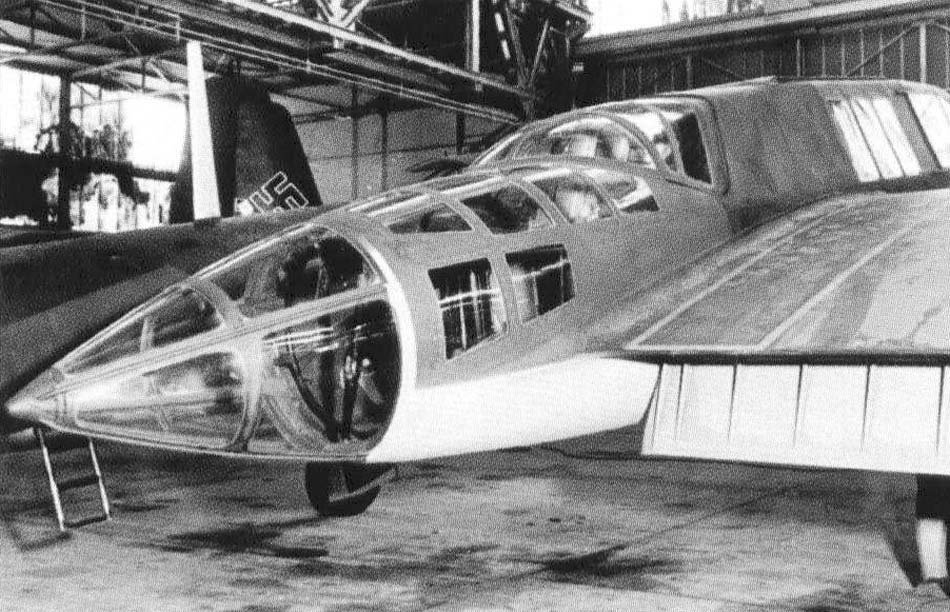
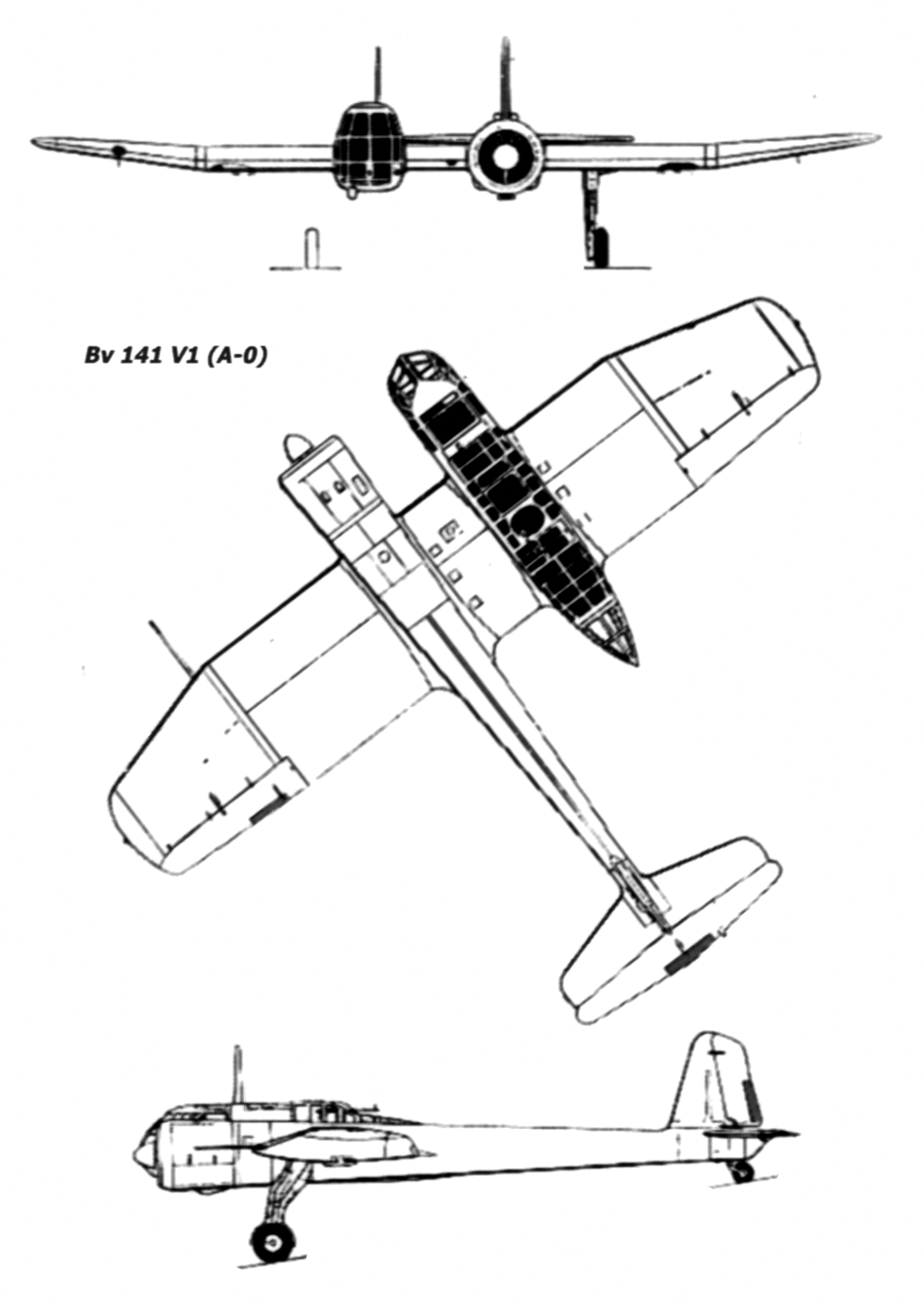
The RLM was not satisfied with the pilot’s cockpit. On the BV.141-V1, the crew gondola was redesigned to more closely resemble the cockpit of the Fw.189, which was being developed concurrently. The glazing consisted of a large number of flat panels. Provisions were made for two fixed 7.9mm machine guns firing forward and two more in flexible mounts. The BV.141-V3 was the first to be truly armed, and it also featured four 50kg bomb racks.
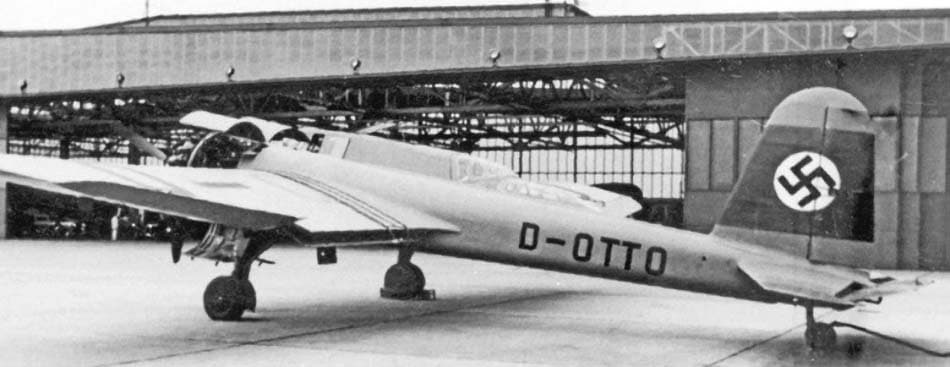
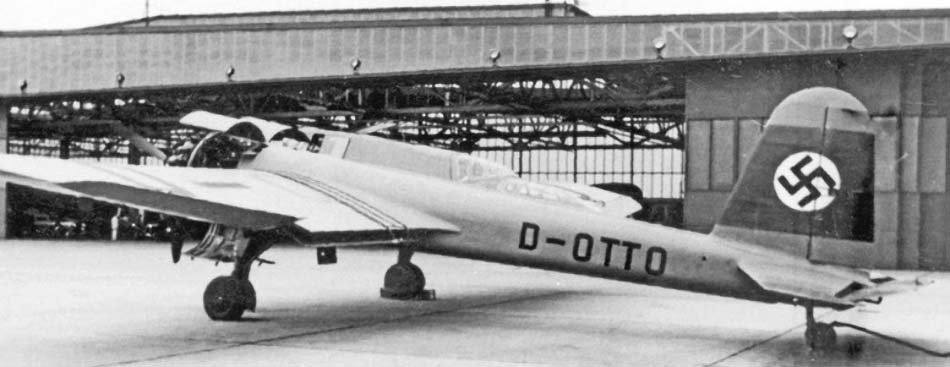
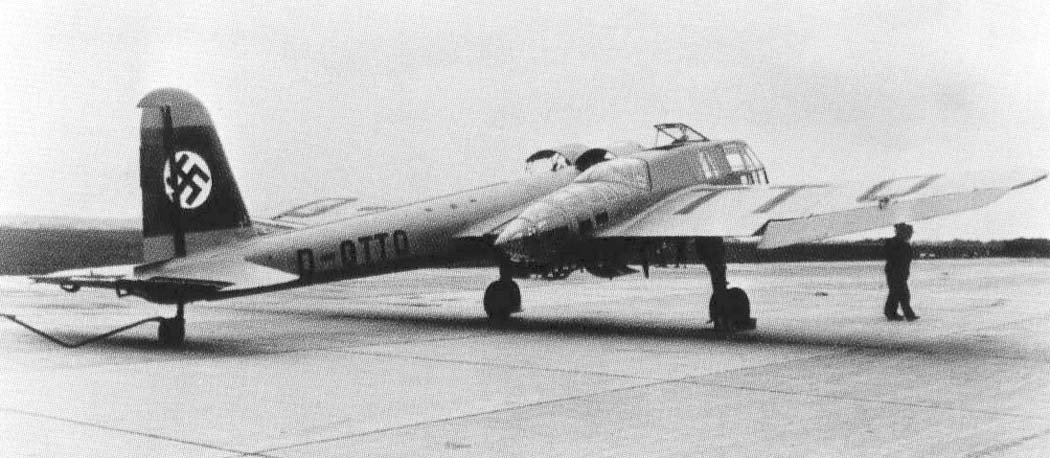
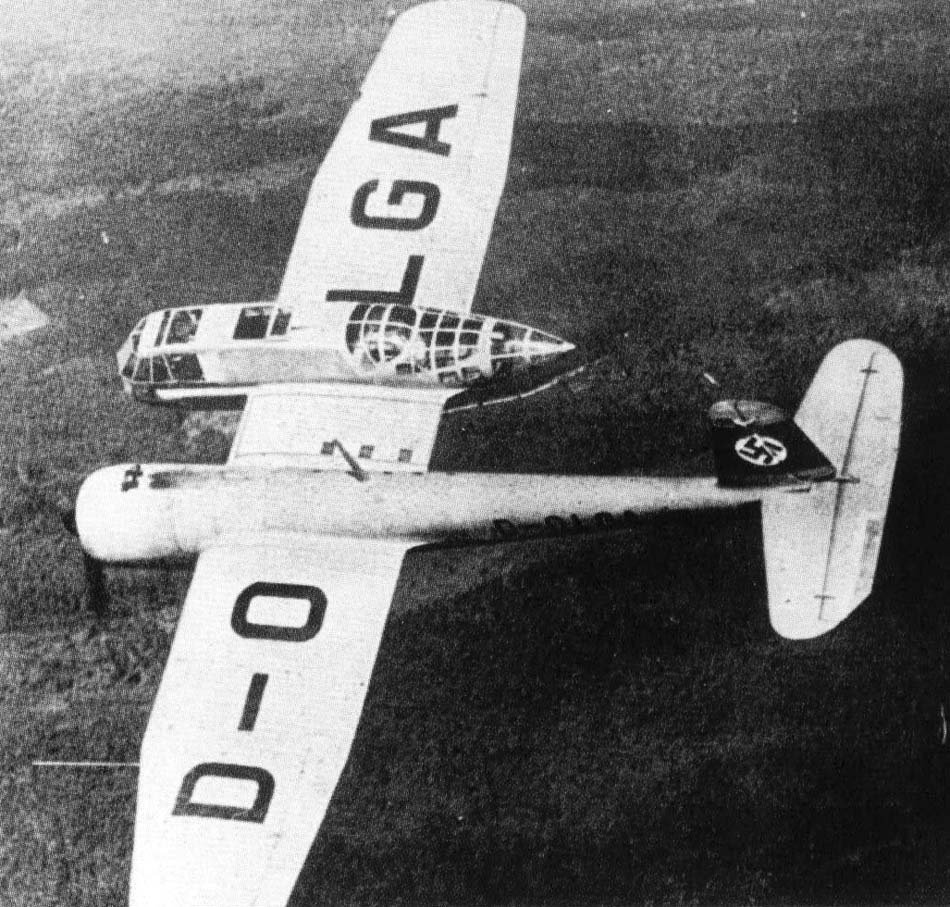
The overall dimensions of the BV.141-V1 slightly increased: wingspan from 15m to 15.1m, wing area from 40.1 sq m to 40.5 sq m, and length from 11.1m to 11.4m. The BV.141-V1 (D-OTTO) had an empty weight of 3092kg and a takeoff weight of 3832kg. Flight tests began in September 1938. Early in the trials, hydraulic problems emerged, and on October 5, 1938, an emergency belly landing occurred after the landing gear only partially extended. Fortunately, the BV.141-V3 (D-OLGA), already considered a prototype for series production, was soon ready.
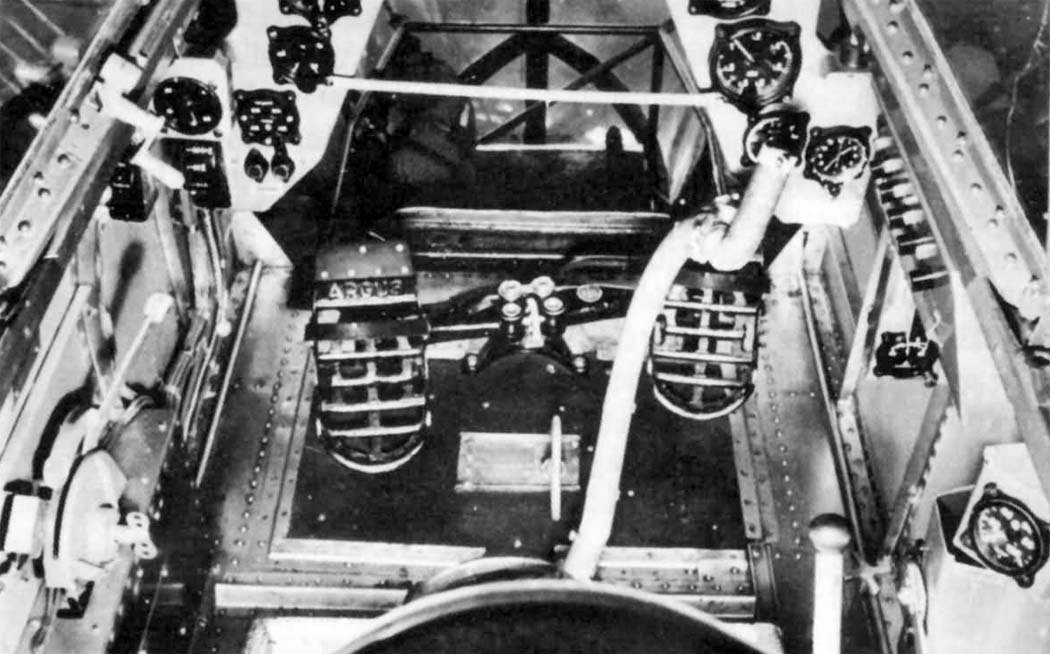
To improve directional stability, the BV.141-V3’s fuselage was extended to 12.15m. The wingspan increased to 15.4m, and the landing gear track was also expanded from 4.9m to 5.2m. The pilot was seated on the left in the cockpit, the observer on the right in a movable seat that could extend into the fuselage nose for bomb aiming. The radio operator was located at the other end of the cockpit. The observer also controlled the photographic camera and the upper machine gun installation.
The gondola’s volume was minimal: 1.2m wide, 1.5m high. It ended in a cone with an MG-15 machine gun on top. In the “Focke-Wulf” variant, the cone could rotate 360°. The gunner sat at the level of the wing’s trailing edge. The empennage was almost symmetrical, with trimmers on the elevators, rudder, and the left aileron. The ailerons were balanced by two spoilers on each wing panel. Controls were rigid-rod operated, while flaps and landing gear were hydraulically actuated.
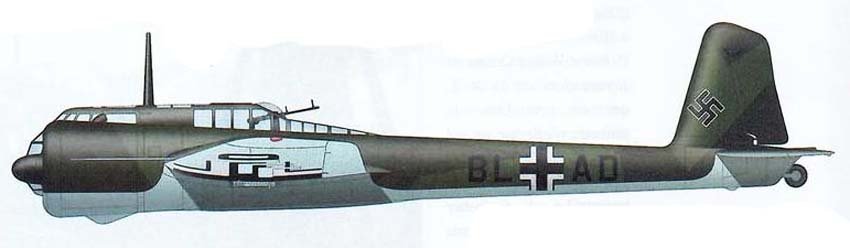
The engine was a 9-cylinder air-cooled BMW-132N, producing 865 hp for one minute at ground level and 960 hp at an altitude of 3000m. A 490-liter fuel tank was located behind the engine. Besides the four machine guns, the BV.141-V3 was fitted with four ETC-50 bomb racks and an Rb 20/30 automatic camera, which could be replaced by an Rb 21/18, 50/18, or 50/30. Even the RLM, which had been highly suspicious of the BV.141 from the start, agreed that, despite its unusual configuration, the aircraft was docile to control and met the given requirements.
Trials, Pre-production, and Cancellation
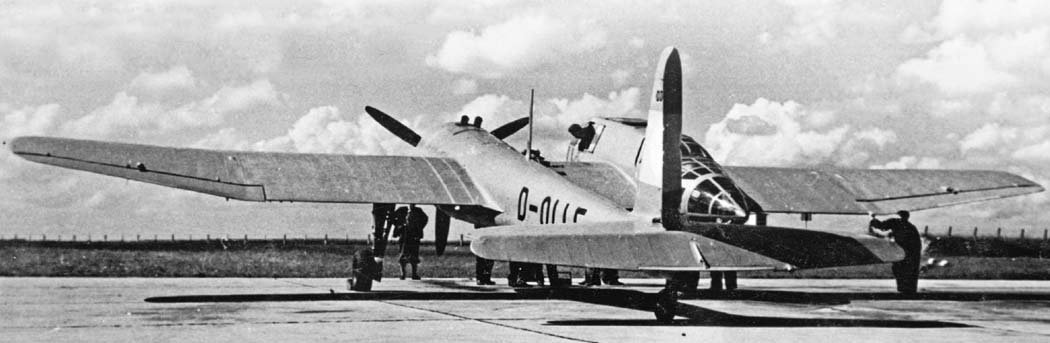
A somewhat reluctant order was placed for five pre-production BV.141a-01 to -05, which also carried “Versuch” (experimental) numbers. Thus, BV.141a-01 was also designated as V4, with factory #360 and registration D-OLLE. This aircraft began trials in early 1939. Wingspan increased again from 15.4m to 15.5m, and wing area from 41.1 to 41.5 sq m. Empty weight decreased from 3200kg to 3100kg. Normal takeoff weight remained unchanged at 3900kg. The Achilles’ heel of the BV.141 remained its hydraulics.
Shortly after trials began, BV.141-V4 was involved in an accident when one landing gear strut became locked in the extended position while the other retracted. As the aircraft was intended for the Rechlin test center, the incident delayed the official test program. The other four pre-production BV.141a models (##361-364) were completed on time and did not differ from V4, the only change being a new machine gun installation instead of a sliding hatch.
The official test program at Rechlin with V5 was completed in January 1940. Test pilot reports were generally favorable. A special sight was installed on the aircraft for low-altitude bombing; a total of 58 bombs were dropped in 13 bombing runs from various altitudes. V3 also underwent bombing trials at Rechlin and Tarnewitz. The Luftwaffe High Command (OKL) viewed this “ugly duckling” without much enthusiasm, and in April 1940, persuaded the RLM to postpone the start of serial production of the BV.141a.
Technical Specifications
| Modification | ВV.141a-04 |
| Wingspan, m | 15.50 |
| Length, m | 12.15 |
| Height, m | 4.10 |
| Wing area, m2 | 41.50 |
| Empty weight | 3170 |
| Normal takeoff weight | 3900 |
| Engine type | 1 Piston engine BMW-132N |
| Power, hp | 1 x 865 |
| Speed at sea level | 309 |
| Speed at altitude | 363 |
| Practical range, km | 1133 |
| Practical ceiling, m | 9000 |
| Crew, crew members | 3 |
| Armament | two fixed 7.9-mm MG-17 machine guns forward and two 7.9-mm MG-15 machine guns on flexible mounts aft; 4x 50-kg bombs. |
Image and diagram gallery of the BV.141A
 BV.141A |
 BV.141A |
 BV.141A |
 BV.141A |
 BV.141A |
 BV.141A |
 BV.141A |
 BV.141A |
 BV.141A |
 BV.141A |
 BV.141A |
 BV.141A |
 BV.141A |
 BV.141A |
 BV.141A |
 BV.141A |
 BV.141A |
 BV.141A |
 BV.141A |
ArchivoAéreo Editorial Team
A group of aviation researchers and enthusiasts dedicated to documenting and preserving global aeronautical history. All articles are reviewed to ensure historical accuracy.
Sources & Accuracy
The information presented in this technical sheet has been compiled from declassified flight manuals, historical archives, and specialized literature. While we strive for maximum accuracy, some performance data may vary depending on the specific variant or operational conditions.