BVL-12
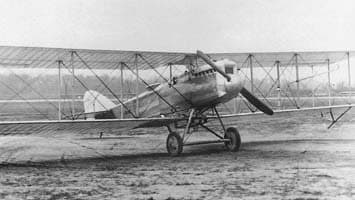
At the end of World War I, the Pomilio brothers (Alessandro & Ottorino Pomilio) sold their enterprise to “Ansaldo” and emigrated to the United States. There, in 1917-1918, Ottorino Pomilio designed the two-seat light bomber BVL-12, based on the PD and PE aircraft. This project was developed according to the technical specifications of the Engineering Department of the US Army Air Service, and it was equipped with a 400 hp Liberty 12 engine (hence the designation Bomber with V-8 Liberty 12 engine).
Innovative Technical Features
The aircraft was an equal-span biplane with fixed landing gear and a tail skid. At that time, it was unique for an American aircraft to feature a fuselage strengthened by struts between the wings, as typically the lower wing was attached directly to the fuselage.
Limited Production and Project Termination
Six such machines (serial numbers 40086/40091) were constructed at the Engineering Division factory. The first of these took to the air in January 1919. However, after half a year of testing, the aircraft’s development was ultimately discontinued.
Technical Specifications
| Modification | BVL-12 |
| Wingspan, m | 14.71 |
| Length, m | 9.63 |
| Height, m | 2.97 |
| Wing area, m2 | 53.70 |
| Empty weight | 1281 |
| Normal takeoff weight | 2465 |
| Engine type | 1 Piston engine Liberty 12 |
| Power, hp | 1 x 400 |
| Maximum speed, km/h | 171 |
| Cruising speed, km/h | 155 |
| Practical range, km | 780 |
| Practical ceiling, m | 4846 |
| Crew, crew members | 2 |
| Armament | only planned |
Image and diagram gallery of the BVL-12
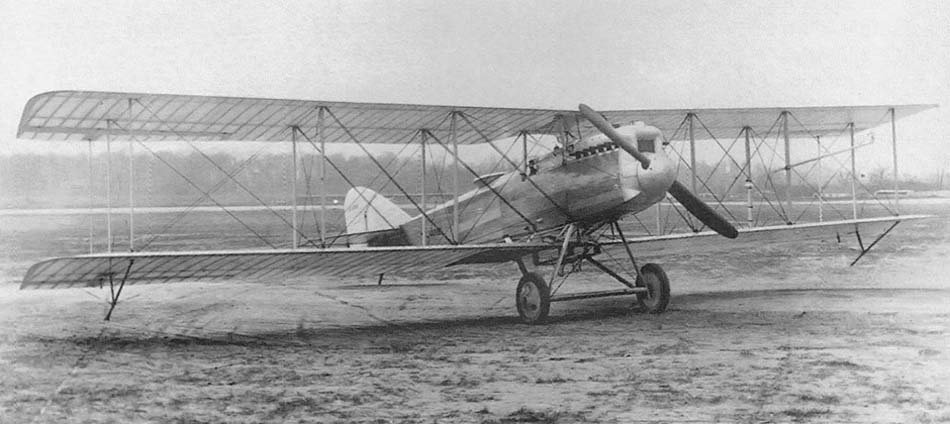 BVL-12 |
 BVL-12 |
ArchivoAéreo Editorial Team
A group of aviation researchers and enthusiasts dedicated to documenting and preserving global aeronautical history. All articles are reviewed to ensure historical accuracy.
Sources & Accuracy
The information presented in this technical sheet has been compiled from declassified flight manuals, historical archives, and specialized literature. While we strive for maximum accuracy, some performance data may vary depending on the specific variant or operational conditions.