C-1 Sunbeam
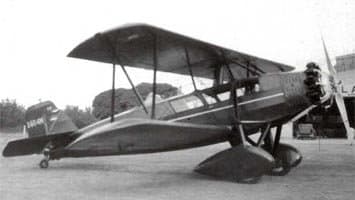
Introduction to the C-1 Sunbeam
In 1929, the American aircraft manufacturing company Commercial Aircraft Corp. of Los Angeles introduced its light transport aircraft, the Commercial C-1 Sunbeam. This model was a six-seat, single-strut biplane, powered by a 220 hp Wright J-5 Whirlwind radial engine with a two-bladed propeller. Its design aimed to offer an efficient solution for air transport during that era.
Production and Modifications
During the same year of its launch, between 4 and 5 units of the C-1 Sunbeam were produced. One of these aircraft was notably modified with a 300 hp Wright J-6 engine for a very specific purpose: an attempt to break the flight duration record. This adaptation sought to maximize the aircraft’s performance and range to push the known boundaries of aviation.
Endurance Record and Aerial Refueling
On November 27, 1929, this modified C-1 took off, piloted by Elinor Smith and Bobbi Trout, remaining airborne over Los Angeles for an impressive 42 hours. To achieve this feat, a Curtis Carrier Pigeon was utilized as the aerial refueling aircraft. Smith and Trout not only broke the record but also became the first women to perform aerial refueling, marking a significant milestone in aviation history.
Technical Specifications
| Modification | C-1 |
| Wingspan, m | 10.00 |
| Length, m | 8.20 |
| Engine type | 1 Piston engine Wright J-5 Whirlwind |
| Power, hp | 1 x 220 |
| Maximum speed, km/h | 201 |
| Cruising speed, km/h | 180 |
| Practical range, km | 800 |
| Crew | 1 crew |
| Payload | up to 5 passengers |
Image and diagram gallery of the C-1 Sunbeam
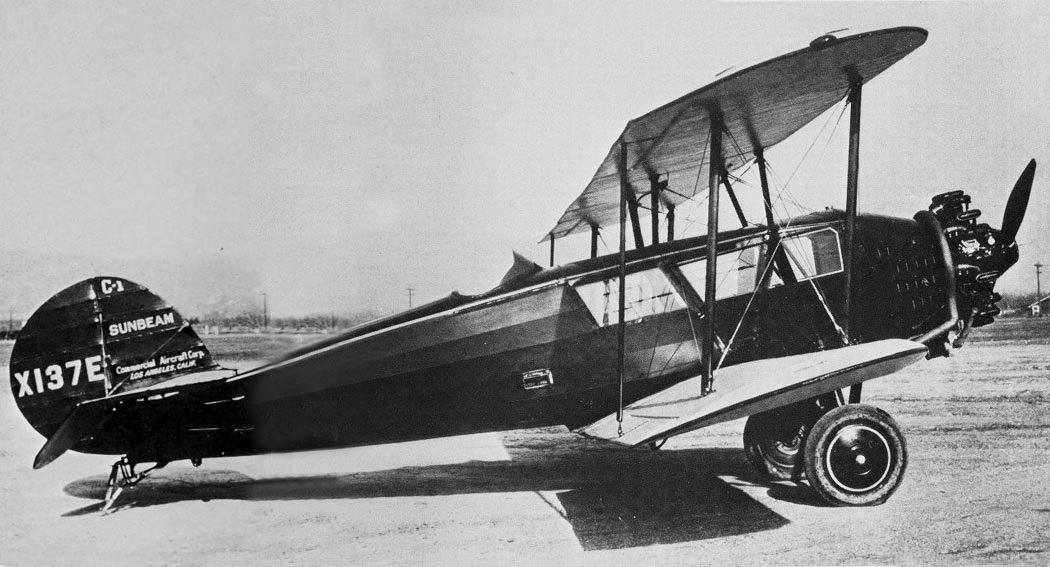 C-1 Sunbeam |
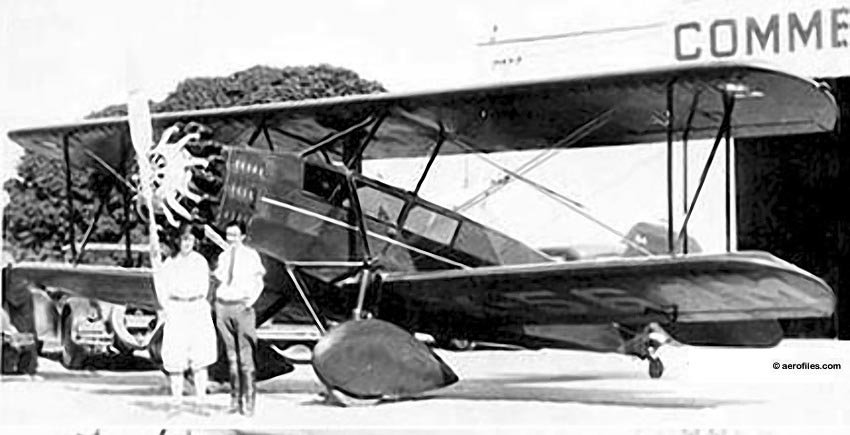 C-1 Sunbeam |
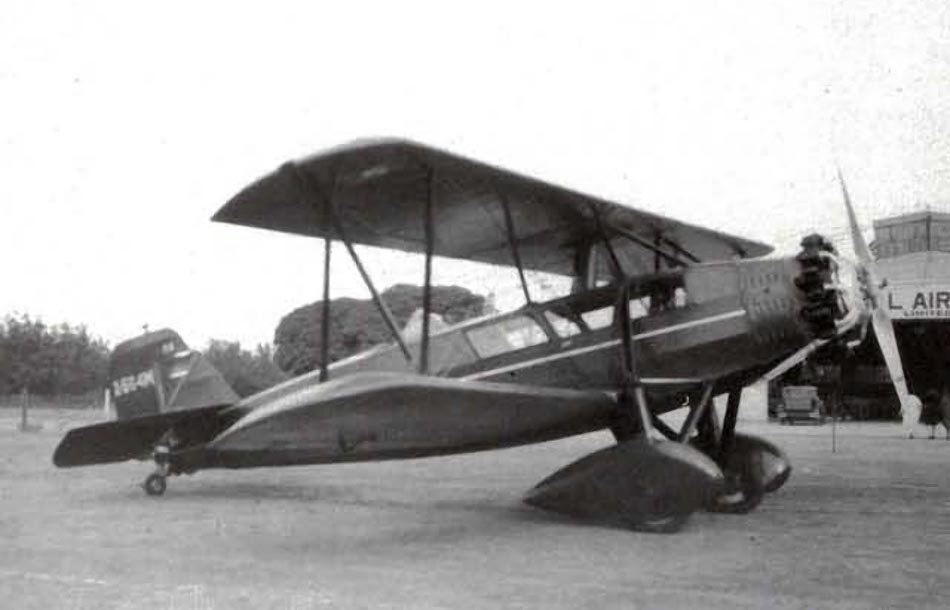 C-1 Sunbeam |