C-109 Fuel Transport
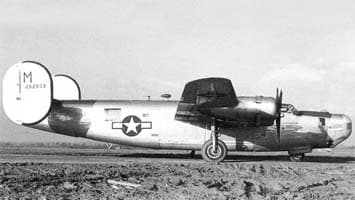
The C-109 designation was assigned to B-24J and B-24L aircraft converted into aerial tankers. These were intended to supply B-29 Superfortresses operating from bases in China. An early plan envisioned ten B-29 groups in China for operations against Japan, requiring approximately 2,000 C-109s to deliver aviation fuel from India over the Himalayas.
Origins and Conversion
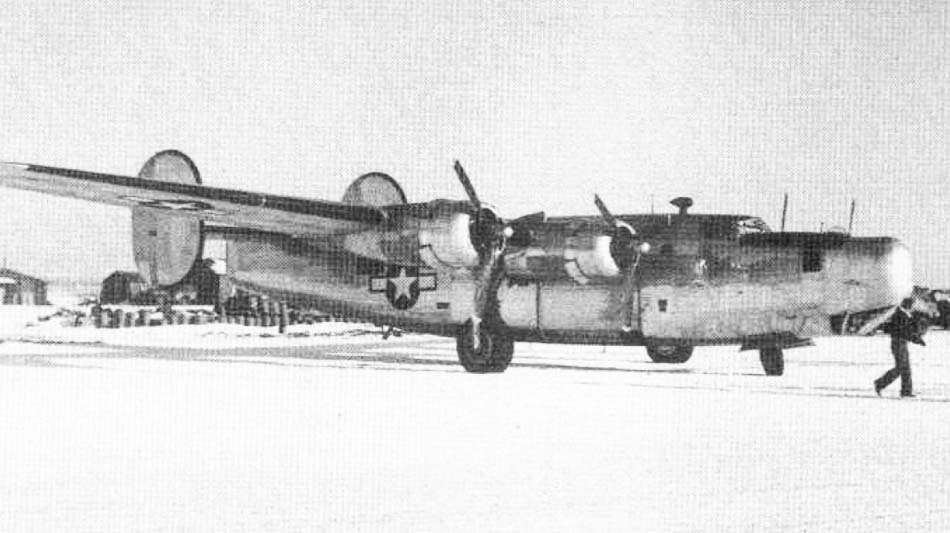
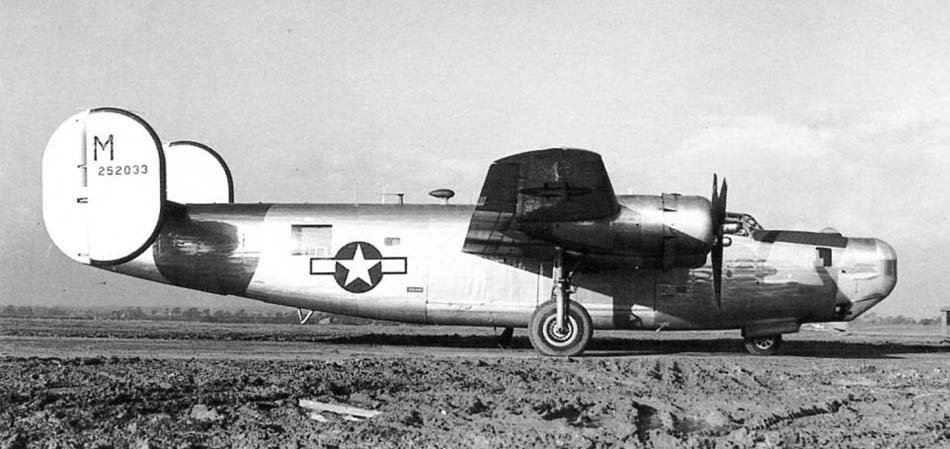
Unlike the C-87 cargo/passenger variant, all C-109s were produced by converting existing B-24 bombers. All armament and bombing equipment were removed, including the nose and tail turret installations, which were then covered with thin sheet metal fairings. The windows in the tail section were, however, not covered.
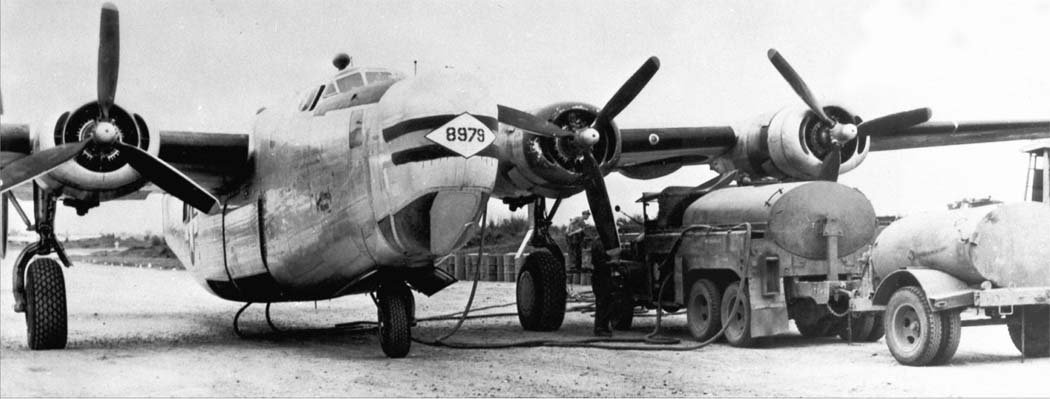
Inside the fuselage, eight fuel tanks were installed, capable of holding 2,900 US gallons of aviation fuel, equivalent to 10,978 liters. Most C-109s were equipped with a dual ADF (Automatic Direction Finder) system, featuring two antennas on the upper fuselage.
Design and Operational Challenges
The C-109 was stripped of all armament, although photographs exist showing some turrets were retained on a few aircraft. A total of 218 Liberators were converted to the C-109 standard at various modification centers across the United States.
These aircraft proved very difficult to handle when landing with a full load, especially if the runway length was less than 6,000 feet (approximately 1,830 meters). Furthermore, longitudinal stability was low when flying with a full forward tank, which often led to the C-109 being flown with this tank empty.
Service History and Fate
C-109s were initially used by the 20th Air Force in the Indochina-Burma theater to support B-29 operations from China. While 2,000 C-109s were initially planned, the order was canceled. This occurred after the B-29 Superfortress bases were relocated from China to the Mariana Islands, where they could be supplied with fuel by US Navy sea tankers.
By late 1944, the C-109s were transferred to the Air Transport Command. A limited number of C-109s saw restricted use in Europe before their eventual phasing out.
Technical Specifications
| Modification | C-109 |
| Wingspan, m | 33.53 |
| Length, m | 20.21 |
| Height, m | 5.45 |
| Wing area, m2 | 97.36 |
| Empty weight | 14200 |
| Normal takeoff weight | 2 8700 |
| Engine type | 4 Piston engines Pratt Whitney R-1830-43 Twin Wasp |
| Power, hp | 4 x 1200 |
| Maximum speed, km/h | 483 |
| Cruising speed, km/h | 346 |
| Practical range, km | 2253 |
| Service ceiling, m | 8534 |
| Crew, crew members | 4 |
| Payload | 8 fuel tanks with a total capacity of 10978 l |
Image and diagram gallery of the C-109 Fuel Transport
 C-109 |
 C-109 |
 C-109 |
 C-109 |
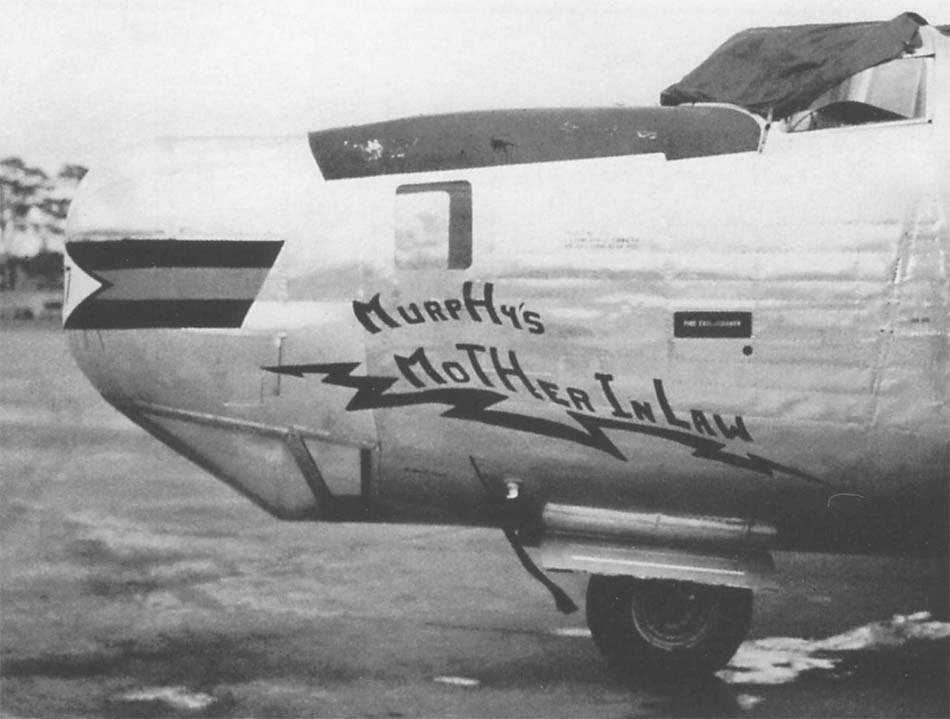 C-109 |
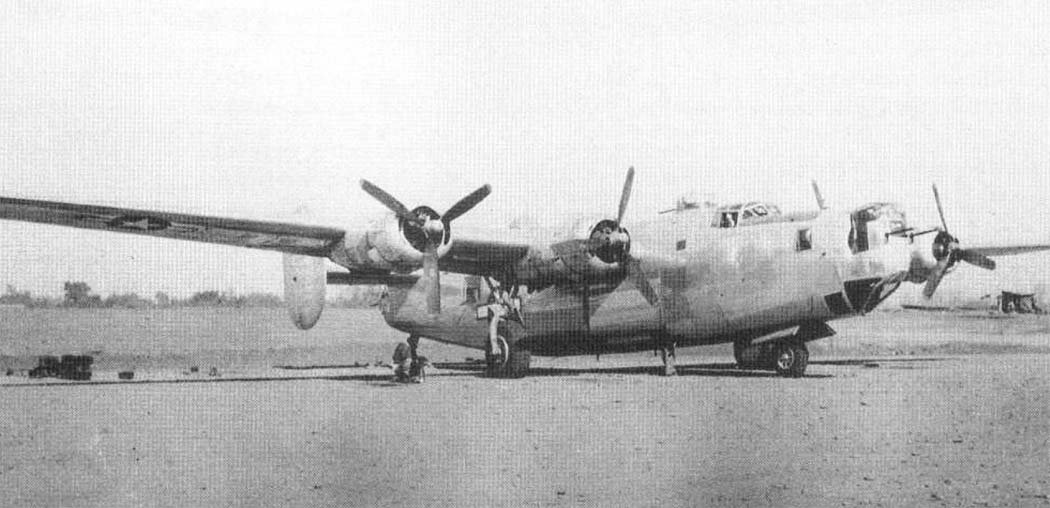 C-109 |
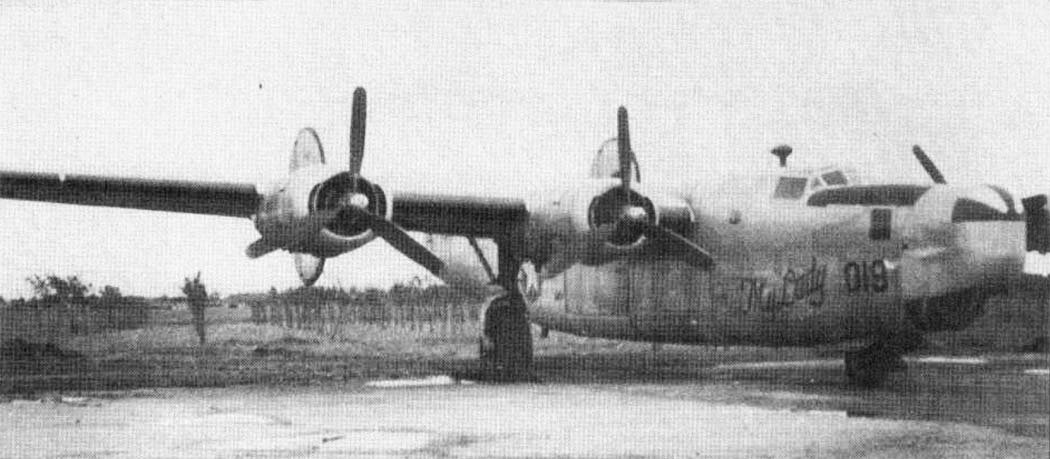 C-109 |
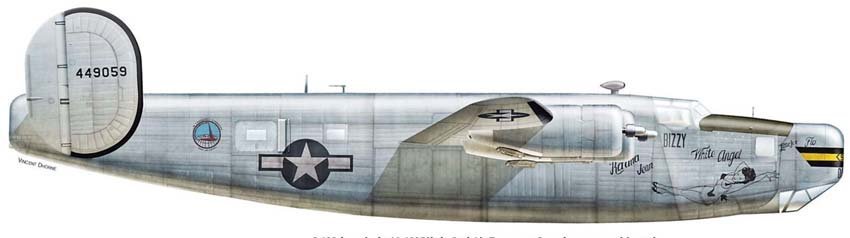 C-109 |
ArchivoAéreo Editorial Team
A group of aviation researchers and enthusiasts dedicated to documenting and preserving global aeronautical history. All articles are reviewed to ensure historical accuracy.
Sources & Accuracy
The information presented in this technical sheet has been compiled from declassified flight manuals, historical archives, and specialized literature. While we strive for maximum accuracy, some performance data may vary depending on the specific variant or operational conditions.