C-201 Alcotan
CASA (“Construcciones Aeronauticas SA”) was founded in 1923, with practical work beginning the following year with the licensed production of Breguet reconnaissance bombers. Over the years, CASA built many types of aircraft under license, including the Breguet Bre.19A.2, Dornier Do J Wal, and Vickers Vildebeeste.
Other notable licensed models included the Gotha Go 145A (CASA 1.145), Bu 131 Jungmann (CASA 1.131), Bucker Bu 133 Jungmeister (CASA 1.133), Junkers Ju52/3m (CASA 352L), and Heinkel He 111H-16 (CASA 2.111). The Heinkel aircraft were notably equipped with Rolls-Royce Merlin engines, a significant detail.
Post-War Licensed Production
After World War II, with aircraft design and production prohibited in Germany for several years, CASA played a crucial role. At the request of Claudius Dornier, CASA assembled a prototype of the Do 25 aircraft. Subsequently, the company built a batch of 50 Do 27 aircraft under license, designated CASA 127, specifically for the Spanish Air Force.
The most modern aircraft built under license by CASA was the Northrop F-5A Freedom Fighter. A total of seventy aircraft were ordered, comprising 19 single-seat SF-5A, 17 RF-5A reconnaissance versions, and 34 two-seat SF-5B trainers. The first company-assembled F-5s flew in May 1968, with production concluding in 1971.
CASA’s Indigenous Designs
Long before undertaking such advanced licensed production, CASA also embarked on designing its own aircraft. The first of these was the CASA III, a distinctive parasol-wing sports monoplane featuring a two-seat tandem cockpit. Designed in 1929, only 10 examples of this aircraft were manufactured, utilizing various engine types.
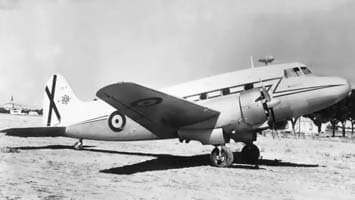
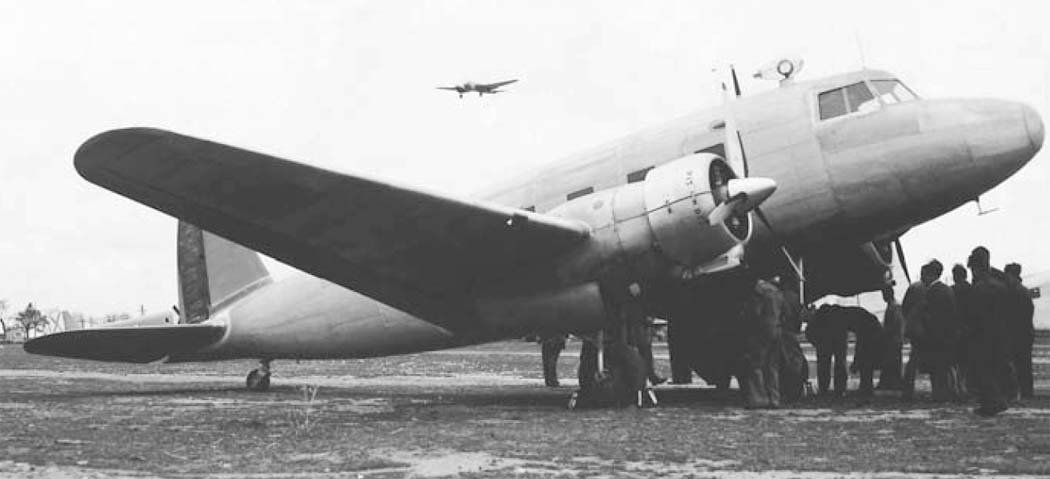
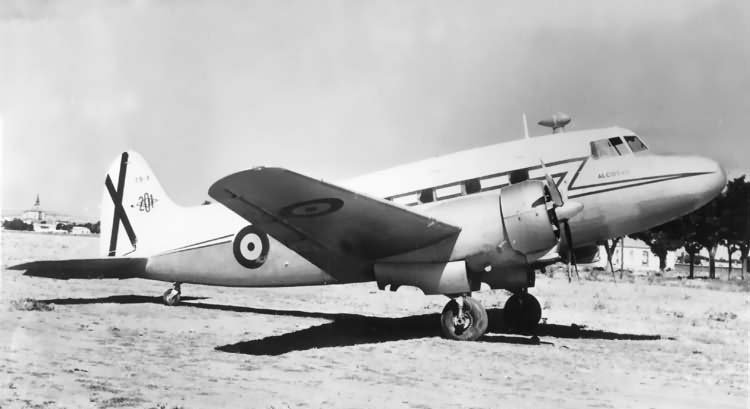
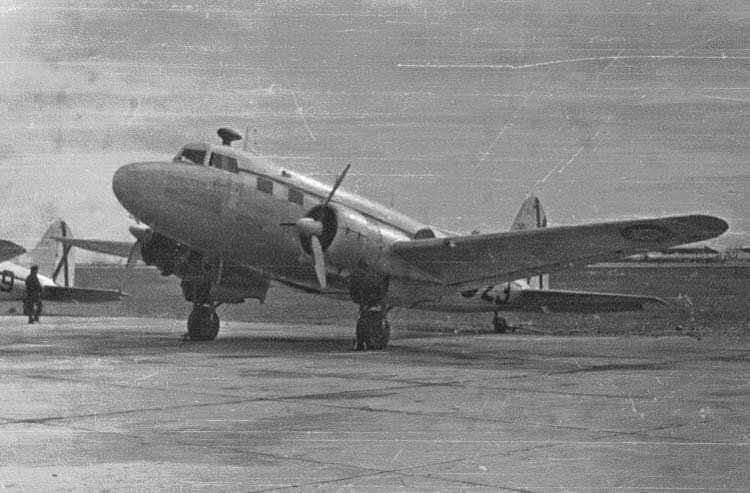
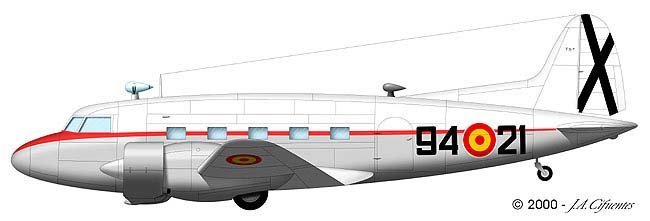
The company’s first indigenous transport aircraft was the twin-engine CASA C-201 Alcotan, whose prototype achieved its maiden flight in February 1949. This low-wing aircraft featured an almost entirely metal construction and a retractable tailwheel landing gear. Several variants with different engine types were proposed.
Following comprehensive testing of five prototypes, the Spanish Air Force placed an order for 112 production machines, which received the designation T.5. Production faced challenges due to a shortage of the standard Sirio S.VIIA radial engine, rated at 500 hp (373 kW). Consequently, some unfinished aircraft had to be stored, though several were ultimately completed with alternative Armstrong Siddeley Cheetah 27 radial engines, providing 475 hp (354 kW).
Technical Specifications
| Modification | C-201A |
| Wingspan, m | 18.40 |
| Aircraft length, m | 13.80 |
| Aircraft height, m | 3.85 |
| Wing area, m2 | 41.80 |
| Empty weight | 3550 |
| Maximum takeoff weight | 5095 |
| Engine type | 2 Piston engines Armstrong Siddeley Cheetah 27 |
| Power, hp | 2 x 475 |
| Maximum speed, km/h | 325 |
| Cruising speed, km/h | 310 |
| Economical speed, km/h | 365 |
| Practical range, km | 1000 |
| Practical ceiling, m | 5600 |
| Crew | 2 |
| Payload | up to 10 passengers |
Image and diagram gallery of the C-201 Alcotan
 C-201 Alcotan |
 C-201 Alcotan |
 C-201 Alcotan |
 C-201 Alcotan |
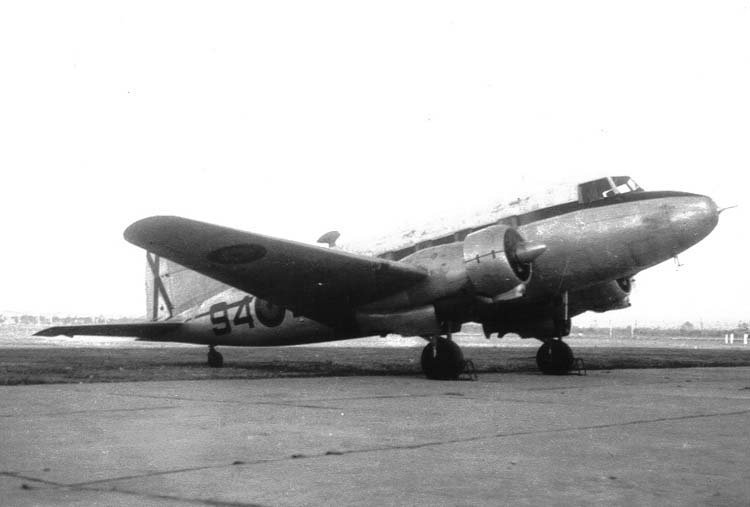 C-201 Alcotan |
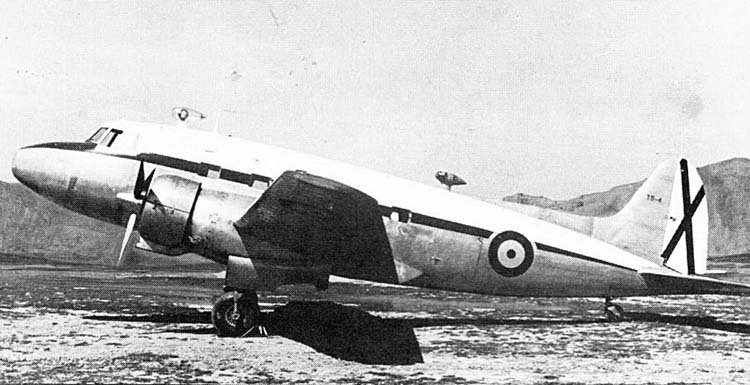 C-201 Alcotan |
 C-201 Alcotan |
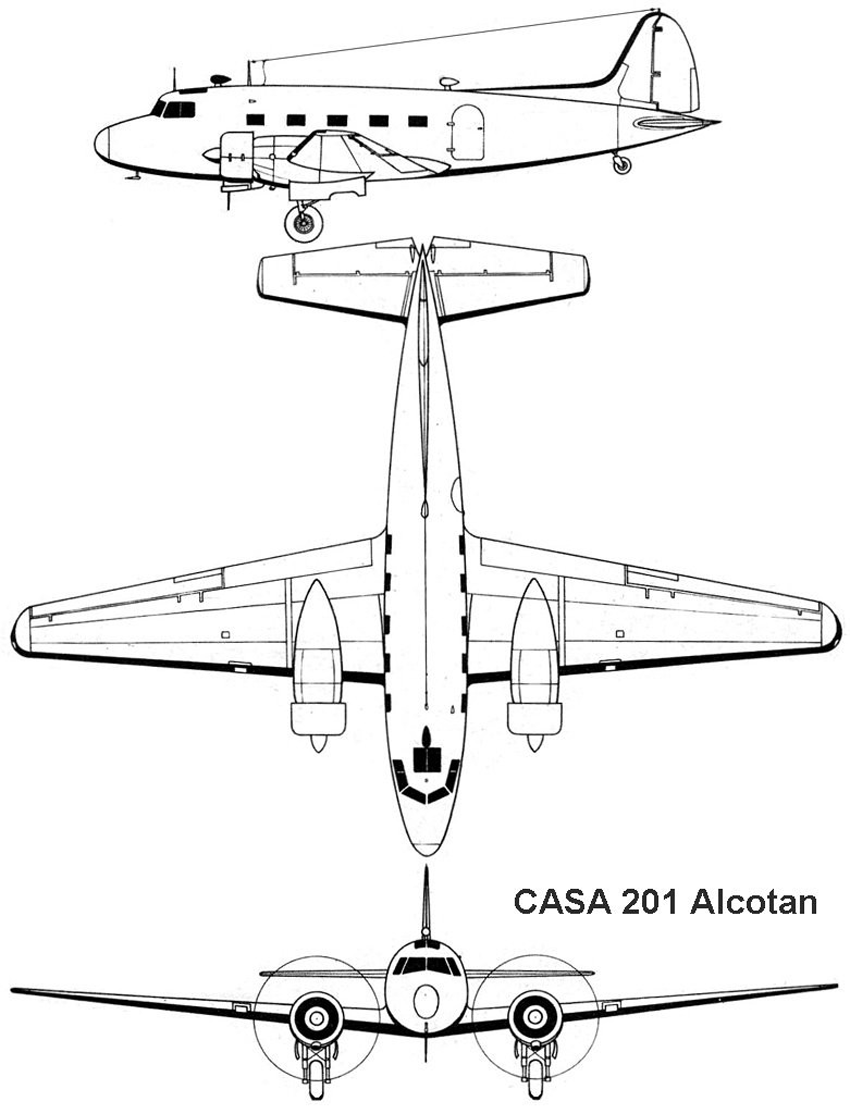 C-201 Alcotan |
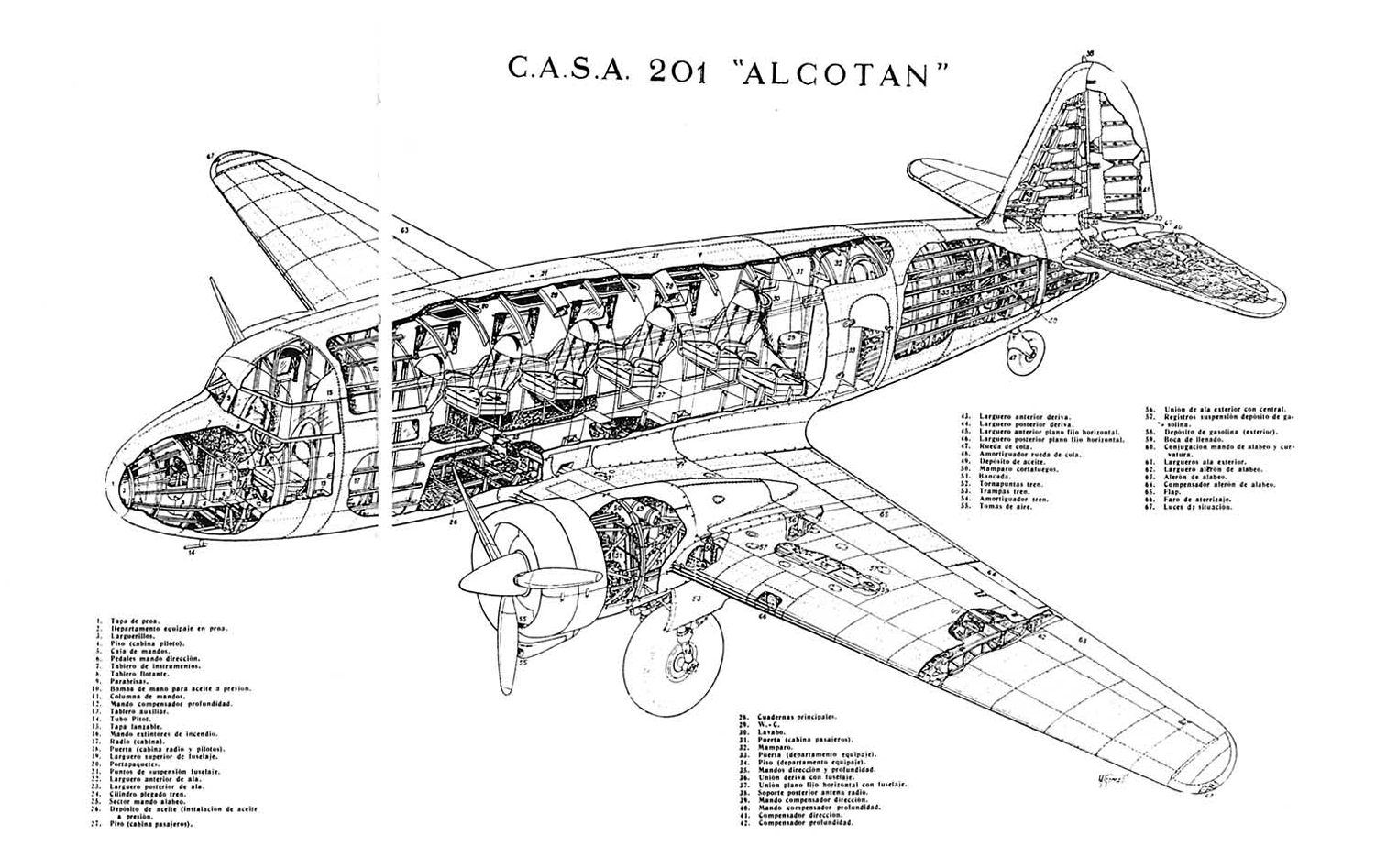 C-201 Alcotan |
 C-201 Alcotan. Photograph: Juan Antonio Guerrero |
 C-201 Alcotan. Photograph: Juan Antonio Guerrero |
ArchivoAéreo Editorial Team
A group of aviation researchers and enthusiasts dedicated to documenting and preserving global aeronautical history. All articles are reviewed to ensure historical accuracy.
Sources & Accuracy
The information presented in this technical sheet has been compiled from declassified flight manuals, historical archives, and specialized literature. While we strive for maximum accuracy, some performance data may vary depending on the specific variant or operational conditions.