C-207 Azor
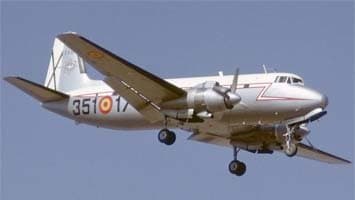
After the end of World War II, Spanish industry produced four different types of twin-engine transport aircraft. The first was the modestly sized CASA 201 Alcotan, followed by the CASA 202 Halcon; both were produced in small quantities.
The third model, the CASA 207 Azor, was an enlarged modification of the Halcon aircraft. Its first flight took place on September 28, 1955. Despite finding no buyers initially, the aircraft was saved from oblivion by the Spanish government, which placed an initial order for ten aircraft for the Spanish Air Force.
The Azor, operated by a crew of four, featured a cabin capable of accommodating up to 40 passengers. This model, designated T.7A, entered service in 1960; two aircraft were experimentally fitted with Pratt & Whitney Double Wasp engines.
Variants and Service
The initial batch was followed by the production of another ten aircraft, configured as cargo or paratrooper transports. Designated CASA 207C (military designation T.7B), these featured a large double-leaf cargo door in the rear fuselage.
These models could carry up to 37 paratroopers or 3350 kg of cargo. The two CASA 207 prototypes, as well as the 20 production Azor aircraft, were used by the Spanish Air Force.
Legacy and Successor
In 1973, CASA proposed the four-engine turboprop CASA 401 as a replacement for the Azor. However, preference was given to the twin-engine turboprop CASA 212 Aviocar.
Technical Specifications
| Modification | CASA 207С |
| Wingspan, m | 27.80 |
| Length, m | 20.85 |
| Height, m | 7.75 |
| Wing area, m2 | 85.80 |
| Empty weight | 10600 |
| Maximum takeoff weight | 16500 |
| Engine type | 2 Piston engines Bristol Hercules 730 |
| Power, hp | 2 x 2040 |
| Maximum speed, km/h | 455 |
| Cruising speed, km/h | 400 |
| Economical speed, km/h | 365 |
| Practical range, km | 6200 |
| Operational range, km | 2350 |
| Service ceiling, m | 8000 |
| Crew, crew | 3 |
| Payload | 40 passengers or up to 37 paratroopers or up to 3350 kg of cargo |
Image and diagram gallery of the C-207 Azor
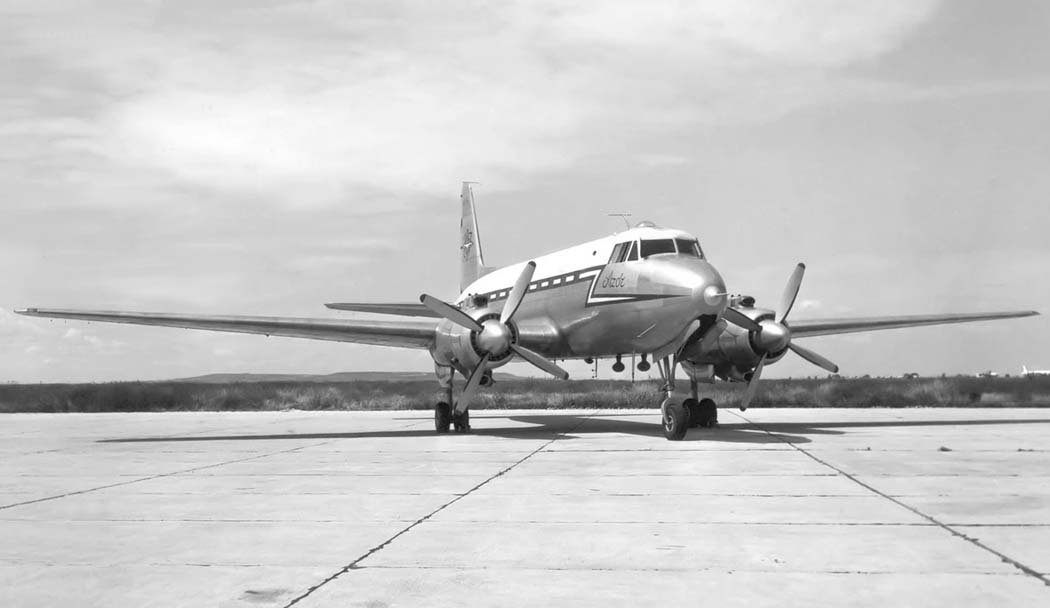 C-207 Azor |
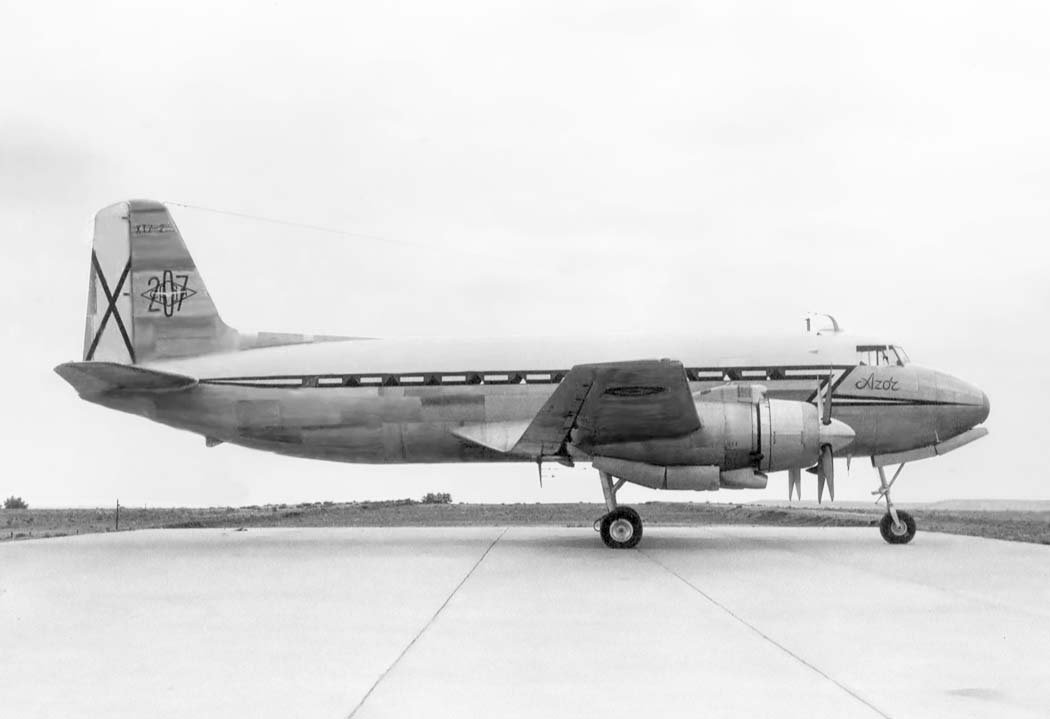 C-207 Azor |
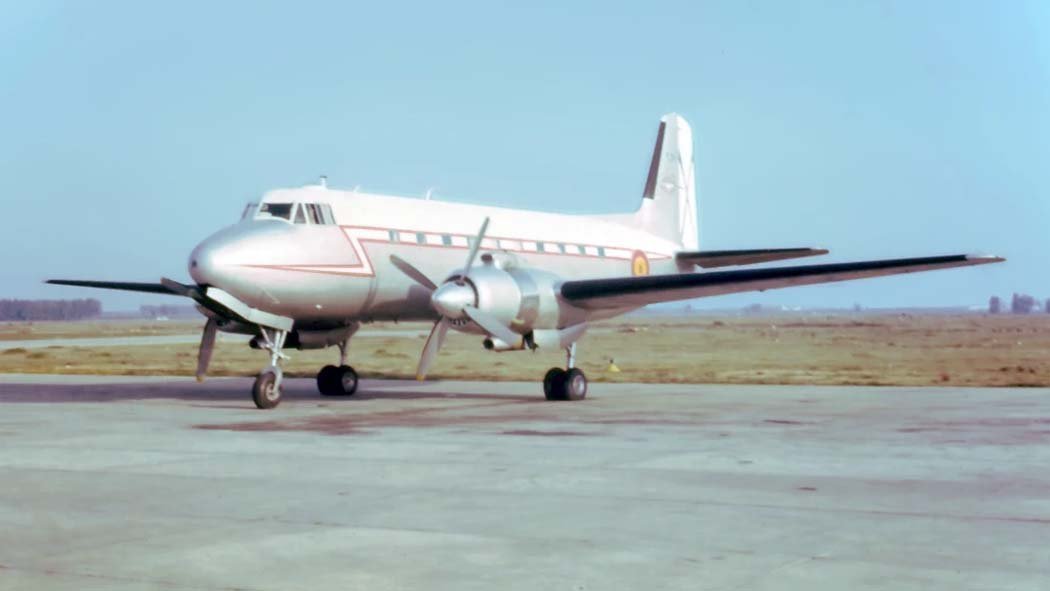 C-207 Azor |
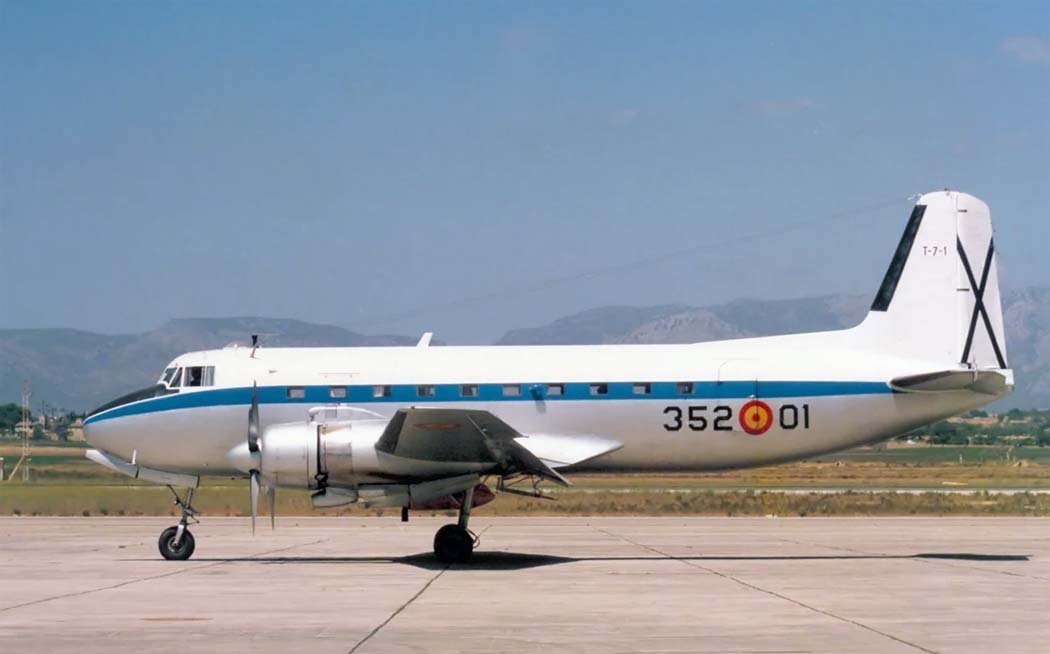 C-207 Azor |
 C-207 Azor |
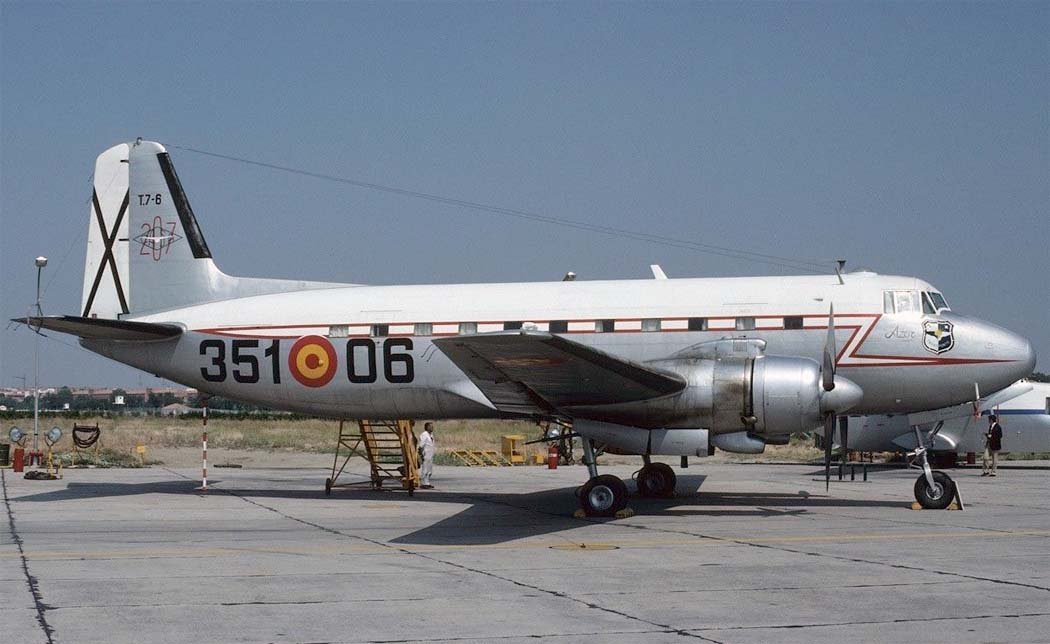 C-207 Azor |
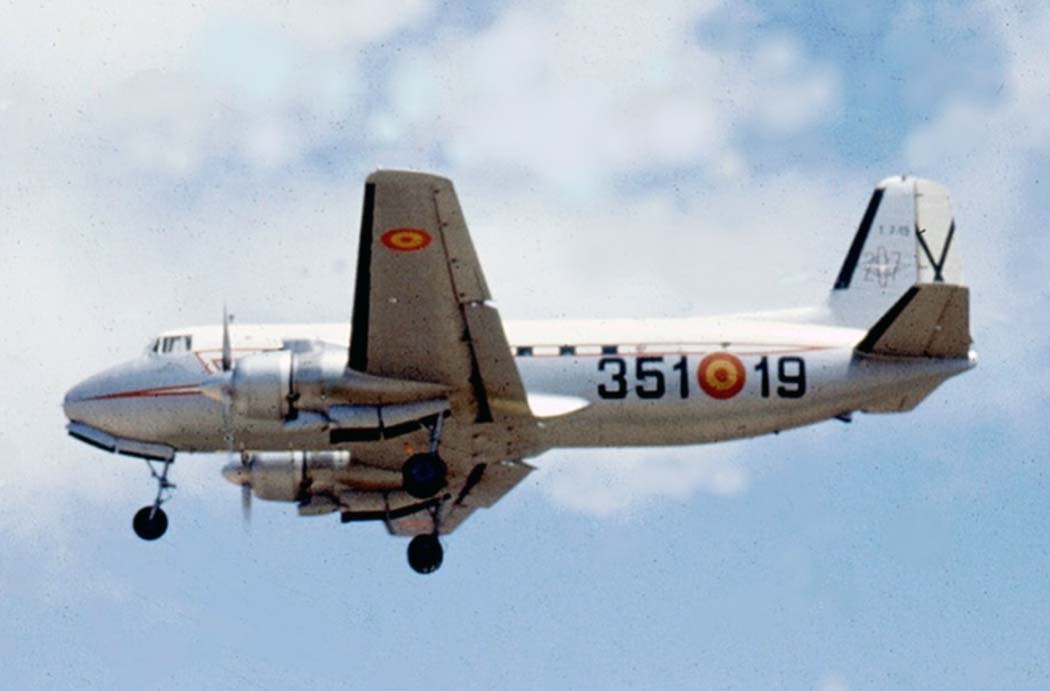 C-207 Azor |
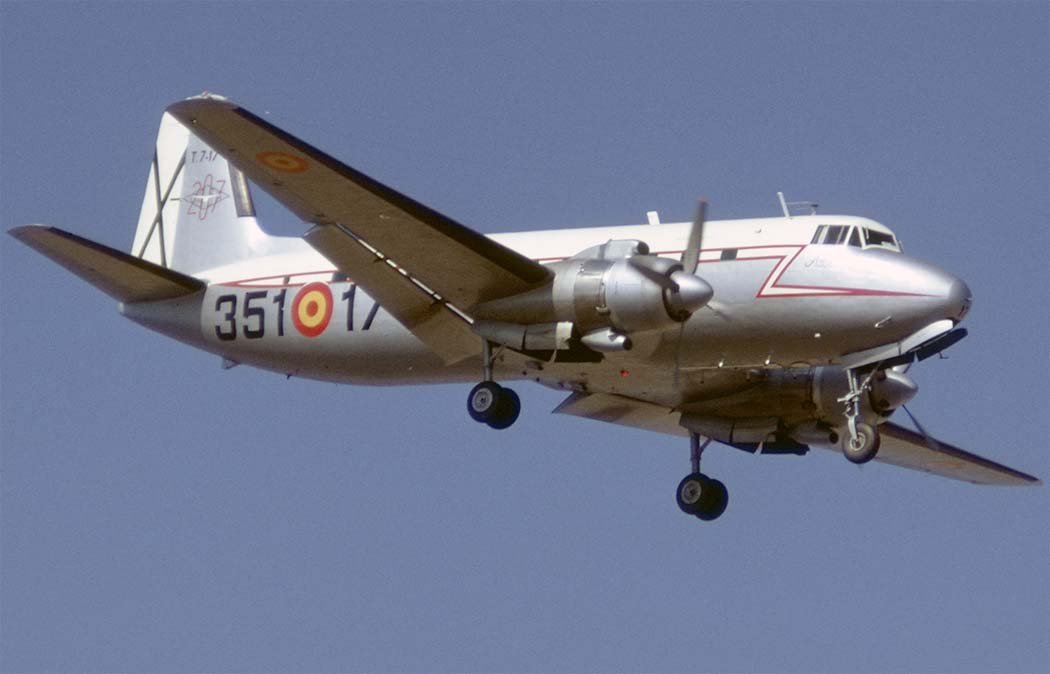 C-207 Azor |
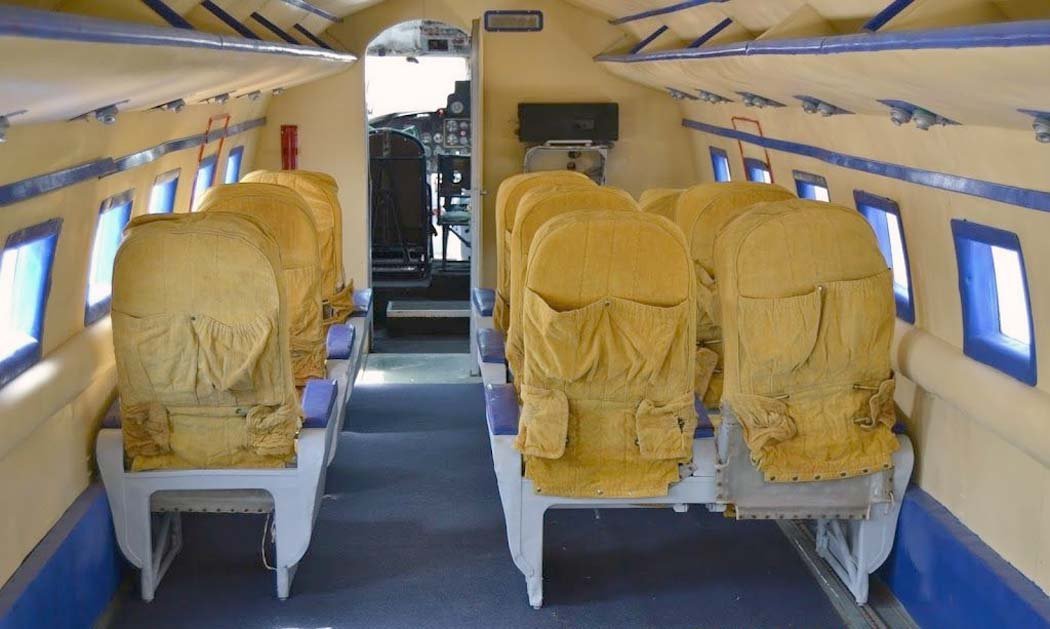 C-207 Azor |
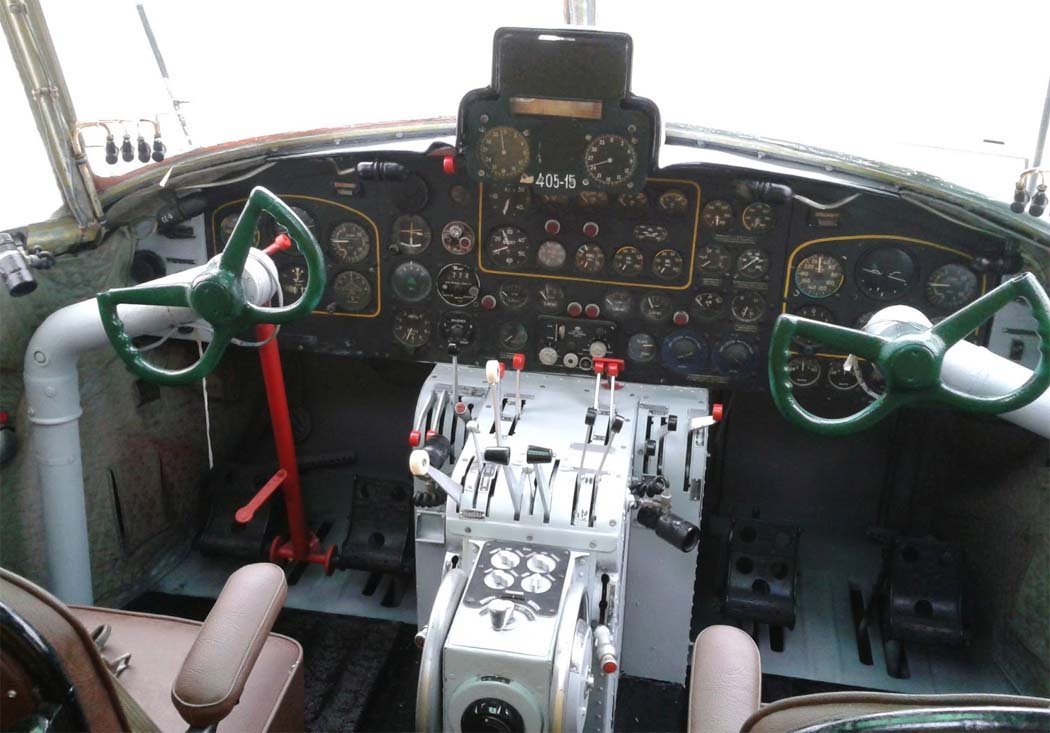 C-207 Azor |
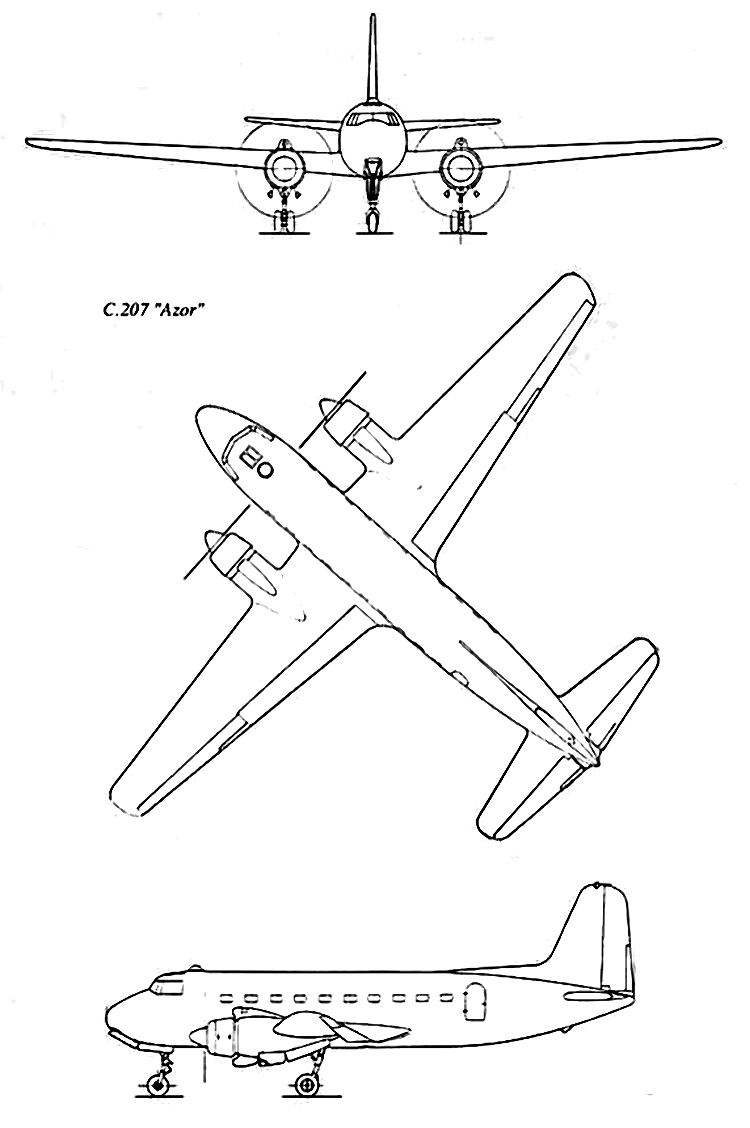 C-207 Azor |
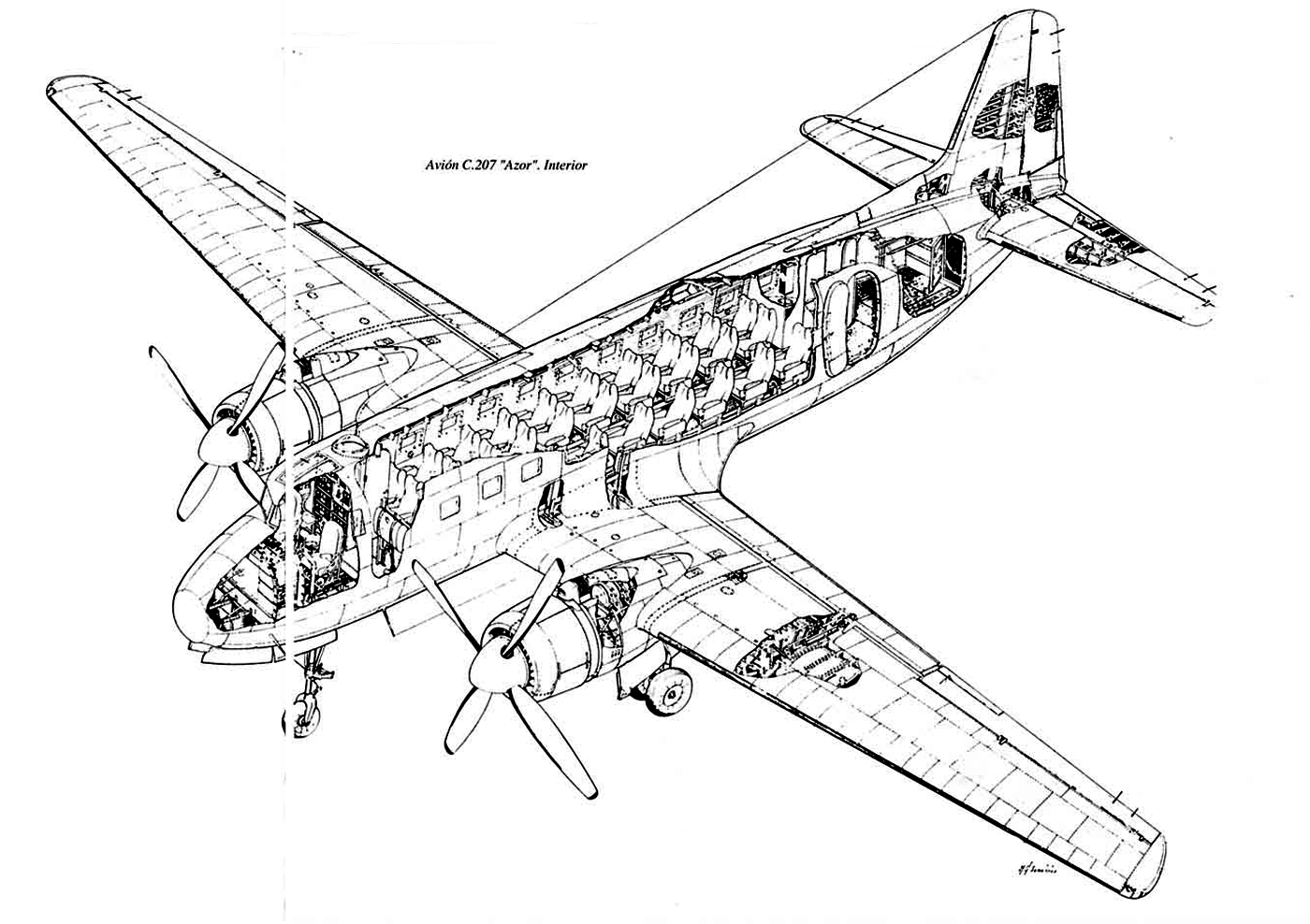 C-207 Azor |
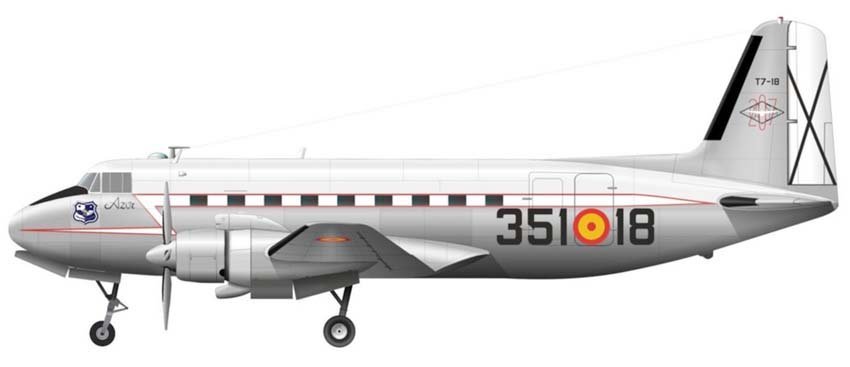 C-207 Azor |
ArchivoAéreo Editorial Team
A group of aviation researchers and enthusiasts dedicated to documenting and preserving global aeronautical history. All articles are reviewed to ensure historical accuracy.
Sources & Accuracy
The information presented in this technical sheet has been compiled from declassified flight manuals, historical archives, and specialized literature. While we strive for maximum accuracy, some performance data may vary depending on the specific variant or operational conditions.