C-3 (Siebel Si 204)
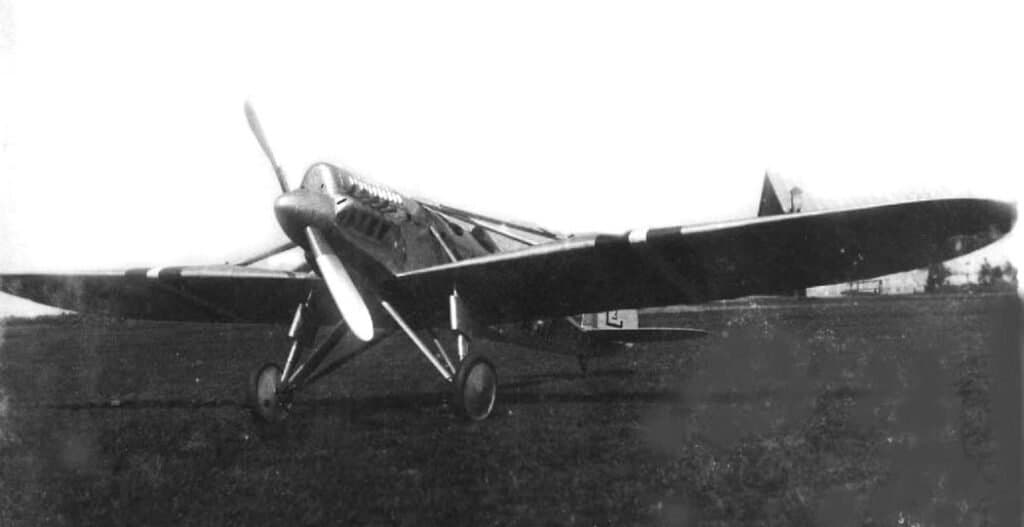
Versatile C-3 Variants
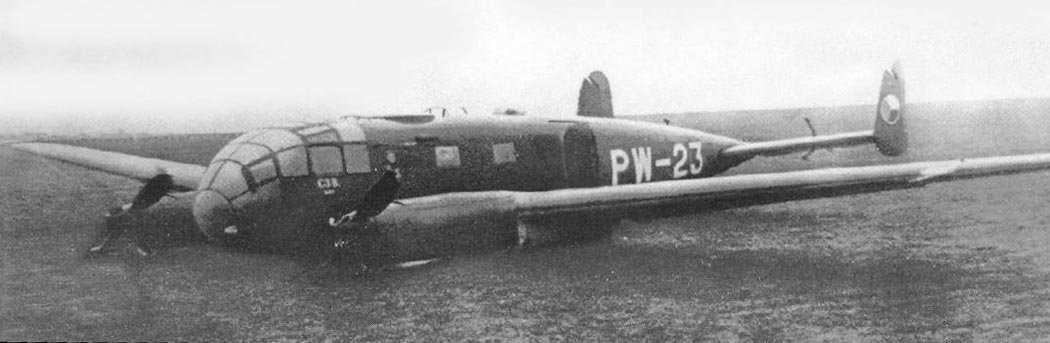
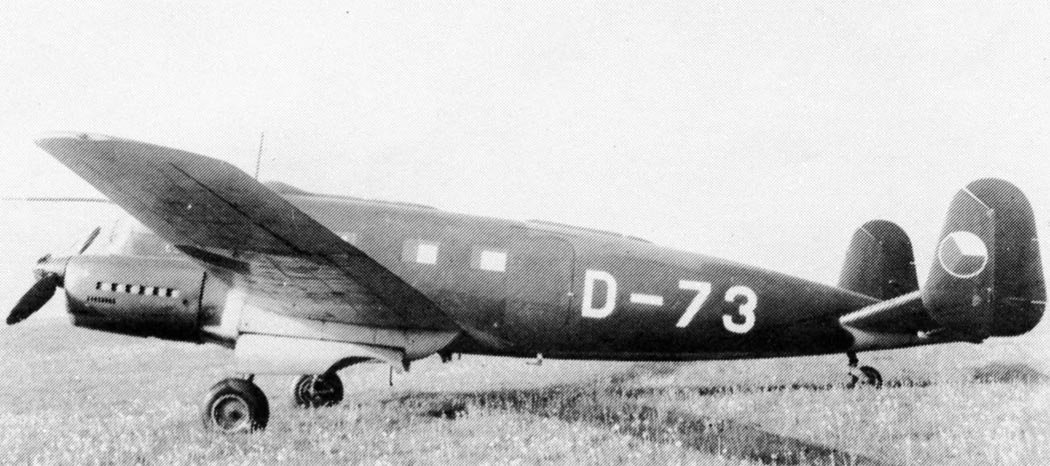
The C-103s used by the military aviation were designated C-3D. Each unit of the Czechoslovak Air Force received one such aircraft for transport purposes. Specifically for military use, the C-3A was built as a trainer for pilot instruction, the C-3AN as a flying navigation classroom, and the C-3AF for aerial photography.
The C-3AF featured single controls and carried three German cameras: Rb20/30, Rb50/30, and Rb75/30. Externally, it was distinguished by a large observation blister on the starboard side and an additional window on the same side, where a machine gun could be installed if necessary. Between 1950 and 1958, these aircraft were converted into civilian cartographic C-3AFG variants, adding four more cameras—including two perspective ones (forward and sideways)—and a hand-held camera for the navigator, to the existing three.
The C-3B Bomber Role
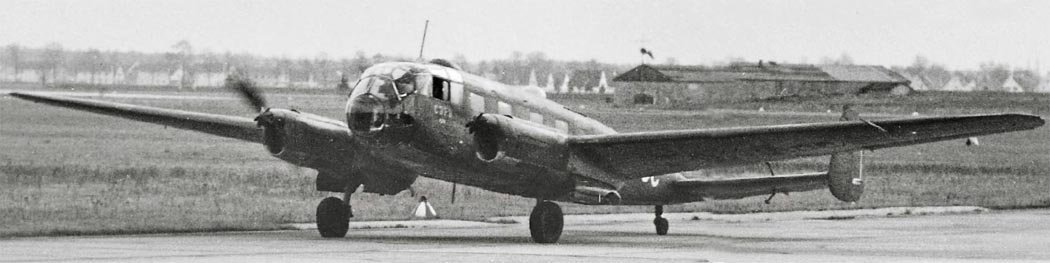
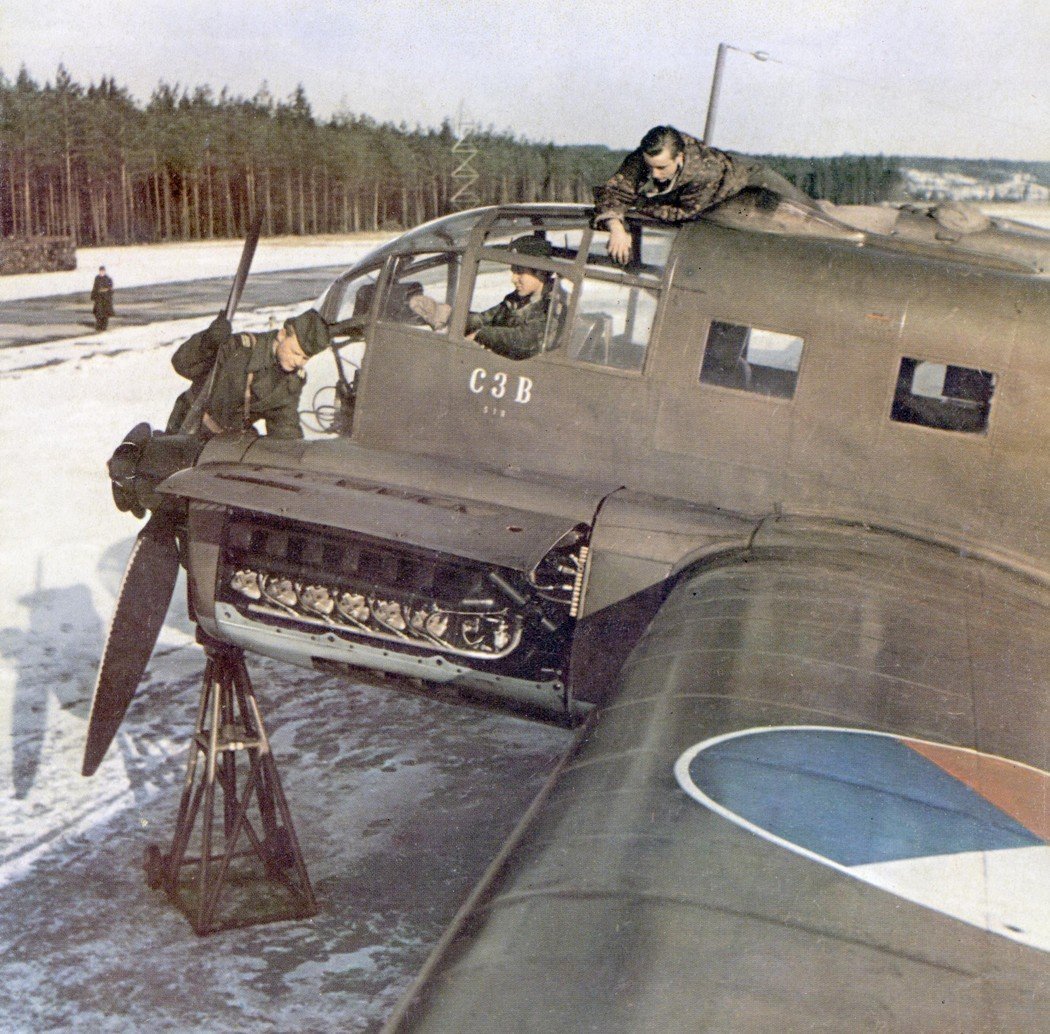
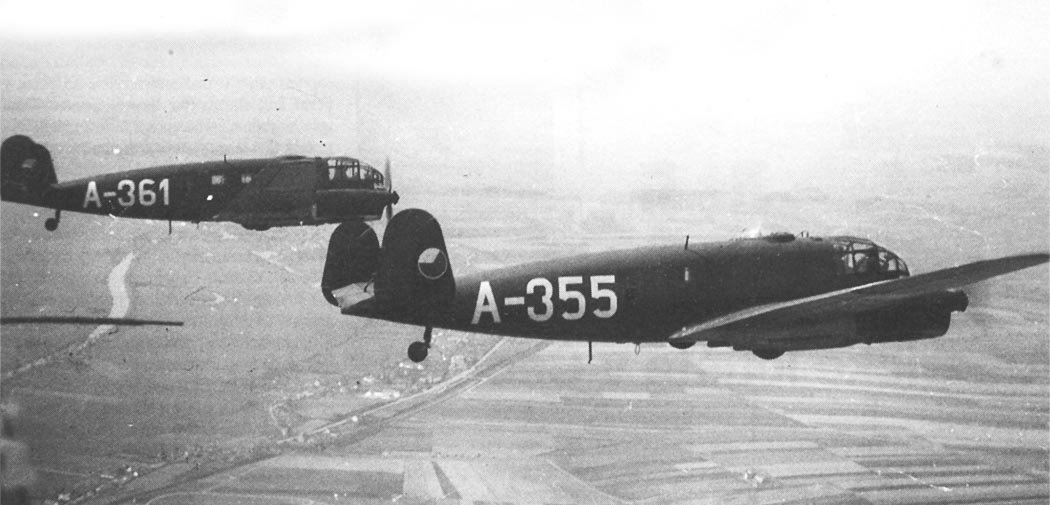
Based on the German Si-204E, the Czechs developed their C-3B modification. This variant served not only as a combat trainer but also as a “true” bomber. By the late 1940s, the Pe-2s and Mosquitoes acquired immediately after the war were worn out, and the jet Il-28s from the USSR had not yet arrived, making the C-3B the sole bomber in the Czechoslovak Air Force during this period.
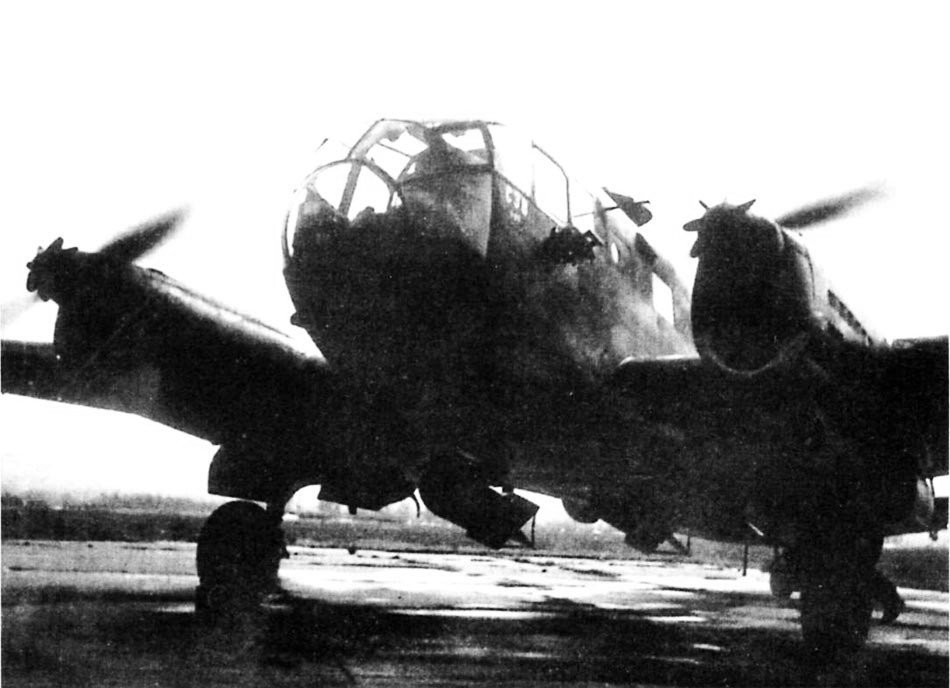
The basic C-3B bomber variant could carry up to 800 kg of bombs, with individual bomb calibers up to 250 kg, on external and internal hardpoints. Its light armament initially consisted of a single machine gun in the starboard window. Some aircraft were equipped with four 13mm vz.131 machine guns (the same as the MG 131), with one mounted on a top DL 131 turret, two fixed in the nose, and a fourth in the window, each supplied with 500 rounds. These aircraft externally differed from the Si-204E by having a blister above the cockpit in the mid-fuselage for astronavigation. The C-3B crew comprised four individuals: pilot, navigator, radio operator, and gunner. Some early C-3Bs were converted from captured German Si-204D aircraft. The final C-3B variant was the C-3BV, an unarmed target-sleeve tug.
Service and Legacy
In the late 1940s, the C-3B was the primary bomber of the Czechoslovak Air Force. For example, the 24th and 25th regiments in Havlíčkův Brod were fully equipped with these aircraft, totaling about 60 machines. On October 25, 1949, 60 “Siebels” flew in formation over Prague. From 1950 onwards, the C-3B was gradually withdrawn from military service and transferred to civil aviation and the local defense society “Svazarm.” Two “Siebels” continued to fly with “Svazarm” until 1960.
Technical Specifications
| Modification | C-3 A |
| Wingspan, m | 21.28 |
| Length, m | 11.95 |
| Height, m | 4.28 |
| Wing area, m2 | 46.00 |
| Empty weight | 3960 |
| Maximum takeoff weight | 5400 |
| Engine type | 2 Piston engine Argus As 411 |
| Power, hp | 2 x 580 |
| Maximum speed, km/h | 380 |
| Cruising speed, km/h | 310 |
| Practical range, km | 1410 |
| Practical ceiling, m | 7500 |
| Crew, crew members | 2 |
| Payload | 6-9 passengers |
Image and diagram gallery of the C-3 (Siebel Si 204)
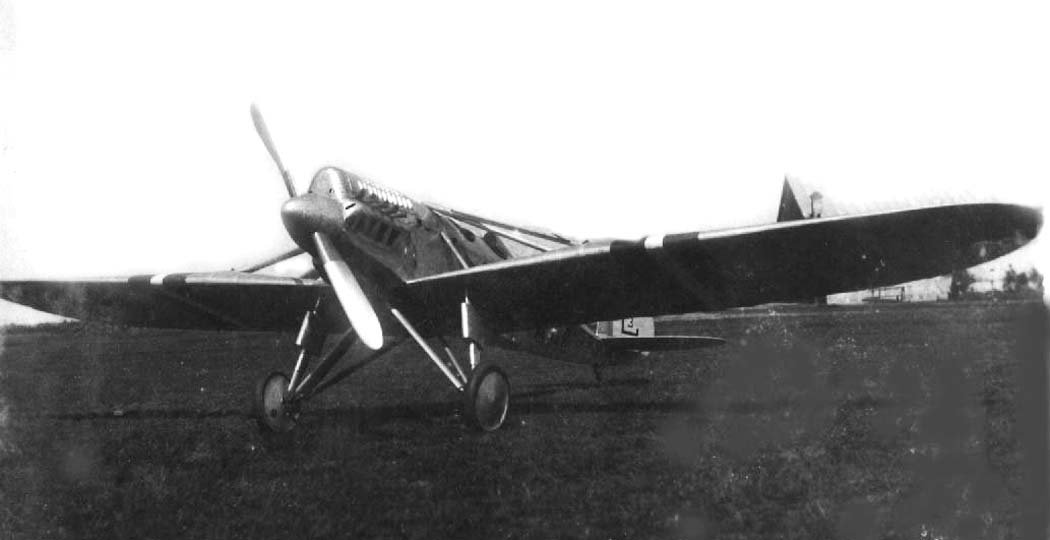 C-3 |
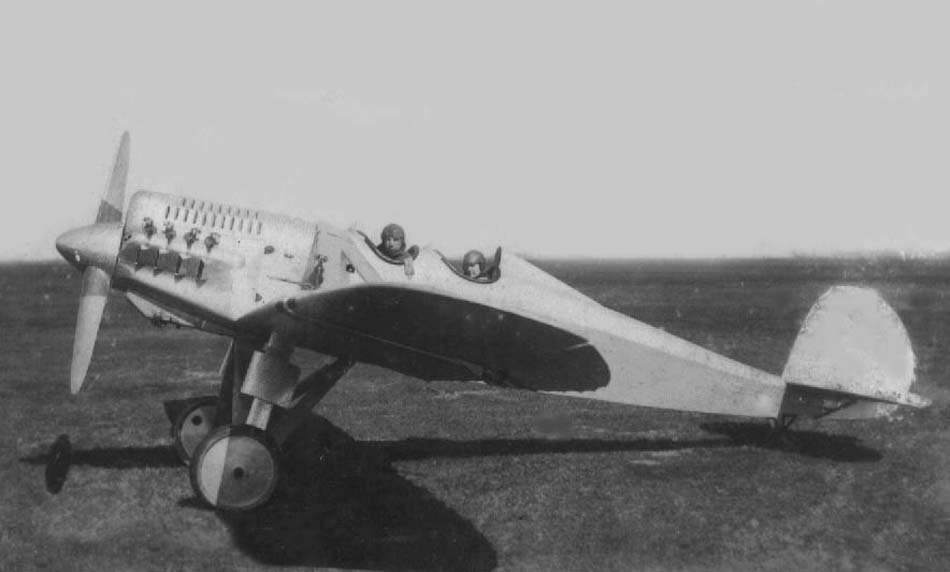 C-3 |
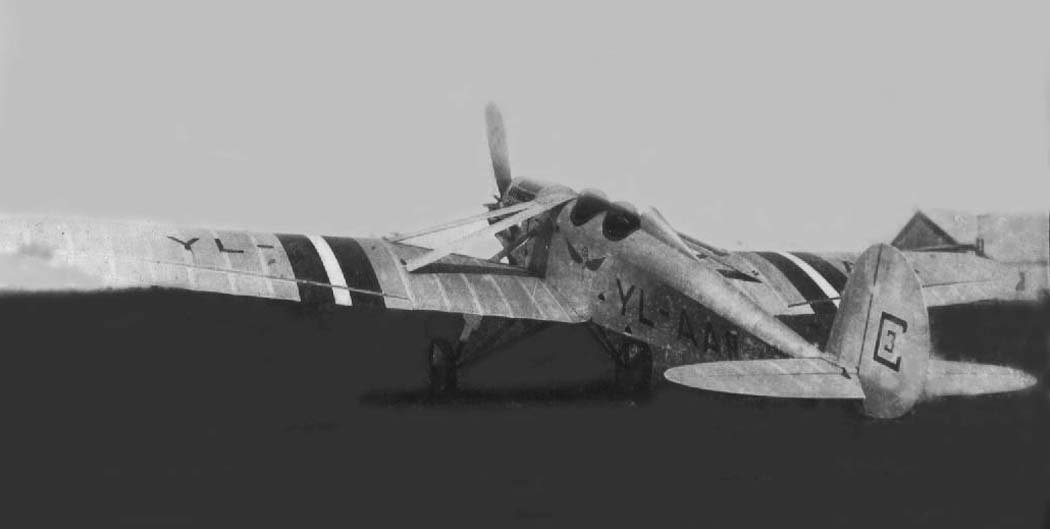 C-3 |
 C-3 |
 C-3 |
 C-3 |
 C-3 |
 C-3 |
 C-3 |
 C-3 |
 C-3 |
 C-3 |
 C-3 |
 C-3 |
 C-3 |
 C-3 |
ArchivoAéreo Editorial Team
A group of aviation researchers and enthusiasts dedicated to documenting and preserving global aeronautical history. All articles are reviewed to ensure historical accuracy.
Sources & Accuracy
The information presented in this technical sheet has been compiled from declassified flight manuals, historical archives, and specialized literature. While we strive for maximum accuracy, some performance data may vary depending on the specific variant or operational conditions.