C-45 Expeditor
Early Development and Wartime Variants
Mass production of the “18” family of aircraft began after the United States entered World War II. The U.S. Army and Navy became the primary customers, ordering transport and training models based on various Beechcraft modifications.
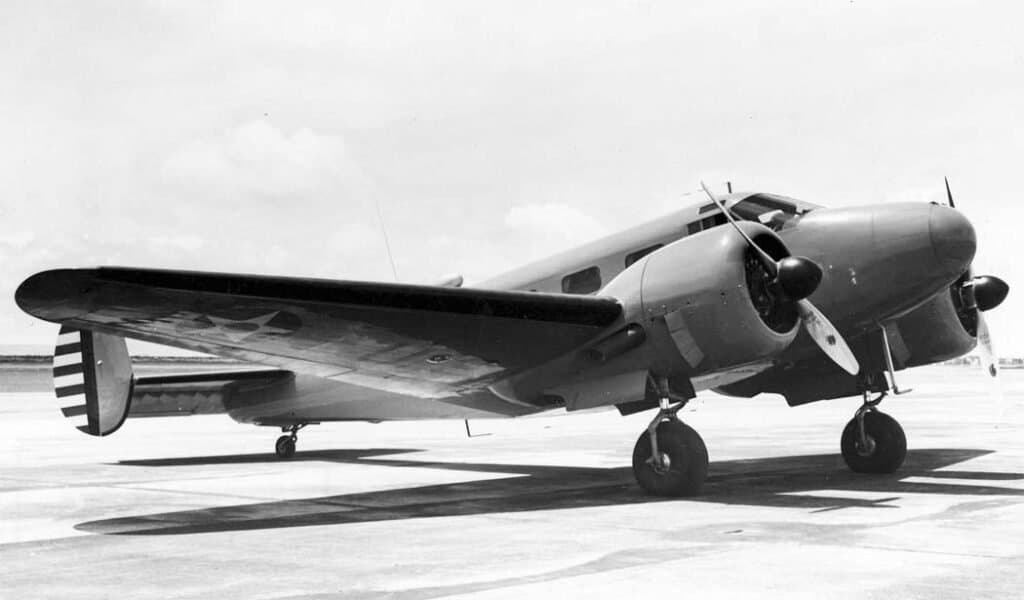
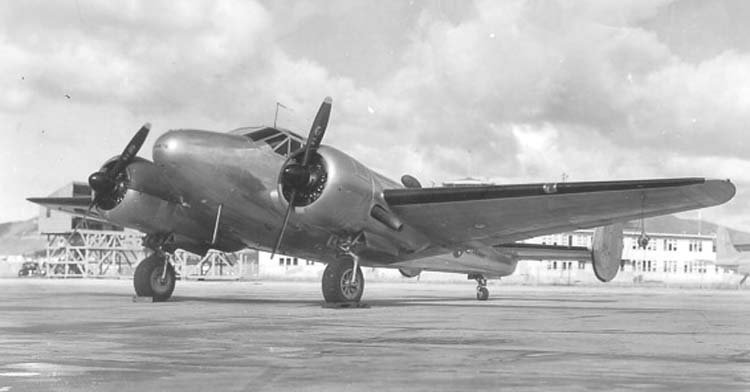
The light military transport aircraft C-45 “Expeditor” (designated UC-45 from January 1943), powered by R-985-17 engines, formed the basis of this line. Its prototype, the XC-45, was released for testing in 1940. The military transport differed from its civilian C18S counterpart mainly in its simplified cabin trim and equipment that met customer standards. The C-45 carried six passengers and was unarmed. In 1942, only 11 such aircraft were built.
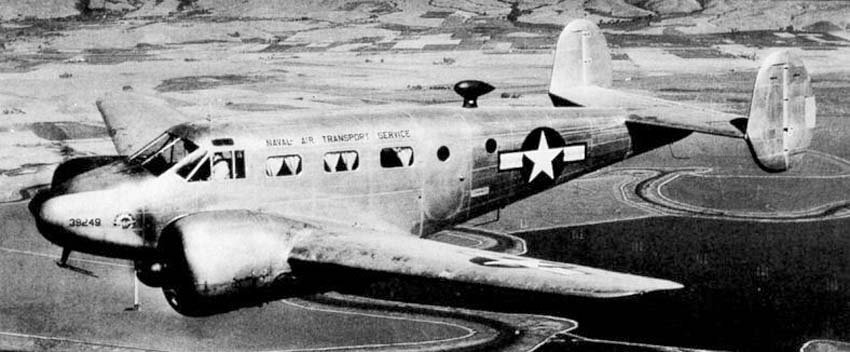
This was followed by the C-45A (UC-45A) with eight seats and R-985-AN1 engines (later aircraft featured R-985-AN3 or R-985-B5). Concurrently, the naval aviation received the similar JRB-2, with five seats, R-985-17 engines, and equipment according to naval standards. Twenty C-45As and 15 JRB-2s were manufactured.
The C-45B (UC-45B) had six passenger seats and differed from the C-45 with improved equipment, a reconfigured cabin, and C-45A type engines. A total of 223 such aircraft were ordered, but the contract was not fully executed, as it was canceled after the victory over Japan. Some aircraft were sent to Great Britain under Lend-Lease as “Expeditor” I. A similar type was supplied to naval aviators under the designation JRB-3, with 23 examples produced.
The C-45C designation covered two civilian C18S type aircraft acquired by the U.S. Army Air Forces. The final transport variant was the C-45F (UC-45F), featuring seven seats and an extended fuselage nose section. 1137 of these were manufactured, with some going to Great Britain as “Expeditor” II and to Canada as “Expeditor” III. The C-45F modification for the Navy was the JRB-4, with 328 aircraft.
Global Deployment and Lend-Lease Operations
C-45s initially served only within the continental United States, gradually spreading to all theaters of war. They transported spare parts, medicines, food, and ammunition, were used as liaison aircraft, and evacuated the wounded and sick. Often, one or two C-45s were attached to aviation units and formations.
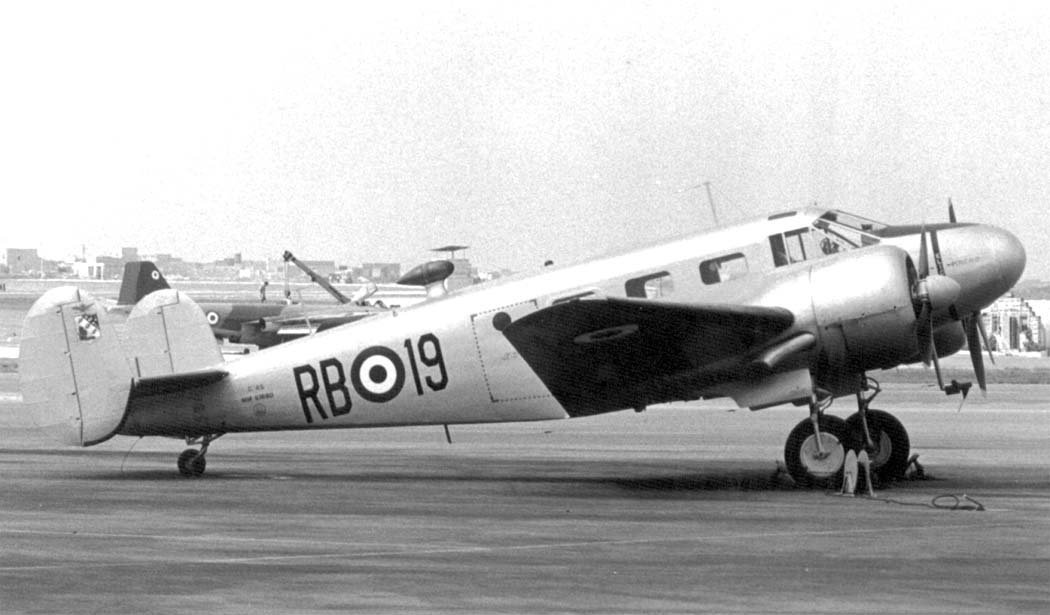
Great Britain received 416 “Expeditors” via Lend-Lease. Initially, they were used for training multi-engine pilots, and from 1943 in Ceylon, and later in India and Burma, as liaison aircraft. Some machines were operated in this role in Great Britain itself. “Expeditors” were used by both the RAF, where they served until 1946, and naval aviation, which acquired an additional 25 aircraft after the war.
Canada purchased six civilian A18, B18, B18S, and D18 modifications from the U.S., then received an additional 28 via Lend-Lease. Canadian “Expeditors” operated solely within their territory as training and liaison aircraft.
In 1941, General de Gaulle’s “Free France” acquired one civilian Beechcraft, based in Douala, Cameroon. Later, Americans supplied 25 UC-45F transports via Lend-Lease. The French utilized “Expeditors” from the summer of 1944 in North Africa, then on the front lines in southern France and Germany.
Through military aid programs, many Latin American countries received such aircraft. From August 1942, they were in service in Brazil (12 aircraft); from July 1943, in Mexico (3); and from June 1944, in Colombia (11 UC-45F). In January 1945, one C-45 crashed during a ferry flight to Chile, soon replaced by another. In April of the same year, one UC-45F and one F-2B were delivered to Cuba. In May 1945, two UC-45Fs went to Paraguayan aviation.
Some UC-45Fs were converted into CQ-3 flying target control aircraft, which were renamed DC-45F in July 1948. Like the C-45, these machines were also supplied to allies.
Post-War Modernizations and Enduring Service
In the post-war period, the C-45 and civilian variants were repeatedly modified by small companies, workshops, and even private individuals. The “Pacific Automotive” firm readily “re-skinned” former military C-45s and civilian D18S models at customer request, marketing them under the “Tradewind” brand. They created both luxurious cabins with five comfortable upholstered seats and “cattle cars” with simplified seating for 11 passengers, packed like sardines.
C-45s were used during the Indochina War by “Air America,” a CIA-funded airline. At its request, in 1963-64, “Conrad Conversions” modified a dozen aircraft based on engineer B. Israel’s design. They redesigned the landing gear doors, altered the engine cooling system and exhaust pipes, and changed the wingtips. The takeoff weight of this variant, named “Conrad 10-2,” reached 4600 kg.
Many previously manufactured aircraft of the “18” family remained with the U.S. military. Between 1951 and 1955, aircraft belonging to the Air Force underwent modernization. Their center wings were replaced, the fuselage was modified, and in some cases, a nose-wheel landing gear was installed. Approximately 900 aircraft passed through these repair bases. Some AT-7s and AT-11s were converted into C-45G transports, receiving R-985-AN3 engines, autopilots, and improved instrument and radio equipment. Thus, 372 examples were modernized. Ninety-six TC-45G aircraft were intended for training multi-engine pilots.
In parallel, AT-7s and AT-11s were modified into the C-45H variant, featuring R-985-AN1-14B engines, based on the civilian D18S type. These machines lacked autopilots. A total of 432 C-45H transports and TC-45H trainers emerged. Naval aviation implemented a similar program, naming their modernized aircraft SNB-5 (transports) and SNB-5P (training aerial reconnaissance). These upgrades extended the life of the wartime Beechcrafts. They operated in the Air Force until 1963, in naval aviation until 1972, and the last C-45s served the U.S. Army until 1976.
Technical Specifications
| Modification | C-45A |
| Wingspan, m | 14.53 |
| Length, m | 10. 41 |
| Height, m | 3.15 |
| Wing area, m2 | 32.40 |
| Empty weight | 2 800 |
| Maximum takeoff weight | 3959 |
| Engine type | 2 Piston engines Pratt Whitney R-985-AN-12 Wasp Junior |
| Power, hp | 1 х 450 |
| Maximum speed, km/h | 36 0 |
| Cruising speed, km/h | 250 |
| Practical range, km | 1900 |
| Maximum rate of climb, m/min | 564 |
| Service ceiling, m | 7930 |
| Crew | 2 crew members |
| Payload | 8 passengers |
Image and diagram gallery of the C-45 Expeditor
 C-45 Expeditor |
 C-45 Expeditor |
 C-45 Expeditor |
 C-45 Expeditor |
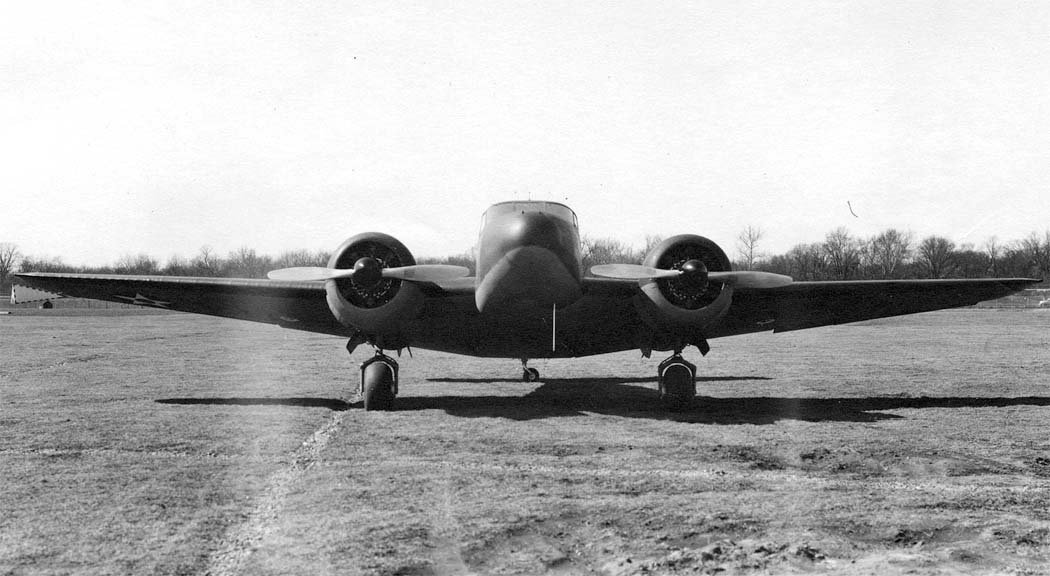 C-45 Expeditor |
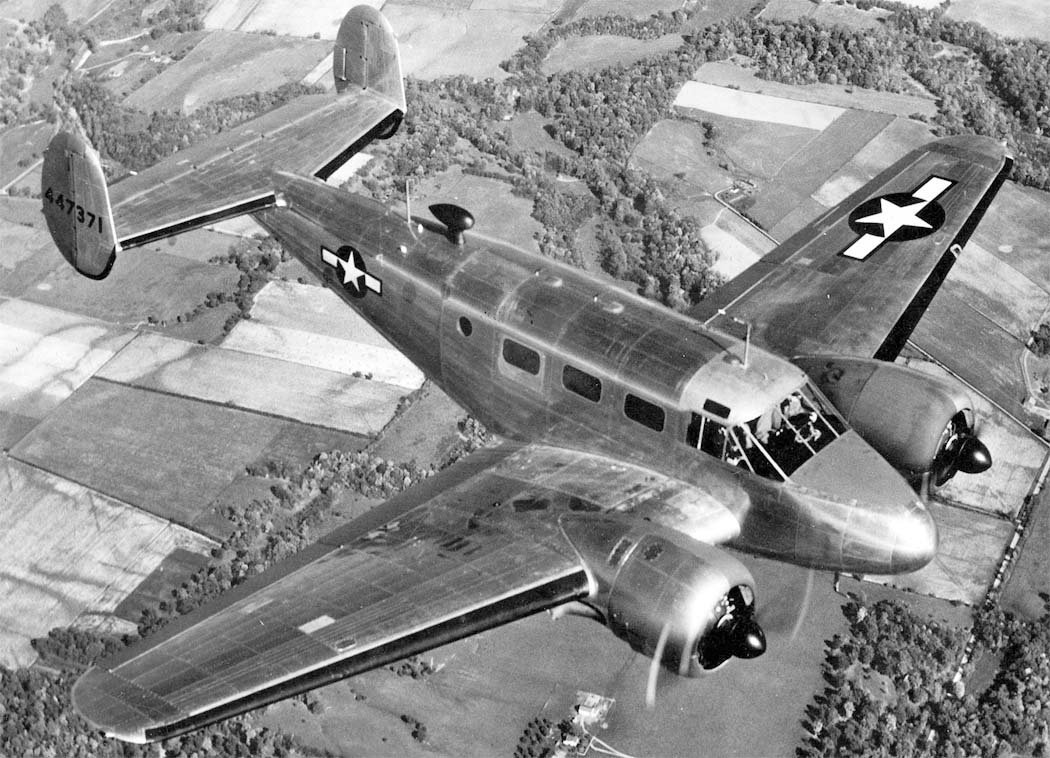 C-45 Expeditor |
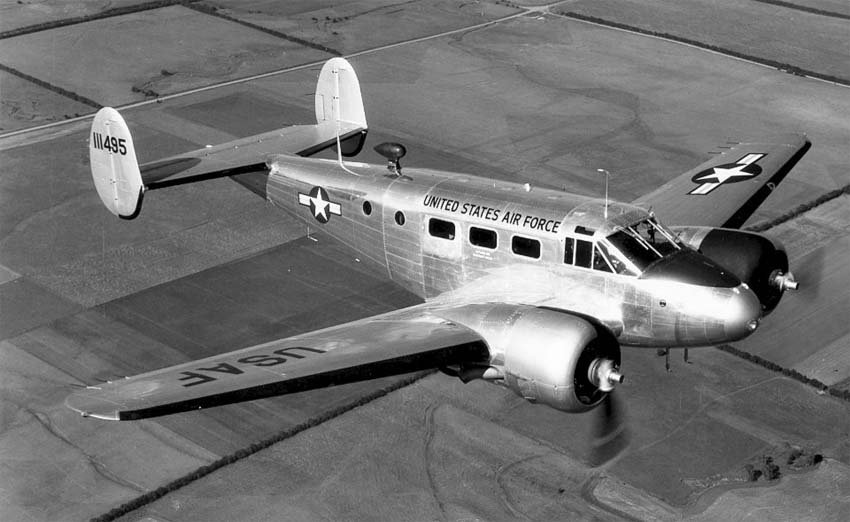 C-45 Expeditor |
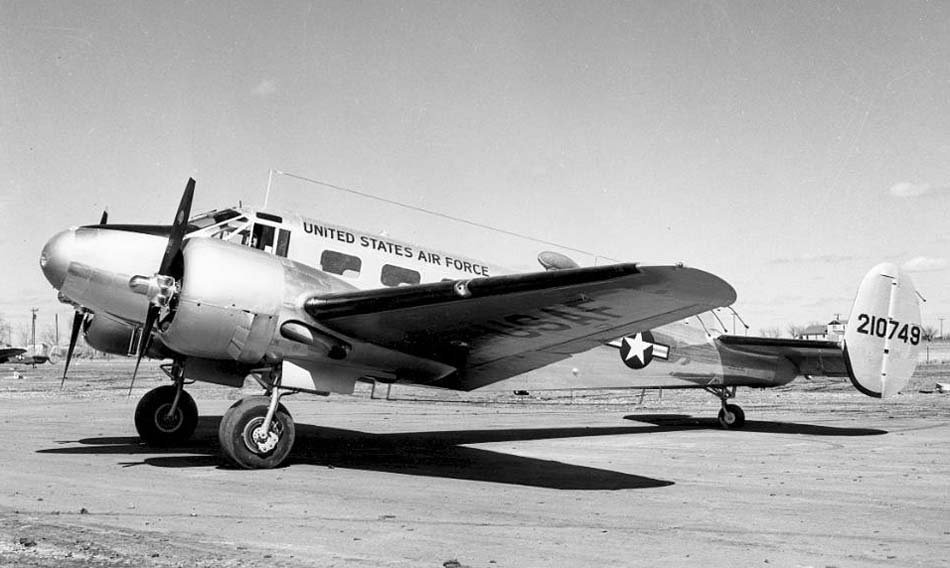 C-45 Expeditor |
 C-45 Expeditor |
 C-45 Expeditor |
 C-45 Expeditor |
 C-45 Expeditor |
 C-45 Expeditor |
 C-45 Expeditor |
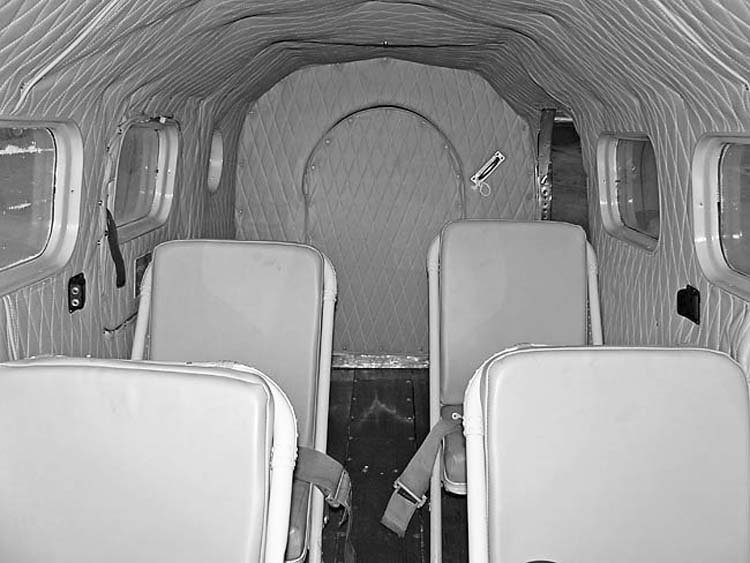 C-45 Expeditor |
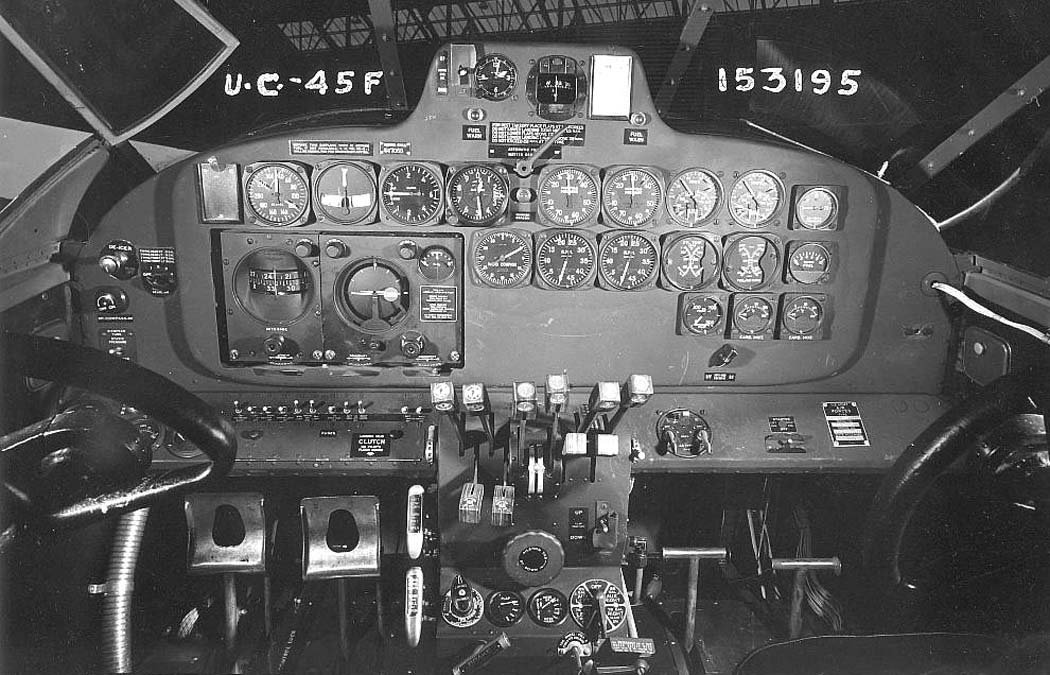 C-45 Expeditor |
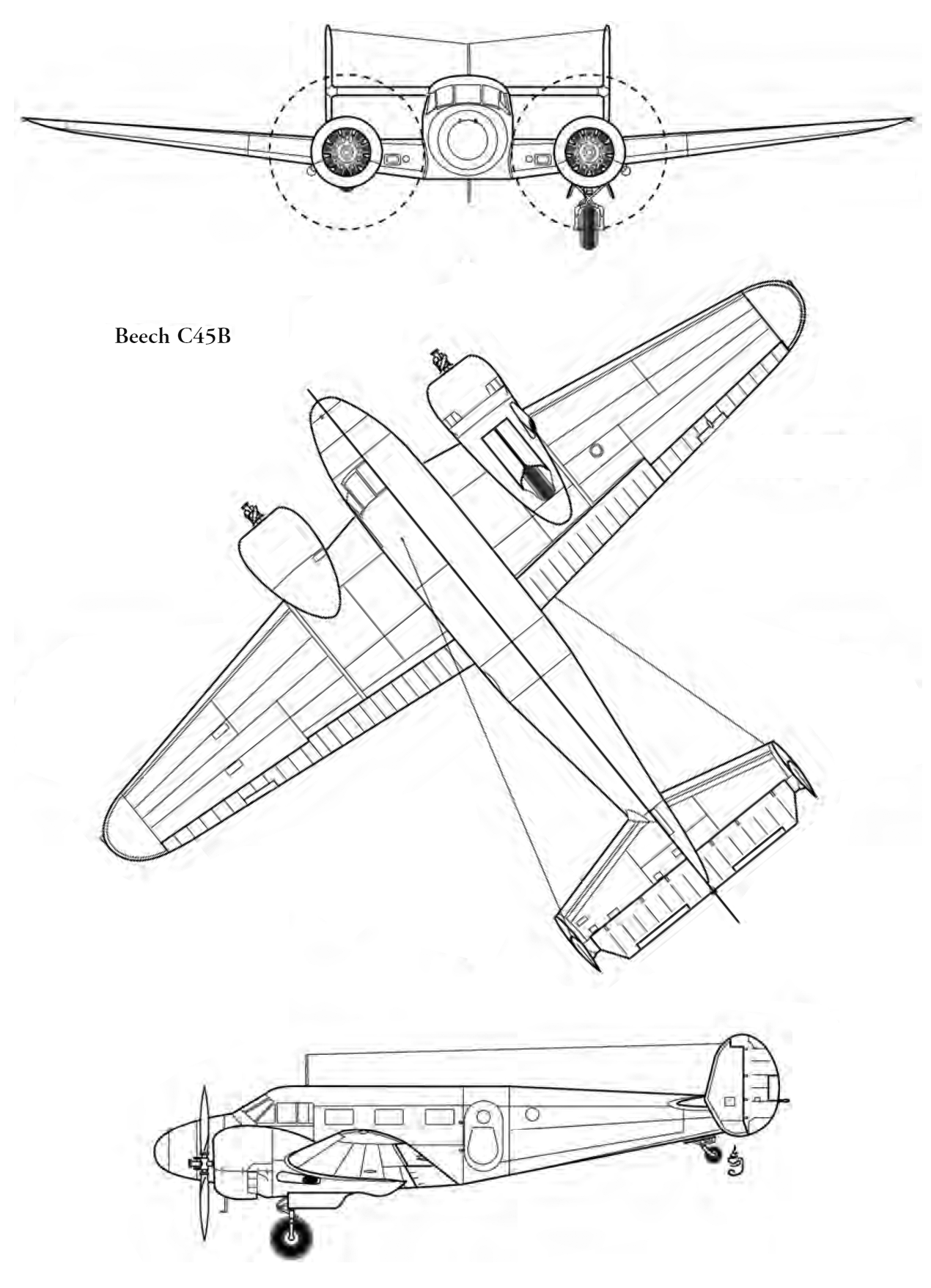 C-45 Expeditor |
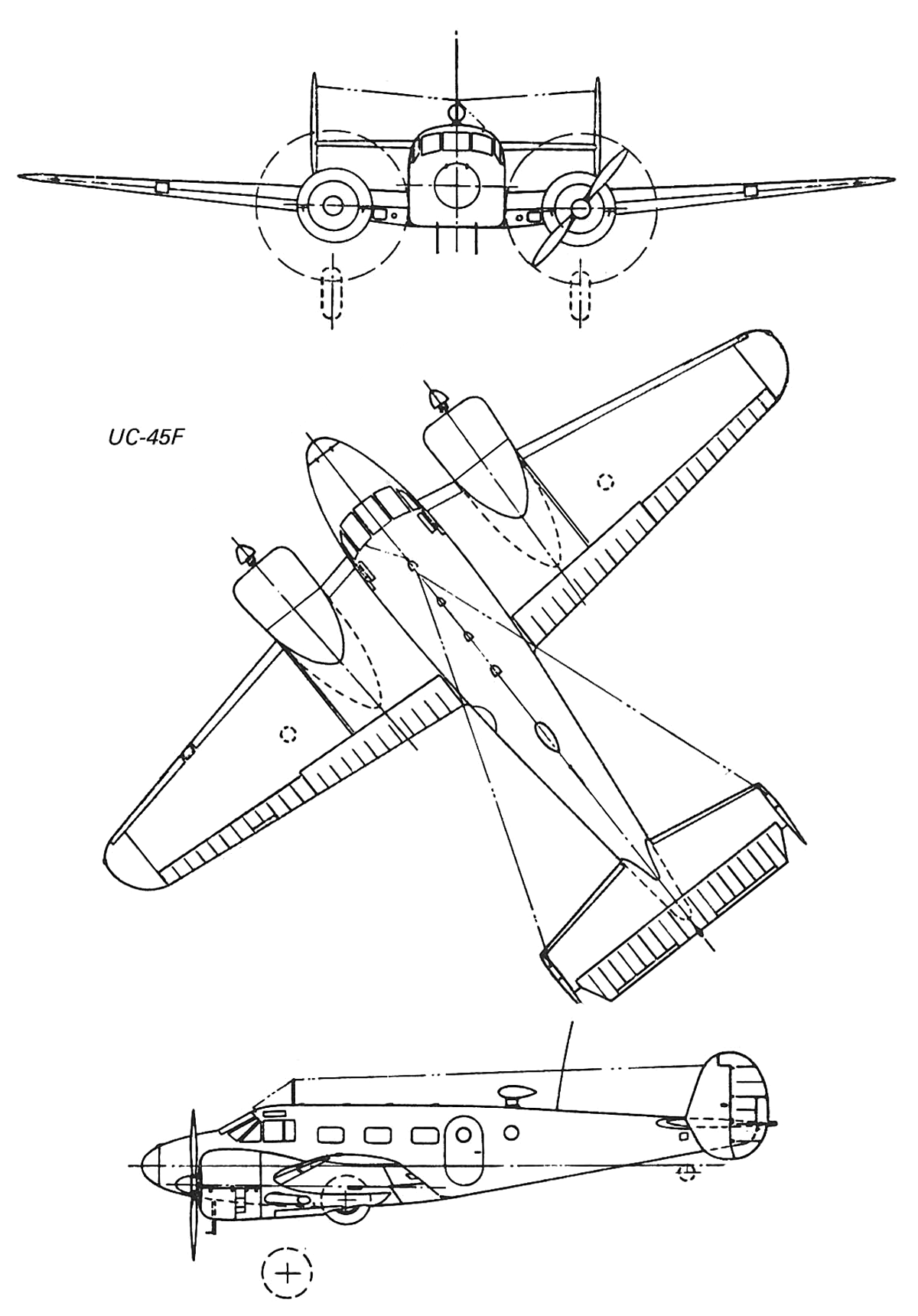 C-45 Expeditor |
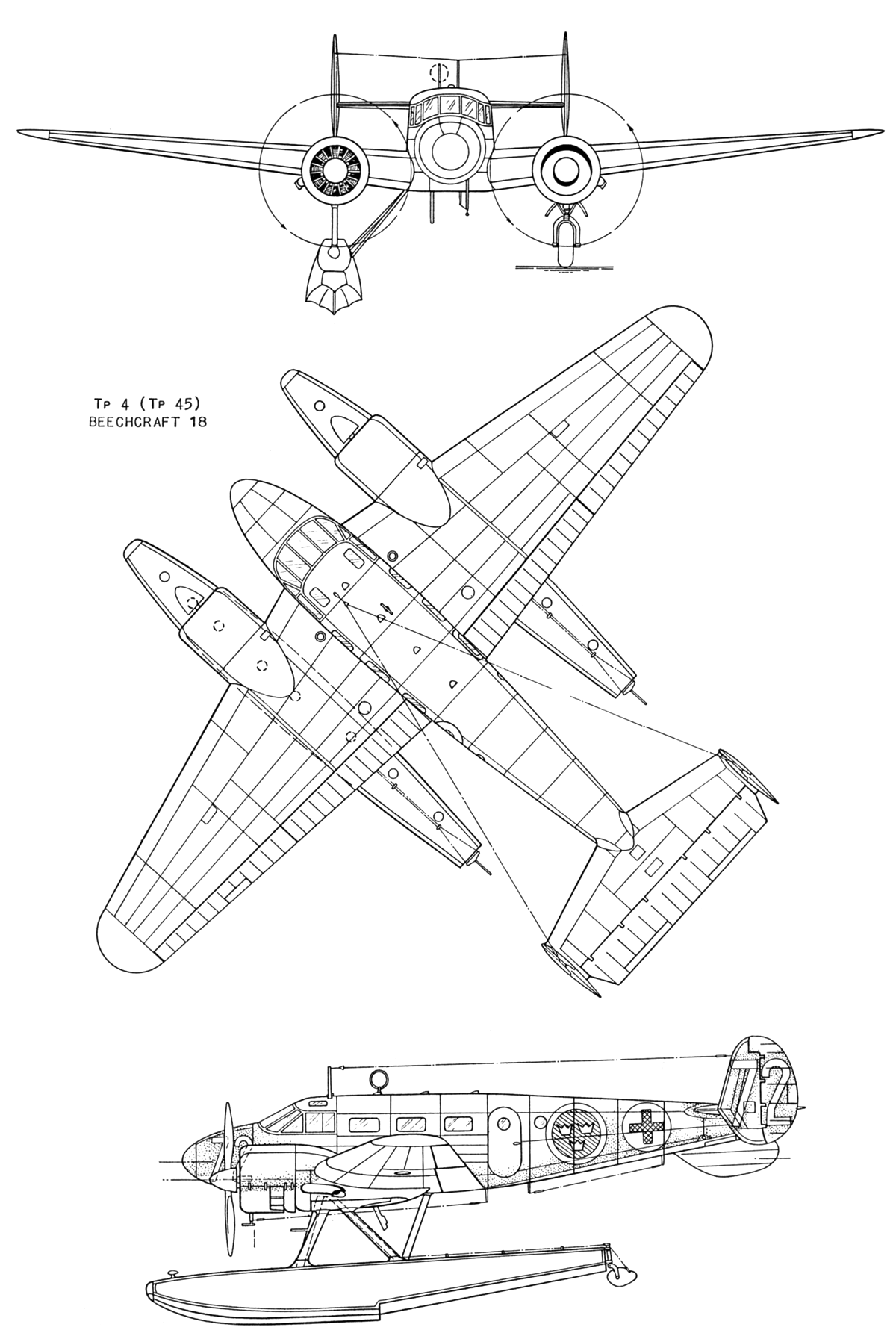 C-45 Expeditor |
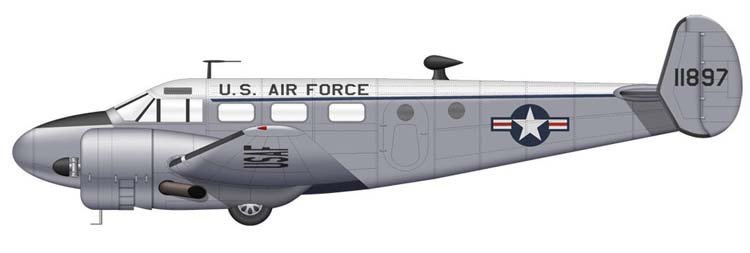 C-45 Expeditor |
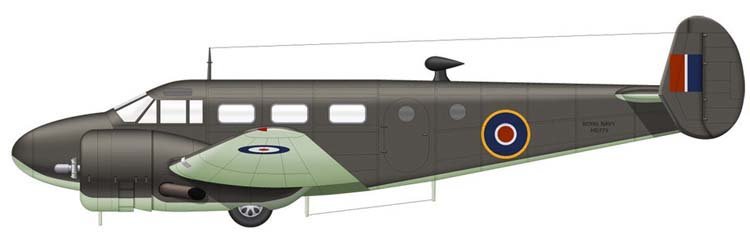 C-45 Expeditor |
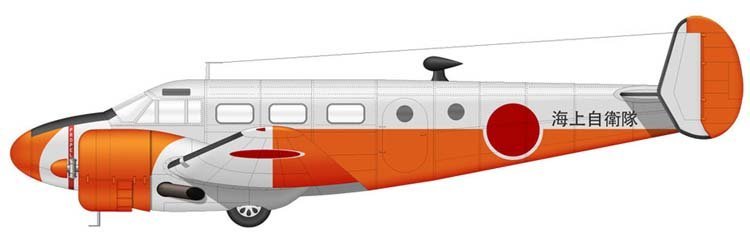 C-45 Expeditor |
ArchivoAéreo Editorial Team
A group of aviation researchers and enthusiasts dedicated to documenting and preserving global aeronautical history. All articles are reviewed to ensure historical accuracy.
Sources & Accuracy
The information presented in this technical sheet has been compiled from declassified flight manuals, historical archives, and specialized literature. While we strive for maximum accuracy, some performance data may vary depending on the specific variant or operational conditions.