C.500 Simoun IV
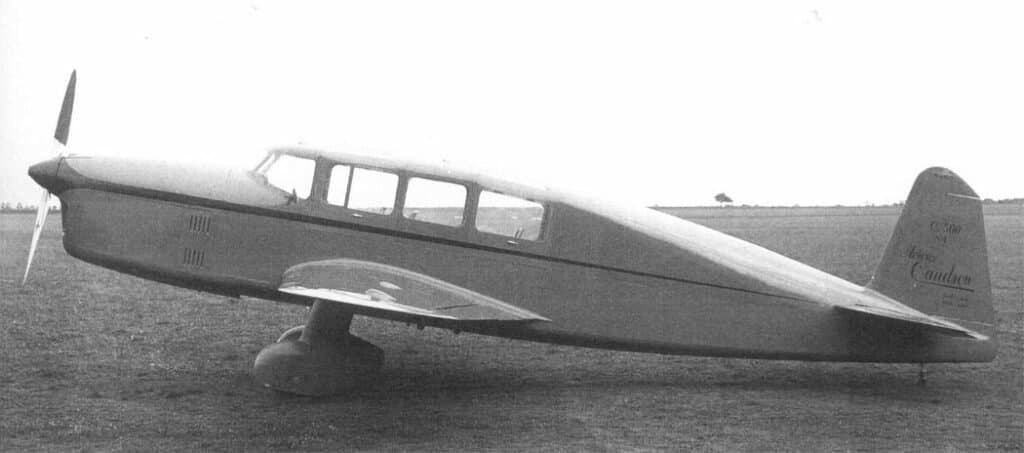
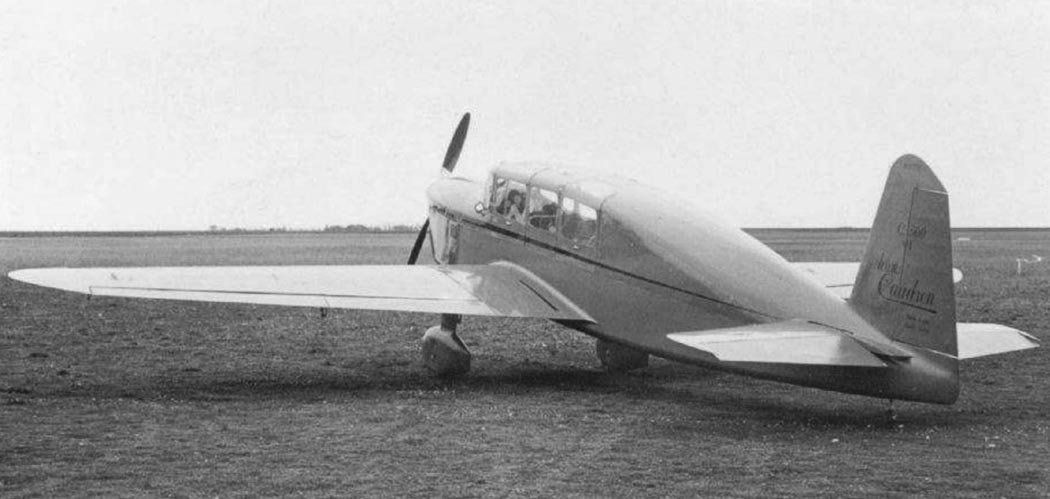
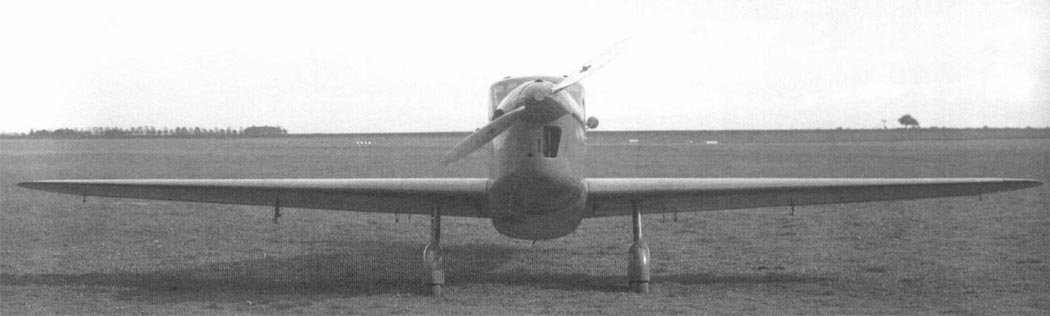
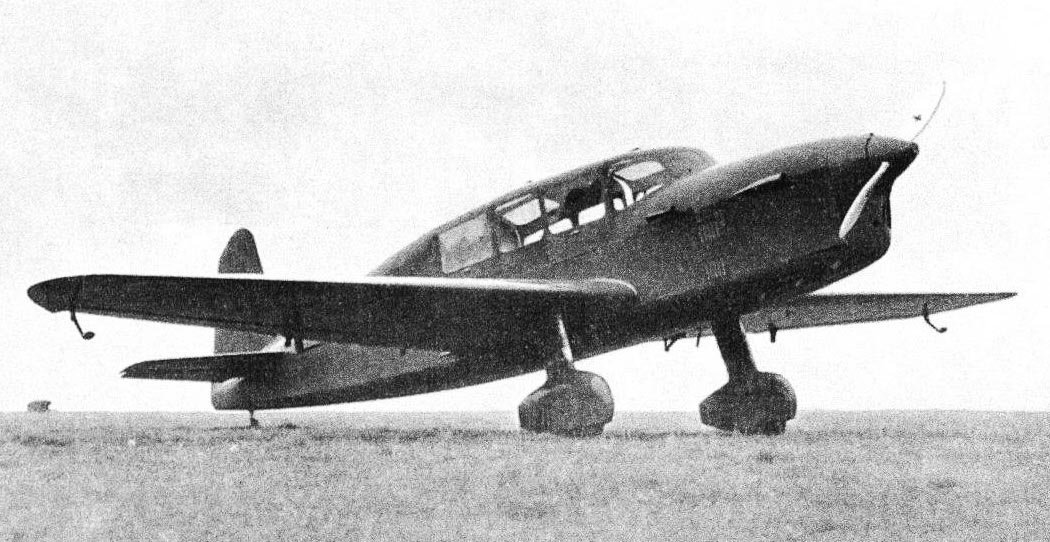
In 1934, at the Paris Air Show, Societe des avions Caudron unveiled the Caudron C.500 Simoun IV, a light multi-purpose aircraft. This four-seater cantilever low-wing monoplane was powered by a 150 hp Renault Bengali 4 Pei engine.
Innovative Features
Designed for participation in the ‘Challenge Internationale de Tourisme’, the aircraft boasted individual comfortable passenger seats. It also featured three large portholes on each side and a highly practical windshield, enhancing passenger comfort and visibility.
Robust All-Metal Construction
The C.500 adopted an all-metal construction, which provided it with significant additional strength. This design choice made its operation exceptionally reliable and practical, emphasizing its durability and robust engineering.
Legacy and Future Developments
Although the Caudron C.500 Simoun IV did not proceed to series production, it became the foundation for an entire successful family of aircraft. Based on its design, the renowned Caudron C.630 Simoun series was developed, achieving considerable success.
Technical Specifications
| Modification | C.500 |
| Wingspan, m | 10.40 |
| Length, m | 8.70 |
| Wing area, m2 | 16.00 |
| Empty weight | 560 |
| Maximum takeoff weight | 1120 |
| Engine type | 1 Piston engine Renault Bengali 4 Pei |
| Power, hp | 1 x 150 |
| Maximum speed, km/h | 270 |
| Cruising speed, km/h | 240 |
| Practical range, km | 1260 |
| Practical ceiling, m | 5000 |
| Crew, crew members | 1 |
| Payload | up to 3 passengers |
Image and diagram gallery of the C.500 Simoun IV
 C.500 Simoun IV |
 C.500 Simoun IV |
 C.500 Simoun IV |
 C.500 Simoun IV |
 C.500 Simoun IV |
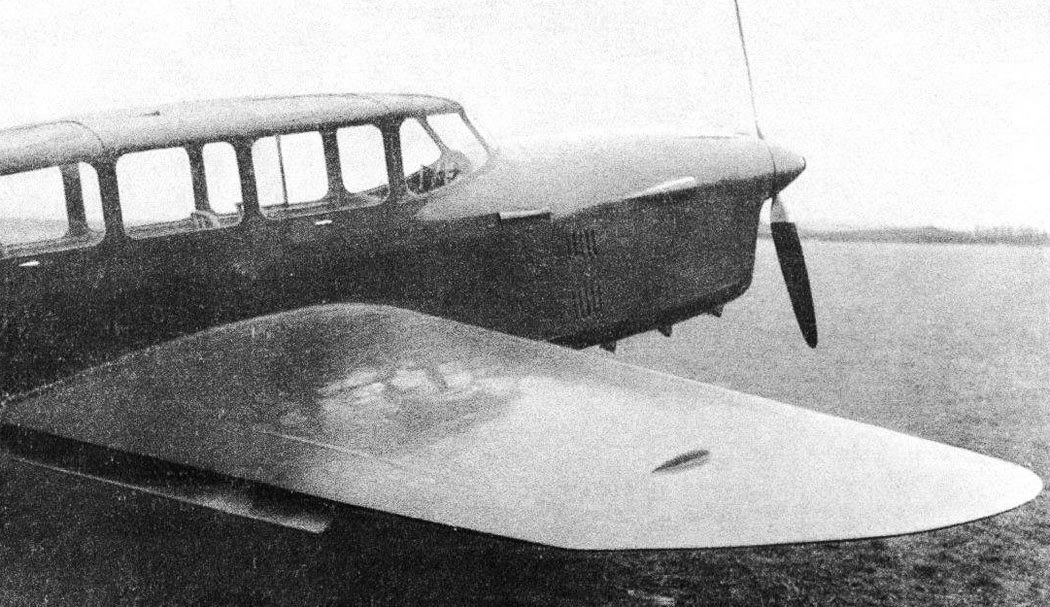 C.500 Simoun IV |
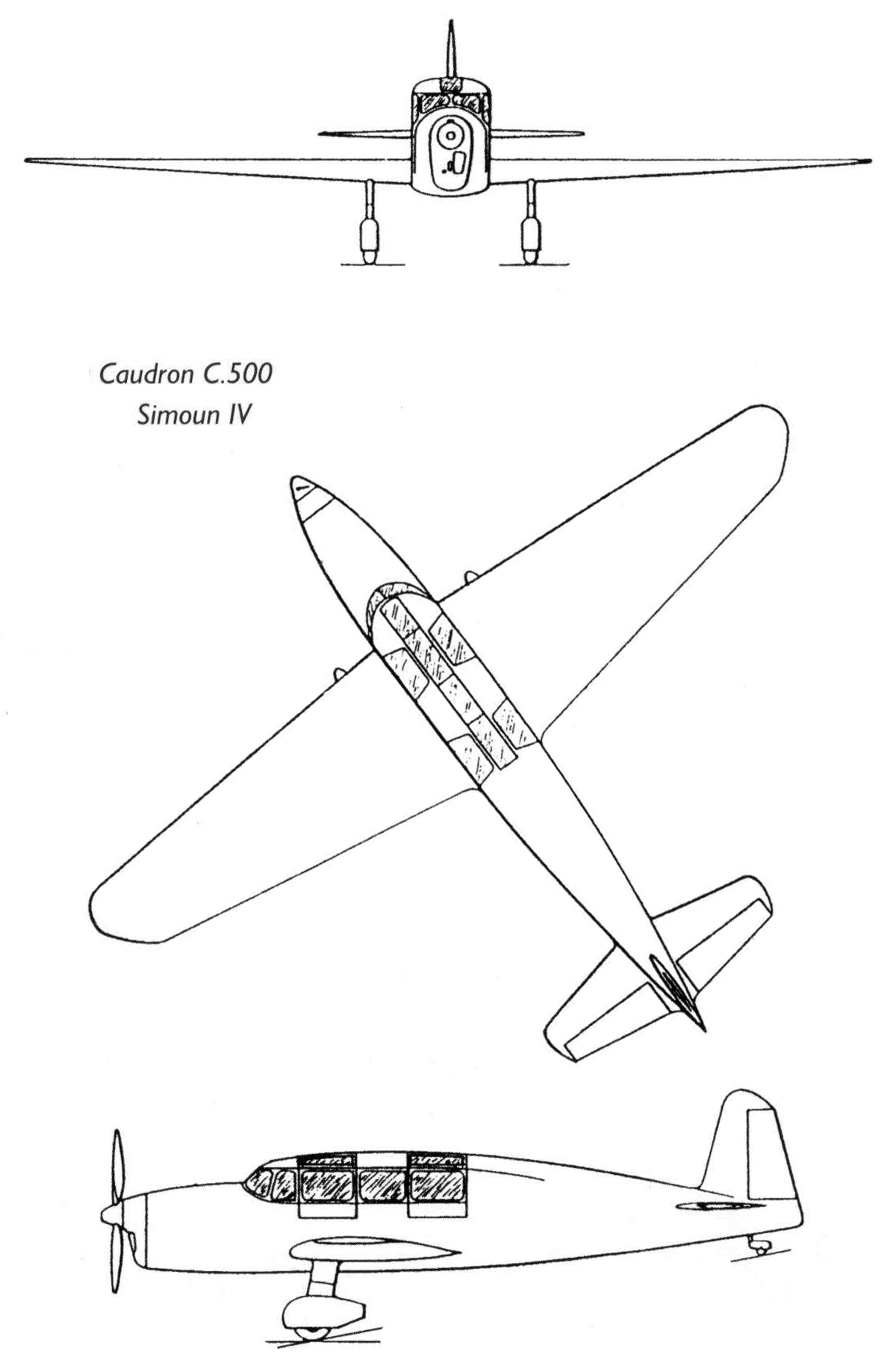 C.500 Simoun IV |
ArchivoAéreo Editorial Team
A group of aviation researchers and enthusiasts dedicated to documenting and preserving global aeronautical history. All articles are reviewed to ensure historical accuracy.
Sources & Accuracy
The information presented in this technical sheet has been compiled from declassified flight manuals, historical archives, and specialized literature. While we strive for maximum accuracy, some performance data may vary depending on the specific variant or operational conditions.