C.530 Rafale
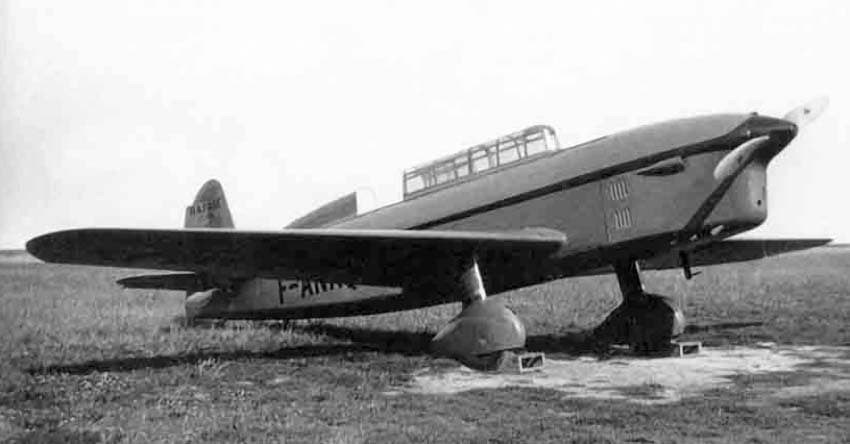
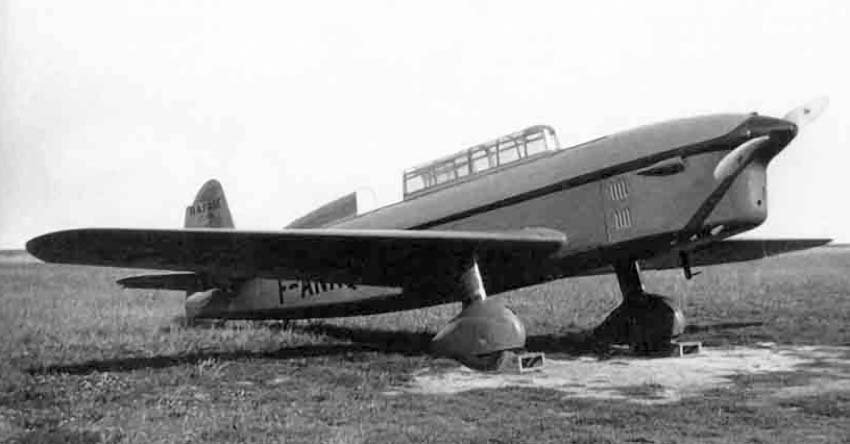
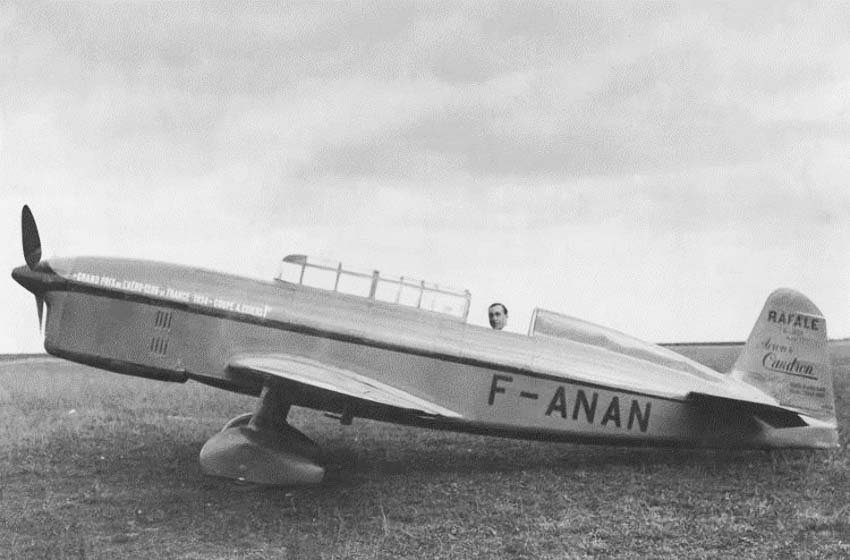
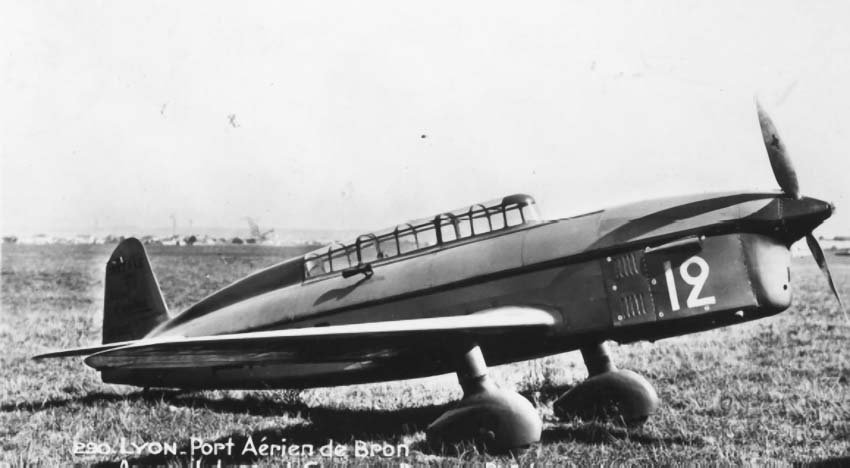
In late 1933, engineer Marcel Riffard, chief designer at Société des Avions Caudron, completed the project for a new racing and sports aircraft, designated C.530 Rafale. The aircraft, built upon the C.430, was a two-seater wooden low-wing monoplane. It was equipped with a four-cylinder air-cooled Renault Bengali Sport engine, producing 152 hp (113 kW).
The first flight of the C.530 took place in early 1934, though other data suggests June 26.
Remarkable Performance and Design
A total of 7 successful aircraft were built. By July 8, the C.530s had already secured the top three places in competitions in Angers, and in the same month, they took all six top places in the Esders Cup race.
A Legacy of Victorious Races
In August of the same year, the C.530 won the Zénith Cup, covering 1,578 km (981 miles) at a speed of 240 km/h (149.1 mph).
Technical Specifications
| Modification | C.530 |
| Wingspan, m | 9.20 |
| Aircraft length, m | 7.50 |
| Aircraft height, m | 1.90 |
| Wing area, m2 | 12.00 |
| Empty weight | 546 |
| Maximum takeoff weight | 900 |
| Engine type | 1 Piston engine Renault Bengali Sport |
| Power, hp | 1 x 152 |
| Maximum speed, km/h | 300 |
| Cruising speed, km/h | 265 |
| Practical range, km | 1300 |
| Service ceiling, m | 6250 |
| Crew, crew | 2 |
Image and diagram gallery of the C.530 Rafale
 C.530 Rafale |
 C.530 Rafale |
 C.530 Rafale |
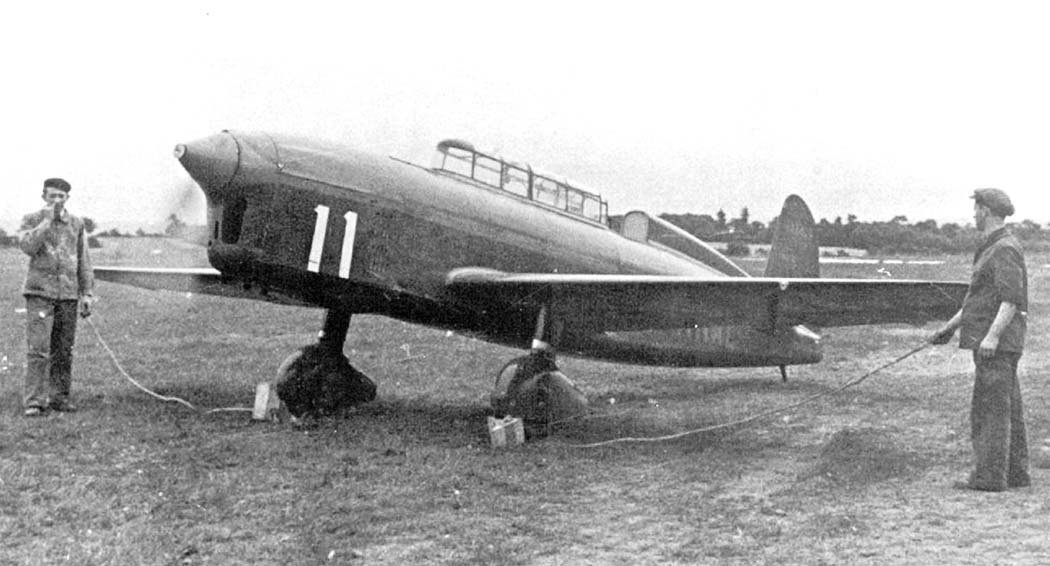 C.530 Rafale |
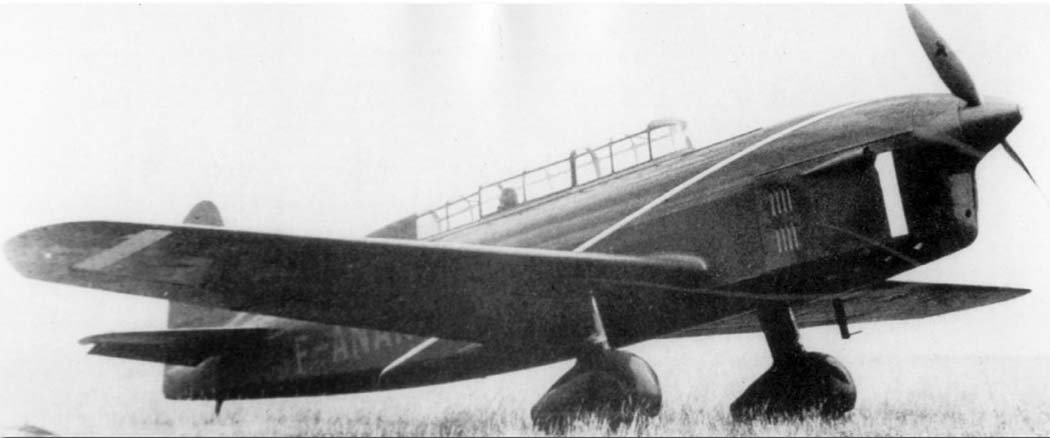 C.530 Rafale |
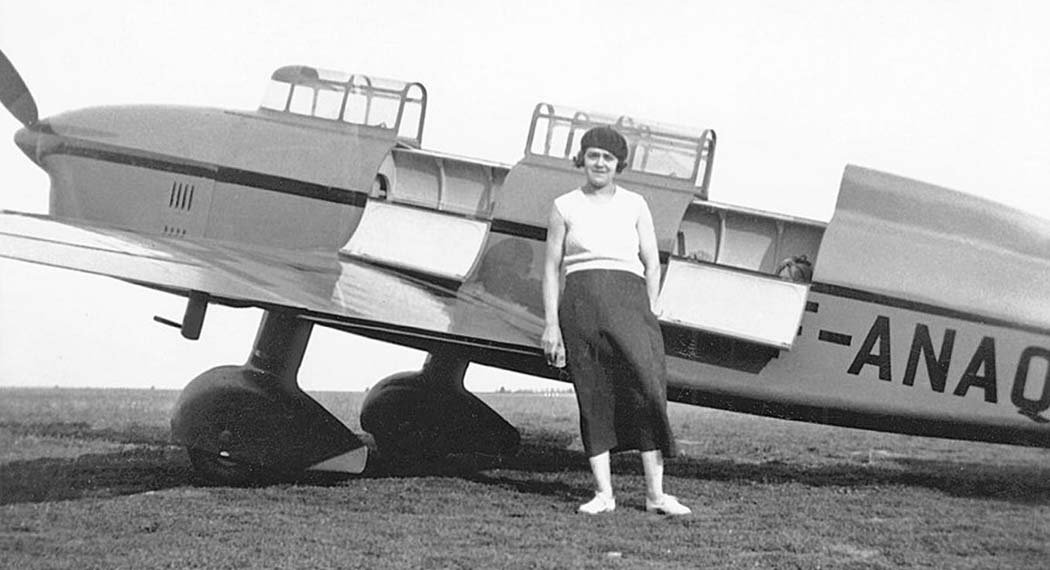 C.530 Rafale |
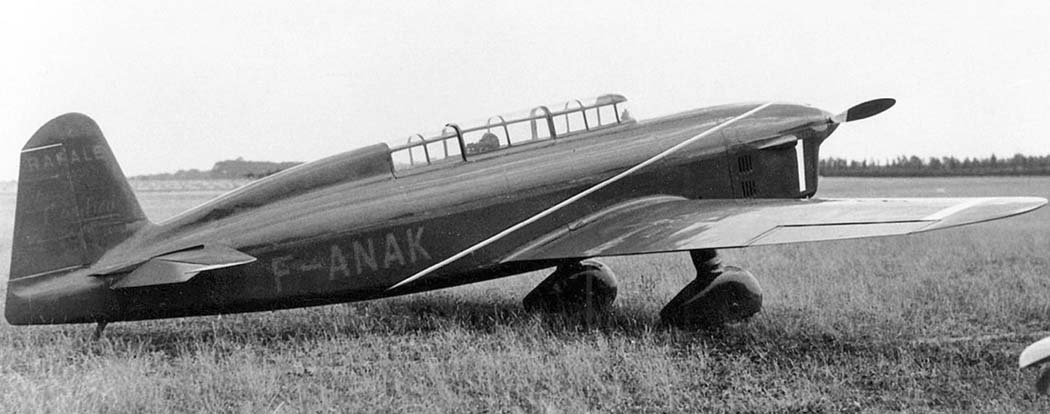 C.530 Rafale |
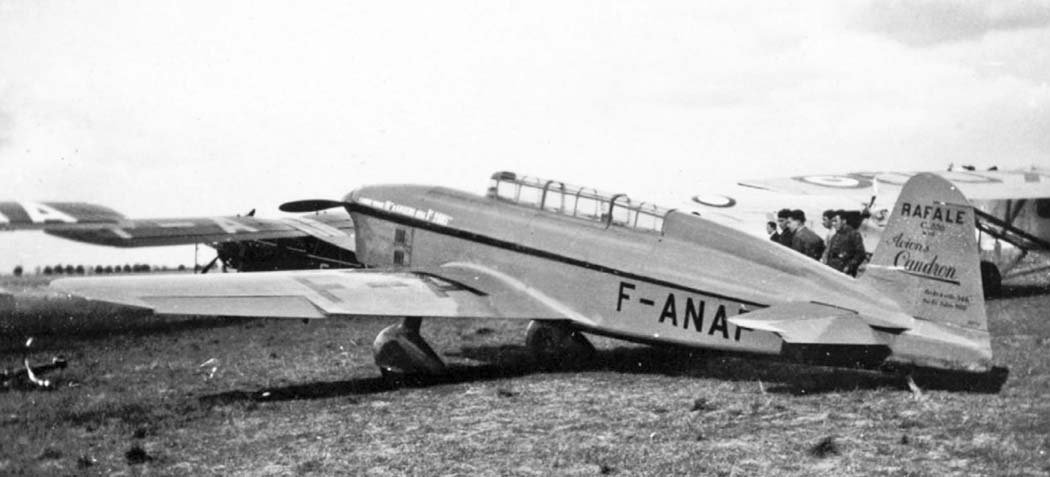 C.530 Rafale |
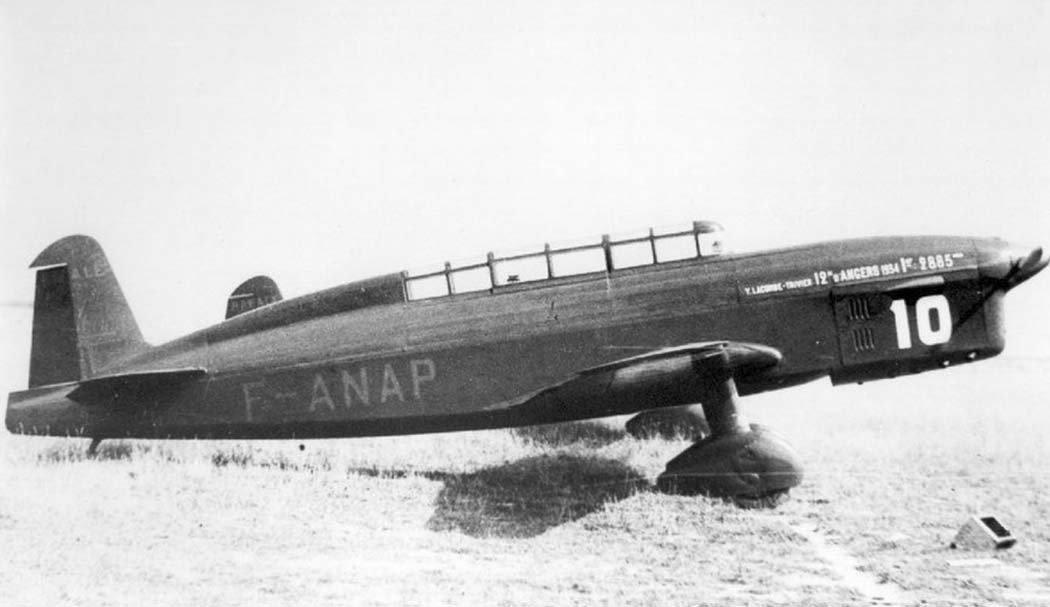 C.530 Rafale |
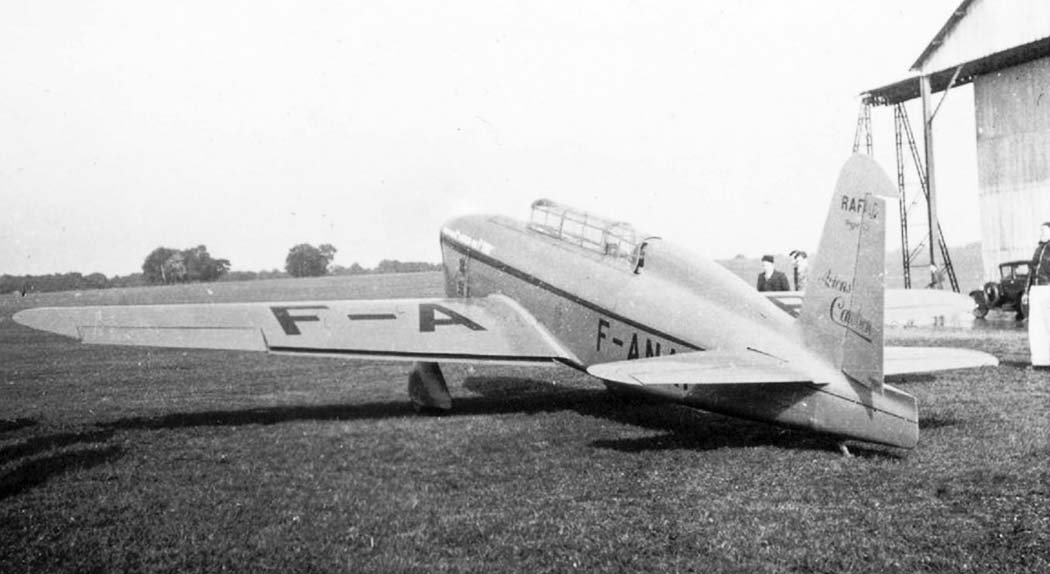 C.530 Rafale |
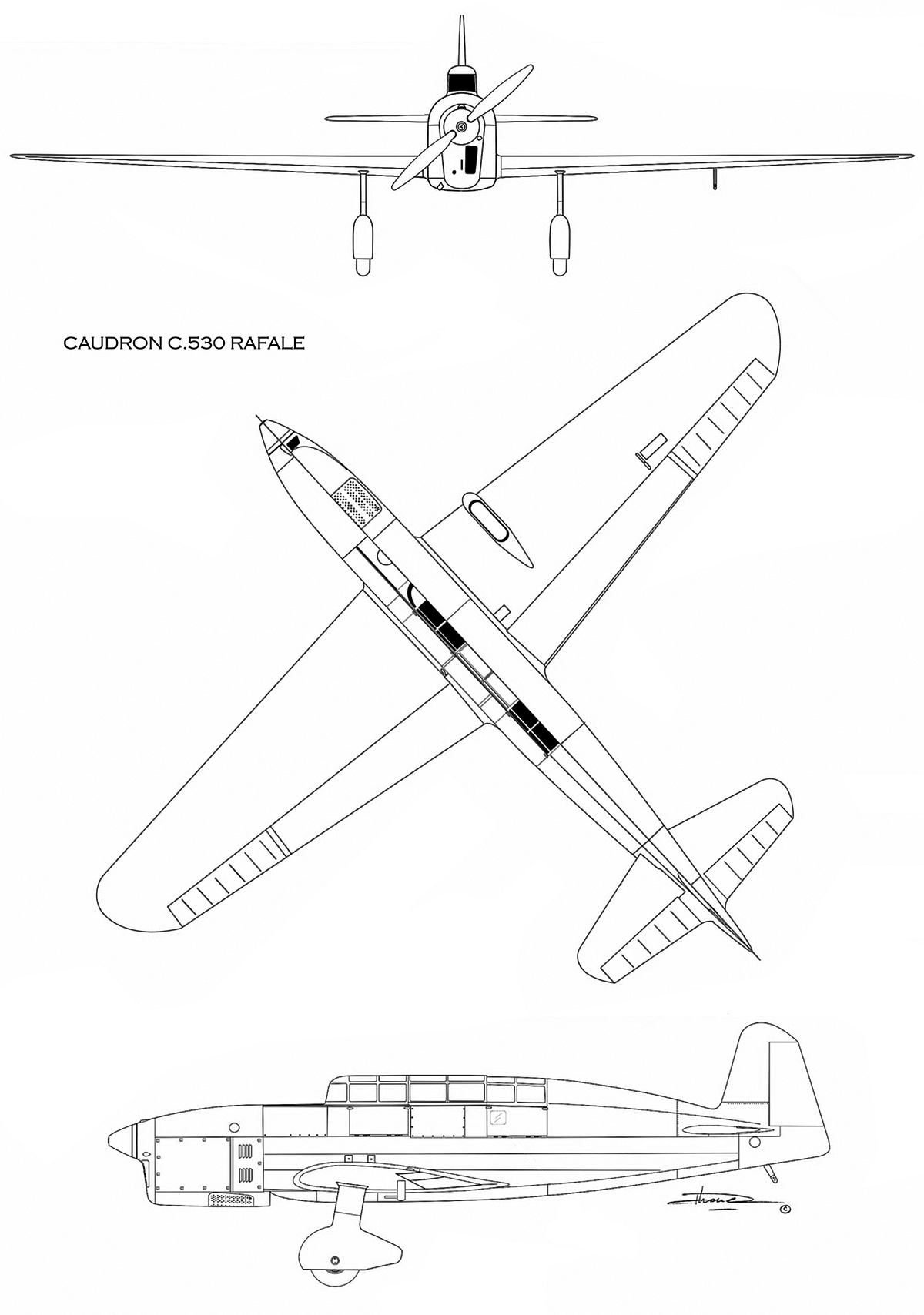 C.530 Rafale |
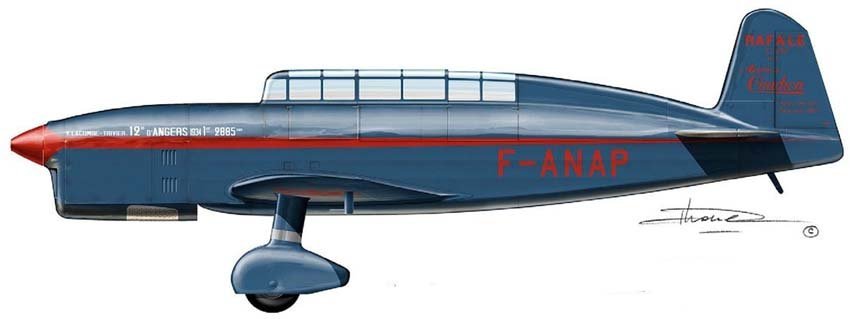 C.530 Rafale |
ArchivoAéreo Editorial Team
A group of aviation researchers and enthusiasts dedicated to documenting and preserving global aeronautical history. All articles are reviewed to ensure historical accuracy.
Sources & Accuracy
The information presented in this technical sheet has been compiled from declassified flight manuals, historical archives, and specialized literature. While we strive for maximum accuracy, some performance data may vary depending on the specific variant or operational conditions.