C-54 Skymaster
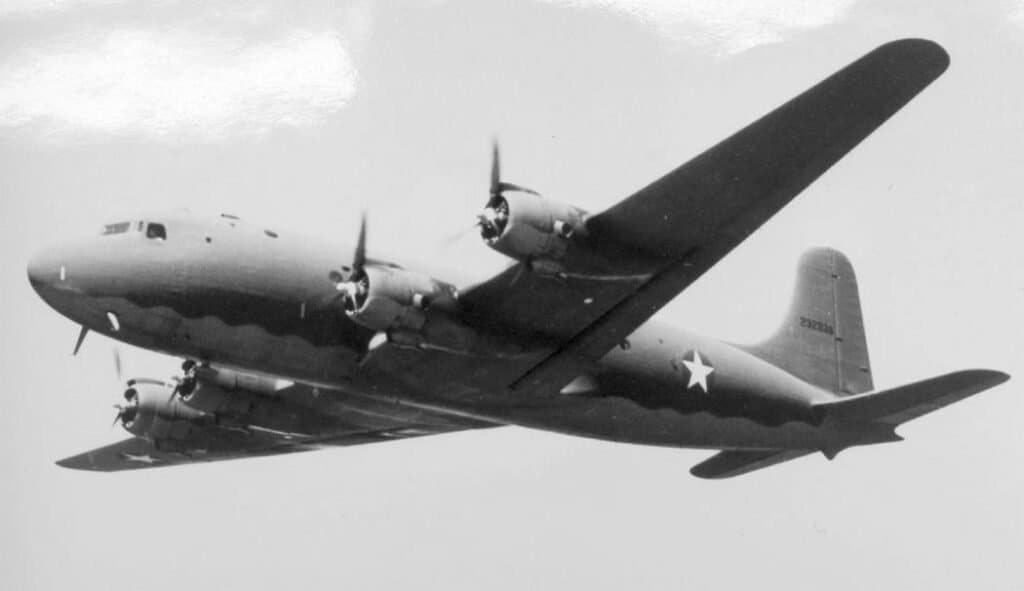
From Experimental Beginnings to Wartime Icon
Under the initial designation DC-4, quickly changed to DC-4E (“E” for experimental), the Douglas company designed and built a prototype of a new large-capacity airliner, intended to replace the DC-3. This highly expensive project was jointly financed by Douglas and five American airlines, with each party contributing $100,000.
The DC-4E was an all-metal low-wing monoplane with a large, almost circular cross-section fuselage. It featured a triple-fin tail unit and a tricycle landing gear, with its main struts having a single large wheel and retracting into wing nacelles. The powerplant included four R-2180 radial engines, mounted in wing nacelles. The prototype made its first flight on June 7, 1938.
By that time, two airlines – Pan American and TWA – had withdrawn from the project, and the airliner’s performance and operating costs proved worse than expected. Ultimately, Douglas management and the remaining three airlines – American, Eastern, and United – decided to refocus on creating a different aircraft that would be less complex and costly to produce and operate. This decision soon led to the family of DC-4 and C-54 aircraft, and the sole DC-4E prototype was later sold to Japan, where it was designated LXD1 and used by Nakajima in the development of the heavy bomber G5N.
The new 1939 model DC-4 was virtually a different aircraft: lighter than its predecessor, with a new, higher aspect ratio wing, a traditional single-fin tail unit, and retractable tricycle landing gear with twin wheels on the main struts. Initially, the powerplant included four engines rated at 1000 hp (746 kW), but after negotiations with interested airlines, the aircraft went into series production—even without building a prototype—with four R-2000-2SD1G Twin Wasp radial engines, each delivering 1450 hp (1081 kW).
However, before the US entered World War II, not a single aircraft had left the factory, and all subsequent machines were completed solely for military use under the designation C-54 Skymaster, with the first taking to the air on February 14, 1942. Initially, aircraft delivered to the military were civilian airliners given military paint schemes, but later production contracts implied assembly of aircraft adapted for military tasks such as cargo and personnel transport, as well as casualty evacuation.
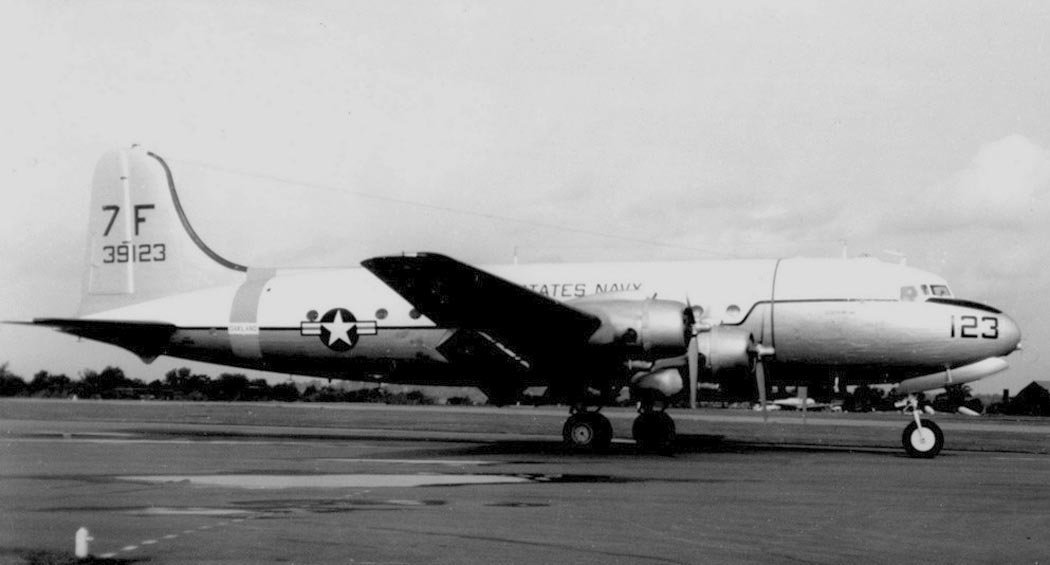
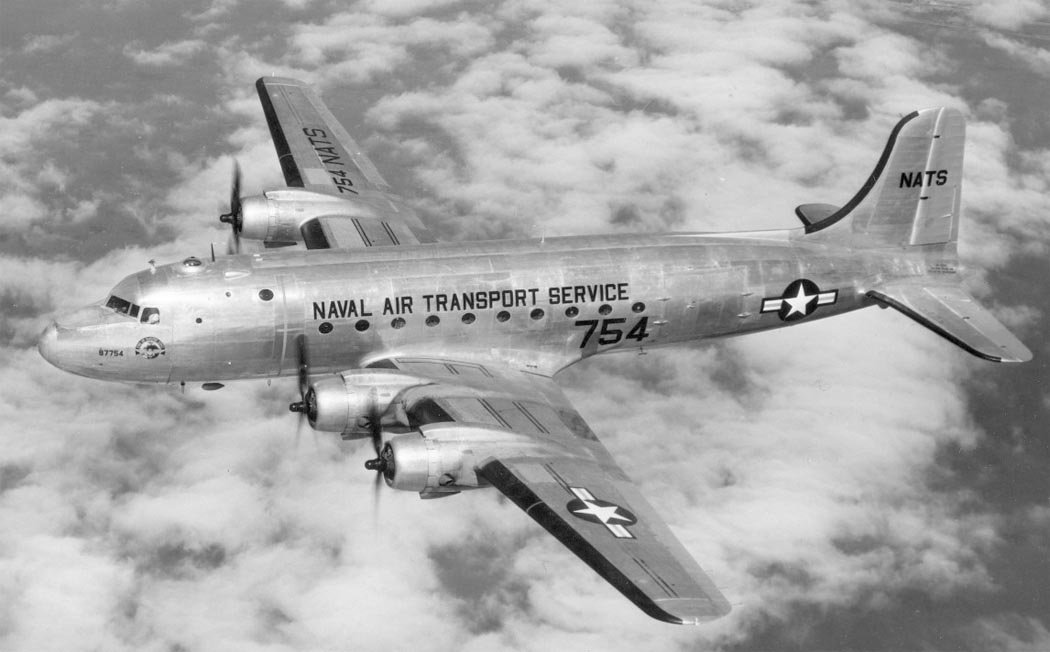
The C-54A, featuring a reinforced floor, cargo door, and loading equipment, was the first such militarized variant to enter service with the US Army Air Forces. Other militarized modifications followed, with capacities for 50 people on short- and medium-range routes and 20 for long-range flights. The DC-4 was also built for the US Navy under the designation R5D in several variants. In total, over 1000 aircraft were built for the US Army Air Forces and US Navy.
Diverse Roles and Enduring Legacy
In the final stages of production, Douglas manufactured 79 DC-4 aircraft specifically for the civilian market. These, along with a large number of decommissioned C-54s, were sold to various airlines and actively operated on long-haul routes until more suitable airliners became available.
The C-54 made a significant contribution to the operation of the so-called Berlin Airlift in 1948-1949, during the blockade of West Berlin. The airliner also proved to be long-lived, with a small number of such machines continuing to fly even into the early years of the new millennium.
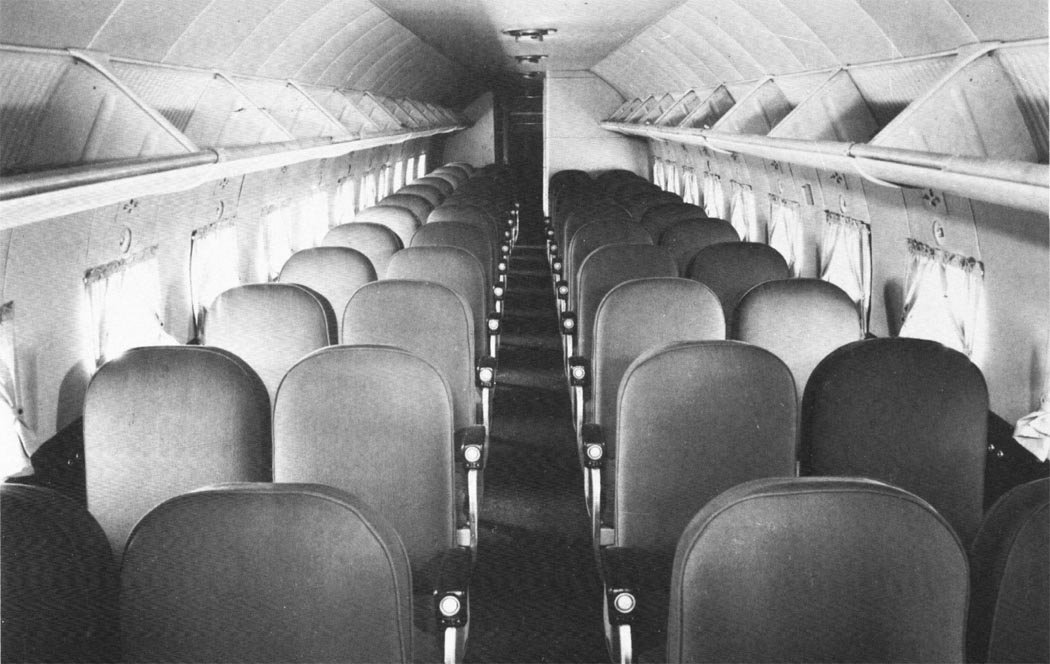
Various specialized variants were developed based on the DC-4. Canadair of Montreal created 21 aircraft with Rolls-Royce Merlin V-engines, each producing 1725 hp (1286 kW), specifically for the Royal Canadian Air Force, known as the “North Star.” For civilian operators, the DC-4M was developed, and another notable DC-4 variant was the Aviation Traders Carvair. Passenger capacity also varied among modifications: the basic version was designed for a crew of 4 and 44 passengers with ample seat pitch, but some airlines adopted denser cabin layouts for up to 86 seats. The DC-4M variant, for example, was designed to carry 62 economy-class passengers. Beyond these, specific models like the C-54A “Sacred Cow” served as President Franklin D. Roosevelt’s personal aircraft.
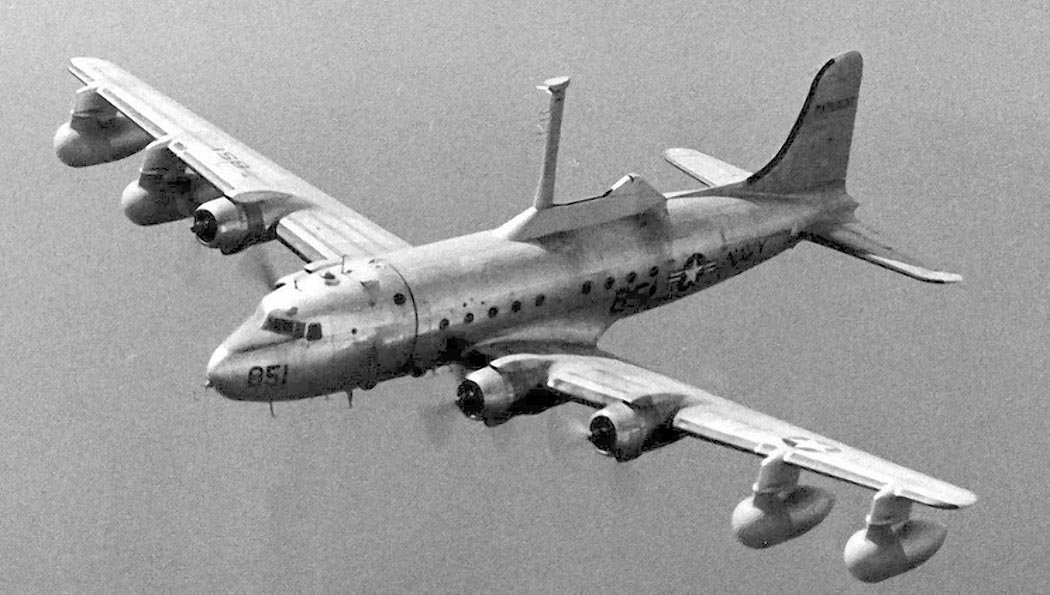
Throughout its service, the Skymaster underwent numerous modifications. The C-54 and C-54B utilized different Pratt & Whitney R-2000 engine configurations and fuel tank arrangements. The C-54D emerged as the main production variant, with some adapted for specialized roles such as air traffic control, missile guidance, air rescue service, training, and administrative duties.
Further specialized and experimental variants included the XC-54D with experimental parachute doors and the C-54E with a convertible cabin and soft-walled wing fuel tanks. The C-54G was developed as a transport-assault variant, while the US Navy’s R5D series encompassed various roles, later re-designated as VC-54N, VC-54P, C-54Q, RC-54V, and VC-54Q depending on their transport, aerial photography, or administrative functions.
Other significant adaptations included the C-54L for casualty evacuation during the Korean War, and experimental models like the XC-112 with a pressurized cabin or the XC-113 with an elongated fuselage and different engines (Allison V-1710 or Packard V-1650). This extensive range of adaptations, catering to military, civilian, and specialized needs, underscores the Skymaster’s exceptional versatility and enduring impact on aviation.
Detailed Design and Technical Specifications
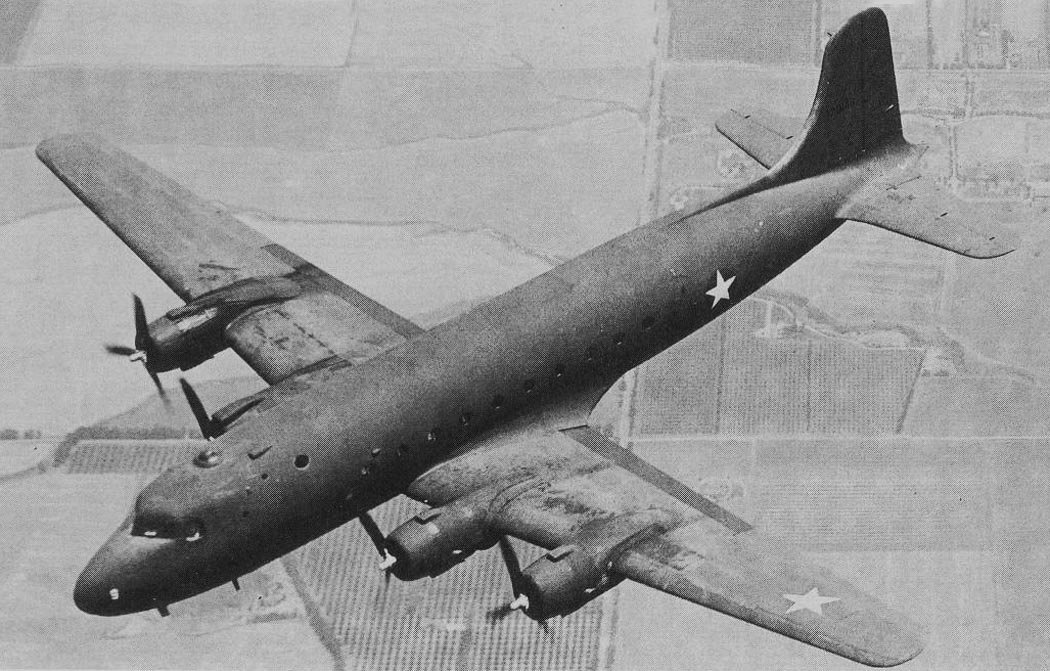
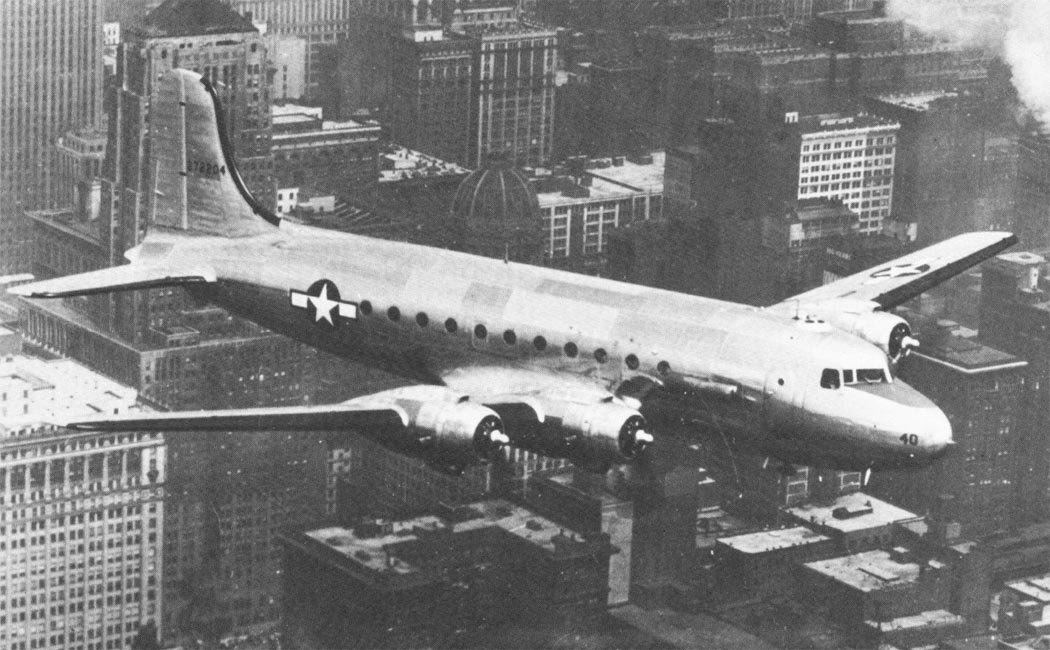
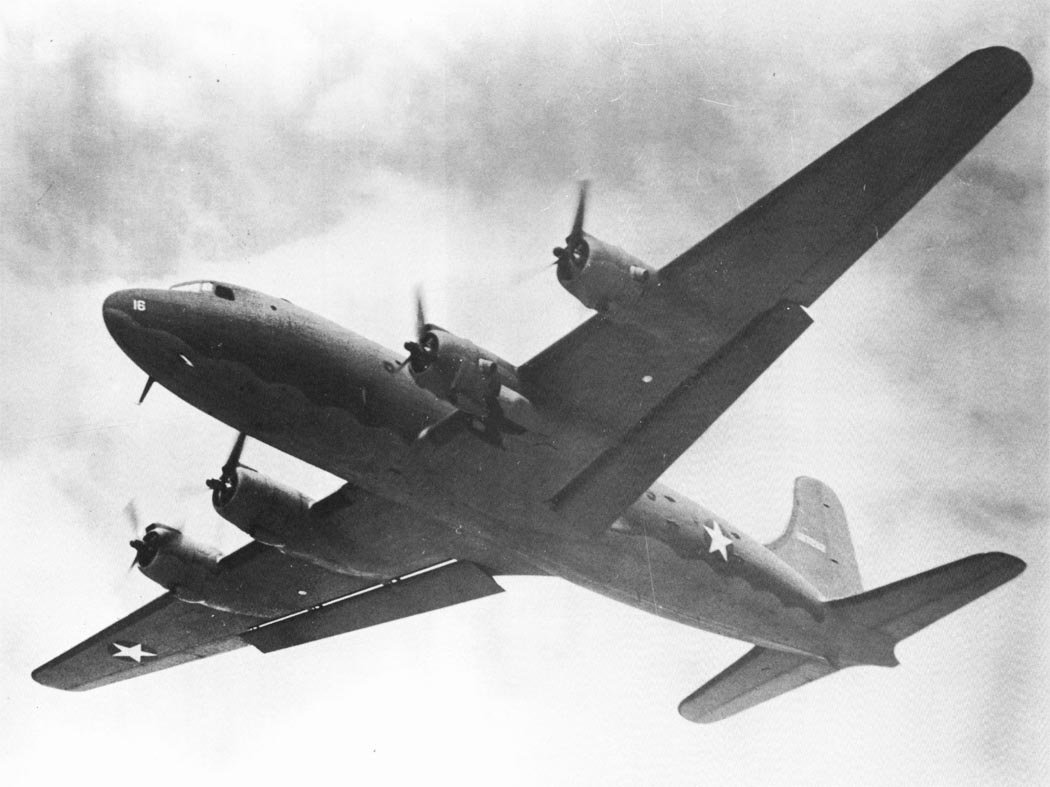
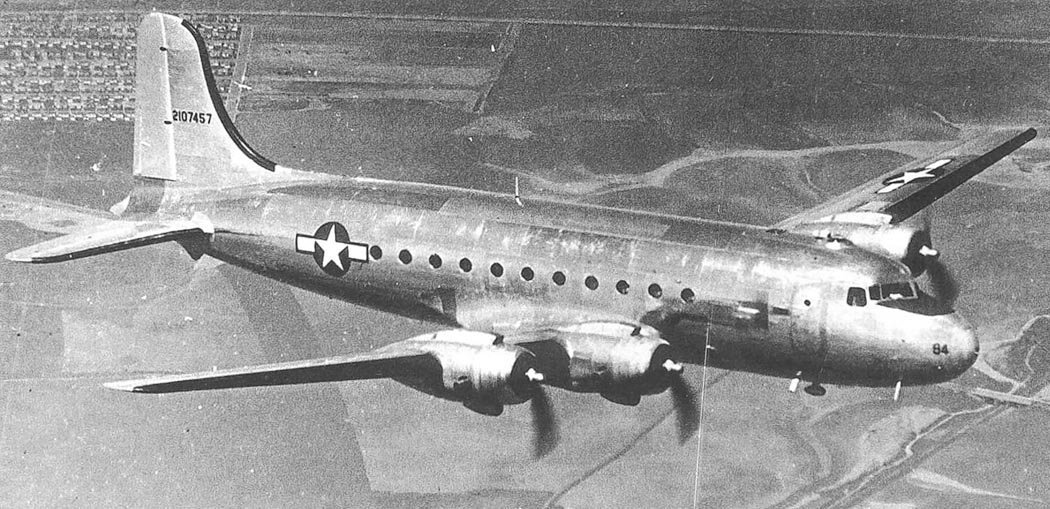
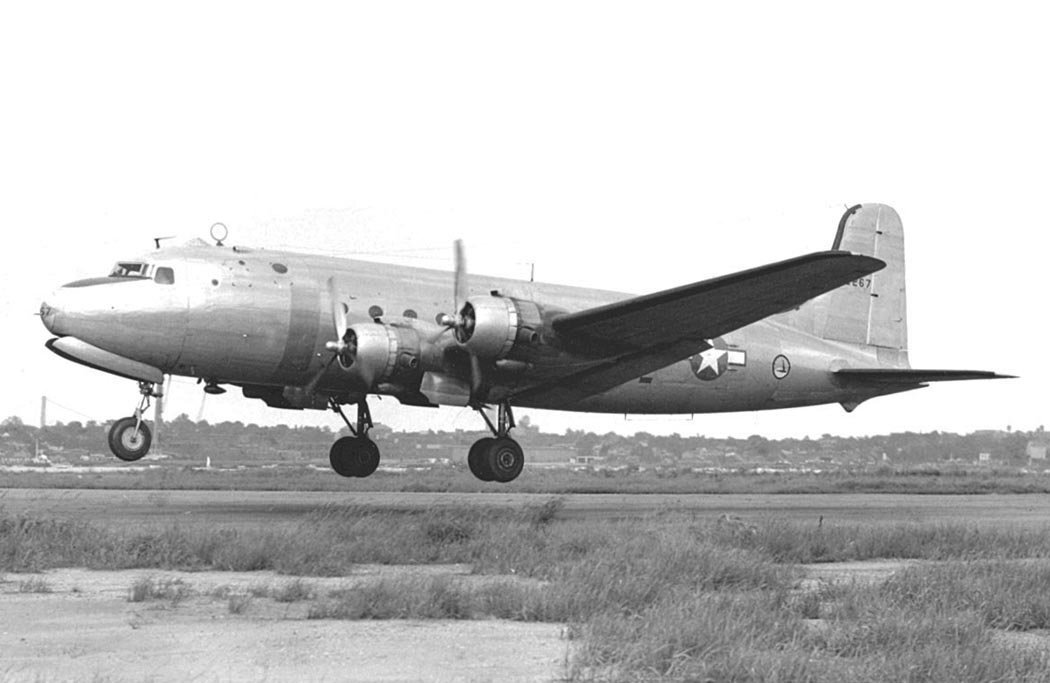
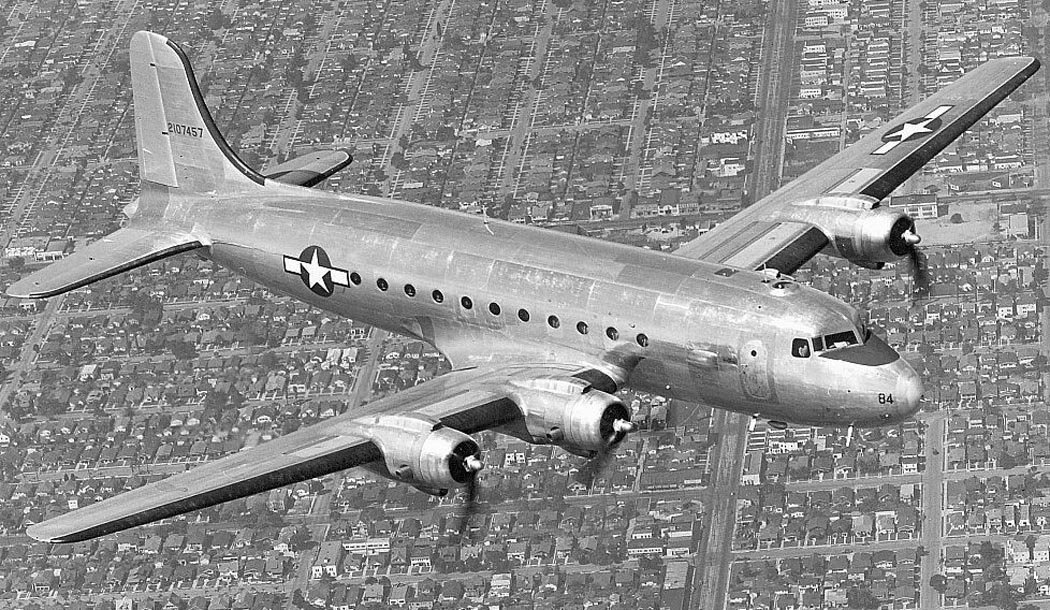
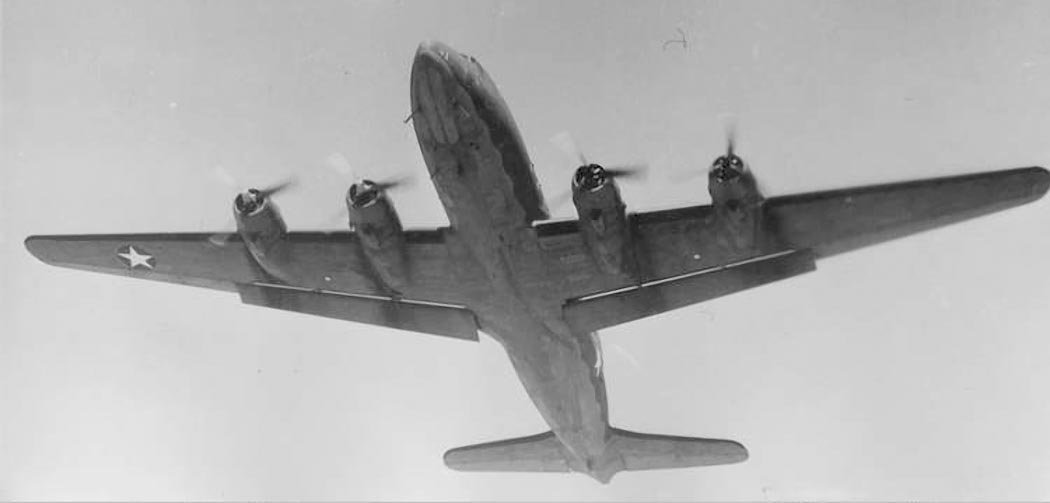
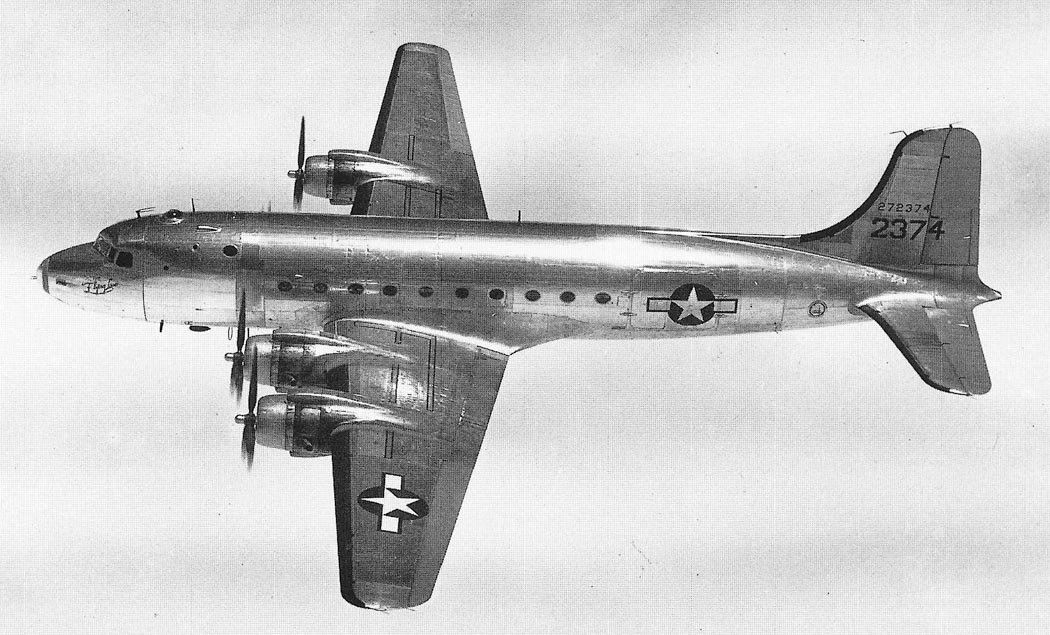
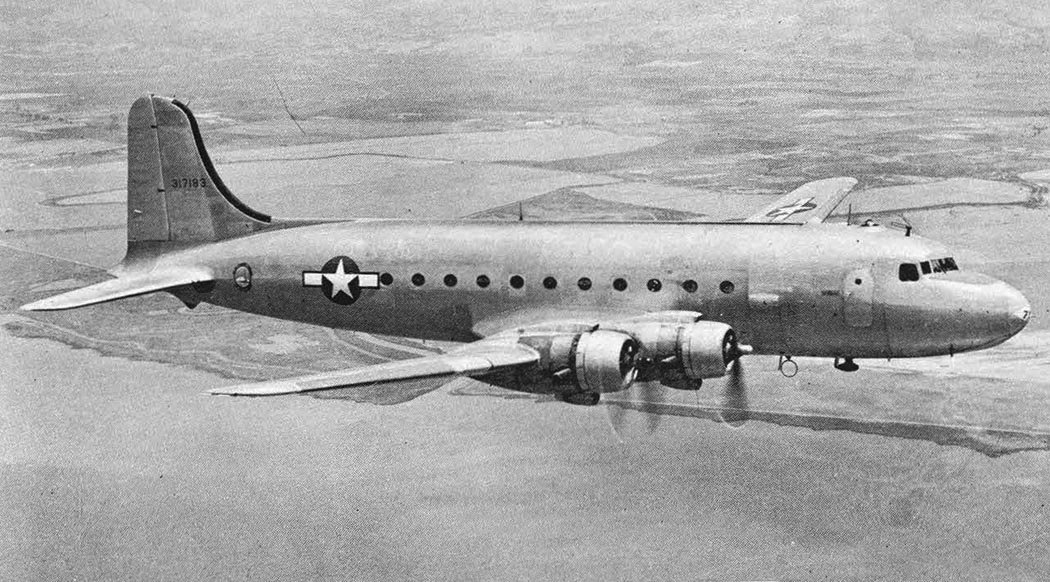
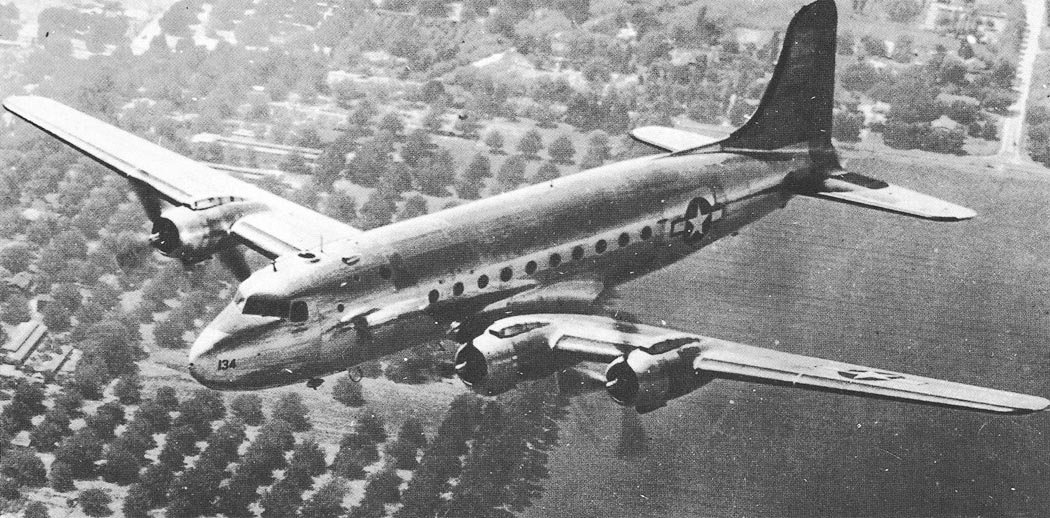
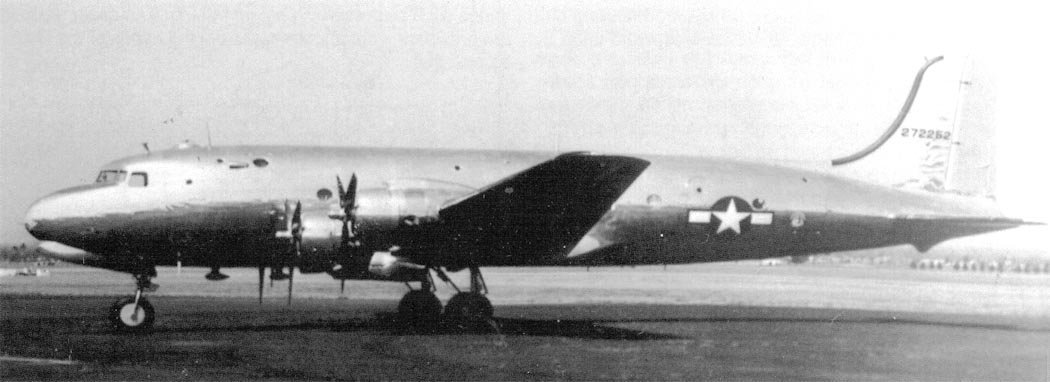
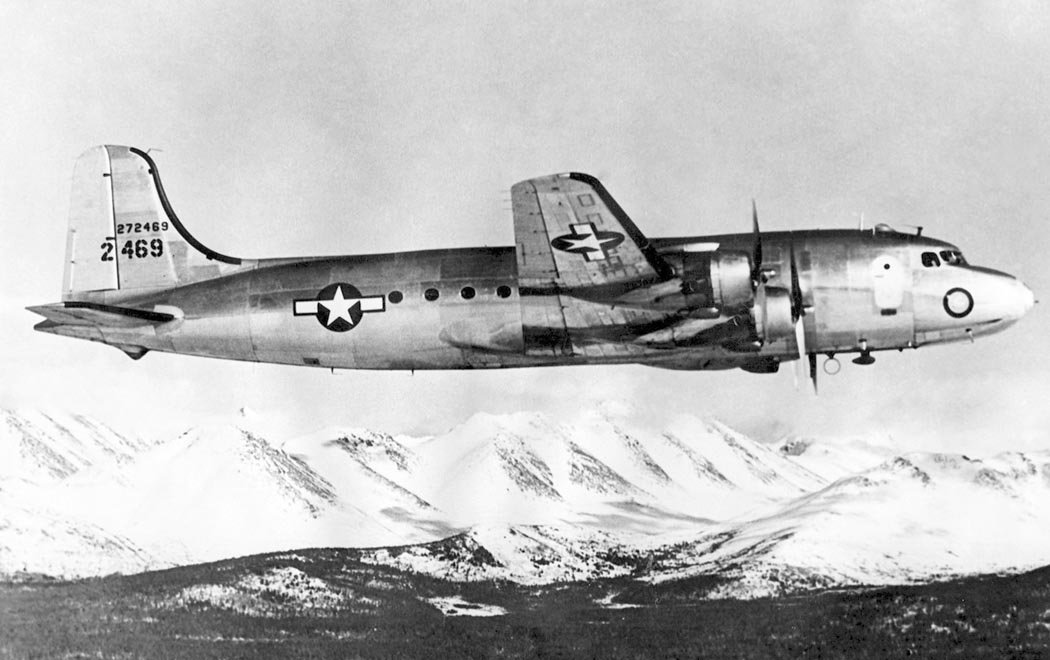
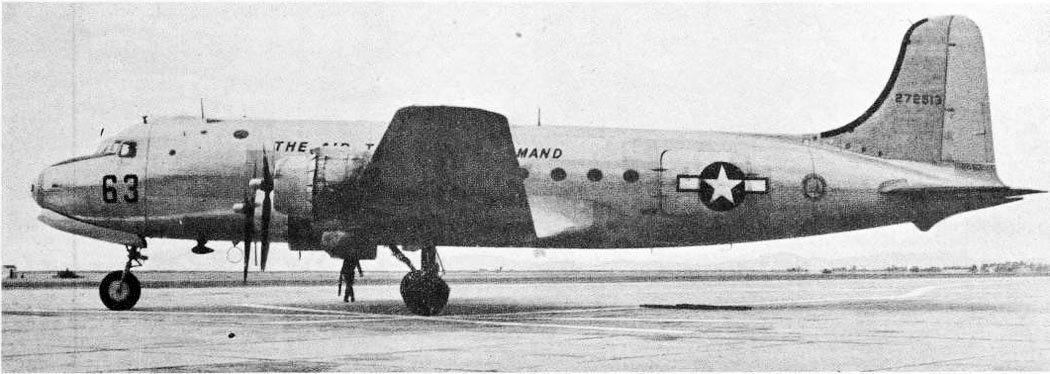
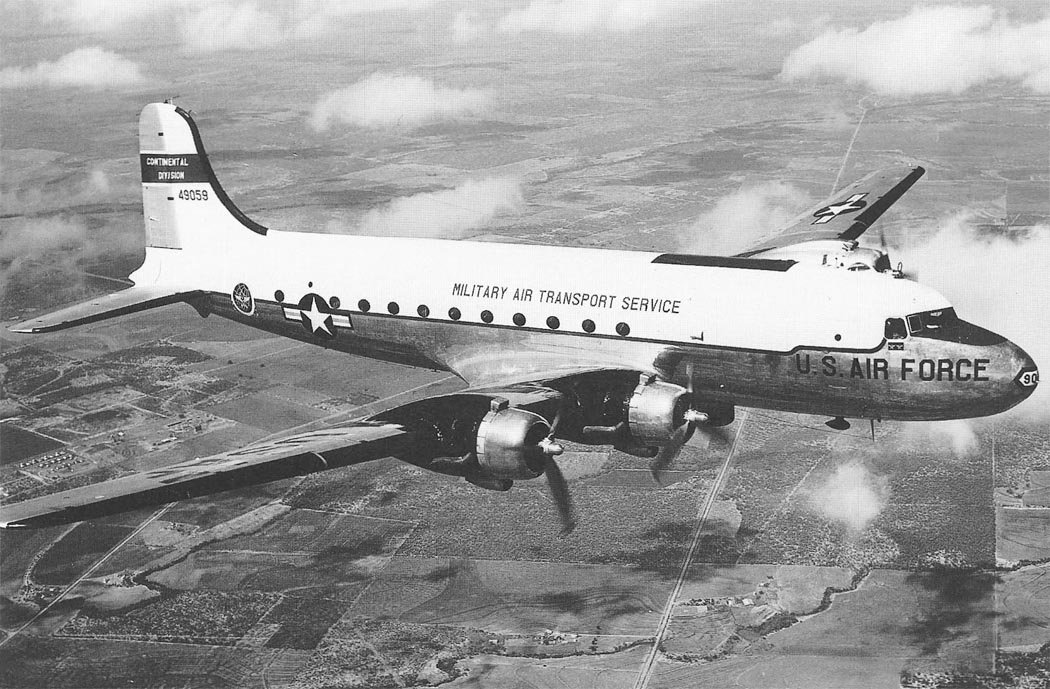
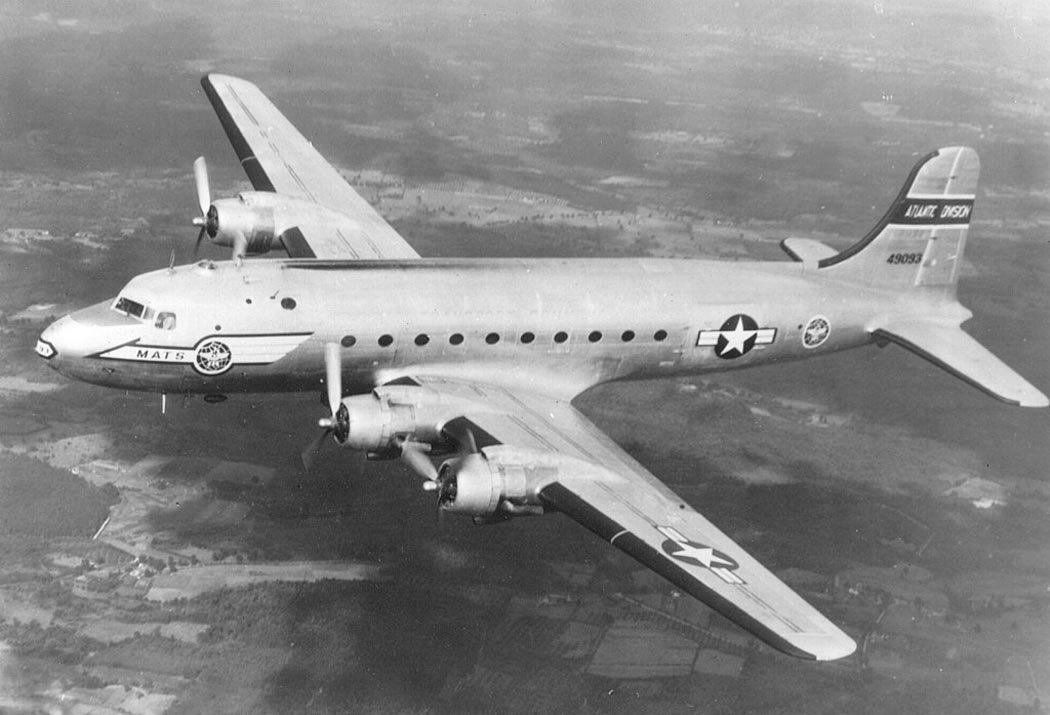
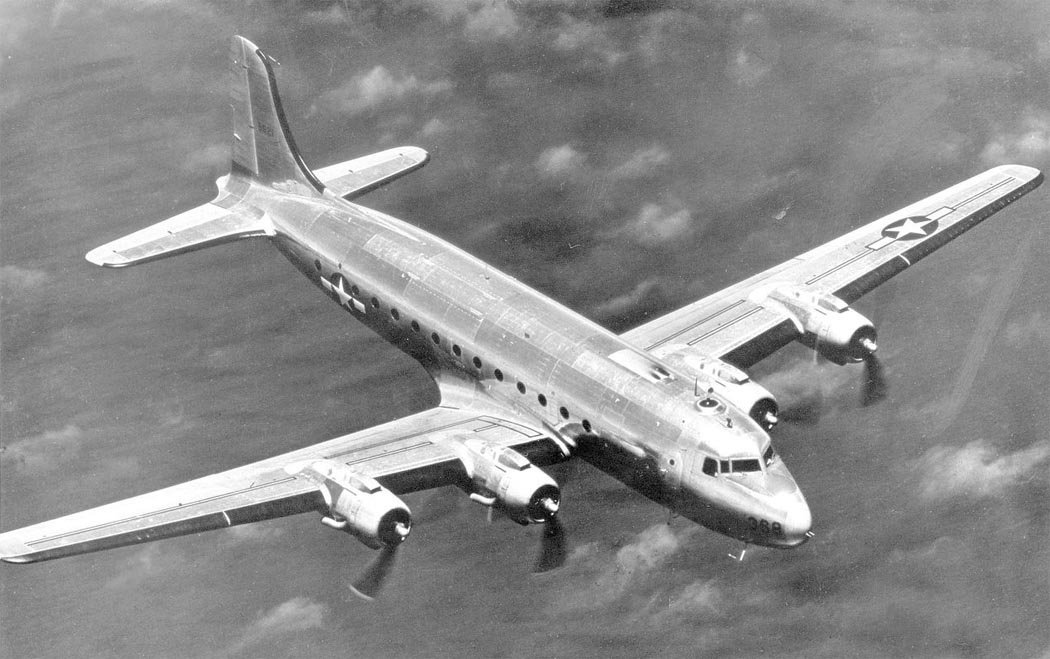
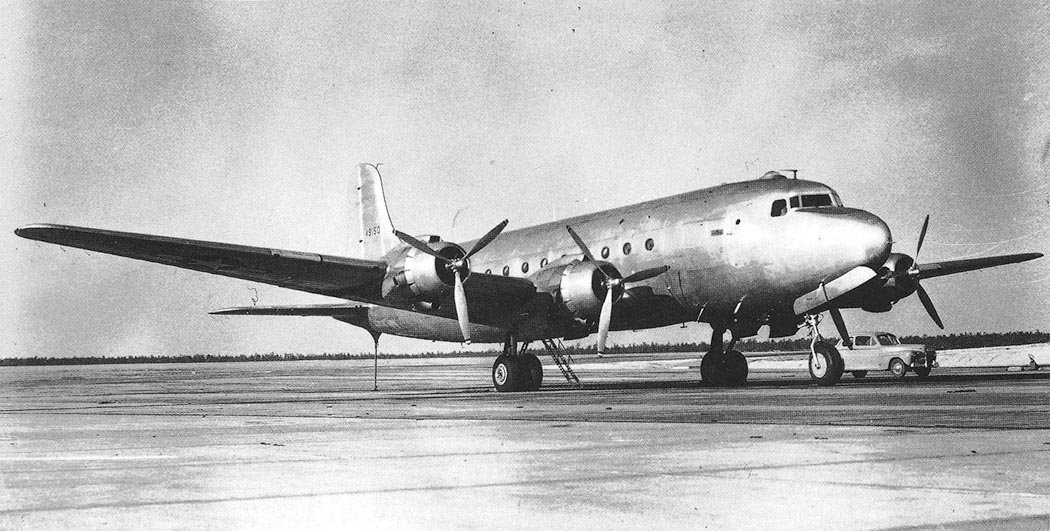
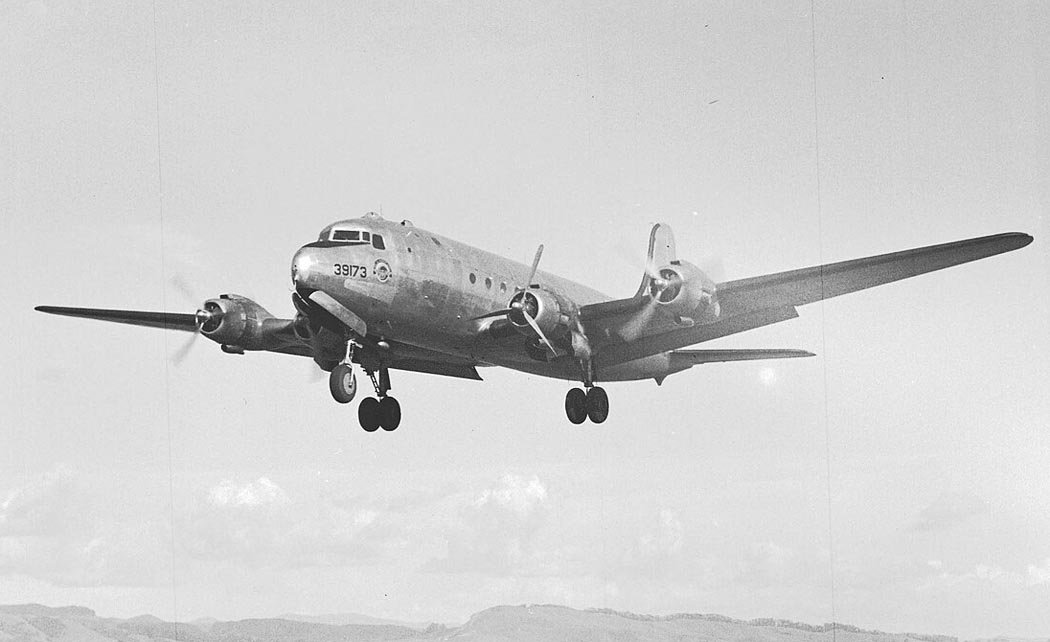
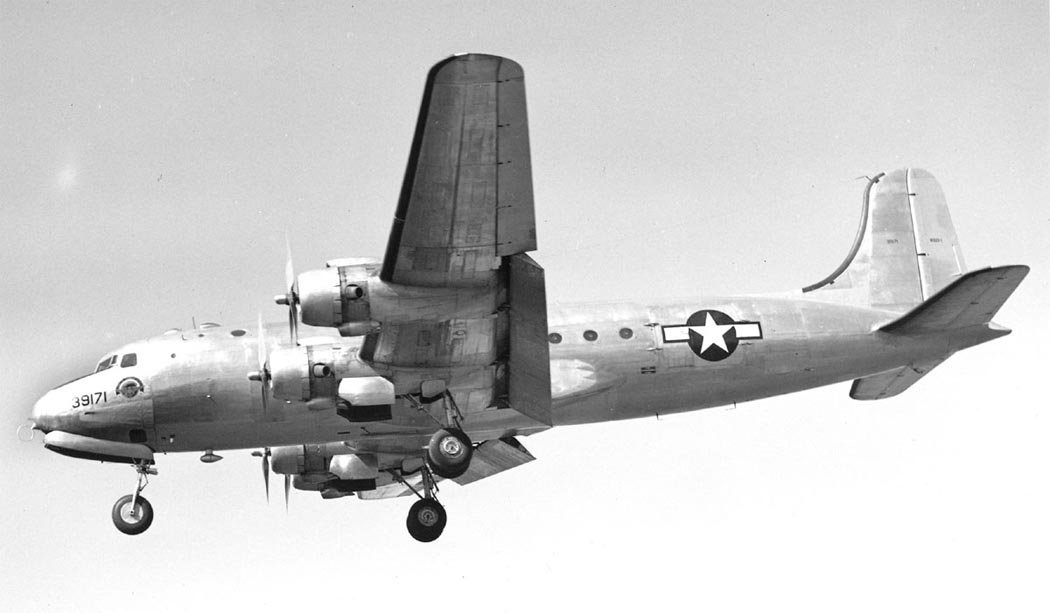
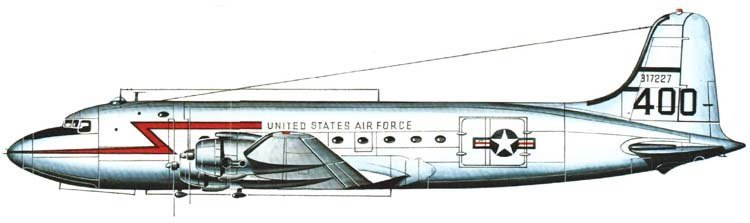
The C-54 Skymaster is an all-metal, cantilever, low-wing monoplane of classic design, featuring four piston engines and retractable tricycle landing gear.
Its fuselage is a semi-monocoque, oval-section structure with Alclad aluminum skin, measuring 3254 mm in diameter along its major axis. In the passenger version, it comprises a three-seat cockpit, a radio operator’s cabin, a forward cargo compartment (7.33 m³), and a passenger cabin measuring 16.88 m long, 2.74 m wide, and 2.36 m high, with a volume of 106.9 m³. Seating capacity varied, and the rear of the cabin included a wardrobe, a buffet, and a toilet. Below the cabin floor was a cargo compartment of 7.53 m³. In the cargo version, the passenger cabin was replaced by a cargo hold with a 2.38 x 1.70 m hatch.
The wing is an all-metal, cantilever, separable structure, trapezoidal in planform, utilizing a NACA 23016/23012 profile. It features an Alclad aluminum skin and consists of a three-spar center section rigidly connected to the fuselage, and removable single-spar outer panels. Ailerons are single-spar with a metal frame and fabric covering.
Power was provided by four piston engines installed in aerodynamic nacelles on the center wing, enclosed by three-section NACA cowlings. Various Pratt & Whitney R-2000 engines were used: R-2000-3 (1100 hp), R-2000-7 (1333 hp), R-2000-9 (1450 hp), and R-2000-11 (1350 hp), all 14-cylinder, two-row, air-cooled radial carbureted engines. The civil DC-4-1009 used the R-2000 at 1450 hp. Propellers were Hamilton Standard Hydromatic three-bladed, variable-pitch units with a diameter of 4 meters.
The tail assembly is an all-metal, single-fin, classic design. The two-spar fin is rigidly connected to the fuselage and incorporates a rudder. The two-spar cantilever stabilizer features an elevator. Both rudder and elevators had metal frames and fabric covering, and were statically and dynamically balanced using trim tabs.
The landing gear is a retractable tricycle type with a nose strut. The main struts retract forward into the inner engine nacelles, each with two Goodyear wheels fitted with low-pressure tires and hydraulic brakes. The nose strut, with a single wheel (without brakes), retracts forward into the fuselage nose. A spring-loaded tail skid was located at the rear of the fuselage.
Controls and systems included a Goodrich pneumatic de-icing system on the leading edges of the wing and stabilizer. A hydraulic system controlled flaps, landing gear retraction, nose wheel steering, and windshield wipers. The electrical system was 24-volt DC, powered by four engine-driven generators and four batteries. Equipment varied by aircraft version and customer requirements, including radio, radio compass, radio altimeter, Sperry autopilot, altimeter, airspeed indicator, artificial horizon, turn indicator, and magnetic compass. The instrument panel was mounted on flexible anti-vibration rubber bushings.
Technical Specifications
| Modification | S-54A |
| Wingspan, m | 35.81 |
| Length, m | 28.63 |
| Height, m | 8.39 |
| Wing area, m2 | 135.91 |
| Empty weight | 17237 |
| Normal takeoff weight | 33112 |
| Engine type | 4 Piston engine Pratt Whitney R-2000-7 |
| Power, hp | 4 x 1350 |
| Maximum speed, km/h | 441 |
| Cruising speed, km/h | 385 |
| Practical range, km | 6276 |
| Combat range, km | 4023 |
| Service ceiling, m | 6705 |
| Crew, crew members | 6 |
| Payload: | 50 soldiers or 14742 kg of cargo |
Image and diagram gallery of the C-54 Skymaster
 C-54 Skymaster |
 C-54 Skymaster |
 C-54 Skymaster |
 C-54 Skymaster |
 C-54 Skymaster |
 C-54 Skymaster |
 C-54 Skymaster |
 C-54 Skymaster |
 C-54 Skymaster |
 C-54 Skymaster |
 C-54 Skymaster |
 C-54 Skymaster |
 C-54 Skymaster |
 C-54 Skymaster |
 C-54 Skymaster |
 C-54 Skymaster |
 C-54 Skymaster |
 C-54 Skymaster |
 C-54 Skymaster |
 C-54 Skymaster |
 C-54 Skymaster |
 C-54 Skymaster |
 C-54 Skymaster |
 C-54 Skymaster |
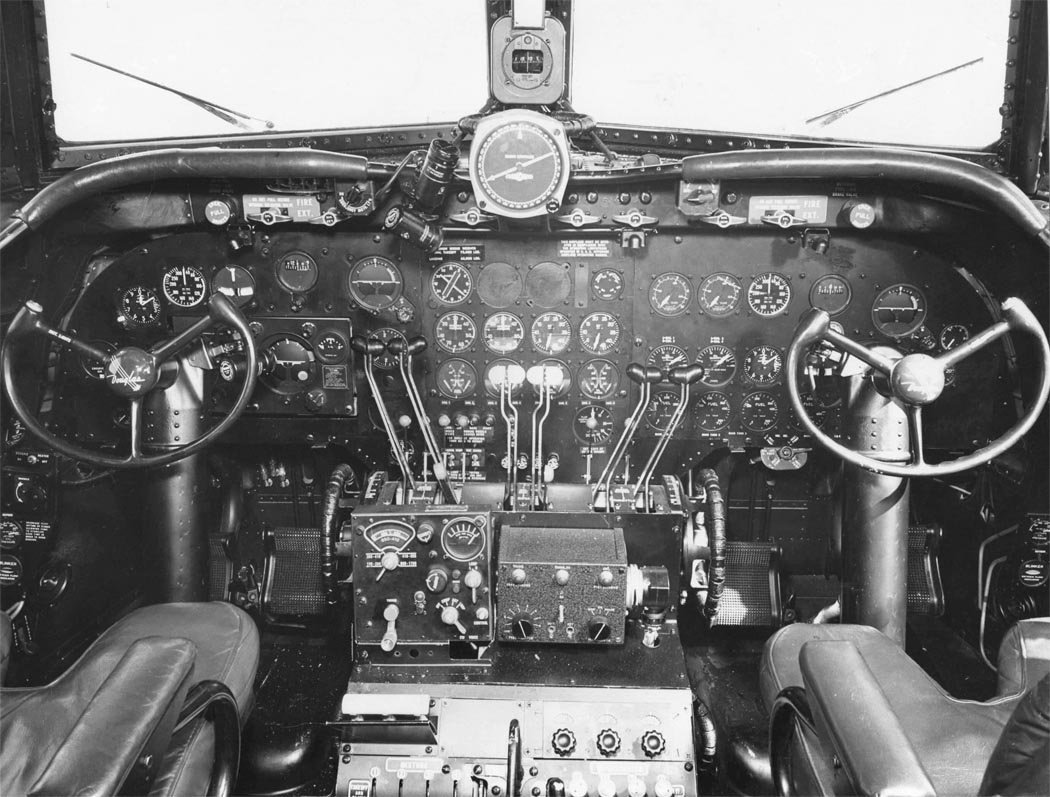 C-54 Skymaster |
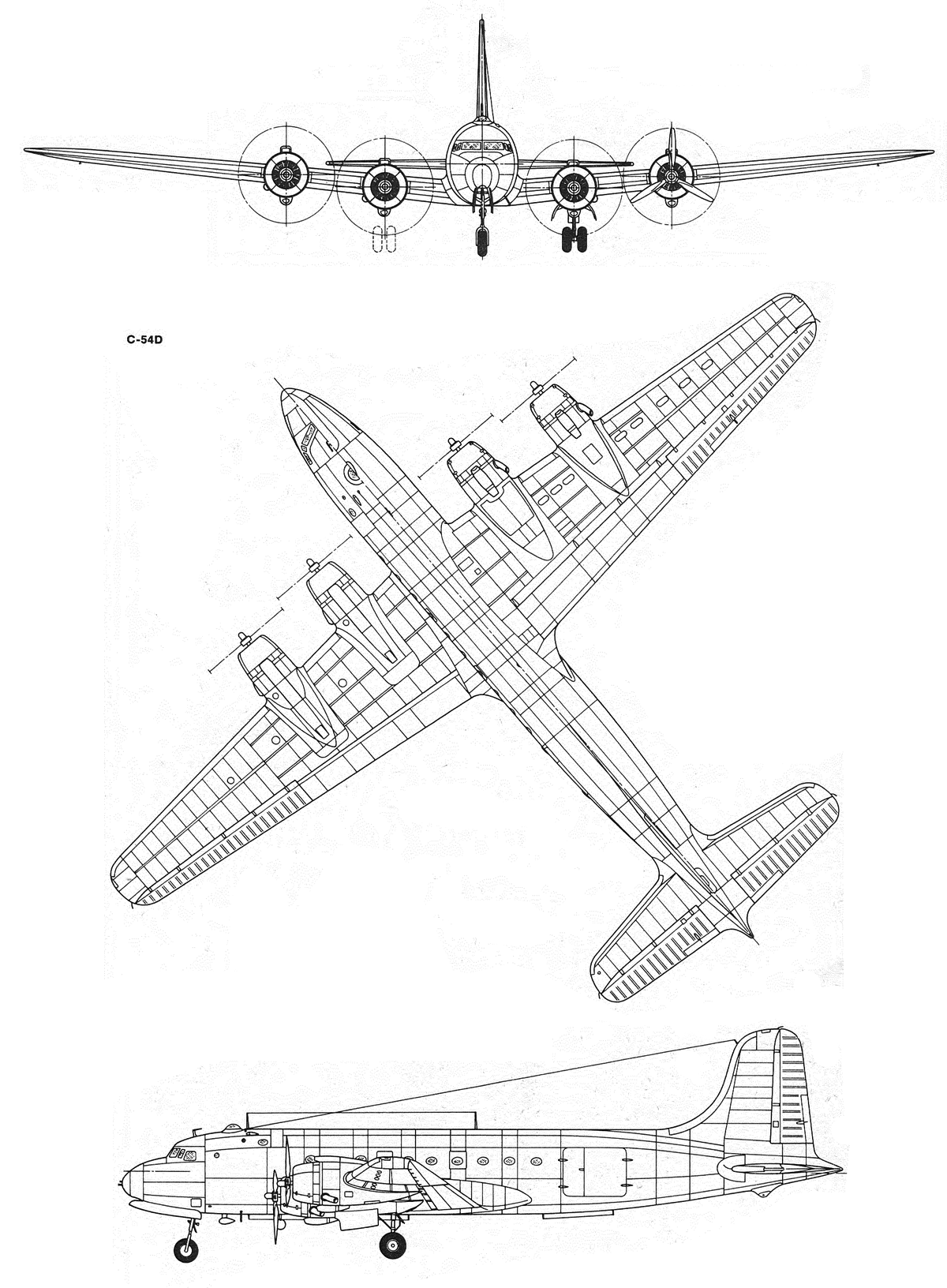 C-54 Skymaster |
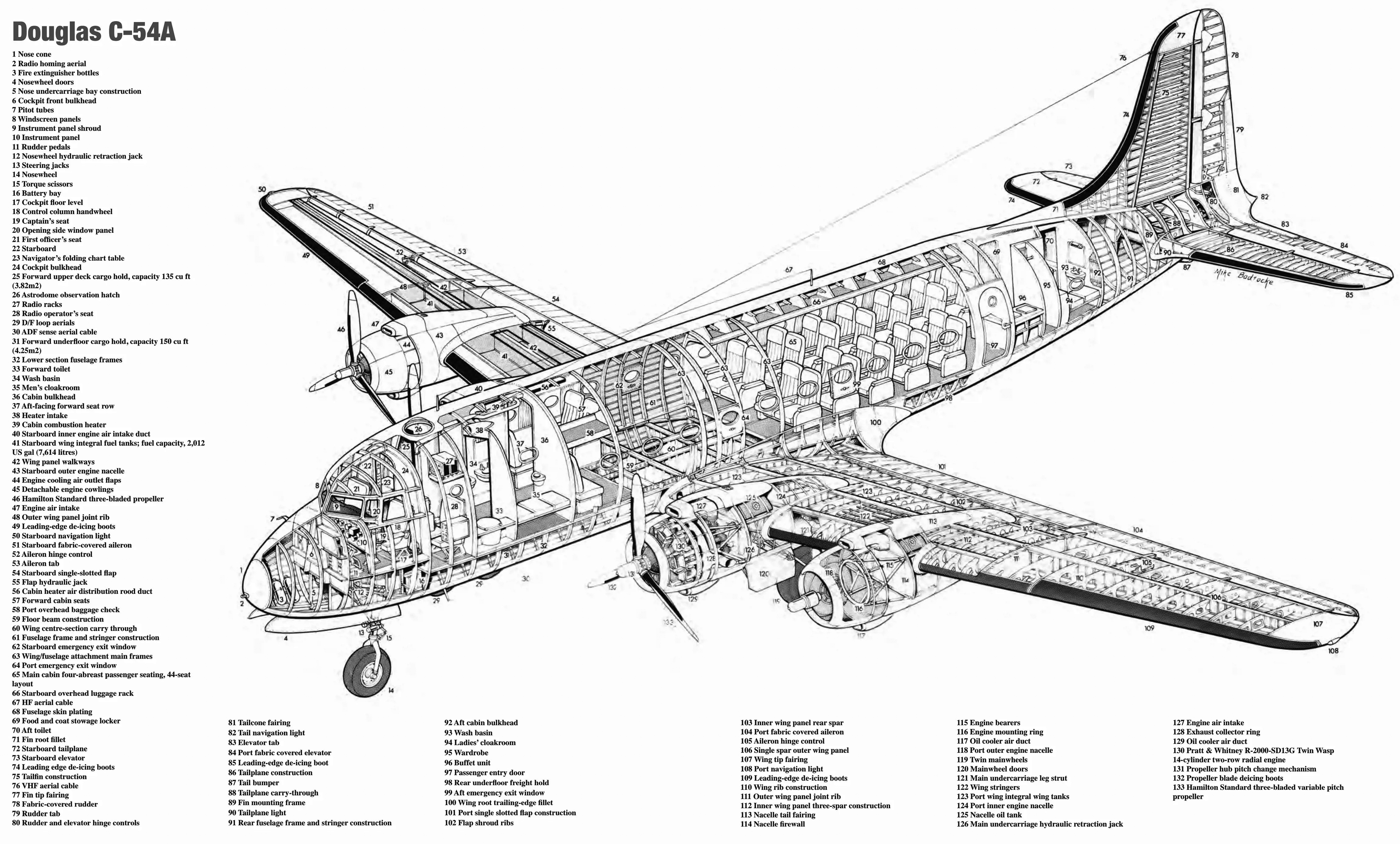 C-54 Skymaster |
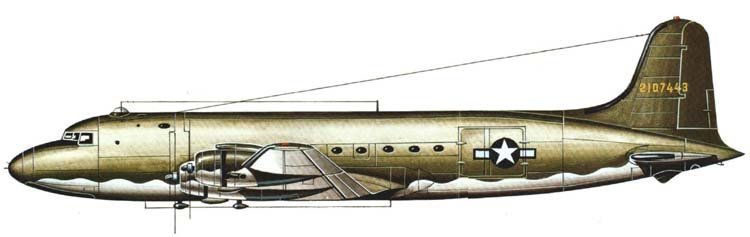 C-54 Skymaster |
 C-54 Skymaster |
ArchivoAéreo Editorial Team
A group of aviation researchers and enthusiasts dedicated to documenting and preserving global aeronautical history. All articles are reviewed to ensure historical accuracy.
Sources & Accuracy
The information presented in this technical sheet has been compiled from declassified flight manuals, historical archives, and specialized literature. While we strive for maximum accuracy, some performance data may vary depending on the specific variant or operational conditions.