CA-1 Airster
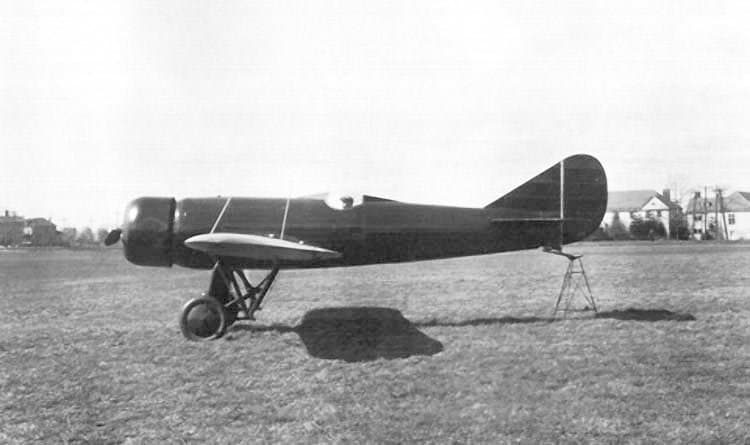
In 1930, the Buhl Aircraft Company constructed two light multi-purpose Airster aircraft, which were cantilever low-wing monoplanes. They differed in their power plant and crew cabin configuration. The single-seater CA-1 utilized a 300-horsepower Wright J-6 engine.
In contrast, the two-seater CA-1WA model was equipped with a 420-horsepower Pratt & Whitney Wasp engine. These variations in engine power and cabin setup were directly linked to the specific roles for which both aircraft were designed.
Design and Initial Purpose
The first aircraft, the CA-1, was intended for high-speed mail delivery, leveraging its swift design. The second, the CA-1WA, was conceived for sports competitions, benefiting from its more powerful engine and two-seat configuration. Despite their innovative features, neither model succeeded in attracting the desired customers.
Limited Production and Legacy
Consequently, the Airster aircraft never entered series production, marking an early end for this project. The CA-1WA had a slightly more fortunate fate: the single example built was purchased by a private individual and remained in use until the mid-1930s, extending its operational life.
Technical Specifications
| Modification | CA-1WA |
| Wingspan, m | 10.90 |
| Length, m | 7.50 |
| Empty weight | 522 |
| Maximum takeoff weight | 720 |
| Engine type | 1 Piston engine Pratt & Whitney Wasp |
| Power, hp | 1 x 420 |
| Crew, crew | 2 |
Image and diagram gallery of the CA-1 Airster
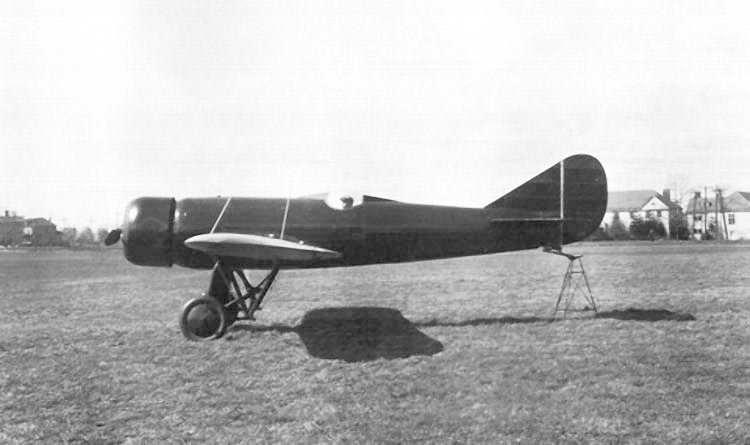 CA-1 Airster |
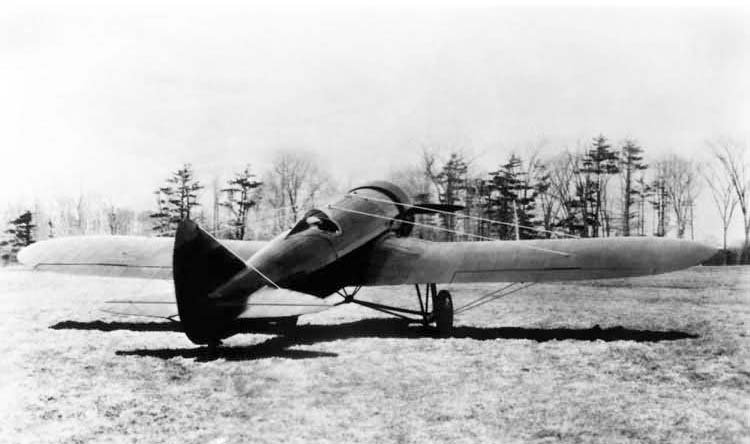 CA-1 Airster |
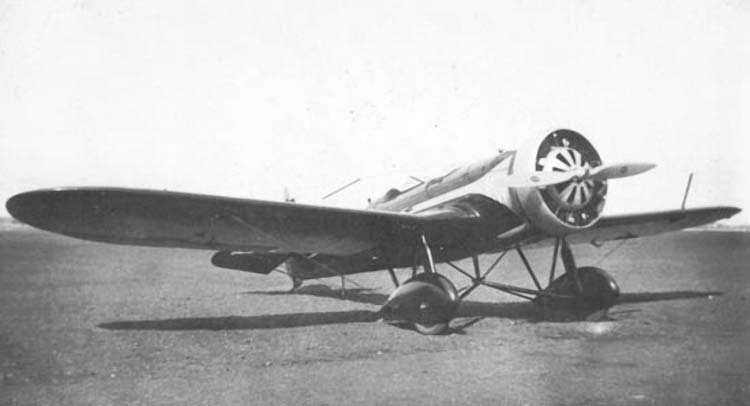 CA-1 Airster |
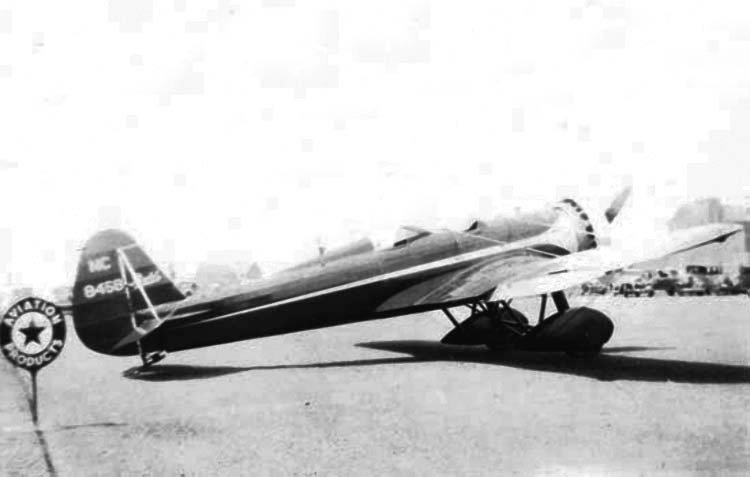 CA-1 Airster |
ArchivoAéreo Editorial Team
A group of aviation researchers and enthusiasts dedicated to documenting and preserving global aeronautical history. All articles are reviewed to ensure historical accuracy.
Sources & Accuracy
The information presented in this technical sheet has been compiled from declassified flight manuals, historical archives, and specialized literature. While we strive for maximum accuracy, some performance data may vary depending on the specific variant or operational conditions.