Caproni Ca.57
Post-War Transition and Civilian Aviation
After the end of the First World War, the Aeronautica Caproni company shifted its focus to civil customers. Since designing and building transport aircraft “from scratch” was a long and laborious process, the company’s first passenger aircraft were conversions of heavy bombers.
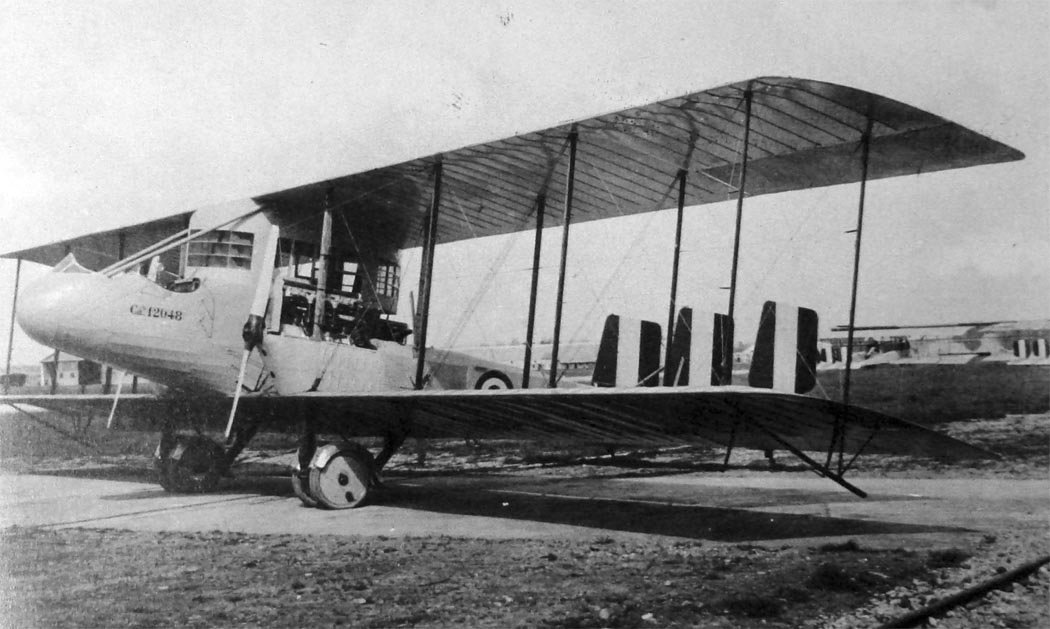
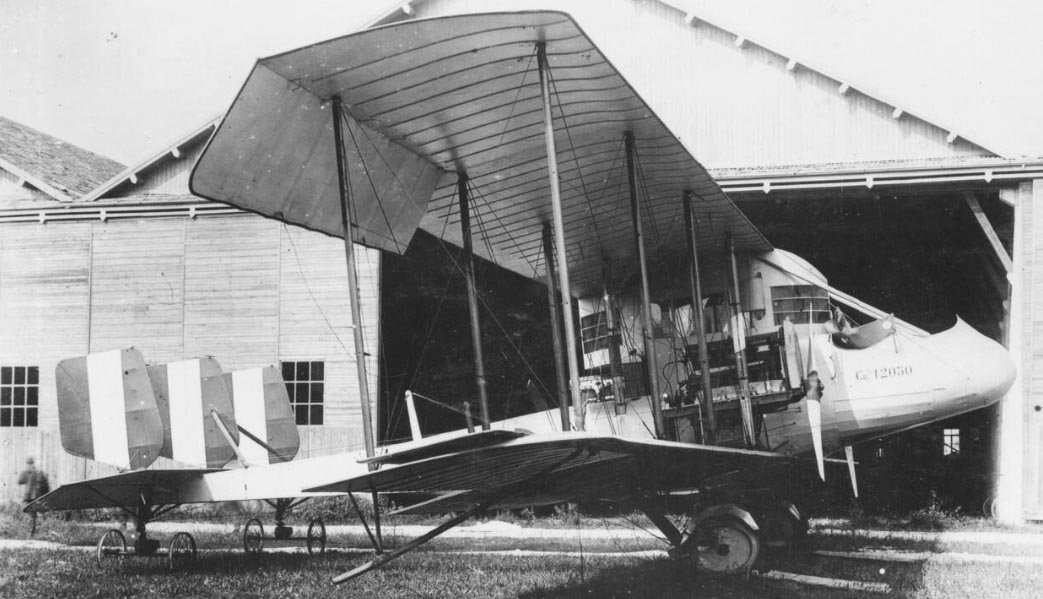
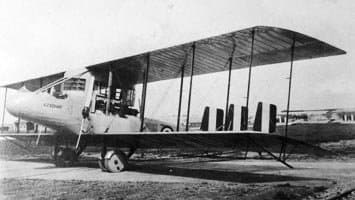
The Caproni Ca.57 was one of the first such aircraft, sometimes also called the Breda M-1, developed from the Ca.44. The new aircraft’s power plant remained the same, utilizing three Fiat A.12bis engines, each producing 300 hp. The enclosed section of the cockpit was fitted with a passenger cabin capable of seating eight people.
Ca.57’s Maiden Flight and Legacy
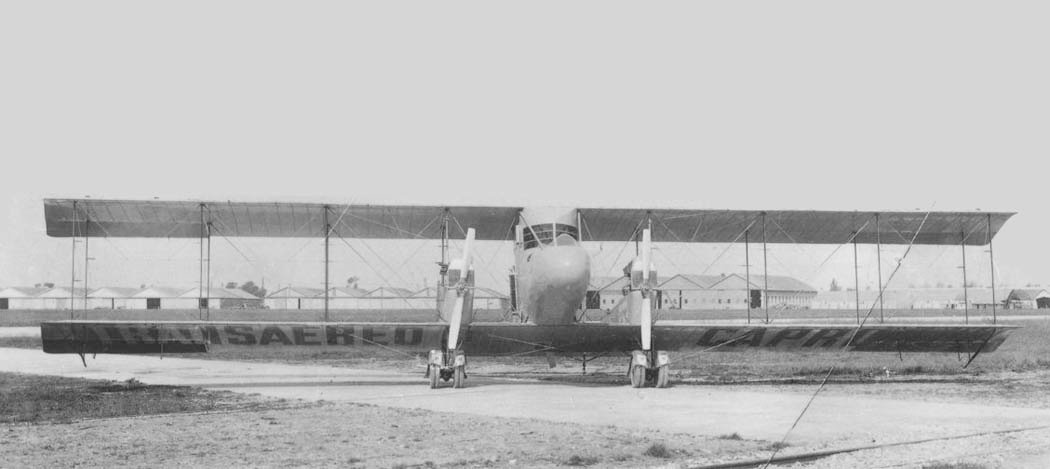
The Ca.57’s maiden flight took place in January 1919. The aircraft’s wings were painted in the colors of the national flag and bore the inscription “Transaereo Caproni.” This marked a significant step in Italian civil aviation.
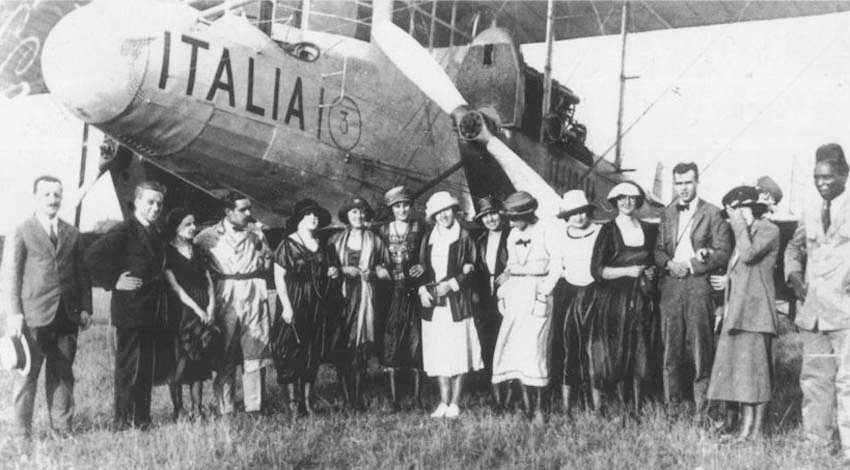
A similar conversion of the Ca.5 bomber was carried out in 1923 by two engineers from the Breda firm, who built a passenger aircraft named “Italia.” This highlights a broader post-war trend of adapting military aircraft for civilian uses.
Technical Specifications
| Modification | Ca.57 |
| Wingspan, m | 23.40 |
| Length, m | 12.60 |
| Height, m | 4.48 |
| Wing area, m2 | 150.00 |
| Empty equipped weight | 3300 |
| Normal takeoff weight | 5300 |
| Engine type | 3 Piston engines Fiat A.12bis |
| Power, hp | 3 x 300 |
| Maximum speed, km/h | 140 |
| Cruising speed, km/h | 120 |
| Crew | 2 crew members |
| Payload | up to 8 passengers |
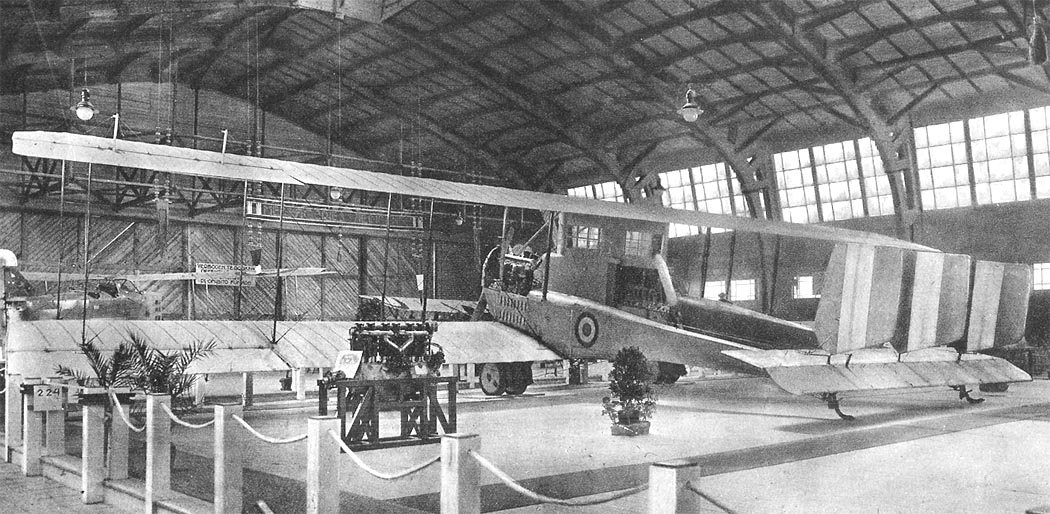
Image gallery of the Caproni Ca.57