Caudron C.23
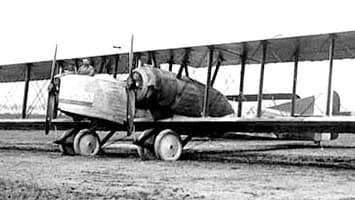
Following the twin-engine Caudron C.21 biplane, the C.22 night bomber in the BN.2 category (two-seater night bomber) did not go into serial production due to insufficient engine power. It was then that engineer Paul Deville constructed the C.23 heavy bomber, a large aircraft capable of carrying a significant bomb load.
Wartime Design and Production
The C.23 appeared in February 1918, receiving orders for a total of 1,000 serial machines under the designation C.23BN.2. However, only 54 aircraft were built by the end of the war. Like the Handley Page O/400 bomber, the C.23 was designed for strikes on Berlin and had the appropriate payload and range, but neither of these aircraft entered service before the end of World War I, and its serial production was cancelled.
Military Service and Decommissioning
Most of the C.23 aircraft were assigned in 1919 to the 22nd Regiment of French military aviation, stationed in Luxeuil. However, they proved to be too heavy and insufficiently maneuverable for military operations. Consequently, they were decommissioned and scrapped in February 1920.
Civilian Reconversion
After the war, the C.23 was also used as a commercial airliner. The first modification flew on the Paris-Brussels line, featuring an open cockpit for 12 passengers. Subsequently, the C.23bis had an enclosed passenger cabin and operated for some time between Paris and London, showcasing its post-conflict versatility.
Technical Specifications
| Modification | C.23 |
| Wingspan, m | 24.50 |
| Length, m | 13.00 |
| Height, m | 3.40 |
| Wing area, m2 | 105.00 |
| Empty weight | 2341 |
| Normal takeoff weight | 4170 |
| Engine type | 2 Piston engines Salmson CU 9Z |
| Power, hp | 2 x 260 |
| Maximum speed, km/h | 144 |
| Cruising speed, km/h | 122 |
| Service ceiling, m | 4500 |
| Crew | 2 |
| Armament | two 7.7-mm Lewis machine guns, up to 1000 kg of bombs |
Image and diagram gallery of the Caudron C.23
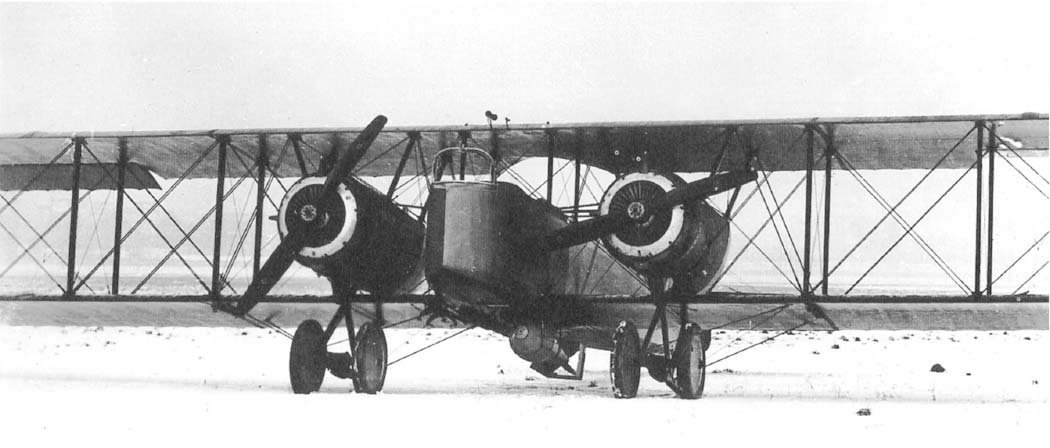 C.23 |
 C.23 |
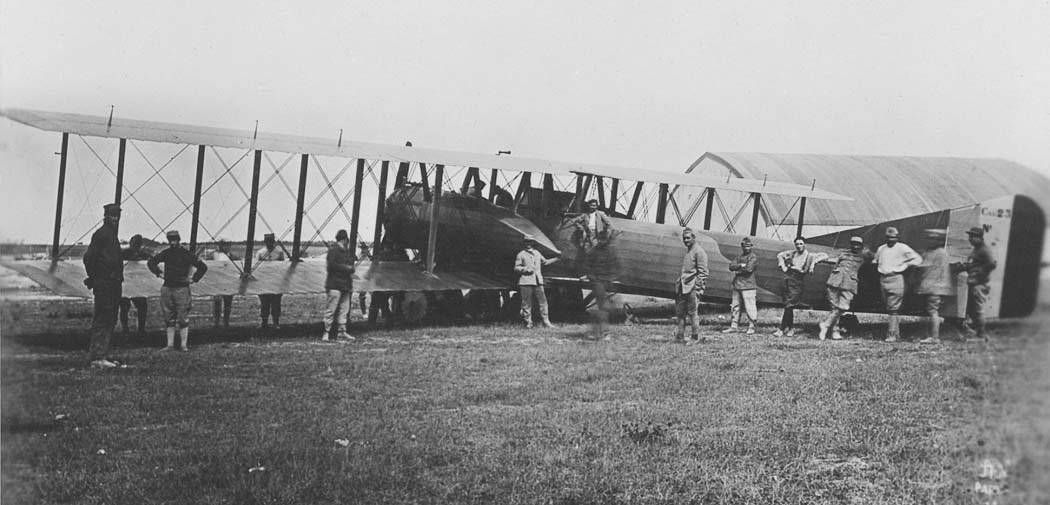 C.23 |
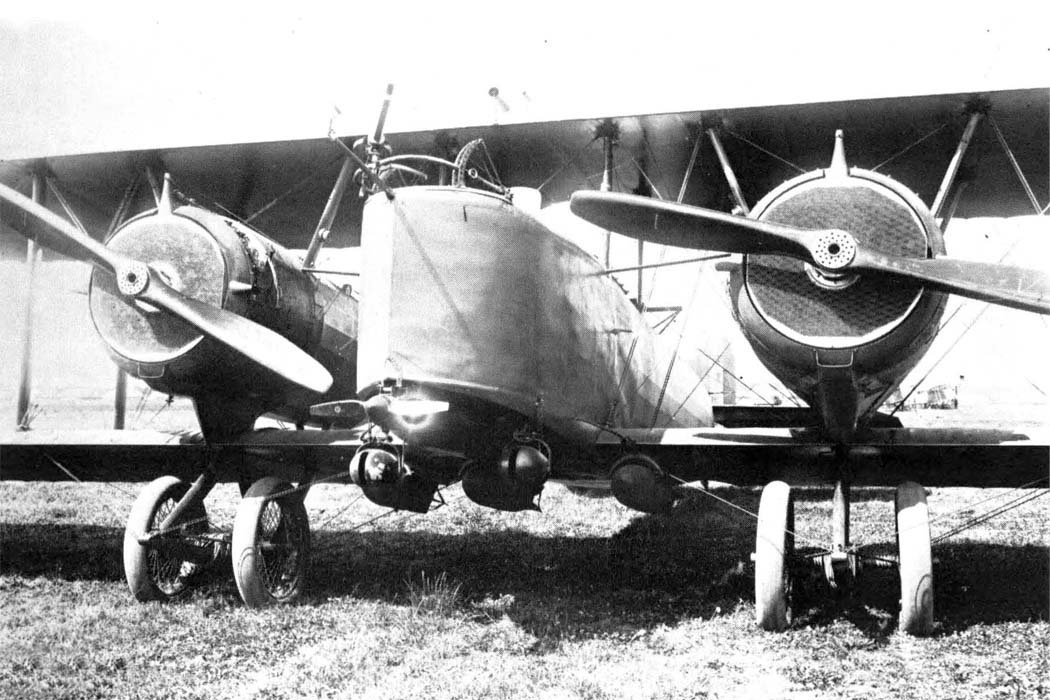 C.23 |
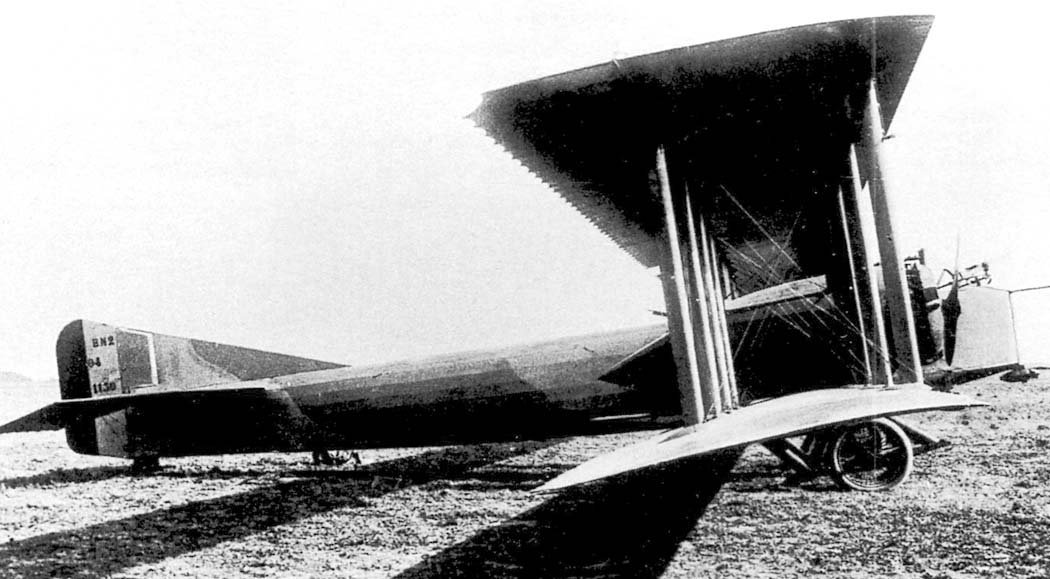 C.23 |
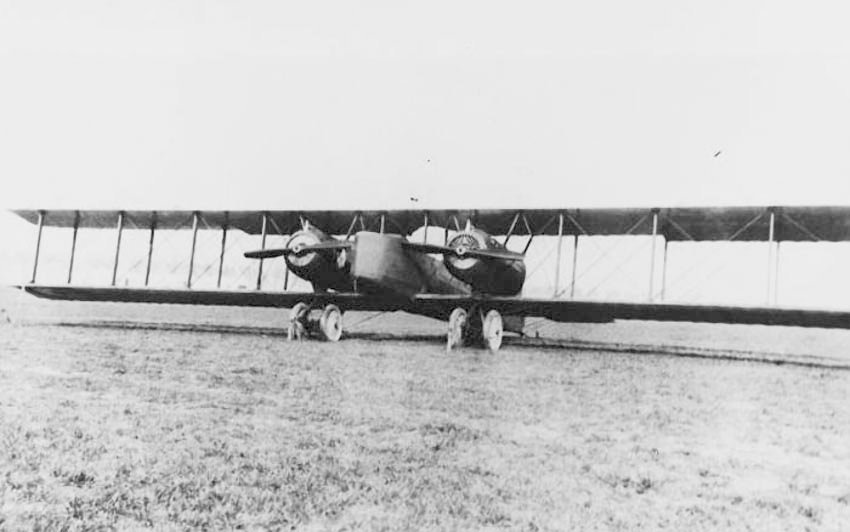 C.23 |
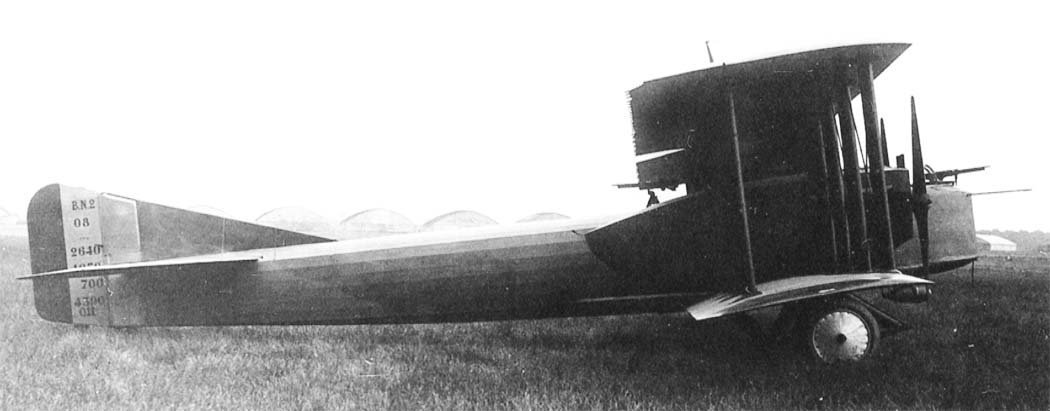 C.23 |
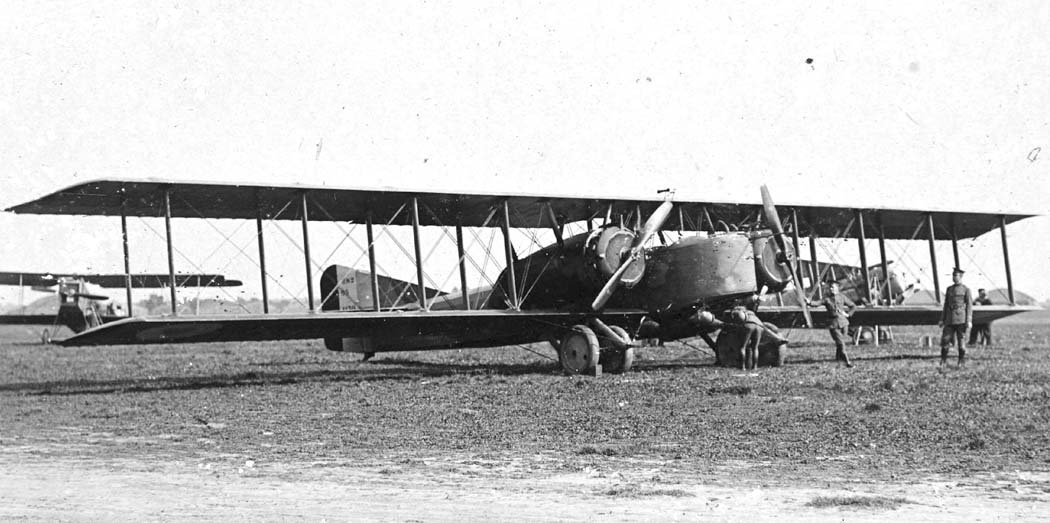 C.23 |
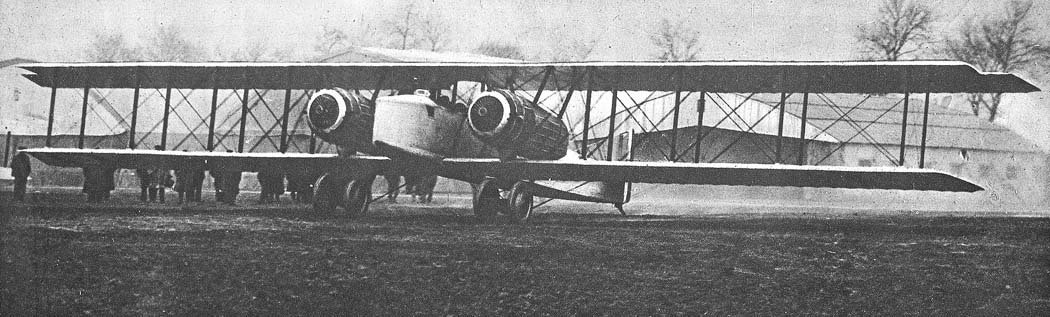 C.23 |
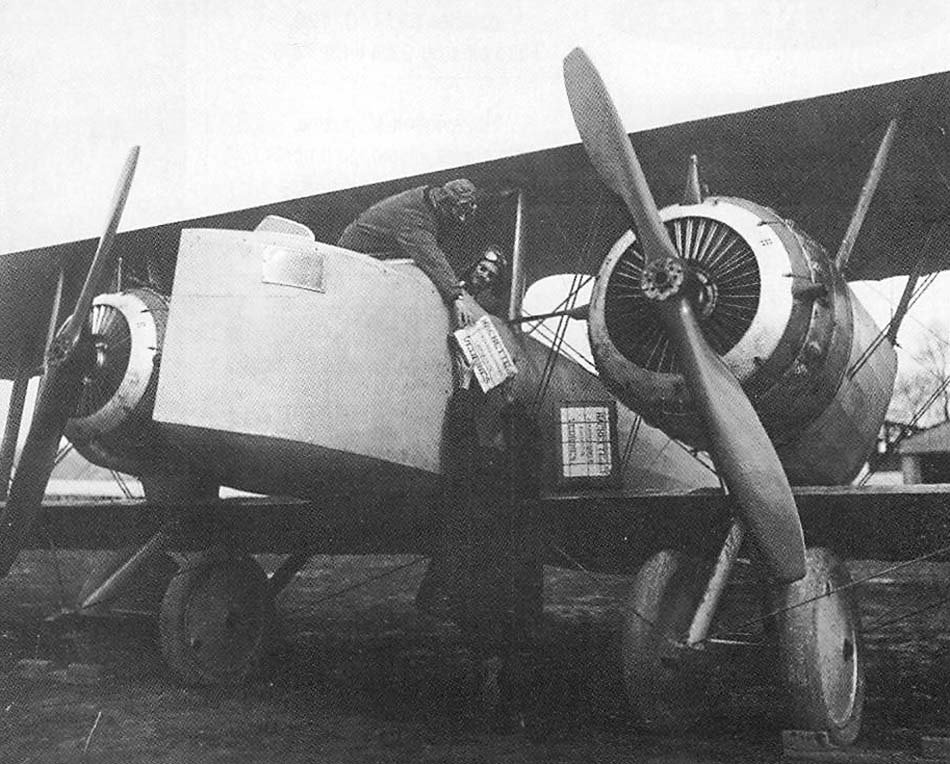 C.23 |
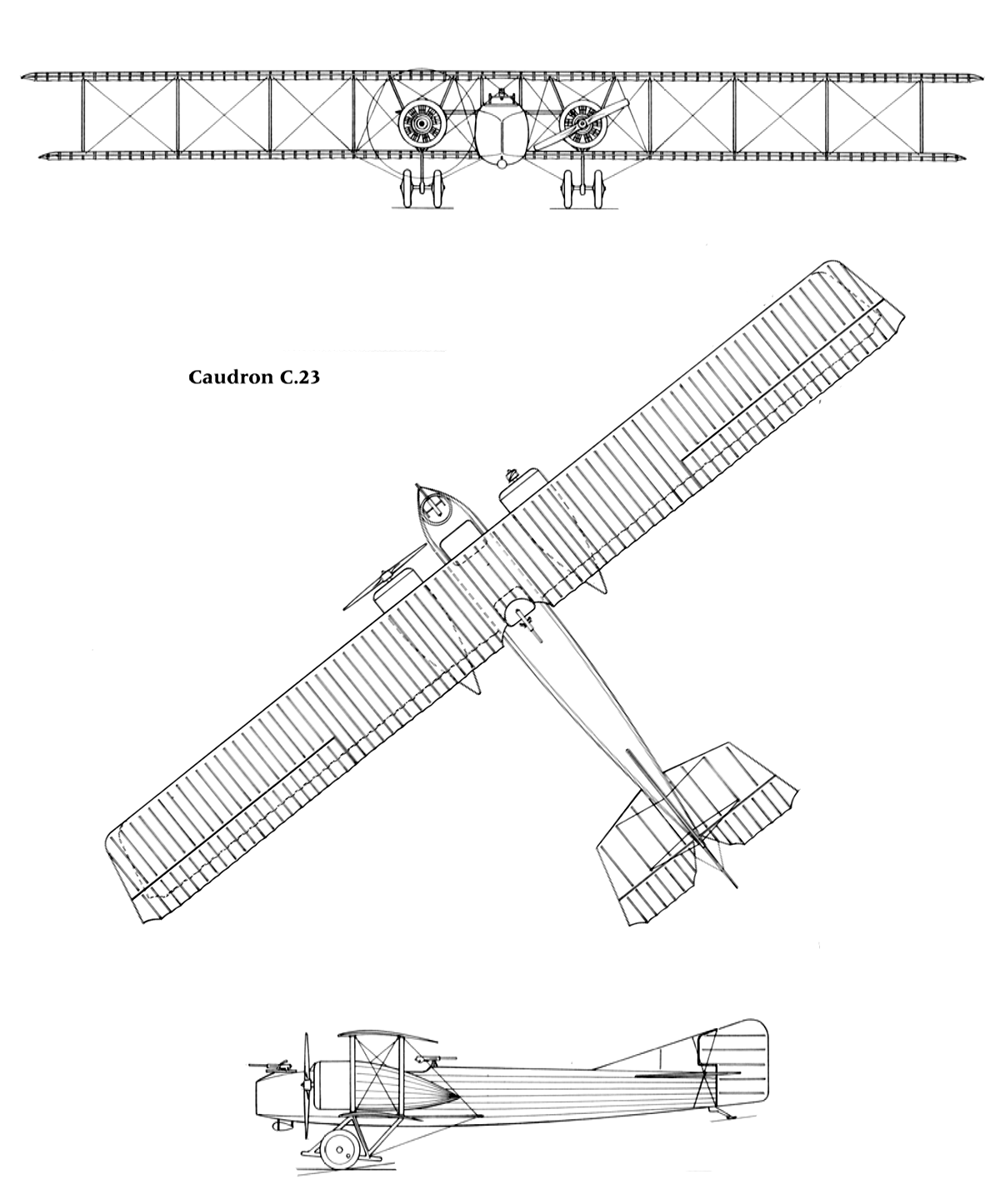 C.23 |
 C.23 |
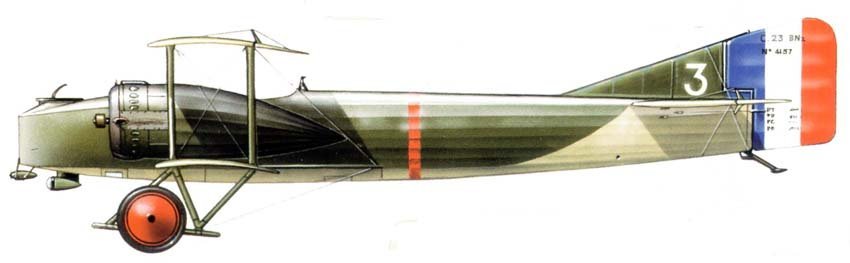 C.23 |
ArchivoAéreo Editorial Team
A group of aviation researchers and enthusiasts dedicated to documenting and preserving global aeronautical history. All articles are reviewed to ensure historical accuracy.
Sources & Accuracy
The information presented in this technical sheet has been compiled from declassified flight manuals, historical archives, and specialized literature. While we strive for maximum accuracy, some performance data may vary depending on the specific variant or operational conditions.