Caudron C.360 Series
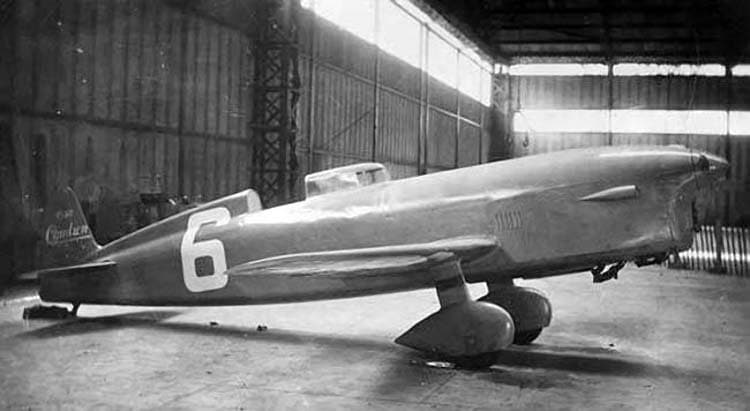
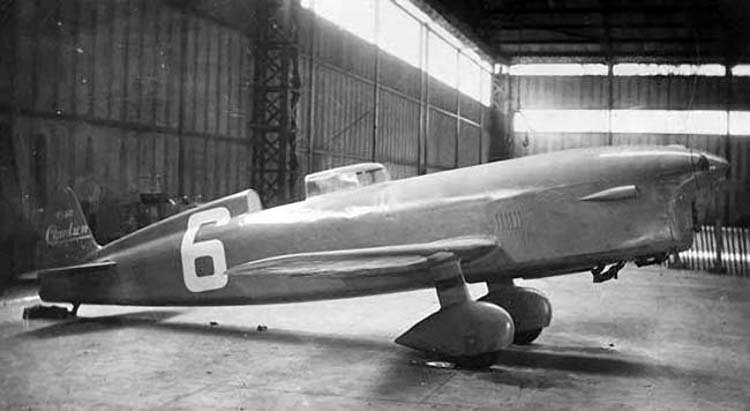
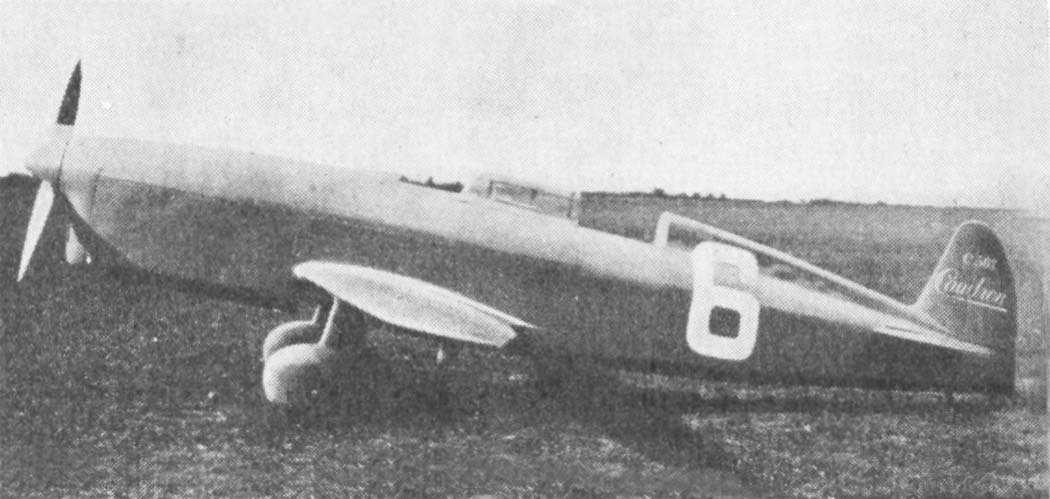
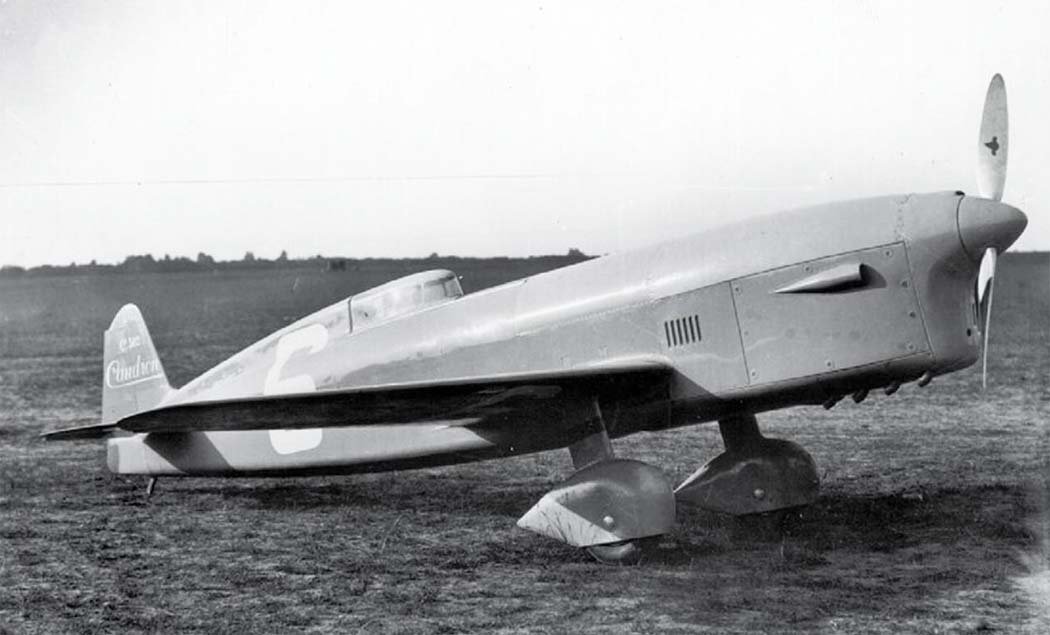
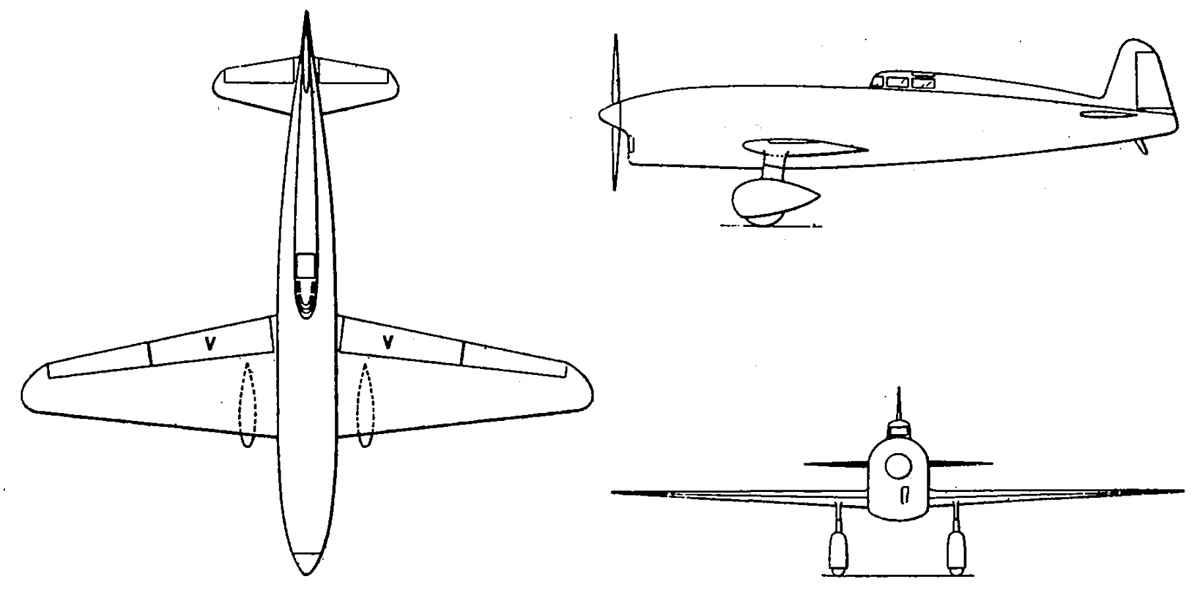
The Caudron C.360 racing aircraft project was developed in 1933 specifically for the Coupe Deutch de la Meurthe air races. This design featured a low-wing monoplane configuration, characterized by its trapezoidal wing with rounded tips.
The wing was equipped with flaps located on the trailing edge, whose width was equal to 30% of the wing chord length. These flaps allowed for an approximate 30% increase in Czmax. Although the use of double flaps could have increased this by 37%, this device was not adopted after wind tunnel tests because the structural complexity did not outweigh the benefits. The flap control was integrated with the stabilizer control system.
Design and Construction Insights
The fuselage featured straight side sections, a rounded top, and an elliptical bottom. The side truss frames consisted of wooden lattices, each comprising two plywood shelves. The connections of these truss frames in the tail section were sufficient to provide them with the correct contour.
In the lower part, the trusses had cavities for attaching the wing spar to the fuselage; two strong bolts were used at each attachment point. This detailed construction aimed to optimize the aircraft’s aerodynamics and strength for racing.
Engine Challenges and Incidents
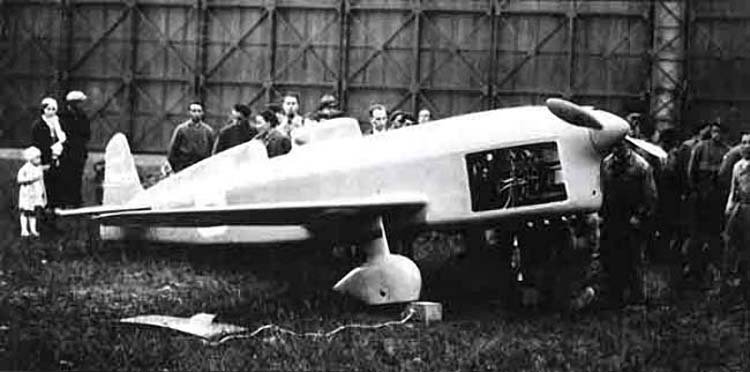
The three C.360 aircraft built for the races were intended to be fitted with six-cylinder, 205-horsepower Regnier engines (the Caudron C.366 modification). However, due to time constraints, two aircraft (Caudron C.362) were fitted with 170-horsepower Renault 4Pei Bengali engines without any modifications. As a result, with the new power plant, the aircraft became slightly oversized and heavier. It would have been possible to save about 40 kg and increase the aircraft’s speed by better adapting the airframe to the new engine, particularly since the engine frame was longer than necessary for the four-cylinder Bengali.
The first C.362 was completely destroyed during a fatal accident, caused by throttle flutter resulting from a loosened bolt in the control system. Springs, designed to hold the valves open in case of control lever failure (besides the always-present option to stop the engine via magneto contacts), likely failed because a careless mechanic connected them unsafely. Furthermore, the sole C.366 broke its landing gear on takeoff during testing and could not participate in the competition.
Racing Performance and Outcomes
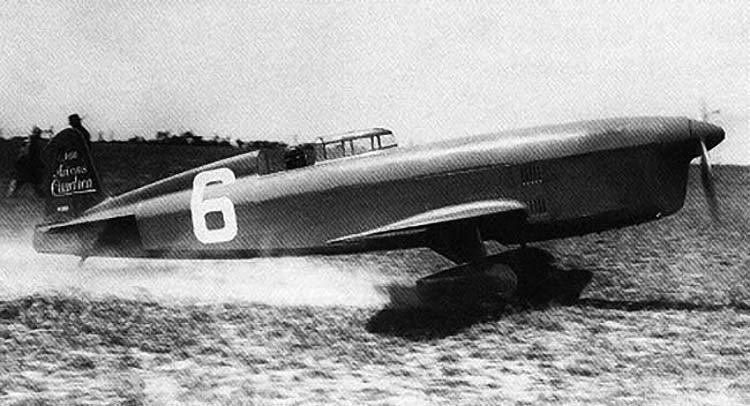
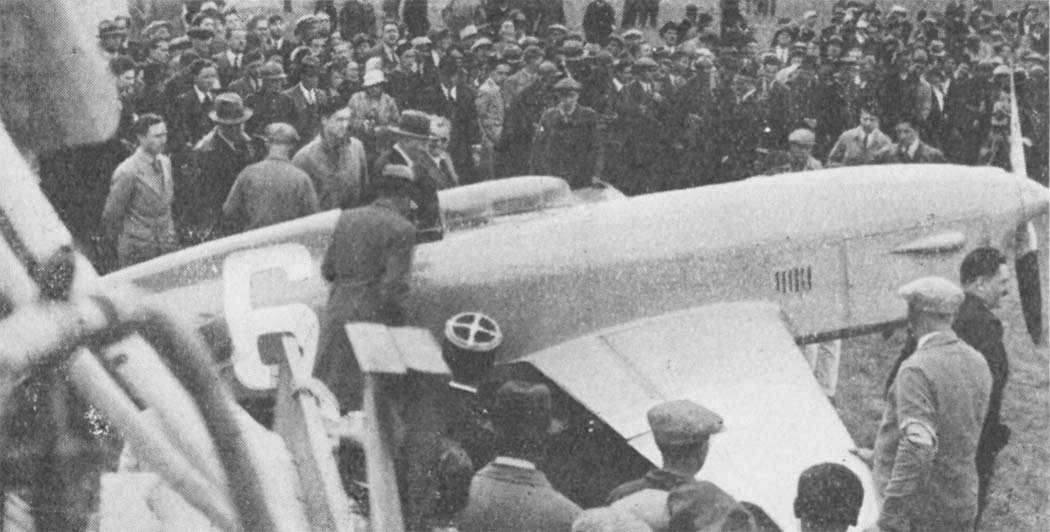
Only Raymond Delmotte’s aircraft was able to participate in the races. Its average speed over 2000 kilometers (1243 miles), excluding stops (Delmotte refueled every 500 km), was 317.04 km/h (197 mph); the actual average speed was 291.5 km/h (181.14 mph).
During the second half of the course, the average speed was lower than in the first half, with the last 800 kilometers (497 miles) completed at 225 fewer revolutions per minute (due to magneto and valve spring issues), meaning at 125 instead of 165 hp. Under normal conditions, the pilot could have increased speed to 340 km/h (211.3 mph) over the last 1000 kilometers of the course. The landing was as successful as the takeoff: there were no oil spills or exhaust traces on the aircraft surfaces. Consequently, the C.362 secured second place in these competitions.
The following year was also successful: Delmotte, flying the C.362, broke several world records, and the repaired C.366, fitted with a new propeller, took second place in the Coupe Deutch de la Meurthe competition.
Technical Specifications
| Modification | C.362 |
| Wingspan, m | 6.80 |
| Length, m | 7.07 |
| Height, m | 1.90 |
| Wing area, m2 | 7.00 |
| Empty weight | 405 |
| Maximum takeoff weight | 695 |
| Engine type | 1 Piston engine Renault 4Pei Bengali |
| Power, hp | 1 x 170 |
| Maximum speed, km/h | 350 |
| Crew, crew members | 1 |
Image and diagram gallery of the Caudron C.360 Series
 C.360(362) |
 C.360(362) |
 C.360(362) |
 C.360(362) |
 C.360(362) |
 C.360(362) |
 C.360(362) |
 C.360(362) |
ArchivoAéreo Editorial Team
A group of aviation researchers and enthusiasts dedicated to documenting and preserving global aeronautical history. All articles are reviewed to ensure historical accuracy.
Sources & Accuracy
The information presented in this technical sheet has been compiled from declassified flight manuals, historical archives, and specialized literature. While we strive for maximum accuracy, some performance data may vary depending on the specific variant or operational conditions.