Caudron C.39
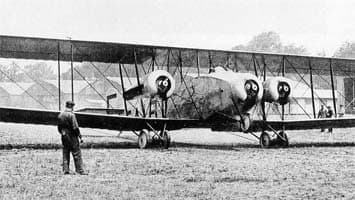
Continuing the series of Caudron transport aircraft, which began with the C.33, engineer Philippe Deville designed the Caudron C.39 passenger aircraft. It was a three-bay biplane, equipped with three 130 hp (97 kW) Clerget 9B nine-cylinder engines. It could transport six passengers and two crew members (pilot and mechanic).
Early Flights and Seaplane Conversion
The aircraft’s first flight occurred in early 1920. By spring, it was converted into a seaplane variant by installing two floats. In this configuration, the aircraft’s passenger capacity decreased to four people.
Competitive Career and Restoration
To attract future clients, the C.39 was included among the participants in the Monaco Grand Prix competitions. However, the first attempt proved unsuccessful. Only a year later did it manage to achieve several victories in various competitions.
In the spring of 1921, the aircraft was seriously damaged by fire, but it was quickly restored, reverting to its wheeled landing gear. In this form, the aircraft participated in the Grand Prix d’Aéro-Club de France, after which its career was finished.
Technical Specifications
| Modification | C.3 9 |
| Wingspan (upper wing), m | 20.92 |
| Wingspan (lower wing), m | 19.52 |
| Aircraft length, m | 13.10 |
| Aircraft height, m | 4.55 |
| Wing area, m2 | 88.80 |
| Empty weight, kg | 2170 |
| Maximum takeoff weight, kg | 3070 |
| Engine type | 3 Piston engines Clerget 9В |
| Power, hp | 3 x 130 |
| Maximum speed, km/h | 130 |
| Cruising speed, km/h | 105 |
| Flight endurance, h | 4 |
| Crew | 2 crew |
| Payload | up to 4 passengers |
Image and diagram gallery of the Caudron C.39
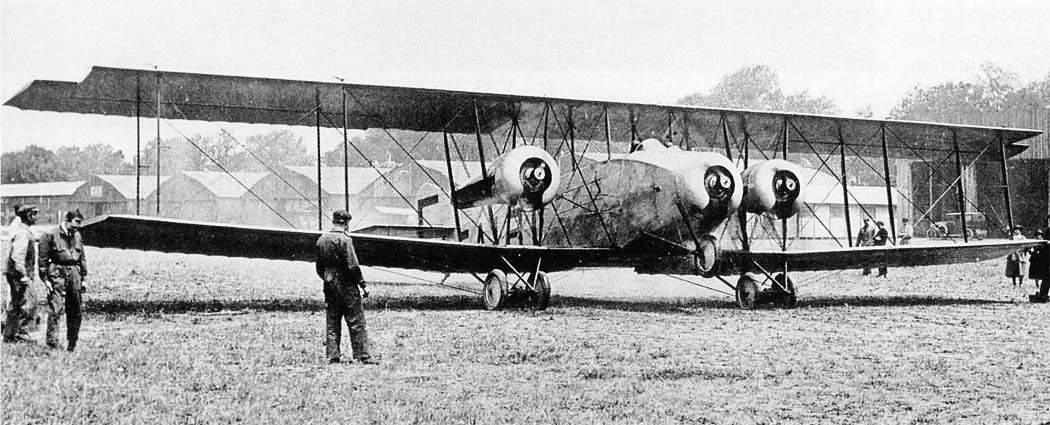 Caudron C.39 |
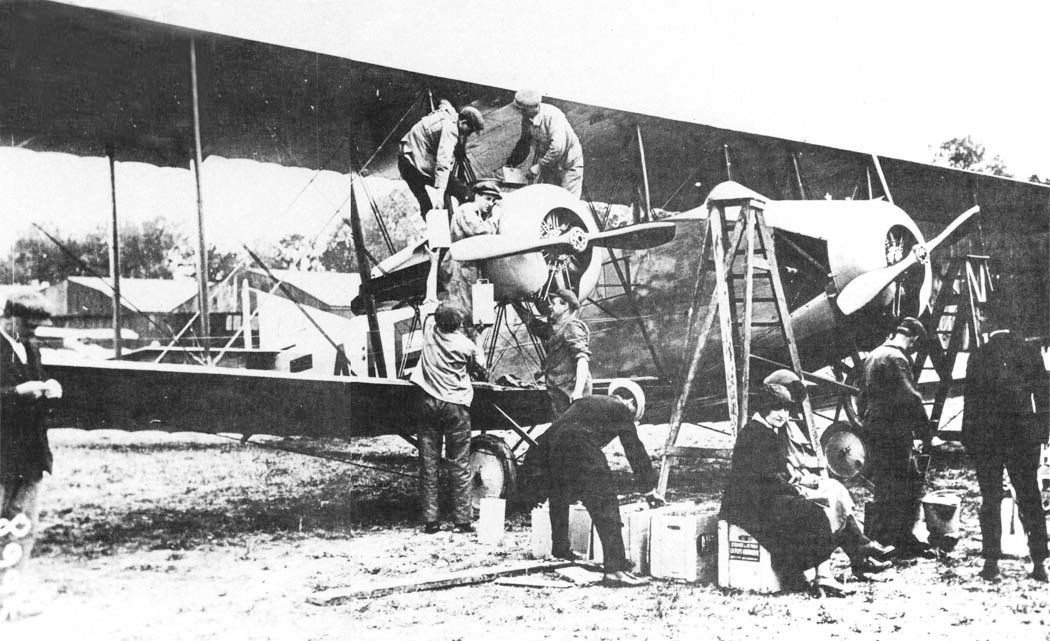 Caudron C.39 |
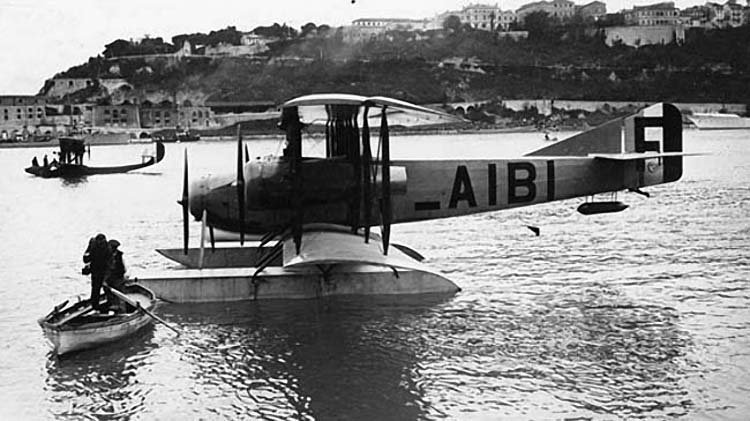 Caudron C.39 |
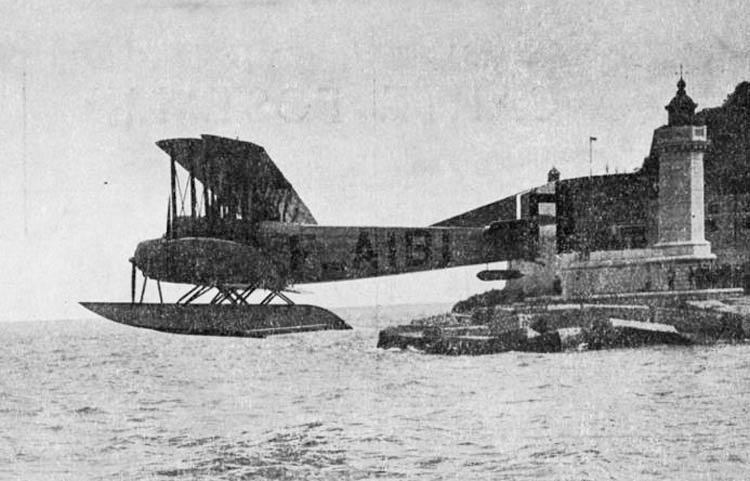 Caudron C.39 |
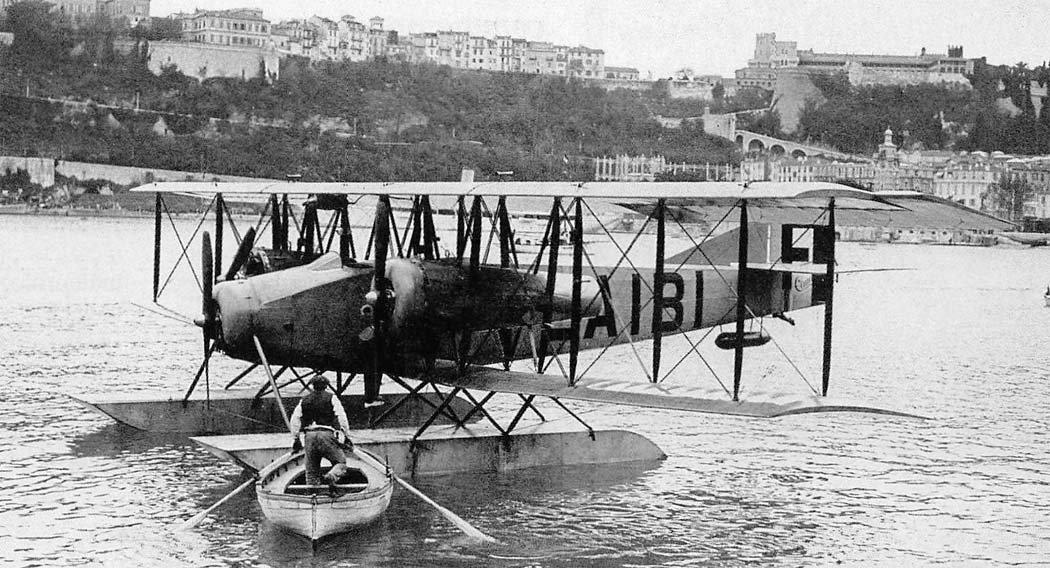 Caudron C.39 |
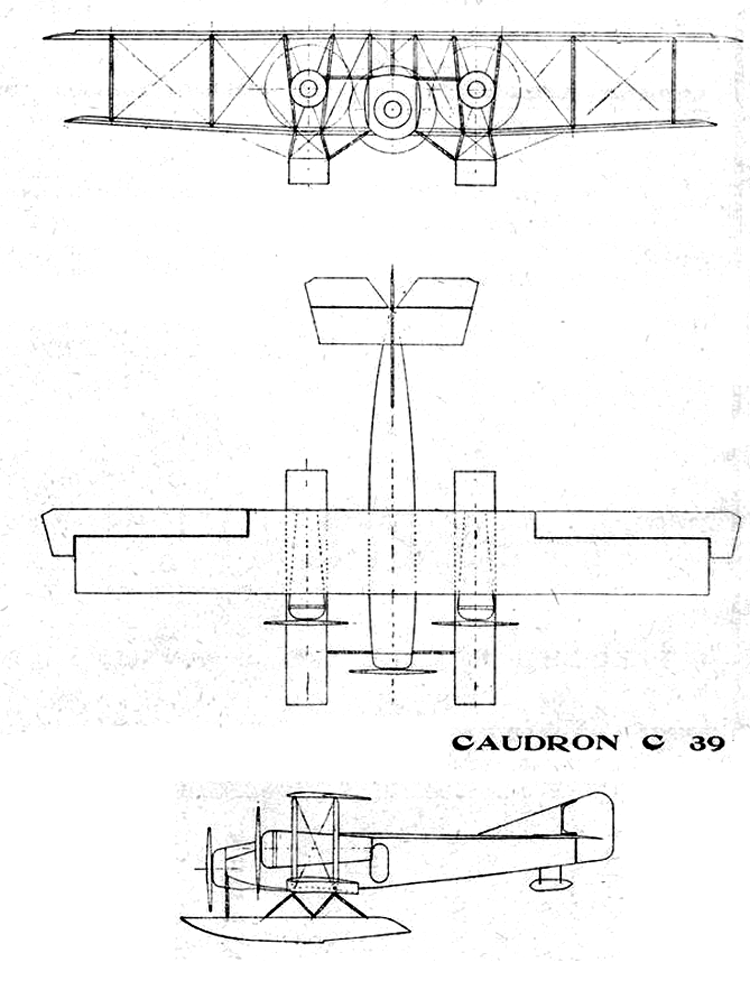 Caudron C.39 |
ArchivoAéreo Editorial Team
A group of aviation researchers and enthusiasts dedicated to documenting and preserving global aeronautical history. All articles are reviewed to ensure historical accuracy.
Sources & Accuracy
The information presented in this technical sheet has been compiled from declassified flight manuals, historical archives, and specialized literature. While we strive for maximum accuracy, some performance data may vary depending on the specific variant or operational conditions.