Caudron C.59
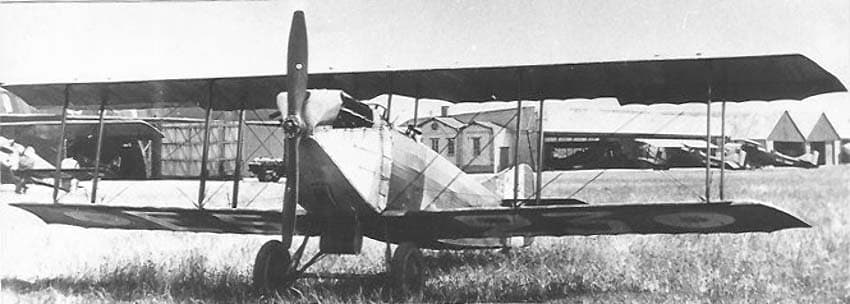
The Caudron C.59, an intermediate training aircraft, was developed by Paul Deville with René Talpin’s assistance, evolving from the C.27 design. It was a classic two-bay biplane without wing stagger, featuring a wooden frame and fabric covering.
Ailerons were located only on the upper wing, which had a greater span than the lower, while the lower wing featured a slight transverse V. Propulsion was provided by Hispano-Suiza 8Ab engines, equipped with a Lamblin radiator positioned under the fuselage, slightly ahead of the braced landing gear’s transverse strut. The student was placed in an open cockpit under the upper wing’s center section, with the instructor’s cockpit directly behind, under a cutout in the wing’s trailing edge; the aircraft had standard dual controls.
Development and French Service
The prototype first flew in August 1921. After comprehensive official trials, which confirmed the aircraft’s robust construction, excellent flight characteristics, and reliable powerplant, the C.59 was ordered in large quantities for the French Air Force.
Between 1922 and 1924, seven contracts were signed, leading to the manufacture and delivery of over 1000 aircraft to the French army. These machines remained in service for 15 years, with a total production of 1800 aircraft.
International Deployment and Variants
One C.59 each was supplied to Spain (subsequently used during the Civil War) and Bulgaria, and several units were delivered to Finland and China. A larger batch of 32 units was sold to Turkey, arriving between 1924 and 1926 and receiving numbers 801-832.
Their main base was Eskisehir Hava Okulu, where they were actively used until 1936, gradually being replaced by German Gotha Go.145s. By their full withdrawal from the Turkish Air Force in 1937, only 7 aircraft remained, which were transferred to the TNK (Turkish Aeronautical League) until 1941.
Additionally, one modification, the Caudron C.59/2, was produced as a single unit. It was equipped with a 230 hp Lorraine 7Ma engine and wide-track landing gear.
Technical Specifications
| Modification | C.59 |
| Wingspan, m | 10.24 |
| Length, m | 7.80 |
| Height, m | 2.90 |
| Wing area, m2 | 26.00 |
| Empty weight | 700 |
| Maximum takeoff weight | 990 |
| Engine type | 1 Piston engine Hispano-Suiza 8Ab |
| Power, hp | 1 x 180 |
| Maximum speed, km/h | 170 |
| Cruising speed, km/h | 138 |
| Practical range, km | 500 |
| Practical ceiling, m | 5500 |
| Crew | 2 crew |
Image and diagram gallery of the Caudron C.59
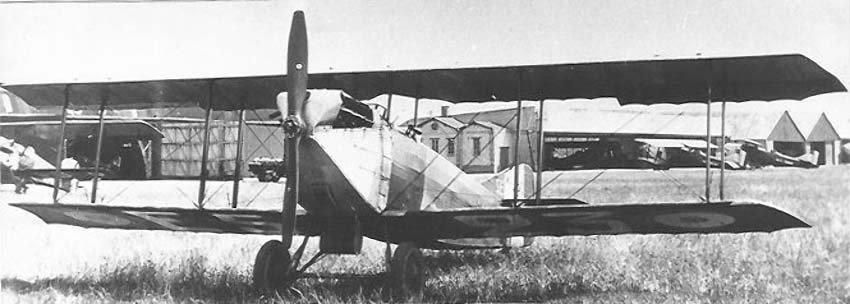 Caudron C.59 |
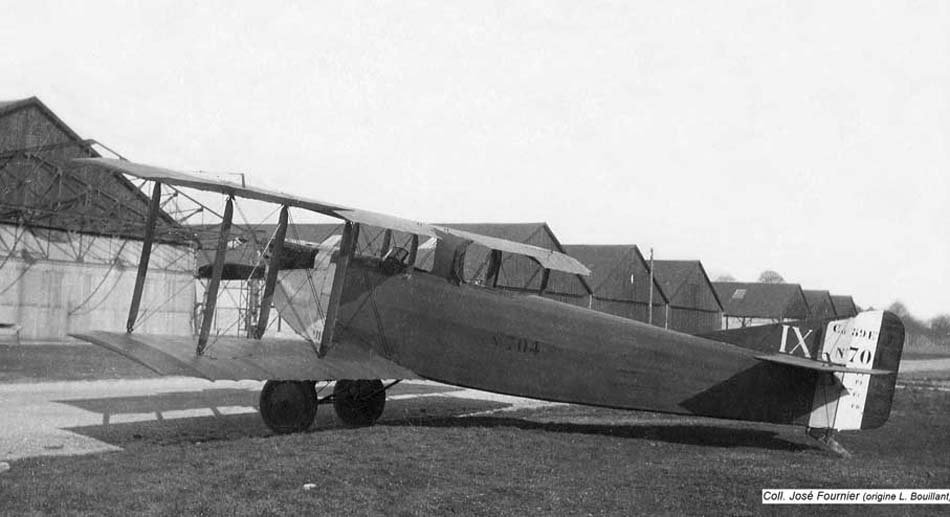 Caudron C.59 |
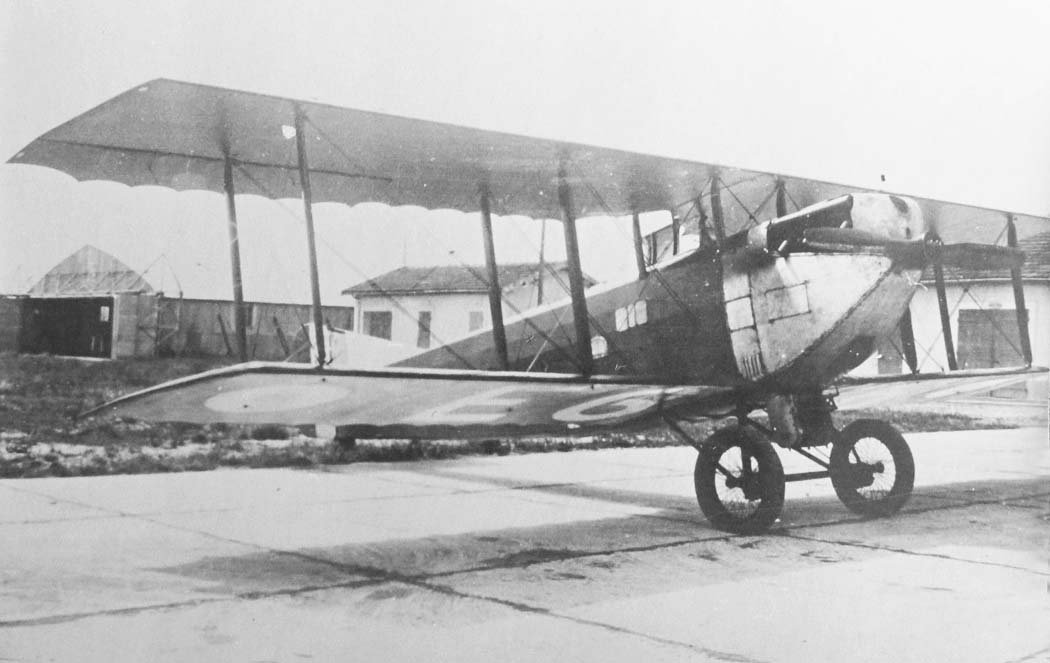 Caudron C.59 |
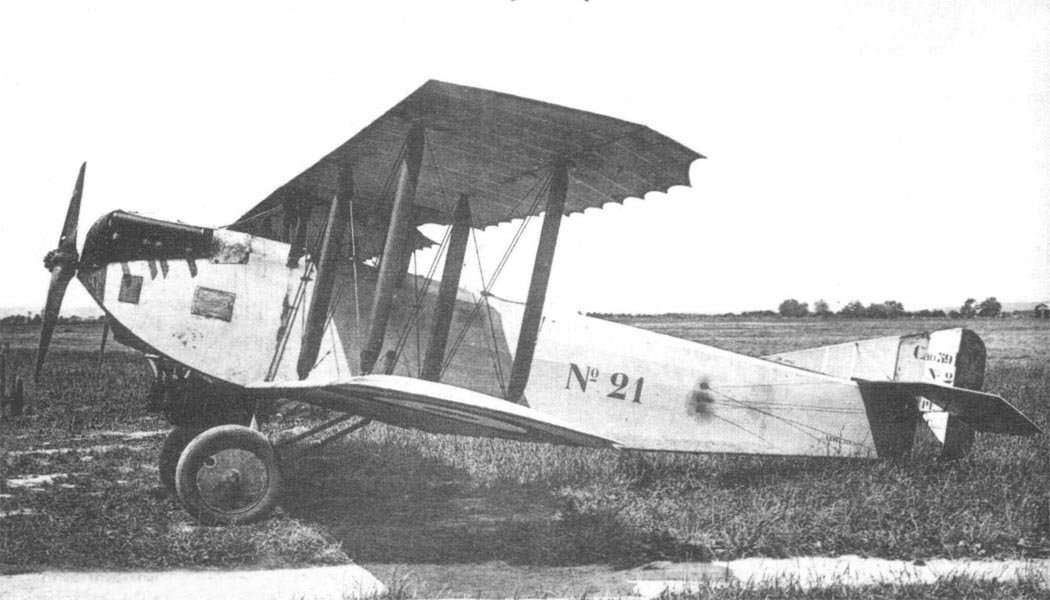 Caudron C.59 |
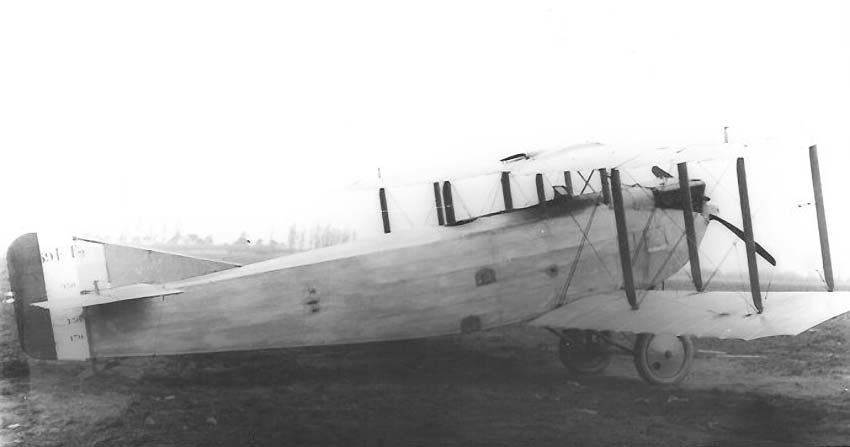 Caudron C.59 |
 Caudron C.59 |
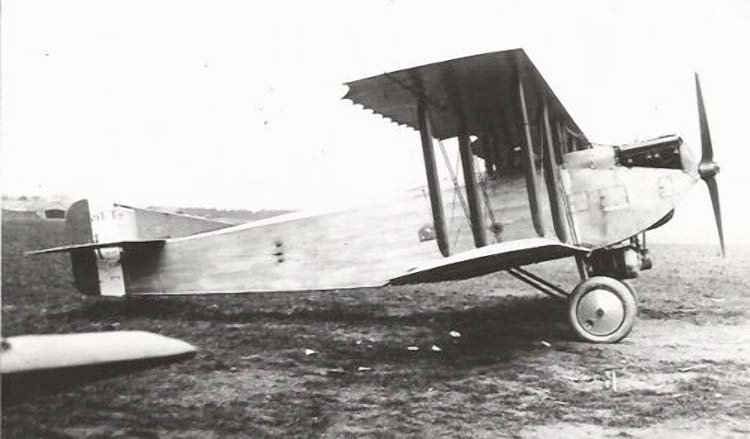 Caudron C.59 |
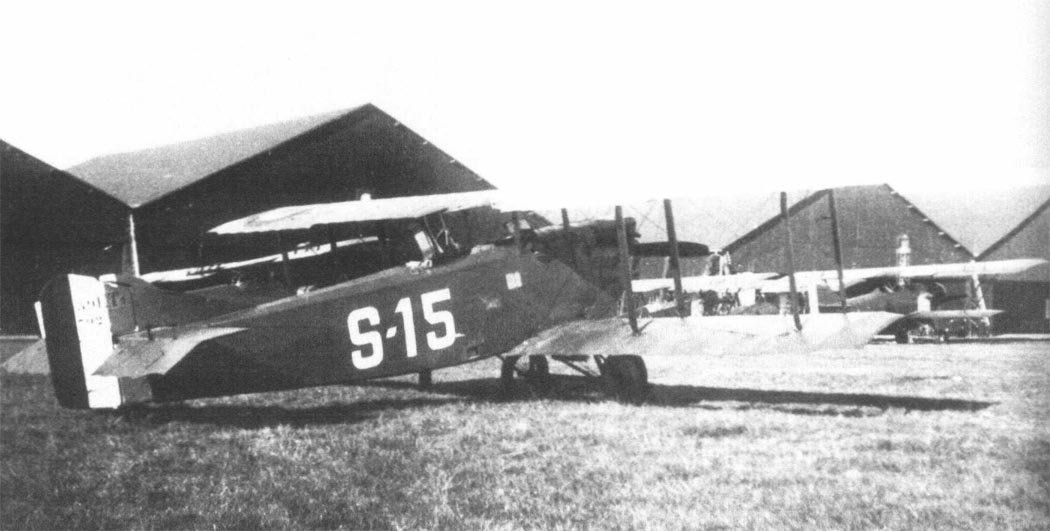 Caudron C.59 |
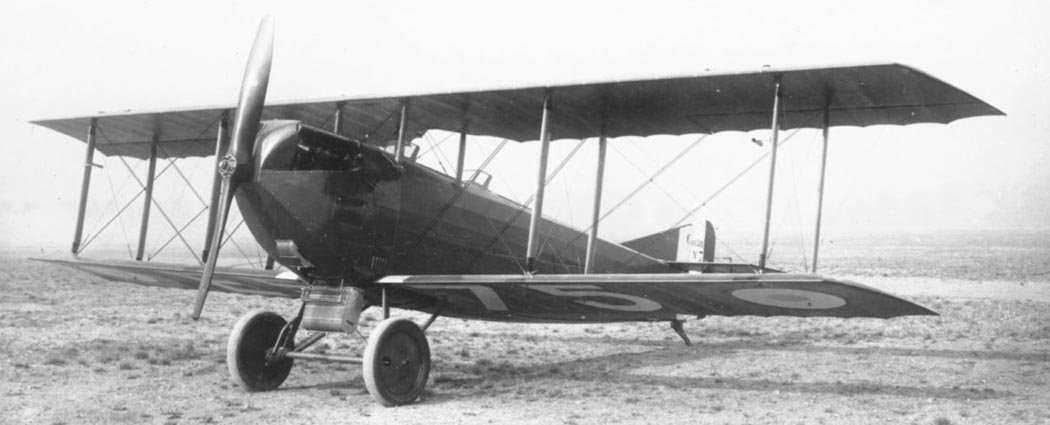 Caudron C.59 |
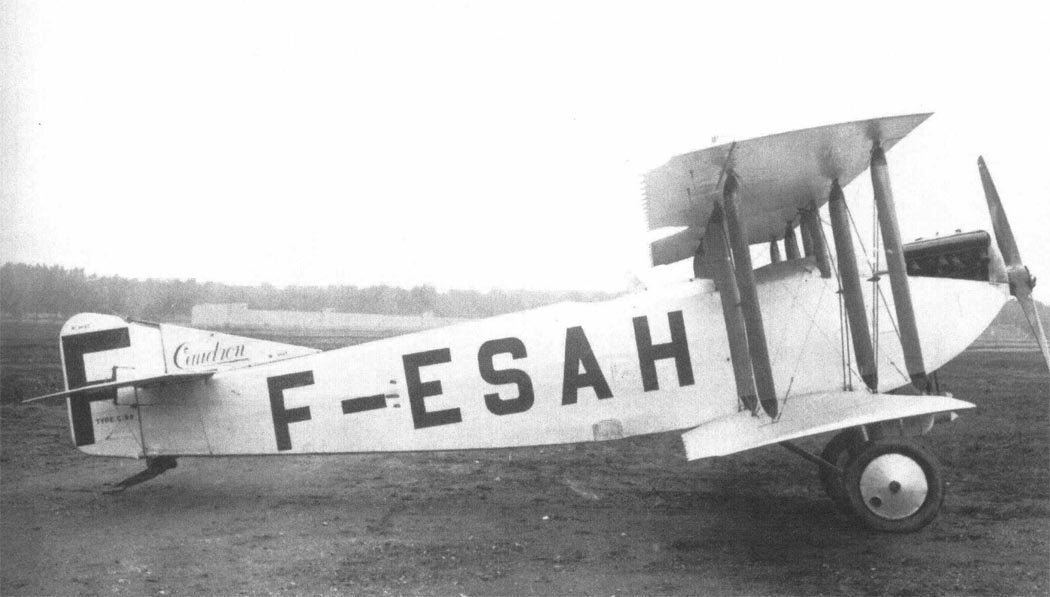 Caudron C.59 |
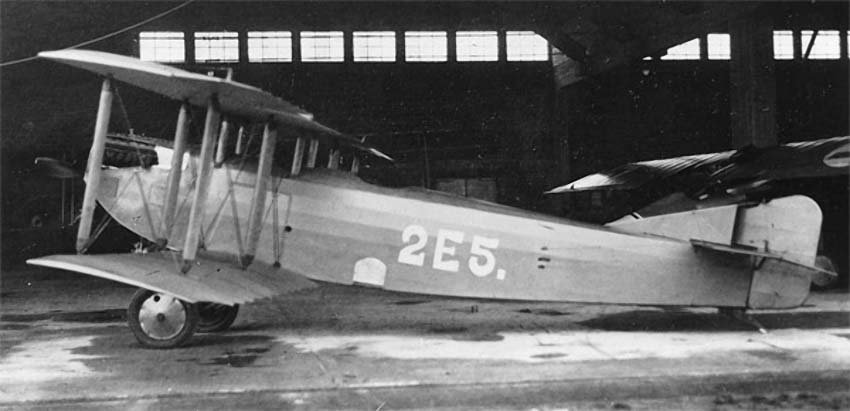 Caudron C.59 |
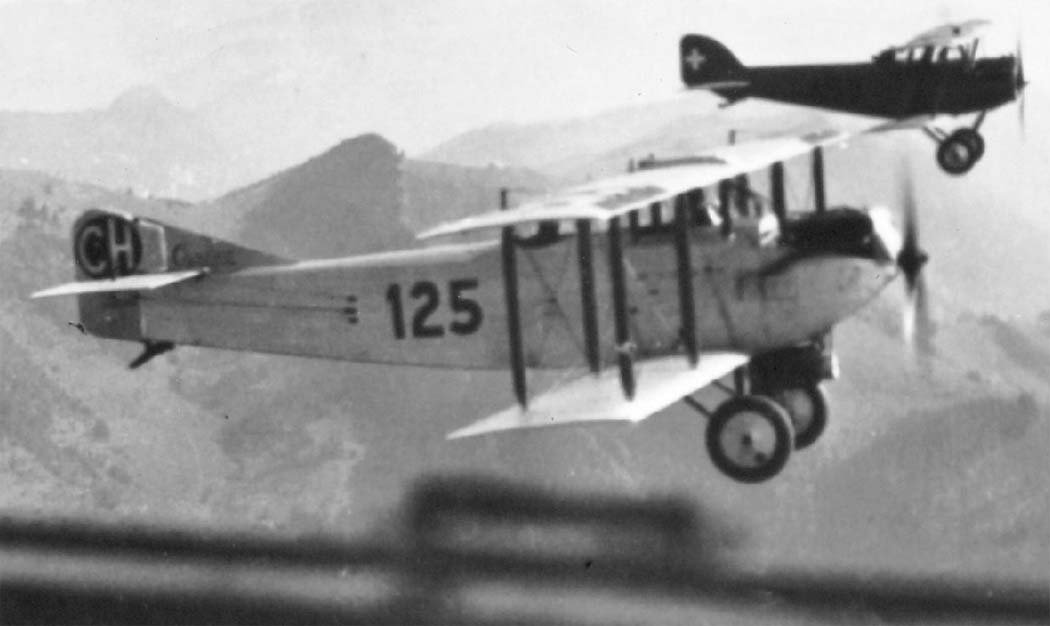 Caudron C.59 |
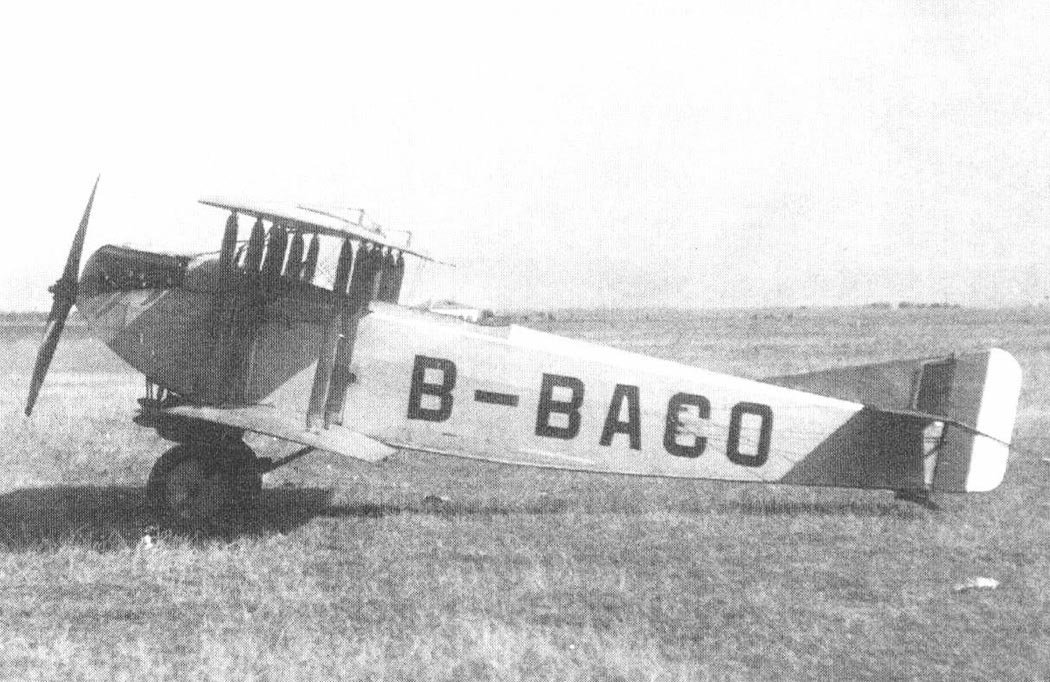 Caudron C.59 |
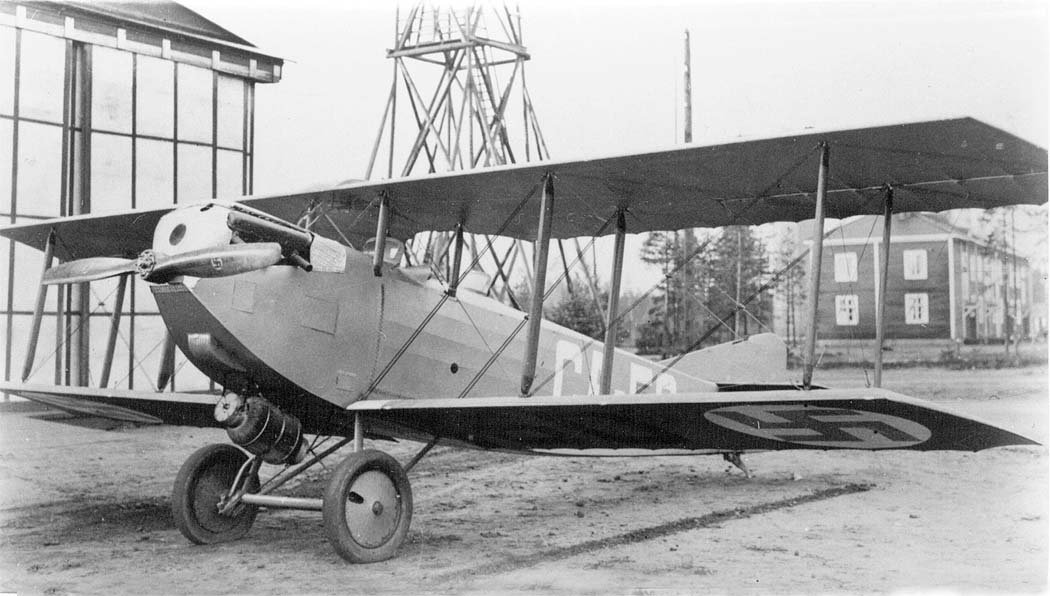 Caudron C.59 |
 Caudron C.59 |
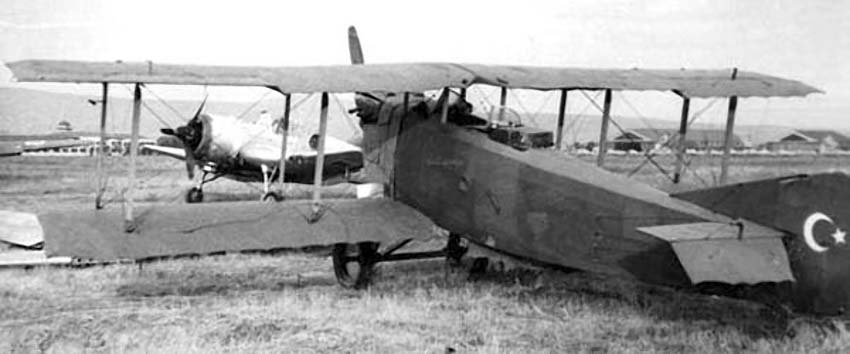 Caudron C.59 |
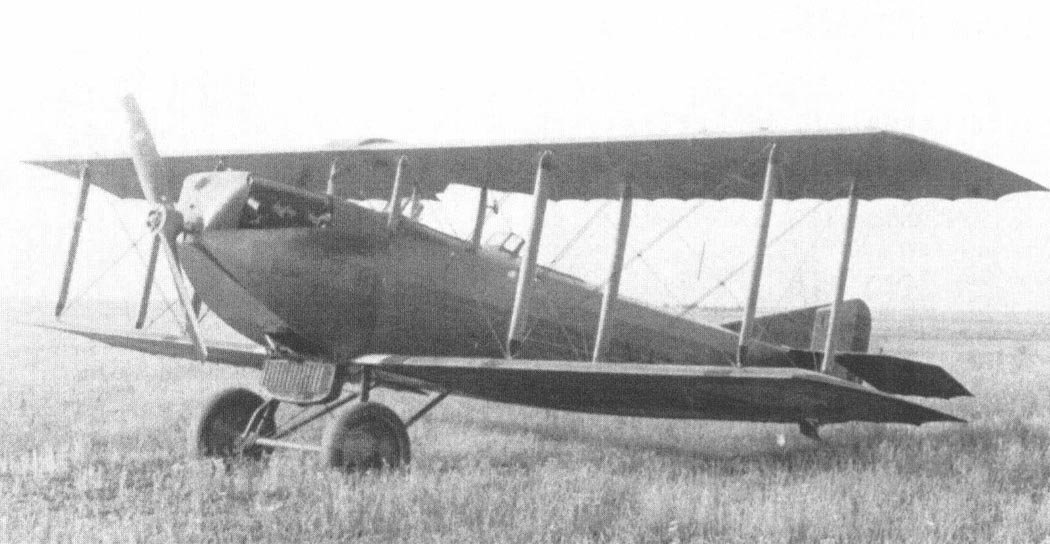 Caudron C.59 |
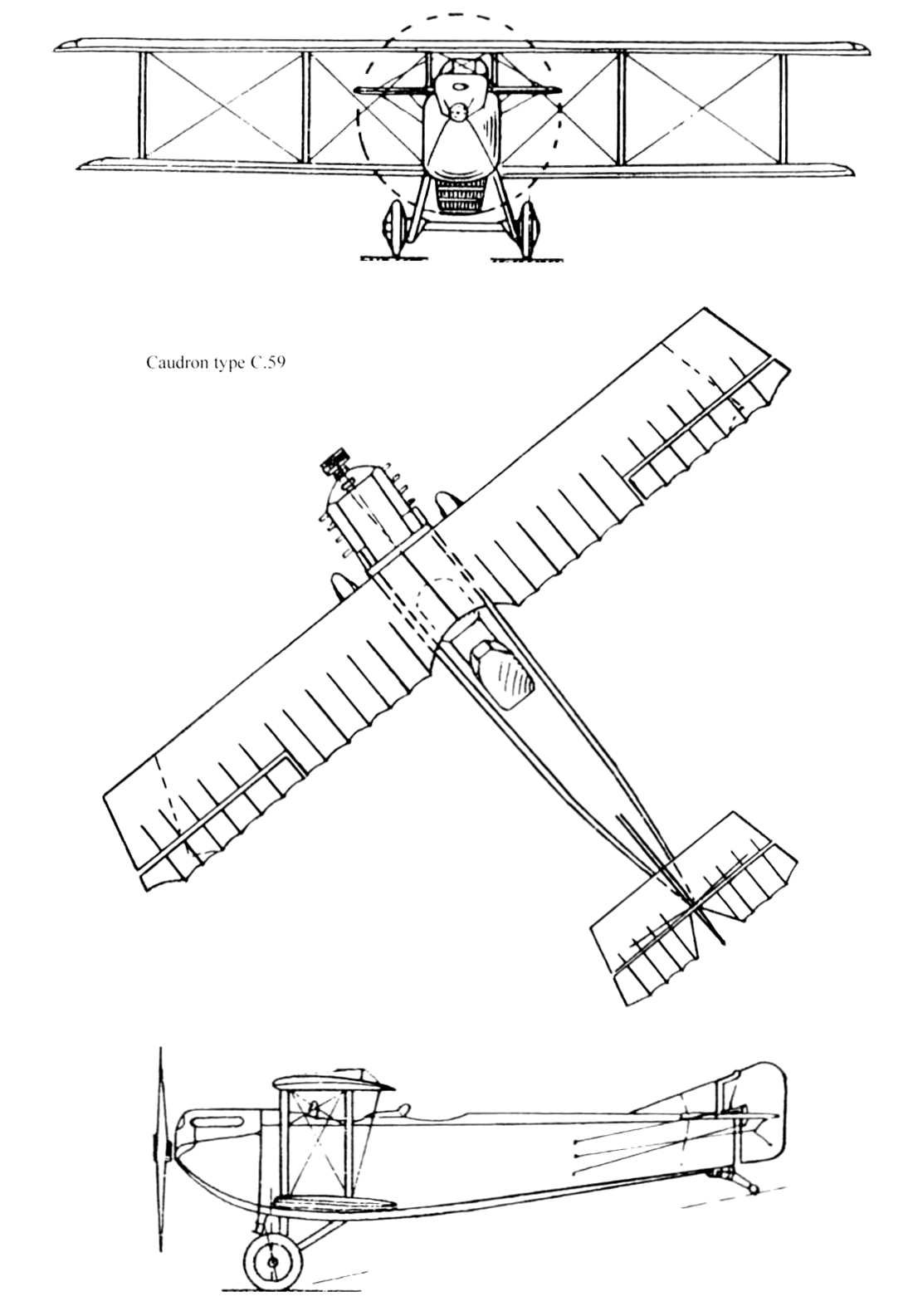 Caudron C.59 |
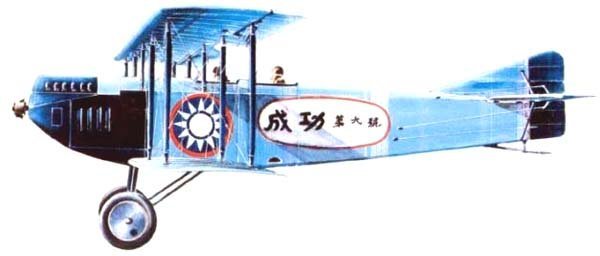 Caudron C.59 |
ArchivoAéreo Editorial Team
A group of aviation researchers and enthusiasts dedicated to documenting and preserving global aeronautical history. All articles are reviewed to ensure historical accuracy.
Sources & Accuracy
The information presented in this technical sheet has been compiled from declassified flight manuals, historical archives, and specialized literature. While we strive for maximum accuracy, some performance data may vary depending on the specific variant or operational conditions.