Caudron C.60
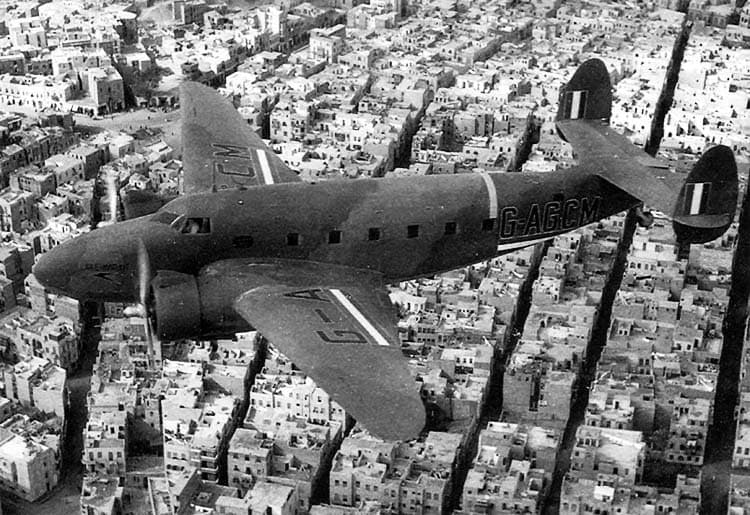
Following the success of the Caudron C.59 trainer aircraft, designer Paul Deville decided to create an improved version of this plane. Thus, in late 1921, the Caudron C.60 aircraft emerged. However, tests of the aircraft showed that its flight characteristics practically did not differ from its predecessor.
Initial Assessments and Outlook
Despite the lack of significant performance improvement, the development was not in vain, and the Caudron C.60 found its place in the skies of several nations. The aircraft was acquired for the Air Forces of Latvia and Finland.
International Service and Adaptations
Latvian machines were notably fitted with floats, adapting them for training marine pilots. Beyond its service in the Baltic region, several more units of the Caudron C.60 were also sold to Spain and Venezuela, underscoring its international utility.
Technical Specifications
| Modification | C. 60 |
| Wingspan, m | 10.24 |
| Length, m | 7. 50 |
| Height, m | 2. 60 |
| Wing area, m2 | 26.00 |
| Empty weight | 505 |
| Maximum takeoff weight | 860 |
| Engine type | 1 Piston engine Clerget 9B |
| Power, hp | 1 х 130 |
| Maximum speed, km/h | 175 |
| Cruising speed, km/h | 152 |
| Practical range, km | 520 |
| Practical ceiling, m | 4000 |
| Crew | 2 |
Image and diagram gallery of the Caudron C.60
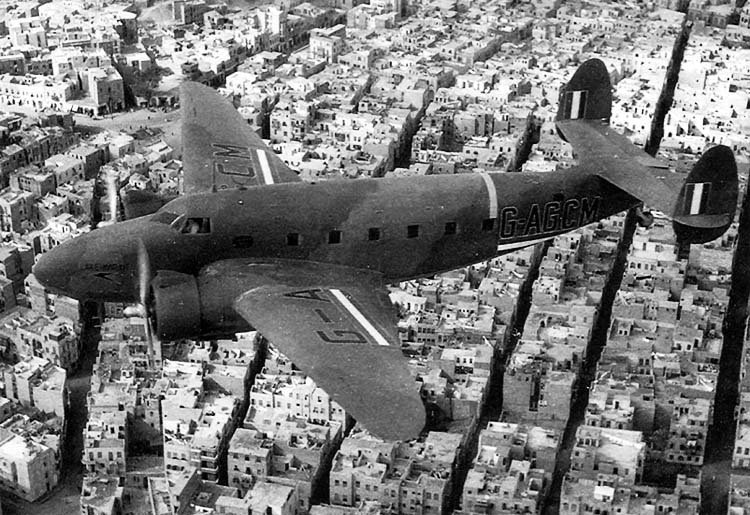 C.60 |
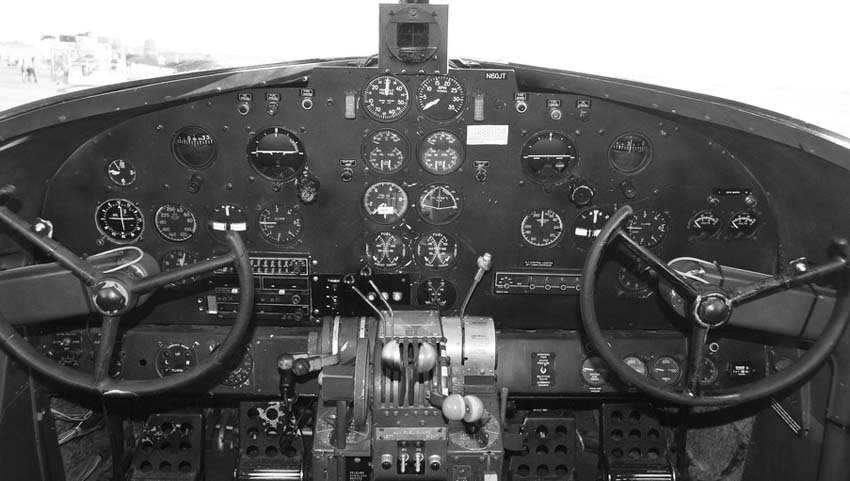 C.60 |
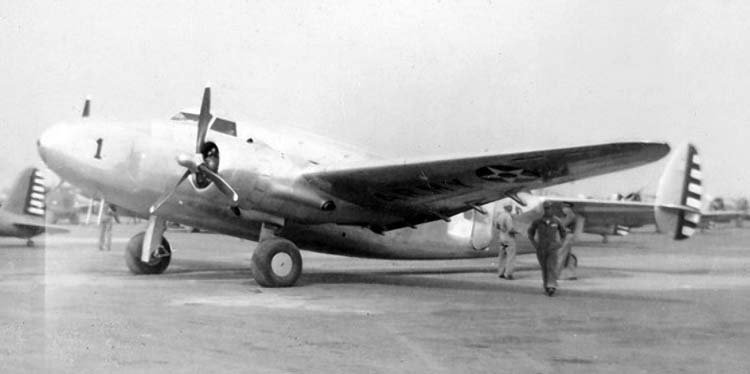 C.60 |
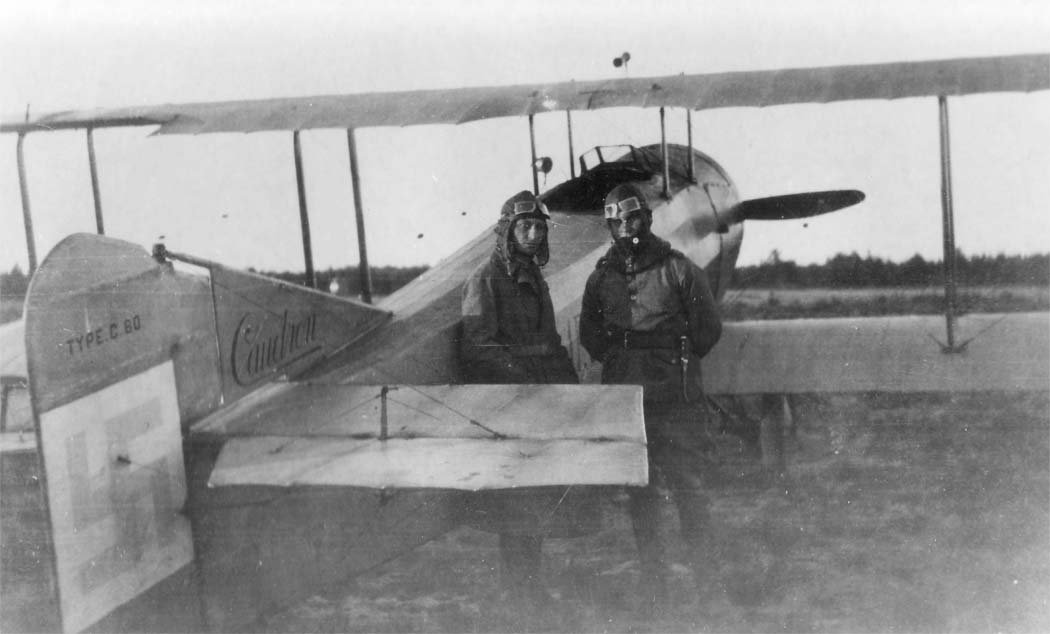 C.60 |
 C.60 |
 C.60 |
 C.60 |
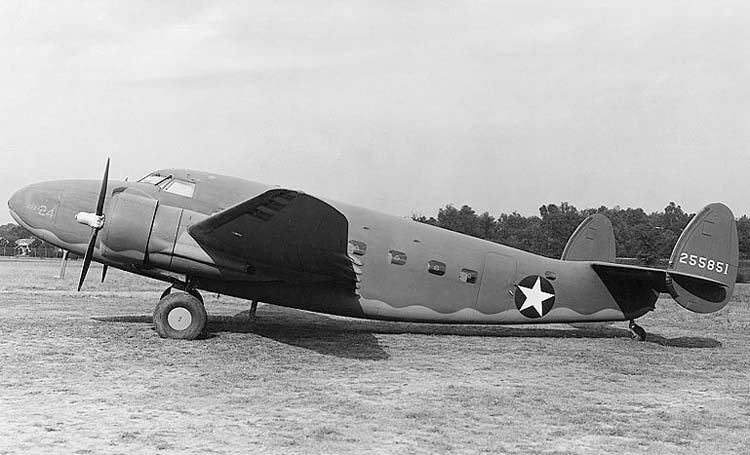 C.60 |
 C.60 |
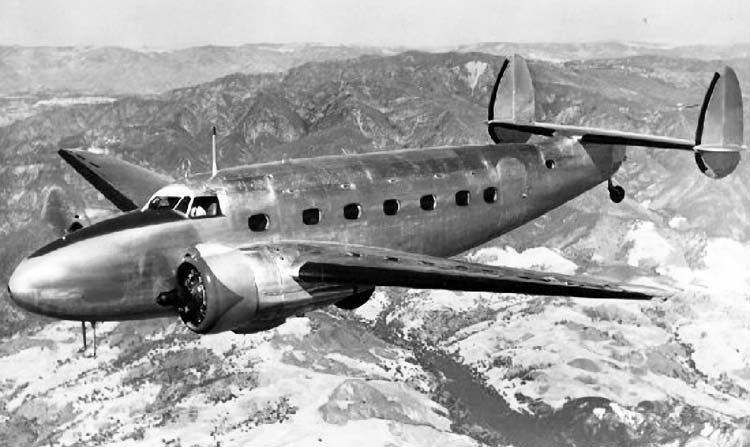 C.60 |
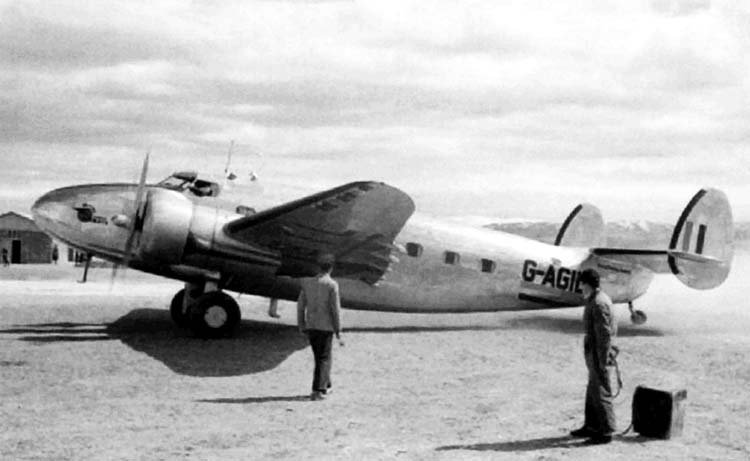 C.60 |
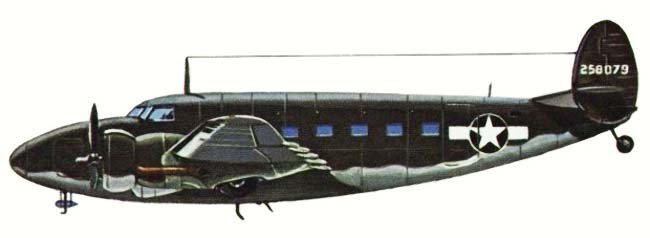 C.60 |
ArchivoAéreo Editorial Team
A group of aviation researchers and enthusiasts dedicated to documenting and preserving global aeronautical history. All articles are reviewed to ensure historical accuracy.
Sources & Accuracy
The information presented in this technical sheet has been compiled from declassified flight manuals, historical archives, and specialized literature. While we strive for maximum accuracy, some performance data may vary depending on the specific variant or operational conditions.