Cessna 120
The Cessna 120 is a light multi-purpose aircraft, developed by the American firm Cessna Aircraft Co. The prototype, the Cessna Model 120, made its first flight on June 28, 1945. This two-seat, high-wing monoplane with an enclosed cockpit and braced wing was the first in a series of models that remained in production until the late 1980s.
Design and Technical Features
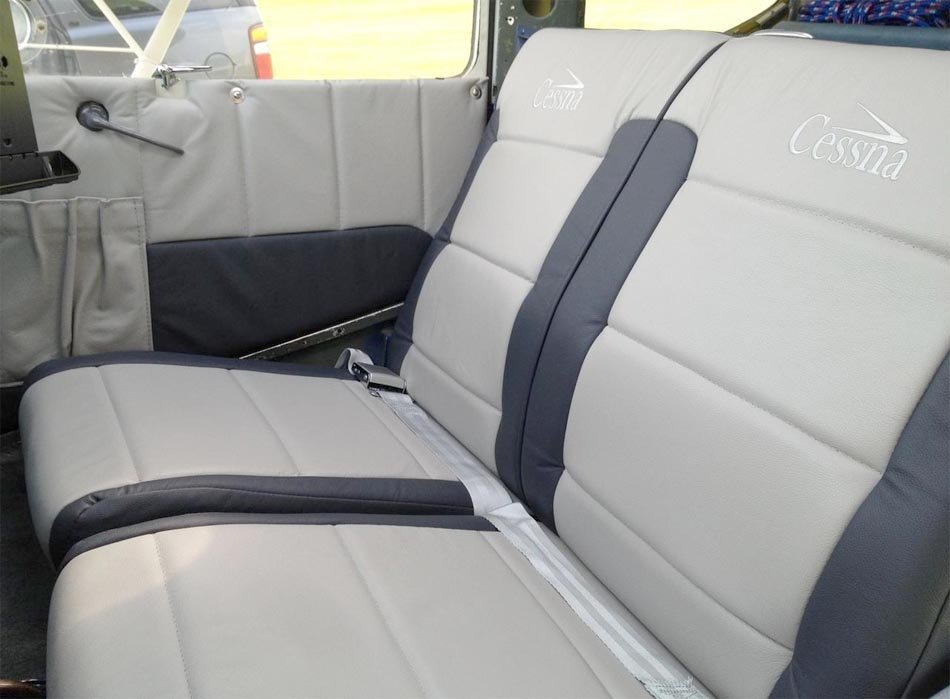
The aircraft was all-metal, with the exception of the fabric covering on the wing. The landing gear, designed by Steve Wittman, consisted of a non-retractable tailwheel and unbraced main struts made of spring steel. The cockpit featured standard dual controls and two side-by-side seats.
Powerplant and Commercial Success
The powerplant consisted of a Continental engine with 63 kW (85 hp) of power. Its greater power compared to other engines of a similar type, coupled with its low price (at the end of 1945, the aircraft’s cost was $2495 USD), ensured unexpectedly high sales for the new aircraft. A total of 2164 aircraft were produced.
Technical Specifications
| Modification | Cessna 120 |
| Wingspan, m | 10.01 |
| Aircraft length, m | 6.55 |
| Aircraft height, m | 1.91 |
| Wing area, m2 | 14.82 |
| Empty weight | 349 |
| Maximum takeoff weight | 658 |
| Engine type | 1 Piston engine Teledyne Continental C-85-12 |
| Power, kW | 1 x 85 |
| Maximum speed, km/h | 198 |
| Cruising speed, km/h | 171 |
| Practical range, km | 676 |
| Service ceiling, m | 4265 |
| Crew, crew members | 1 |
| Payload | 1 passenger |
Image and diagram gallery of the Cessna 120
 Cessna 120 |
 Cessna 120 |
 Cessna 120 |
 Cessna 120 |
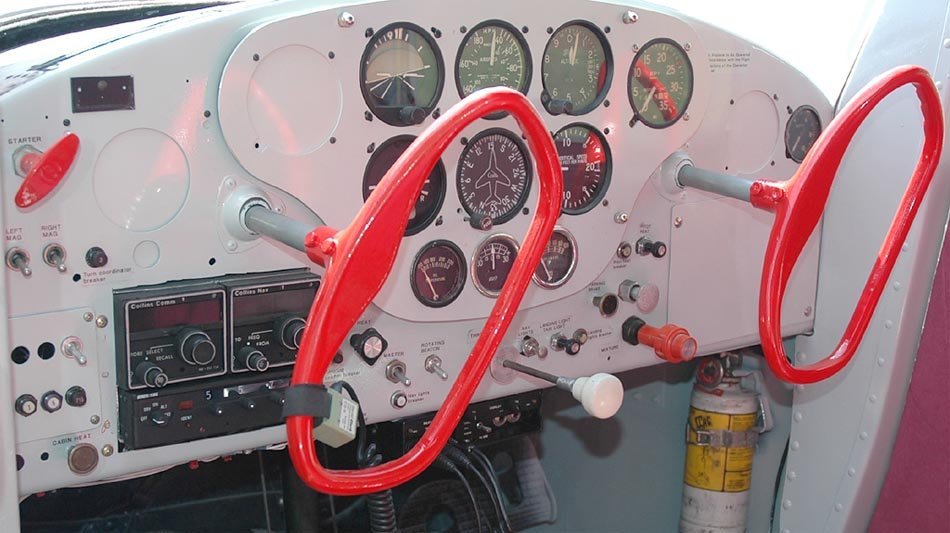 Cessna 120 |
 Cessna 120 |
ArchivoAéreo Editorial Team
A group of aviation researchers and enthusiasts dedicated to documenting and preserving global aeronautical history. All articles are reviewed to ensure historical accuracy.
Sources & Accuracy
The information presented in this technical sheet has been compiled from declassified flight manuals, historical archives, and specialized literature. While we strive for maximum accuracy, some performance data may vary depending on the specific variant or operational conditions.