Cessna 150
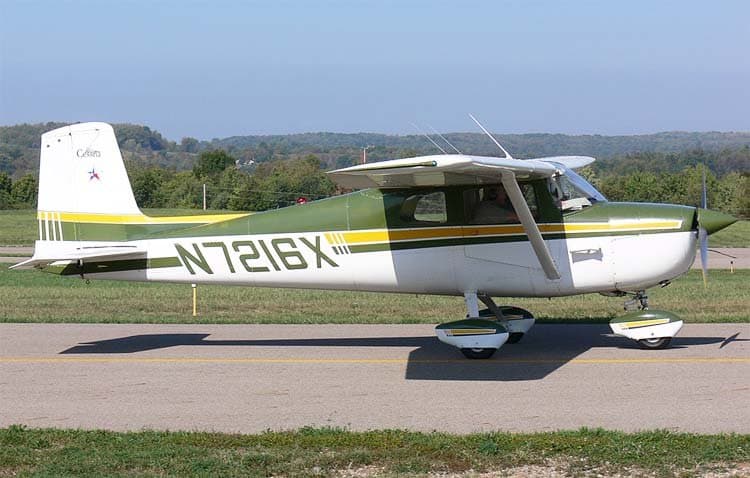
Origins and Design
When the production of Model 120 and Model 140 ceased in 1950, Cessna focused on developing four-seat aircraft of similar configurations. However, it was only after the Model 150 (originally Model 142) took to the air on September 12, 1957, that the company re-entered the two-seat light aircraft market.
The Model 150 was an all-metal, high-wing monoplane with single-strut wings. It was otherwise similar to the Model 140A, with the exception of fixed tailwheel landing gear. Optional dual controls were available, and the powerplant included a single four-cylinder O-200-A engine producing 100 hp. A total of 1,018 aircraft of the basic modification were produced.
Variants and Global Production
In the final stage of serial production, the aircraft was offered in various variants: Model 150 Standard, Model 150 Commuter, Model 150 Commuter II, and Model 150 Aerobat. The first three differed in the onboard equipment installed, and customers could also install other avionics and equipment as desired. The Aerobat model, however, featured structural differences that allowed the aircraft to be certified for flights with G-loads up to +6g/-3g at maximum weight.
Total production reached 22,082 aircraft in the USA, 1,758 in France (as Reims F-150), and 39 in Argentina (as DINFIA A-150), highlighting its success and international reach.
Annual Upgrades
Throughout its production run, the Cessna 150 underwent several enhancements. In 1961, the instrument panel was modified, and adaptive seats were installed. The following year, 1962, saw the introduction of a new propeller and a longer spinner fairing.
In 1964, a single side window and an “Omni-Vision” rear window were added, and the nose landing gear was modified. A revised fuselage and adjustable horizontal stabilizer arrived in 1966. Improvements continued in 1967 with an expanded, taller cabin, a windshield de-icer, a revised heating system, and an alternator.
In 1968, fairings were installed on the wing struts and a new instrument panel was introduced. Convex wingtips and a new cabin with overhead skylights were implemented in 1970. Finally, in 1971, the tail and horizontal stabilizers were enlarged, and the landing gear was strengthened.
Technical Specifications
| Modification | Cessna 150 |
| Wingspan, m | 10.17 |
| Aircraft length, m | 6.56 |
| Aircraft height, m | 2.11 |
| Wing area, m2 | 14.80 |
| Empty weight | 447 |
| Maximum takeoff weight | 681 |
| Fuel, l | 98.4 + 45.8 |
| Engine type | 1 Piston engine Teledyne Continental O-200-A |
| Power, kW | 1 x 100 |
| Maximum speed, km/h | 200 |
| Cruising speed, km/h | 196 |
| Economical speed, km/h | 153 |
| Ferry range, km | 1361 |
| Practical range, km | 563 |
| Maximum rate of climb, m/min | 195 |
| Service ceiling, m | 4663 |
| Crew | 1 |
| Payload | 1 passenger |
Image and diagram gallery of the Cessna 150
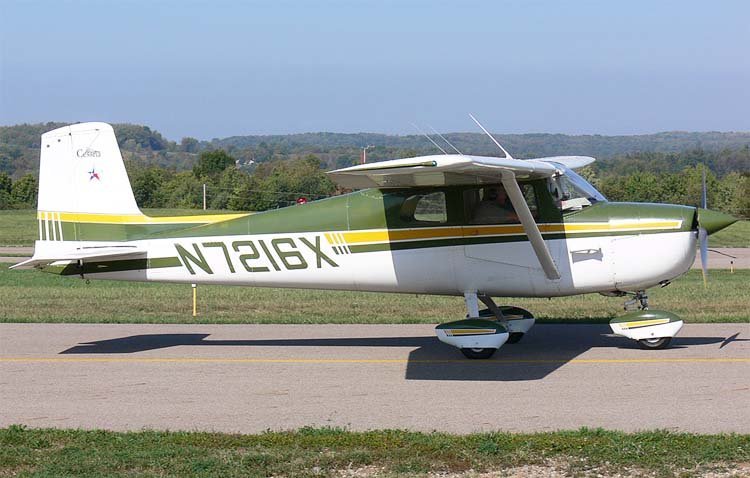 Cessna 150 |
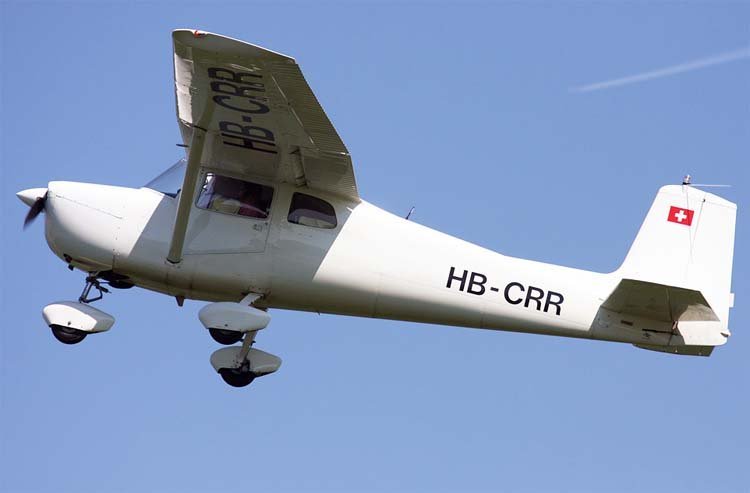 Cessna 150 |
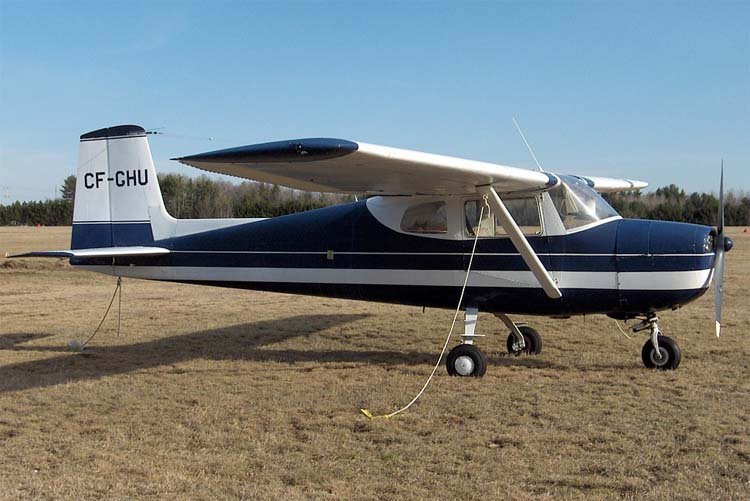 Cessna 150 |
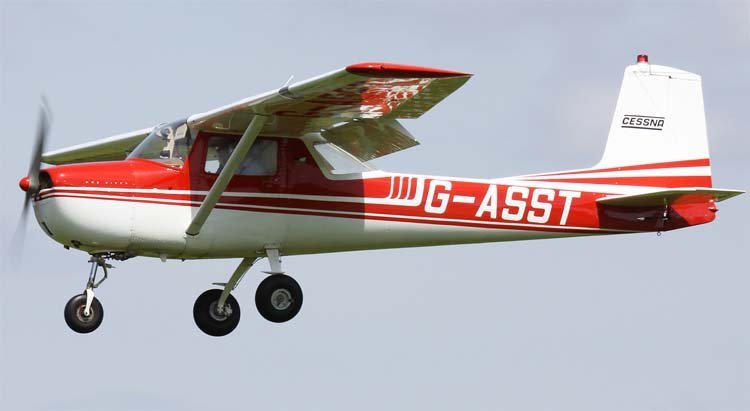 Cessna 150 |
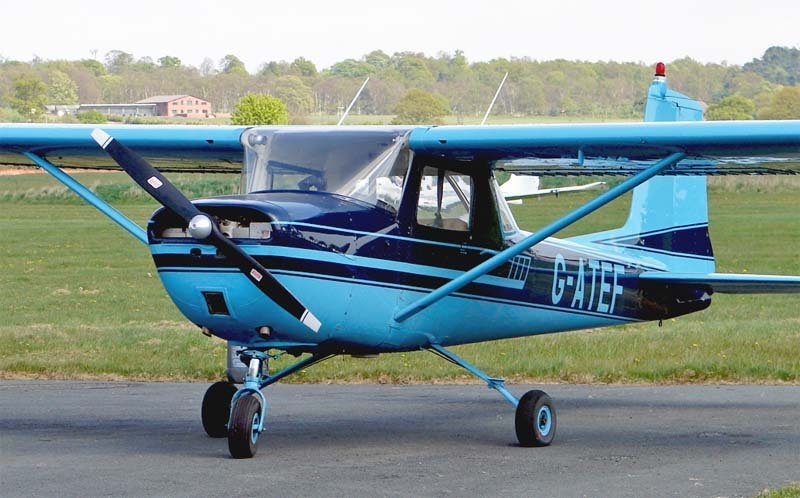 Cessna 150 |
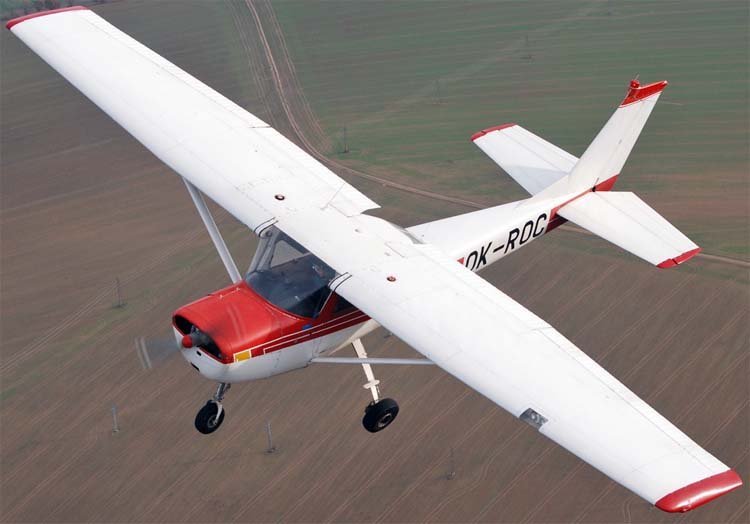 Cessna 150 |
 Cessna 150 |
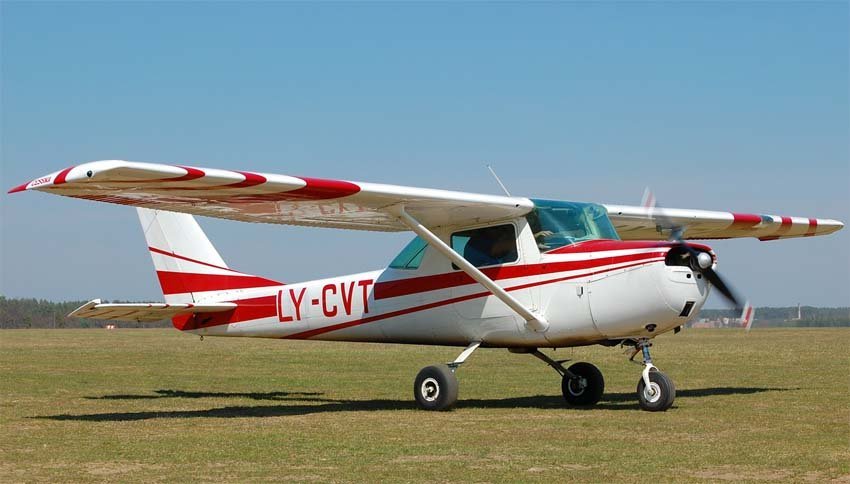 Cessna 150 |
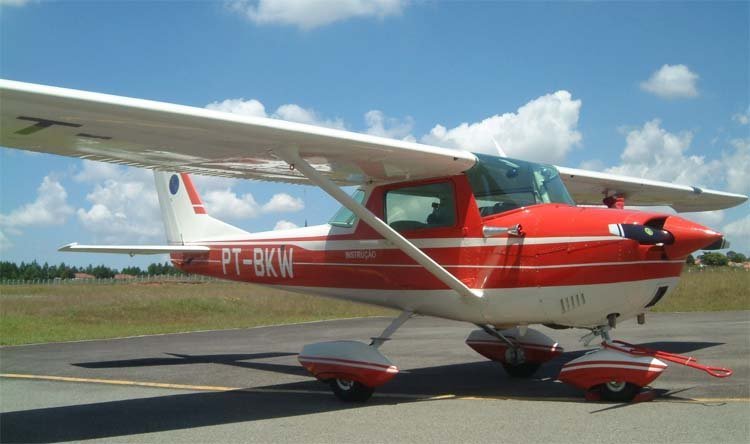 Cessna 150 |
 Cessna 150 |
 Cessna 150 |
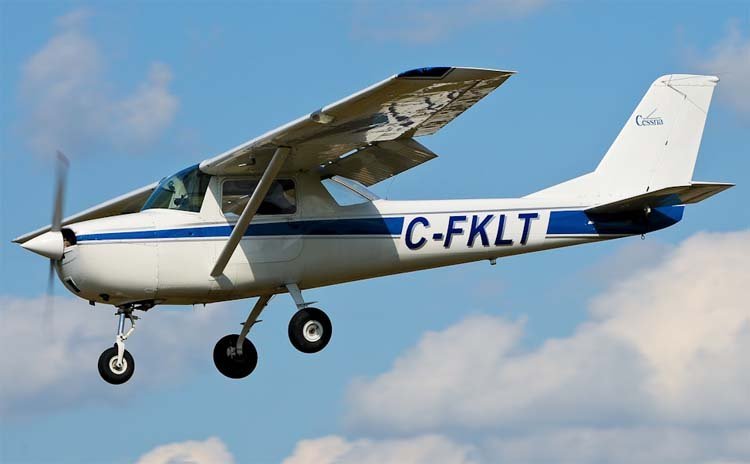 Cessna 150 |
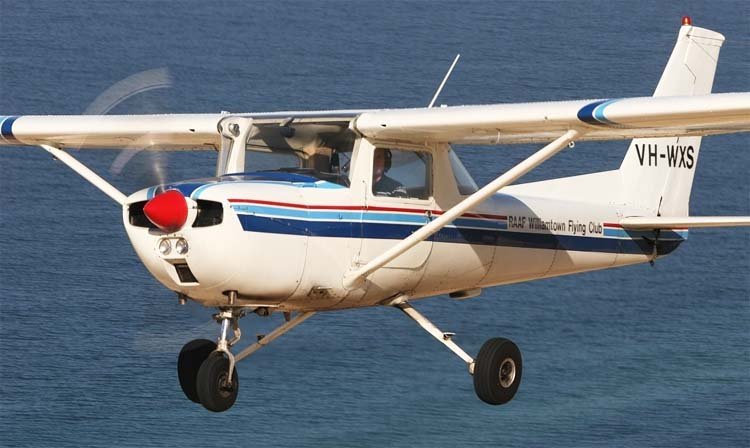 Cessna 150 |
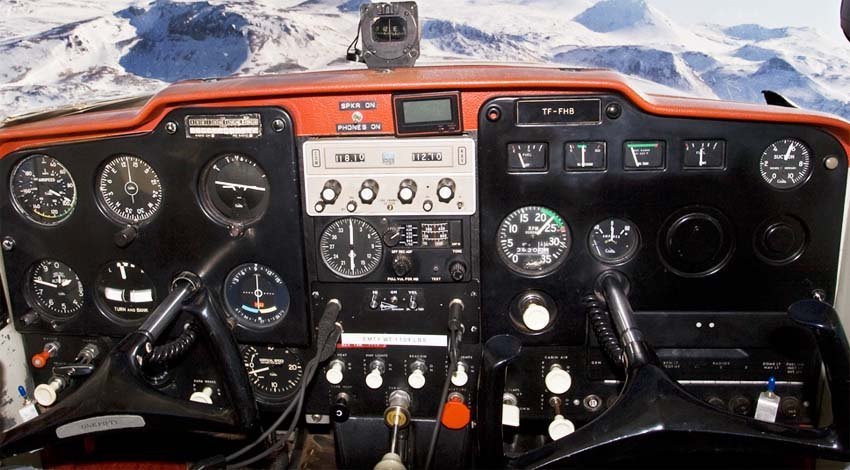 Cessna 150 |
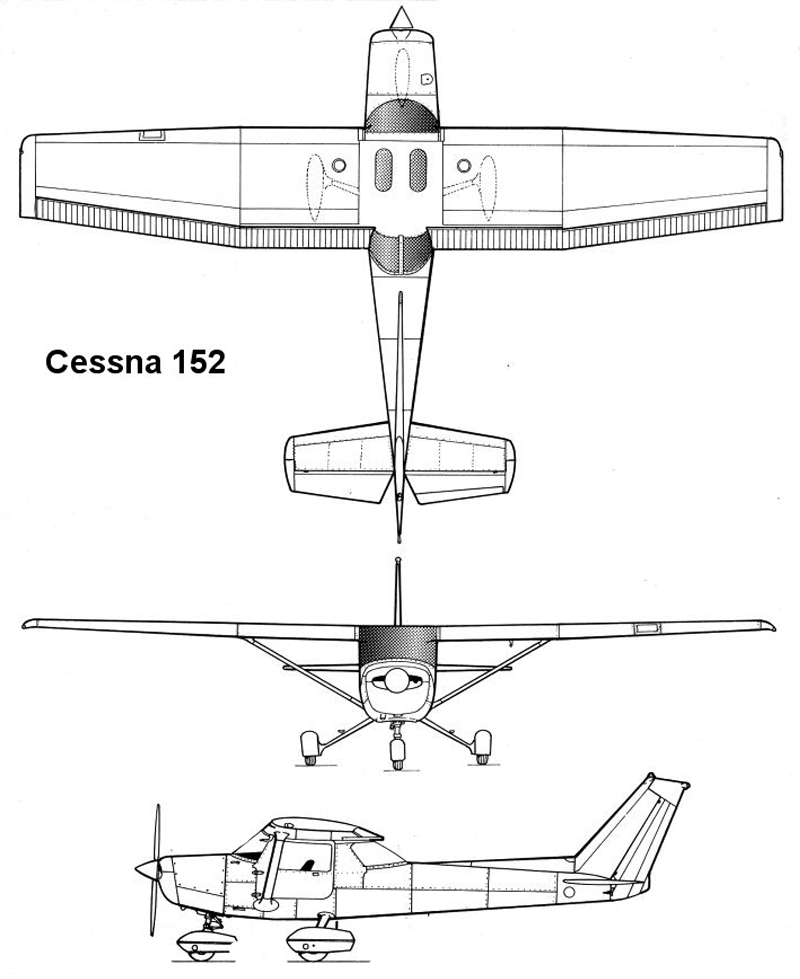 Cessna 150 |
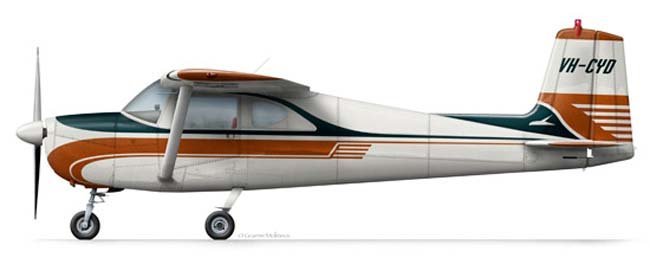 Cessna 150 |
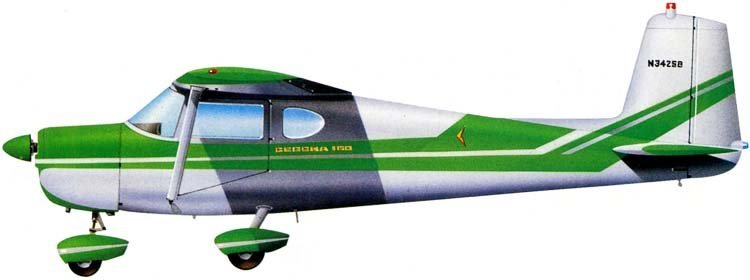 Cessna 150 |
ArchivoAéreo Editorial Team
A group of aviation researchers and enthusiasts dedicated to documenting and preserving global aeronautical history. All articles are reviewed to ensure historical accuracy.
Sources & Accuracy
The information presented in this technical sheet has been compiled from declassified flight manuals, historical archives, and specialized literature. While we strive for maximum accuracy, some performance data may vary depending on the specific variant or operational conditions.