Cessna 152
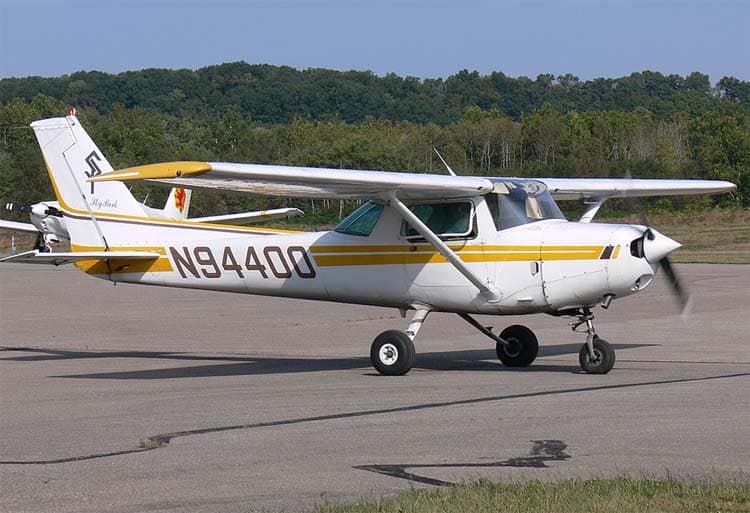
The Cessna 152 is a light multi-purpose aircraft, developed by the American firm Cessna Aircraft Co. This model represents an evolution of the light aircraft Cessna Model 150 and was introduced in 1977.
Development and Technical Enhancements
Its technical improvements included a more powerful Lycoming O-235 engine, delivering 108 hp. A cowling was also installed to reduce engine noise and vibration, along with a McCauley propeller featuring modified blade sections.
Variants and Production
Between 1977 and 1986, four main variants of this aircraft existed. These included the standard Model 152, the slightly heavier Model 152 II (with an equipment package and an omnidirectional beacon), the Model 152 Trainer (featuring an intercom and transceiver), and the Model 152 Aerobat (with the same aerobatic capabilities as the Aerobat 150 variant).
By the time production ceased in 1986, a total of 7449 Model 152 and Aerobat aircraft had been built. This figure includes 589 aircraft produced in France by Reims Aviation under the designation F-152, expanding its global reach.
Technical Specifications
| Modification | Cessna 152 |
| Wingspan, m | 10.17 |
| Length, m | 7.25 |
| Height, m | 2.59 |
| Wing area, m2 | 14.90 |
| Empty weight | 513 |
| Maximum takeoff weight | 760 |
| Engine type | 1 Piston engine Lycoming O-235-N2C |
| Power, kW | 1 x 10⁸ |
| Maximum speed, km/h | 200 |
| Cruising speed, km/h | 195 |
| Practical range, km | 575 |
| Maximum rate of climb, m/min | 218 |
| Service ceiling, m | 4665 |
| Crew, crew members | 1 |
| Payload: | 1 passenger |
Image and diagram gallery of the Cessna 152
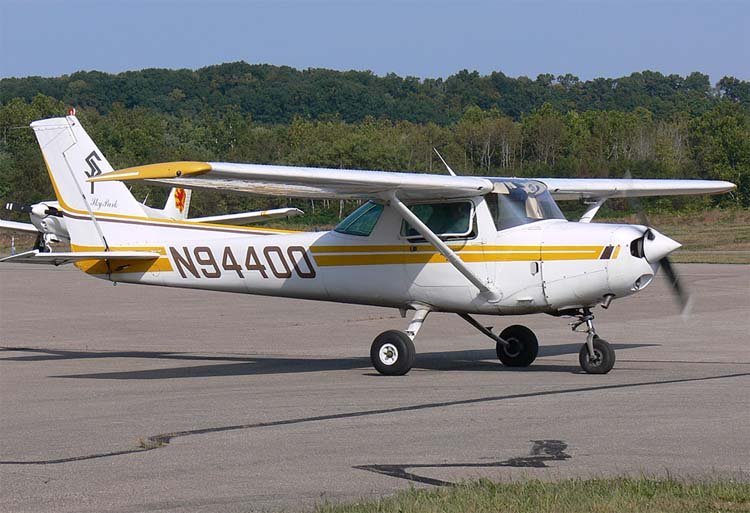 Cessna 152 |
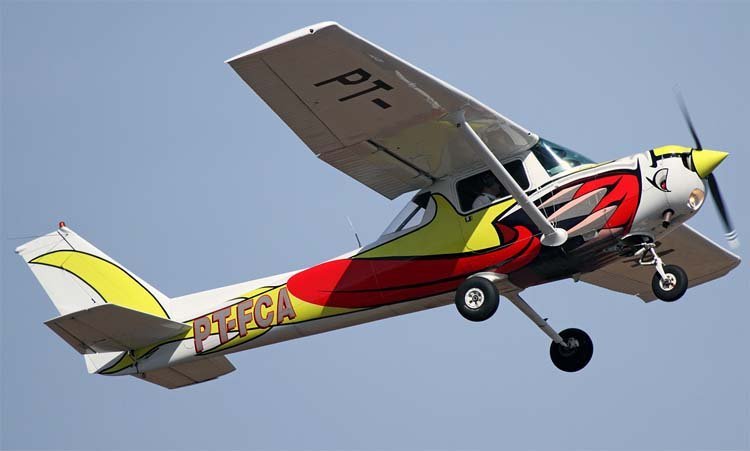 Cessna 152 |
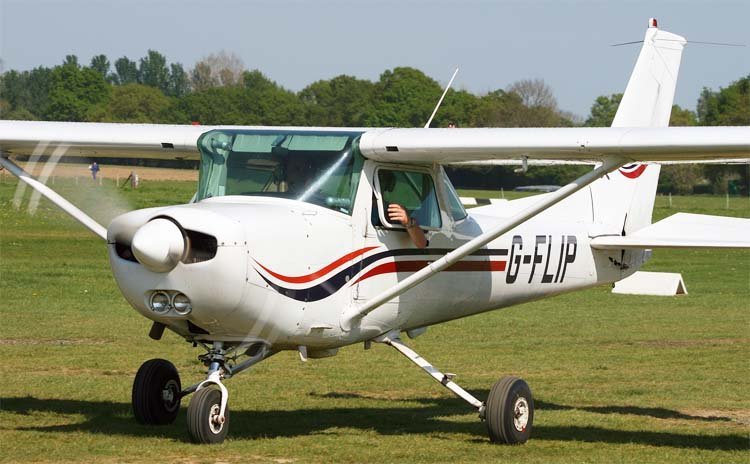 Cessna 152 |
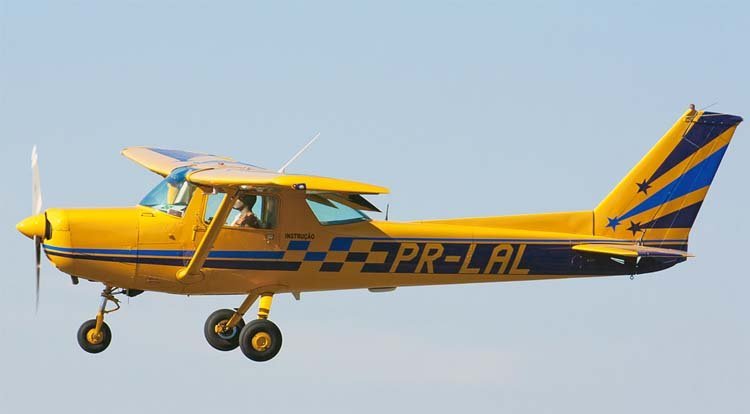 Cessna 152 |
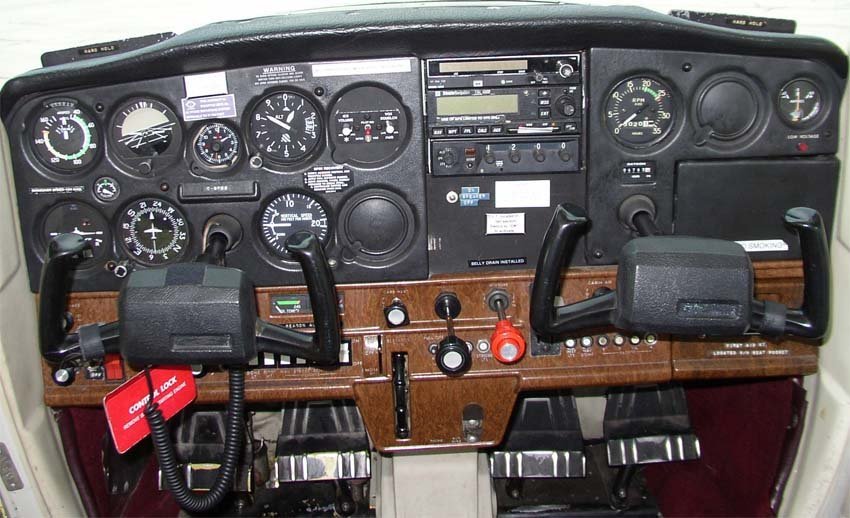 Cessna 152 |
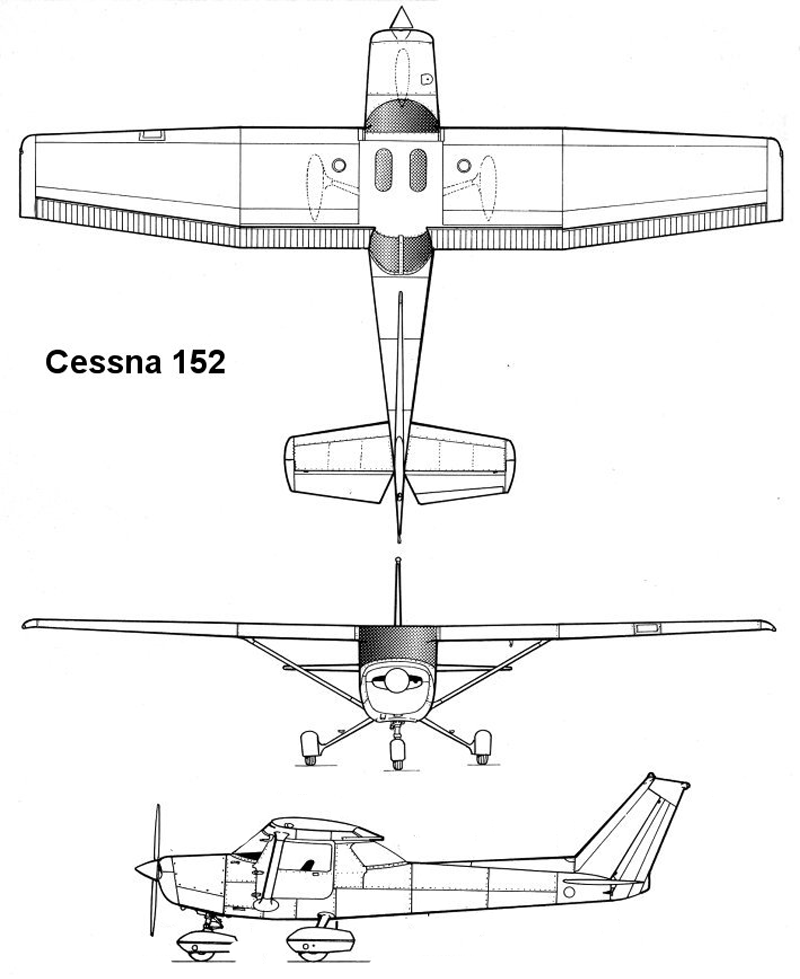 Cessna 152 |
ArchivoAéreo Editorial Team
A group of aviation researchers and enthusiasts dedicated to documenting and preserving global aeronautical history. All articles are reviewed to ensure historical accuracy.
Sources & Accuracy
The information presented in this technical sheet has been compiled from declassified flight manuals, historical archives, and specialized literature. While we strive for maximum accuracy, some performance data may vary depending on the specific variant or operational conditions.