Cessna 162 SkyCatcher
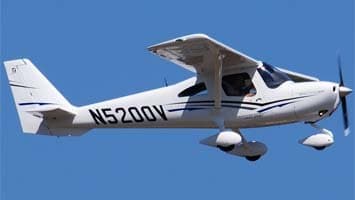
Anticipating a high market demand for a new training or light sport aircraft (LSA), Cessna began developing such a machine and in 2006 presented an aircraft intended to validate its design calculations. The initial flights were performed with a Rotax engine, but the powerplant was later modernized to include the Teledyne Continental O-200A engine.
Ultimately, a lighter variant of this engine, the O-200D, was chosen for the new aircraft, designated the Cessna Model 162 SkyCatcher. This model first took to the air on March 8, 2008, featuring an all-aluminum alloy construction and equipped with a Garmin G300 avionics suite.
Initial Development and Features
The Garmin G300 system included either a split-screen display or, optionally, two conventional color displays—one multifunctional and the other for primary flight information. The aircraft is a two-seater, with control yokes positioned under the instrument panel to conserve space.
The machine was first publicly demonstrated on July 22, 2007, at the “AirVenture” airshow in Oshkosh, Wisconsin. It was initially positioned as an aircraft developed to meet new light sport aircraft requirements, significantly simplifying and reducing the cost of training for aspiring pilots. Just two weeks after its AirVenture debut, the SkyCatcher accumulated 720 orders. Cessna representatives later announced an optional special system, allowing for the entire aircraft, pilot and passenger included, to land via parachutes in case of an in-flight emergency.
Market Reception and Production Strategy
In November 2007, Cessna management announced a forthcoming reduction in the aircraft’s cost. This was to be achieved by outsourcing the production of individual components to facilities of the Chinese company “Shenyang Aircraft Corporation,” while final assembly of the aircraft remained in America, with three assembly sites designated within the U.S. This decision also allowed Cessna to more actively assert itself in the promising domestic Chinese market for general aviation aircraft.
Testing Challenges and Deliveries
By mid-July 2008, Cessna had built and was testing three SkyCatcher prototypes, with initial deliveries planned for 2009. At the “AirVenture” airshow in 2008, the company demonstrated the first production aircraft, having secured over 1000 orders by that time.
However, on September 18, 2008, one of the prototypes was lost during a spin test—the widely publicized aircraft and pilot/passenger rescue system failed, forcing the test pilot to eject with an individual parachute. Furthermore, on March 19, 2009, a second prototype was lost during similar tests, prompting Cessna’s management to investigate and address the identified SkyCatcher issues.
Despite these setbacks, company representatives assured their partners that production plans would not be affected, and the first aircraft would be delivered to customers as planned in late 2009, which indeed happened. On April 13, 2010, at the “Sun ‘n Fun” airshow in Florida, official Cessna representatives stated that the company planned to accelerate deliveries of its new light sport aircraft to customers.
Technical Specifications
| Modification | 1 62 |
| Wingspan, m | 9. 14 |
| Aircraft length, m | 6. 95 |
| Aircraft height, m | 2.53 |
| Empty weight | 376 |
| Maximum takeoff weight | 599 |
| Engine type | 1 Piston engine Teledyne Continental O-200D(1) |
| Power, kW | 1 х 100 |
| Maximum speed, km/h | 2 19 |
| Cruising speed, km/h | 207 |
| Practical range, km | 870 |
| Rate of climb, m/min | 271 |
| Service ceiling, m | 4 724 |
| Crew | 2 |
Image and diagram gallery of the Cessna 162 SkyCatcher
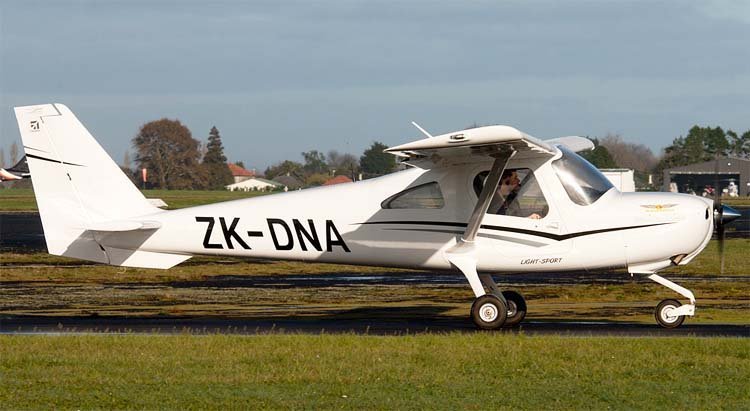 Cessna 162 SkyCatcher |
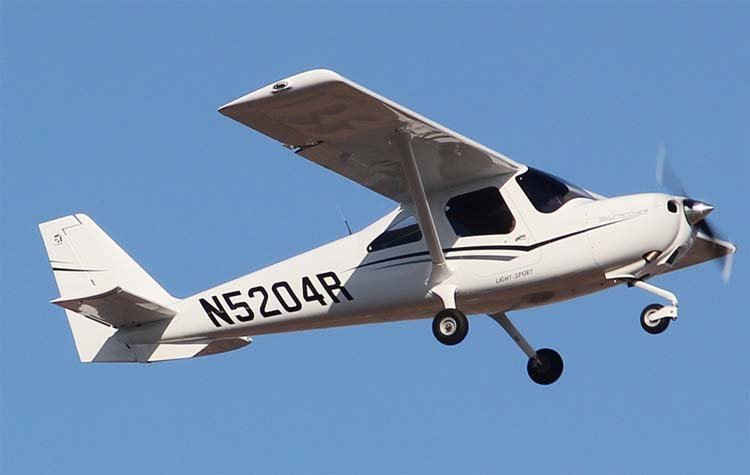 Cessna 162 SkyCatcher |
 Cessna 162 SkyCatcher |
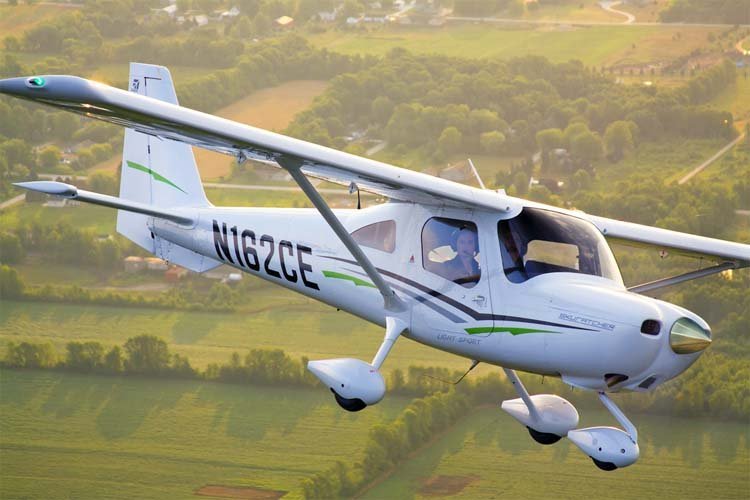 Cessna 162 SkyCatcher |
 Cessna 162 SkyCatcher |
ArchivoAéreo Editorial Team
A group of aviation researchers and enthusiasts dedicated to documenting and preserving global aeronautical history. All articles are reviewed to ensure historical accuracy.
Sources & Accuracy
The information presented in this technical sheet has been compiled from declassified flight manuals, historical archives, and specialized literature. While we strive for maximum accuracy, some performance data may vary depending on the specific variant or operational conditions.