Cessna 208 Caravan
Concept and Early Development
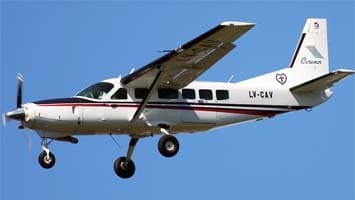
The Model 208 Caravan I, designed to carry 10 people, was conceived as a specialized “bushplane,” meaning an an aircraft for remote and difficult-to-access areas. Cessna planned for this model to replace thousands of light piston agricultural and private farm aircraft operating worldwide. The preliminary design was completed in 1981, with developers proposing a 1.57 m wide cabin featuring seats arranged three abreast.
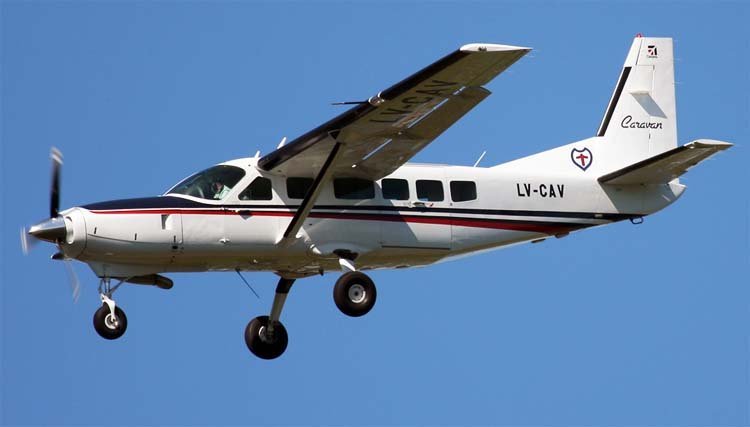
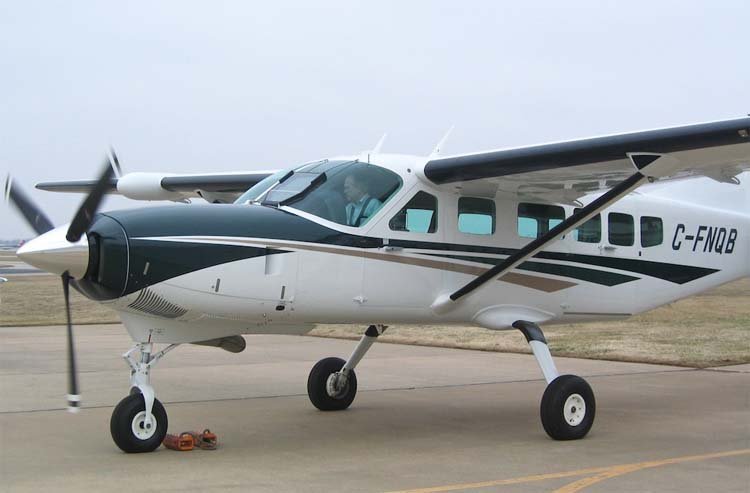
The design included a large cargo door on the left side, with panels that opened upwards and downwards, along with three additional doors in the fuselage for passengers and cargo. The Model 208 prototype made its first flight on December 9, 1982. Key distinctions of the new model included a spacious fuselage with a rectangular cross-section in the cabin area and a tail section with a high-aspect-ratio stabilizer and swept fin.
It also featured a fixed tricycle landing gear with a nose wheel and a power plant consisting of a single PT6A-114 turboprop engine with a three-bladed McCauley propeller.
Civilian Variants and Commercial Success
Sixty-one Model 208 aircraft were sold before sales volume dramatically increased following an order for 177 special variant aircraft by Federal Express. This variant, the Model 208A Cargomaster, is exclusively designed for cargo transport and was equipped with a Bendix/King avionics suite.
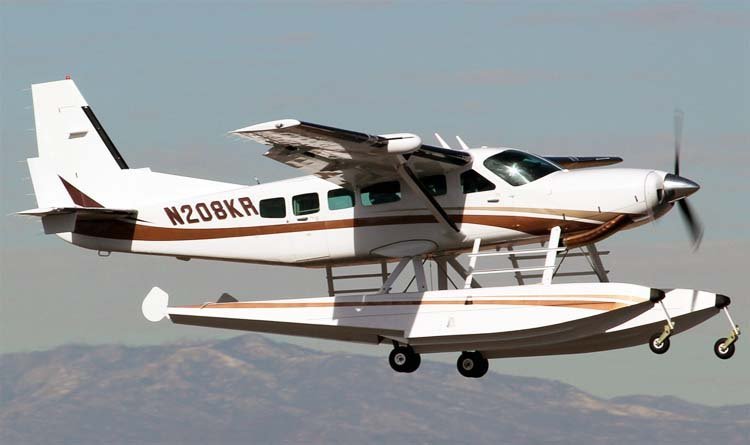
In the Cargomaster fuselage, cabin windows and the right rear door were eliminated, the vertical stabilizer became taller, a cargo pod was mounted under the fuselage, and the exhaust pipe was lengthened to direct hot gases away from the under-fuselage container. The basic Model 208 variant, known as the Caravan 675, also remained in serial production in 2009, equipped with the Garmin G1000 suite. An amphibious variant on wheel-float landing gear was named the Caravan Amphibian.
Military Adaptations and Global Use
The U-27A export military variant appeared in 1986. This aircraft, with a crew of one pilot, could transport up to nine passengers or cargo and was intended for personnel and cargo transport, paratrooper drops, use as an ambulance, electronic warfare (EW), air operations control, maritime patrolling, and search and rescue (SAR) operations.
The U-27A features one under-fuselage and six under-wing hardpoints. A variant for the US Air Force Special Operations Command included the installation of a 360-degree IR reconnaissance and targeting system, with armament such as Stinger air-to-air missiles. Military purchasers of this variant included the Air Forces of Brazil and Colombia, and the armies of Liberia and Thailand.
The rebuilt Iraqi Air Force received Caravan aircraft, alongside Cessna 172s, for pilot training (in the US military, the aircraft is known as the UC-208). Iraqi Air Force Caravans are capable of carrying weaponry, including Hellfire ATGM; an Iraqi pilot performed the first launch of this missile from a Caravan on November 4, 2009. By late 2009, information emerged regarding the US intention to supply armed Caravans to Lebanon’s border service.
Technical Specifications
| Modification | Cessna 208 |
| Wingspan, m | 15.88 |
| Length, m | 11.46 |
| Height, m | 4.32 |
| Wing area, m2 | 25.96 |
| Empty weight | 1752 |
| Maximum takeoff weight | 3629 |
| Internal fuel, kg | 1009 |
| Engine type | 1 Turboprop Pratt Whitney Canada PT6A-114А |
| Power, kW | 1 x 503 |
| Maximum speed, km/h | 352 |
| Cruising speed, km/h | 341 |
| Practical range, km | 1797 |
| Operational range, km | 1200 |
| Service ceiling, m | 8420 |
| Crew, crew | 1 |
| Payload | 9 passengers or 1361 kg of cargo |
Image and diagram gallery of the Cessna 208 Caravan
 Cessna 208 Caravan |
 Cessna 208 Caravan |
 Cessna 208 Caravan |
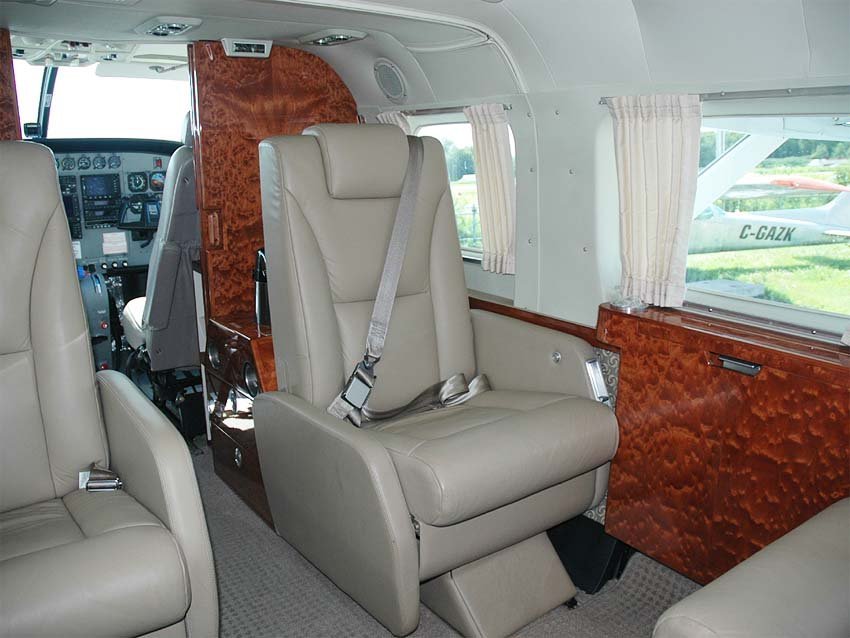 Cessna 208 Caravan |
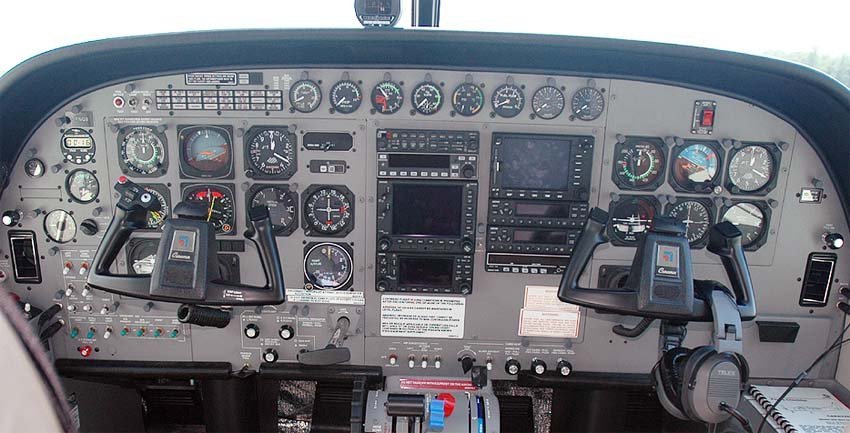 Cessna 208 Caravan |
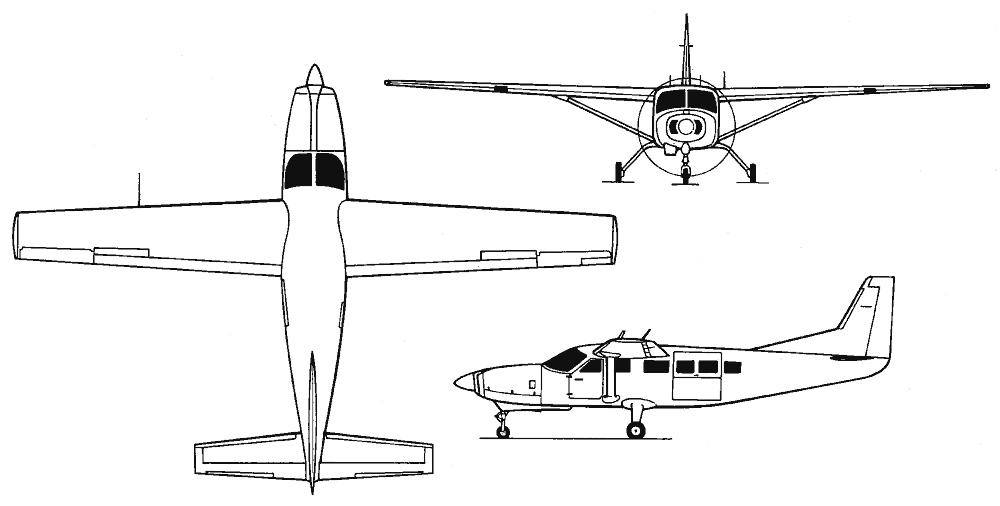 Cessna 208 Caravan |
ArchivoAéreo Editorial Team
A group of aviation researchers and enthusiasts dedicated to documenting and preserving global aeronautical history. All articles are reviewed to ensure historical accuracy.
Sources & Accuracy
The information presented in this technical sheet has been compiled from declassified flight manuals, historical archives, and specialized literature. While we strive for maximum accuracy, some performance data may vary depending on the specific variant or operational conditions.