Cessna 408 SkyCourier
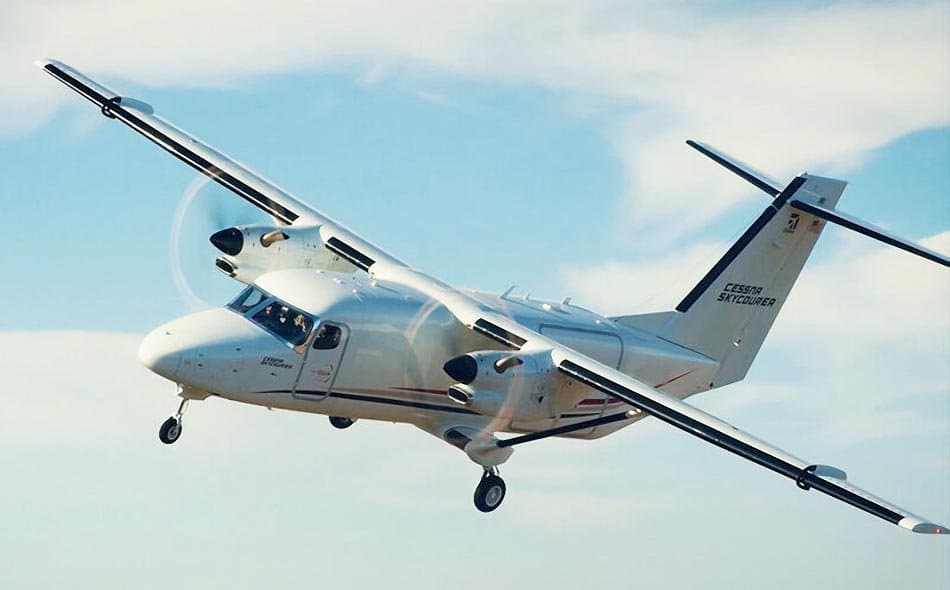
The program for creating the 19-seat transport and passenger twin-engine turboprop aircraft Cessna SkyCourier (also designated Cessna 408) was announced in November 2017. This aircraft will become the largest turboprop in the Cessna and Textron Aviation lineup, surpassing the 14-seat single-engine Cessna Caravan. The first prototype (registration number N408PR) took to the air on May 17, 2020.
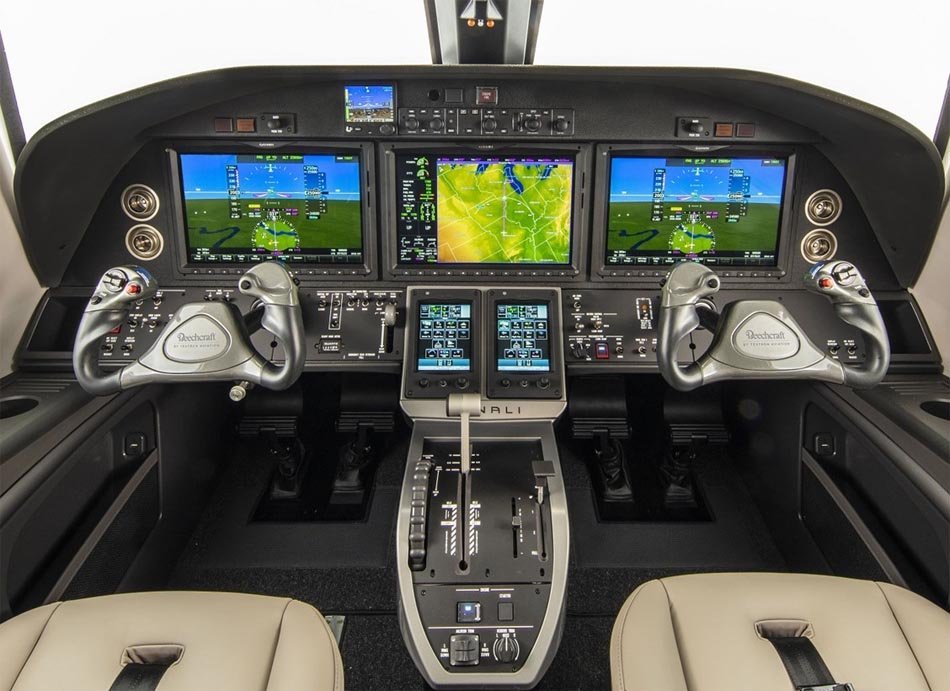
The turboprop aircraft features a high-wing design with a T-tail. It is powered by Pratt & Whitney PT6A-65SC engines, each with a take-off power of 1,100 horsepower, and McCauley C779 aluminum propellers, along with Garmin G1000 NXi avionics. The aircraft can reach speeds of up to 390 kilometers per hour and has a range of up to 740 kilometers, operating from runways 3,300 feet (1,007 m) long.
With a length of 16.7 meters, the SkyCourier has a wingspan of 21.9 meters and a height of six meters. These dimensions establish it as the largest turboprop aircraft under the Cessna brand. Previously, this distinction belonged to the Cessna 208 Caravan, which measured 11.5 meters in length, 4.5 meters in height, and had a wingspan of 15.9 meters.
Versatile Configurations
The Cessna SkyCourier is designed for both cargo and passenger transport. In its cargo configuration, the aircraft features a large door and a flat-floor cabin, capable of accommodating up to three LD3 cargo containers with a total weight of up to 2.7 tons. This variant boasts a maximum speed of up to 370 km/h and a maximum range of 1,700 km, powered by two Pratt & Whitney Canada PT6A-65SC turboprop engines and new McCauley propellers.
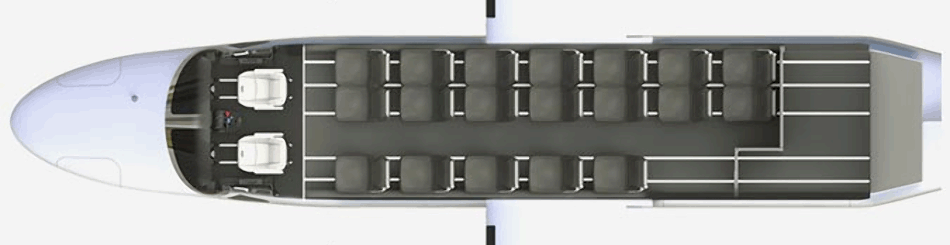
The passenger version is designed for 19 individuals, along with 5.27 cubic meters of luggage weighing up to 600 kg and a total payload of 2,200 kg. In this setup, the aircraft achieves a speed of 390 km/h and covers distances of 1,704 km. Additionally, the cabin height of 1.8 meters provides considerable comfort for travel and movement within the aircraft.
Advanced Manufacturing and Maintenance
SkyCourier’s production incorporates many of the latest advancements in aerospace manufacturing, including the extensive use of monolithic machining throughout the airframe. This method involves milling major assemblies from a solid piece of metal rather than assembling them from smaller parts, which reduces the total number of components and leads to more precise tolerances for easier assembly.
Designed with a strong emphasis on ease of maintenance, the SkyCourier features quick-access points across the aircraft for inspection and repairs. The team also developed innovative, patented quick-release seats and baggage shelves, enabling rapid installation by a single operator.
FedEx Partnership
The first SkyCourier aircraft will be delivered to the courier company FedEx. In 2017, FedEx ordered 50 of these aircraft from Textron Aviation and secured an option for the delivery of another 50.
Technical Specifications
| Modification | Cessna 408 |
| Wingspan, m | 22.02 |
| Aircraft length, m | 16.80 |
| Aircraft height, m | 6.30 |
| Wing area, m2 | 40.97 |
| Empty weight | 4990 |
| Maximum takeoff weight | 8618 |
| Fuel, l | 2725 |
| Engine type | 2 Turboprop Pratt & Whitney PT6A-65SC |
| Power, hp | 2 x 1100 |
| Cruising speed, km/h | 390 |
| Ferry range, km | 1700 |
| Practical range, km | 741 |
| Service ceiling, m | 7600 |
| Crew, crew | 2 |
| Payload | standard – 19 passengers or three LD3 containers |
Image and diagram gallery of the Cessna 408 SkyCourier
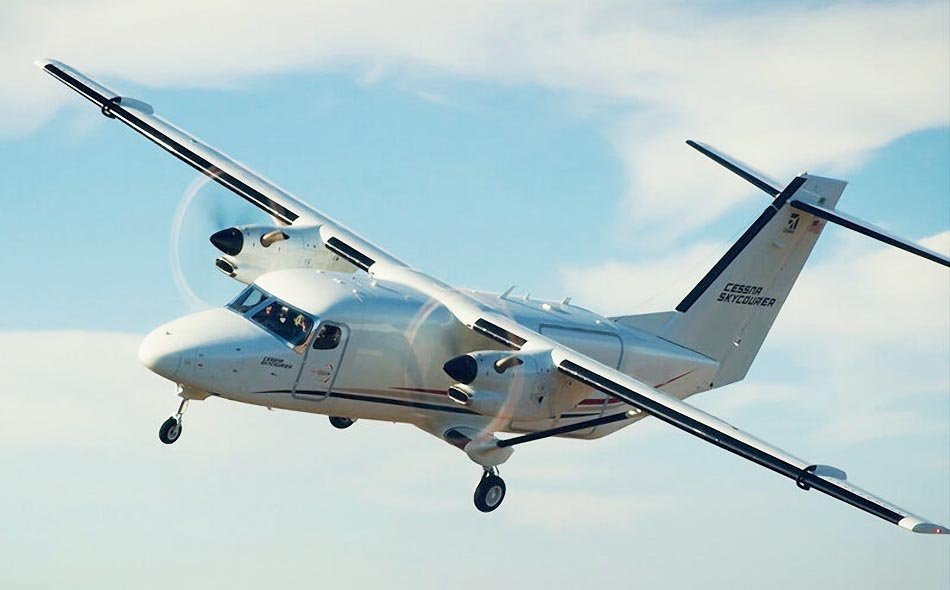 Cessna 408 SkyCourier |
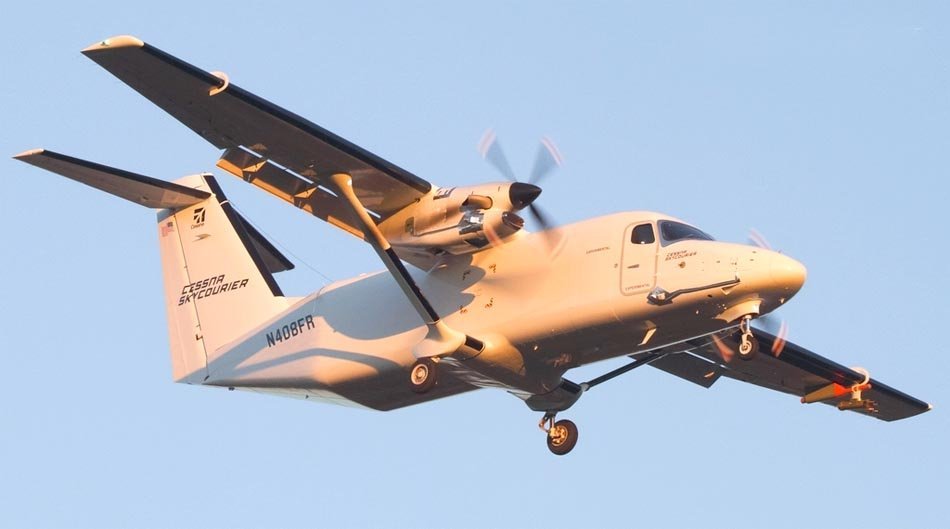 Cessna 408 SkyCourier |
 Cessna 408 SkyCourier |
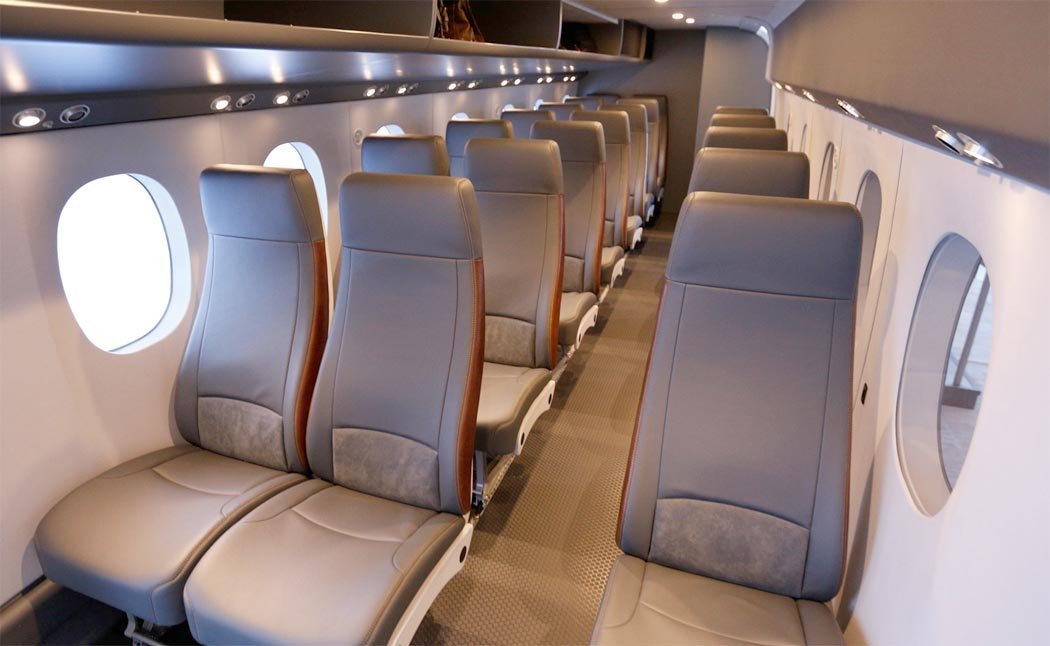 Cessna 408 SkyCourier |
 Cessna 408 SkyCourier |
 Cessna 408 SkyCourier |
ArchivoAéreo Editorial Team
A group of aviation researchers and enthusiasts dedicated to documenting and preserving global aeronautical history. All articles are reviewed to ensure historical accuracy.
Sources & Accuracy
The information presented in this technical sheet has been compiled from declassified flight manuals, historical archives, and specialized literature. While we strive for maximum accuracy, some performance data may vary depending on the specific variant or operational conditions.