Challenger 605
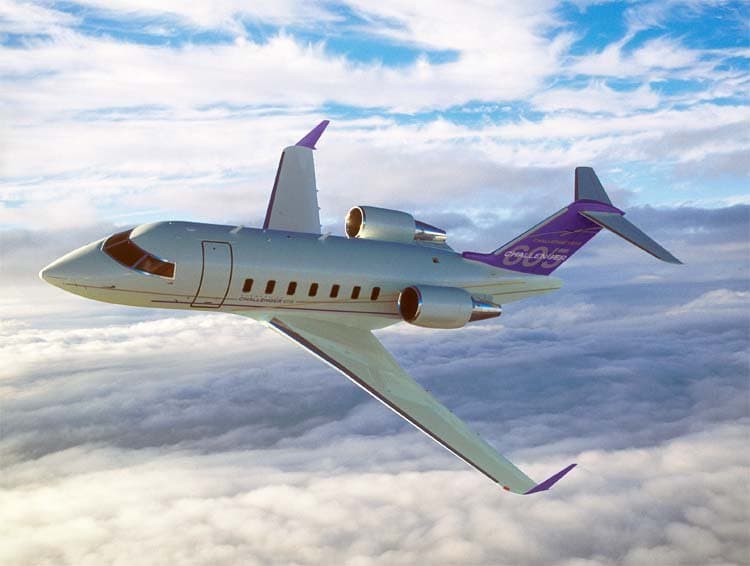
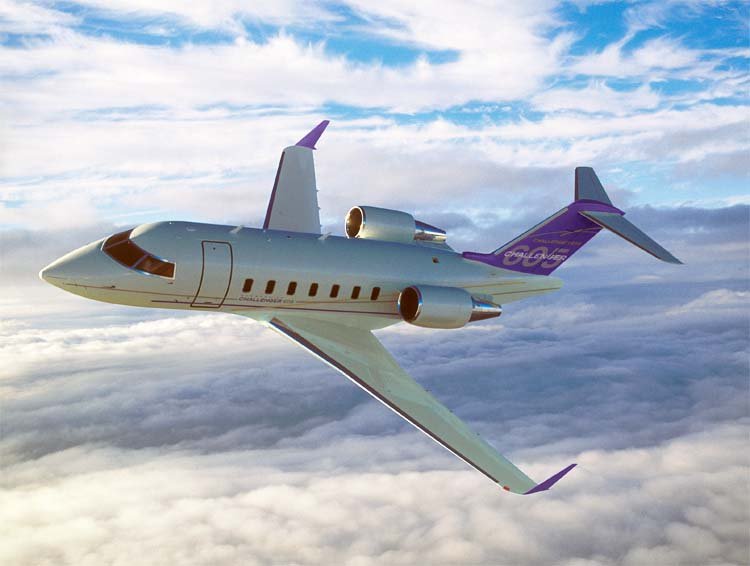
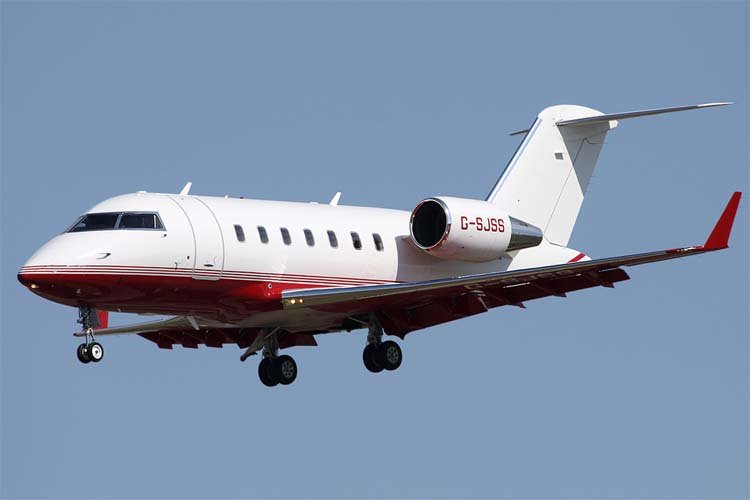
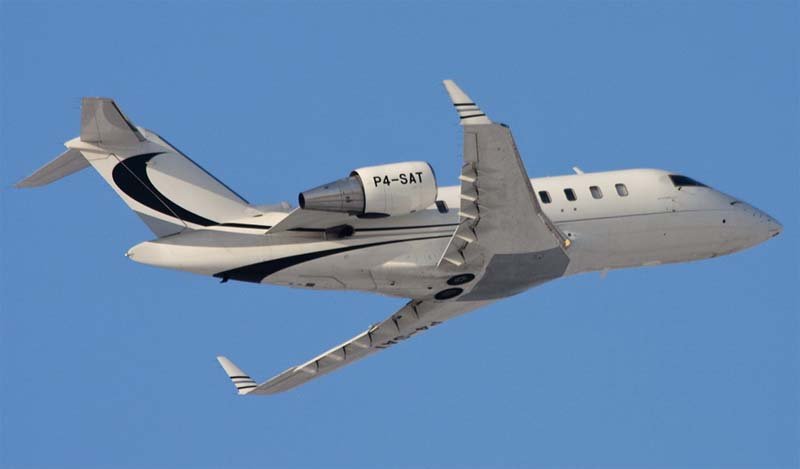
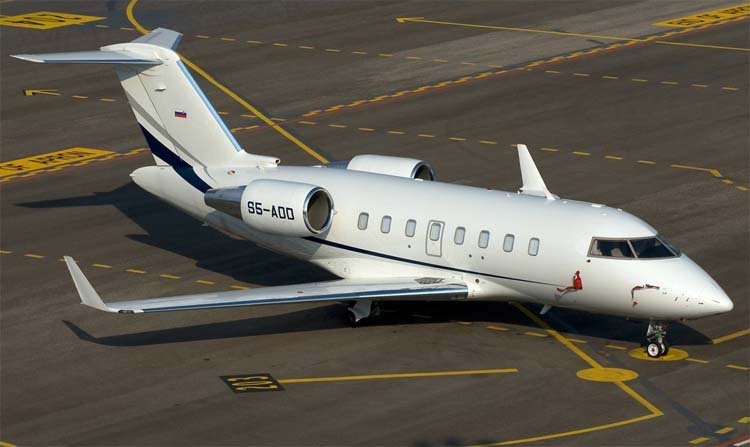
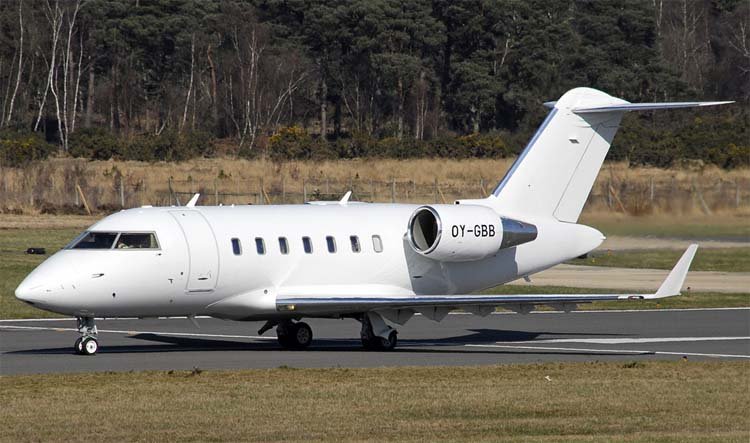
The Challenger 605 aircraft is the successor to the popular 604 model from the Canadian business jet manufacturer Bombardier Aerospace, which held the leading sales position among large-class business jets for 10 years. The first flight of the test prototype was performed on January 22, 2006.
Innovation and Key Features
The Challenger 605 was first unveiled in November 2005 at the NBAA meeting and certified in October 2006. It is equipped with the Rockwell Collins Pro Line 21 avionics suite, replacing the Pro Line 4 on the Challenger 604. The interior of the Challenger 605 was completely updated, featuring 14% larger cabin windows, allowing for 30% better natural light illumination, a new galley and lavatory, free internet access, and in-flight satellite phone use. It entered service with airlines and private clients in 2007.
The advantages of the Challenger 605 are its reliability and margin of safety. It provides operators with much-needed flexibility in transport: the aircraft can carry 8 passengers at a speed of 870 km/h from Moscow to Beijing. The maximum payload has been increased by 91 kg, which can be realized either as an additional person on board or in extra fuel.
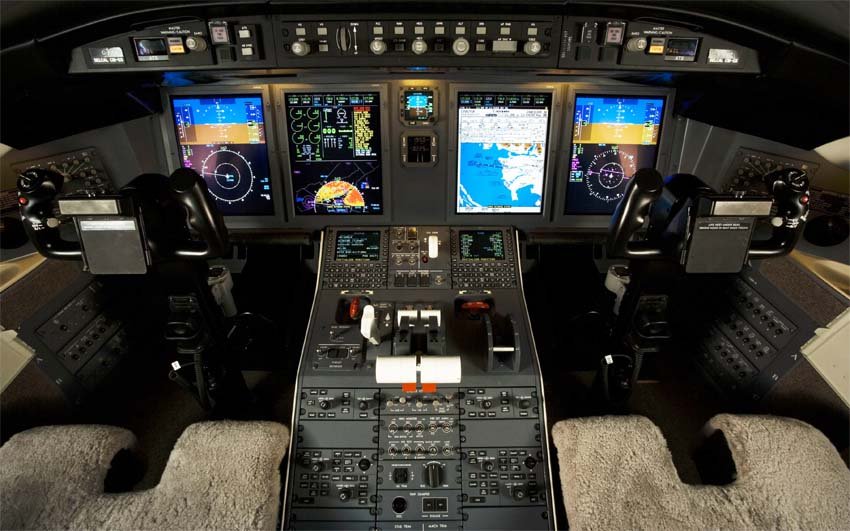
The new aircraft features a modern cockpit with state-of-the-art onboard equipment and electronic systems. The Challenger 605 is certified for landing in the challenging conditions of London City Airport, allowing political leaders and businessmen to arrive in the heart of London’s financial district.
Interior Design and Comfort
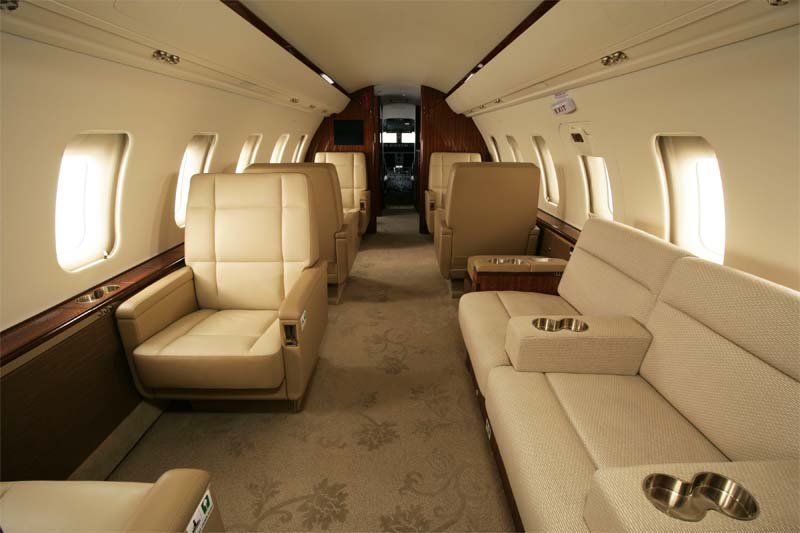
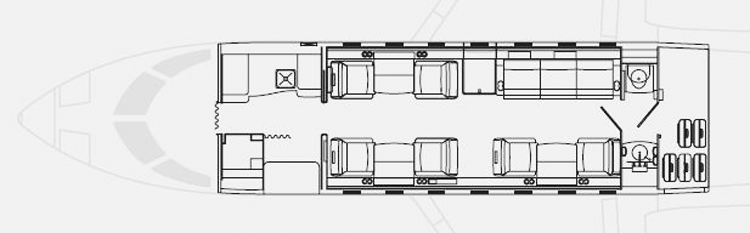
Thanks to these and many other advantages, the business jet is a versatile, economical, and exceptionally comfortable aircraft. Among aircraft of its class, the Challenger 605 is recognized as a leader in cabin comfort and reliability. The spacious and comfortable passenger cabin can accommodate up to 19 passengers, but the most comfortable layouts are for 9-12 seats. Enlarged windows, a modified wall contour, an ergonomic interior, and combined lighting make the cabin spacious, and a high ceiling allows a person to stand at full height.
Onboard, 18-inch monitors are installed, and each seat is equipped with an audio block with a headphone jack and channel switcher. Standard equipment includes an Iridium satellite communication system, a CD/DVD player with an MP3 playback module. Optional features offer individual 10.4-inch monitors in each seat, an XM radio receiver, an Inmarsat system, and internet access.
Advanced Avionics and Performance
The integrated avionics package includes four next-generation 10′ x 12′ (25.4 cm x 30.5 cm) vertically aligned LCD screens. The instrument panel display area has been increased by 55%. Standard equipment includes the Rockwell Collins Integrated Flight Information System (IFIS). This equipment provides the pilot with approach route diagrams, airport situational awareness, and other necessary information.
The maximum flight range is 7,491 km, with a speed of M=0.80. A flight from Dubai to London takes seven hours, 44 minutes, and from Riyadh to Geneva, six hours, 24 minutes.
As of 2007, the list price for the Challenger 605 aircraft was 26.7 million US dollars.
Technical Specifications
| Modification | CL-60 5 |
| Wingspan, m | 19.61 |
| Aircraft length, m | 20.85 |
| Aircraft height, m | 6.30 |
| Wing area, m2 | 45.71 |
| Empty weight | 12079 |
| Maximum takeoff weight | 21863 |
| Fuel | 9072 |
| Engine type | 2 Turbofan General Electric CF34-3B |
| Thrust, kN | 2 x 38.84 (41 APR) |
| Maximum cruising speed, km/h | 882 |
| Normal cruising speed, km/h | 850 |
| Economical speed, km/h | 787 |
| Practical range, km | 7 491 |
| Rate of climb, m/min | 520 |
| Practical ceiling, m | 12497 |
| Crew, crew members | 2+1 |
| Payload: | 9-12 passengers |
Image gallery of the Challenger 605