Cierva C.10 Autogyro
Early Development and Partnership
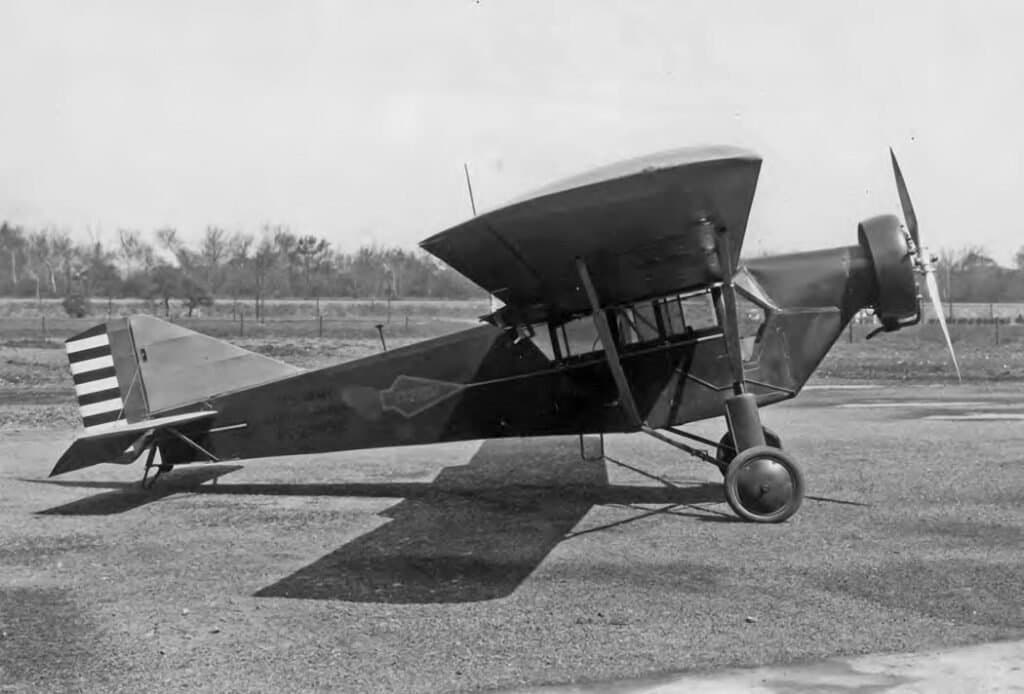
In 1927, the Cierva Autogyro Company contracted George Parnall’s firm for the construction of two light autogyros. These aircraft were designed by engineer Harold Bolas, representing an ambitious endeavor in early rotary-wing aviation.
The Unfortunate Fate of the C.10
Both autogyros proved unsuccessful in their initial phase. The C.10 (J9038), equipped with a 70 hp (52 kW) Armstrong Siddeley Genet engine, crashed in 1927 during comparative trials. These trials were conducted alongside the C.9 aircraft built by the Avro company, marking a significant setback.
The C.11: From Crash to Classroom
The C.11 (G-EBQG) autogyro, later named Parnall Gyroplane, was built in 1928. It was similar to the C.10 but powered by a 120 hp (90 kW) ADC Airdisco engine. Juan de la Cierva crashed this machine in Yeovil while attempting to take off before the rotor developed sufficient speed.
Despite the incident, the C.11 was restored with a simplified pylon. It was subsequently used in Hamble as a valuable training aid, contributing to the education and study of autogyro aerodynamics.
Technical Specifications
| Modification | C.1 0 |
| Main rotor diameter, m | 9. 14 |
| Fuselage length, m | 8. 97 |
| Engine type | 1 Piston engine Armstrong Siddeley Genet |
| Power, hp | 1 x 70 |
| Maximum speed, km/h | 135 |
| Crew, crew members | 1 |
Image and diagram gallery of the Cierva C.10 Autogyro
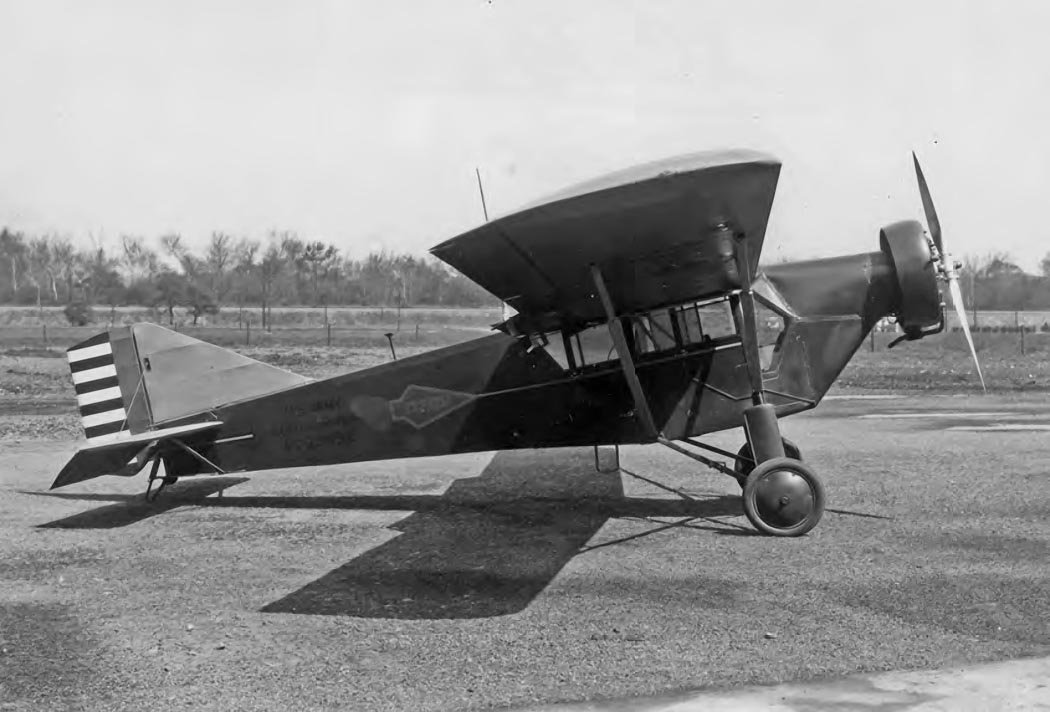 C.10 |
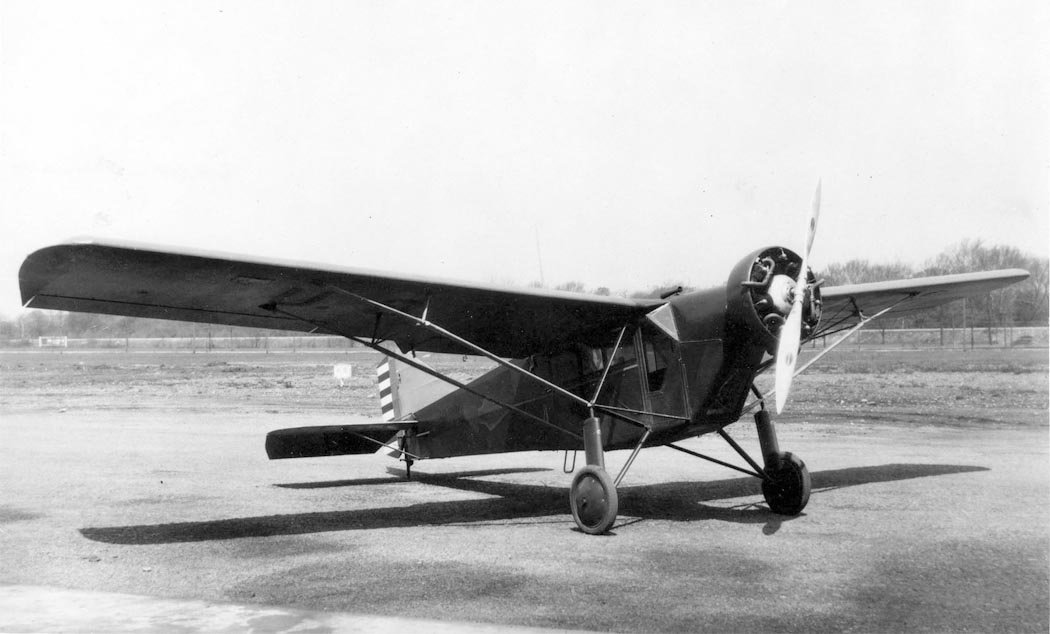 C.10 |
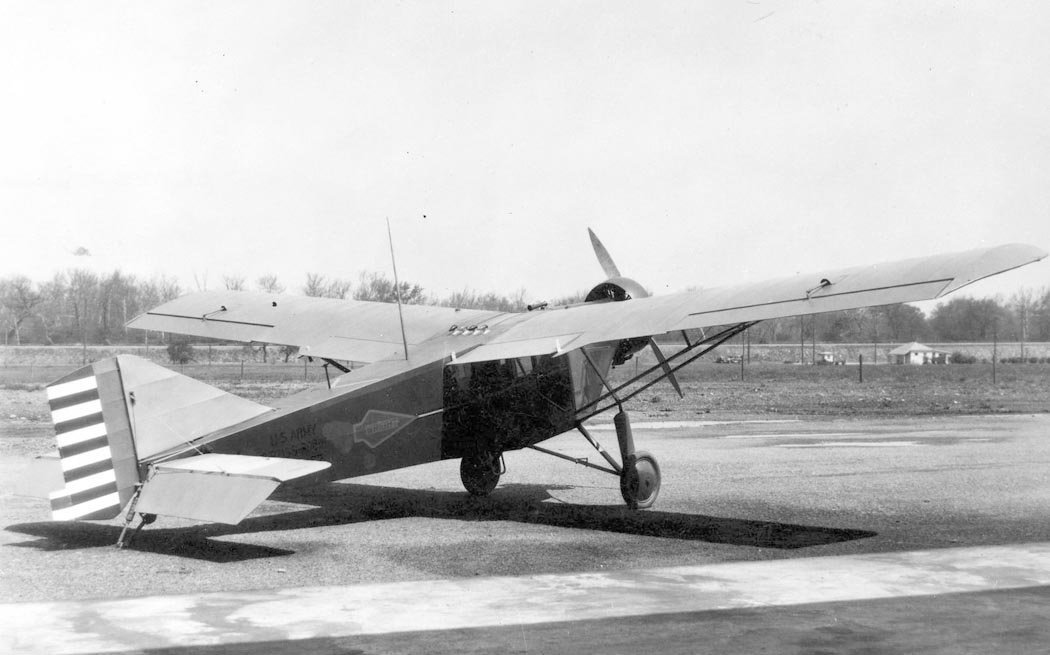 C.10 |
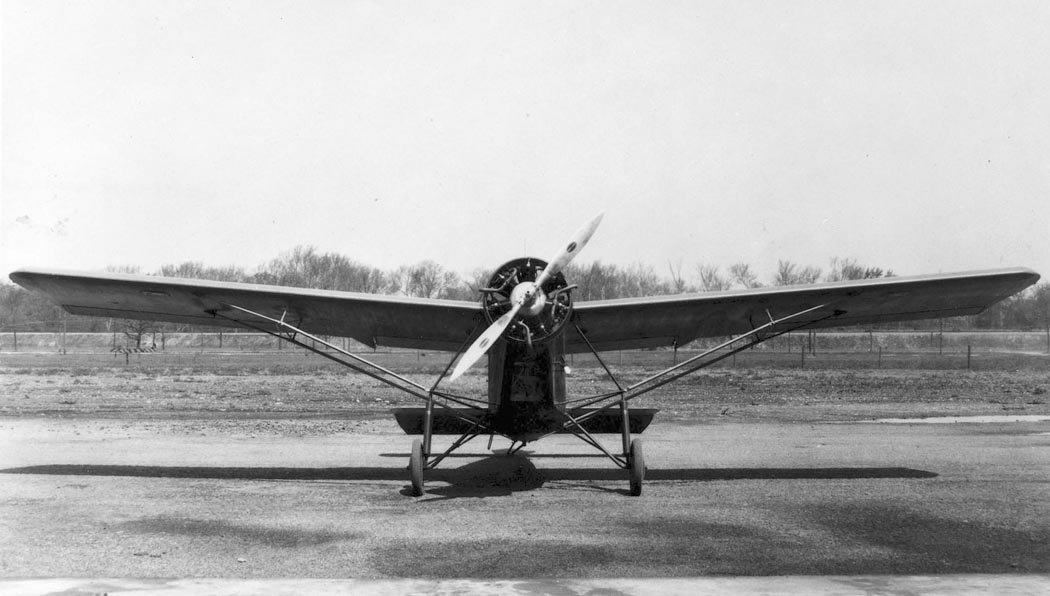 C.10 |
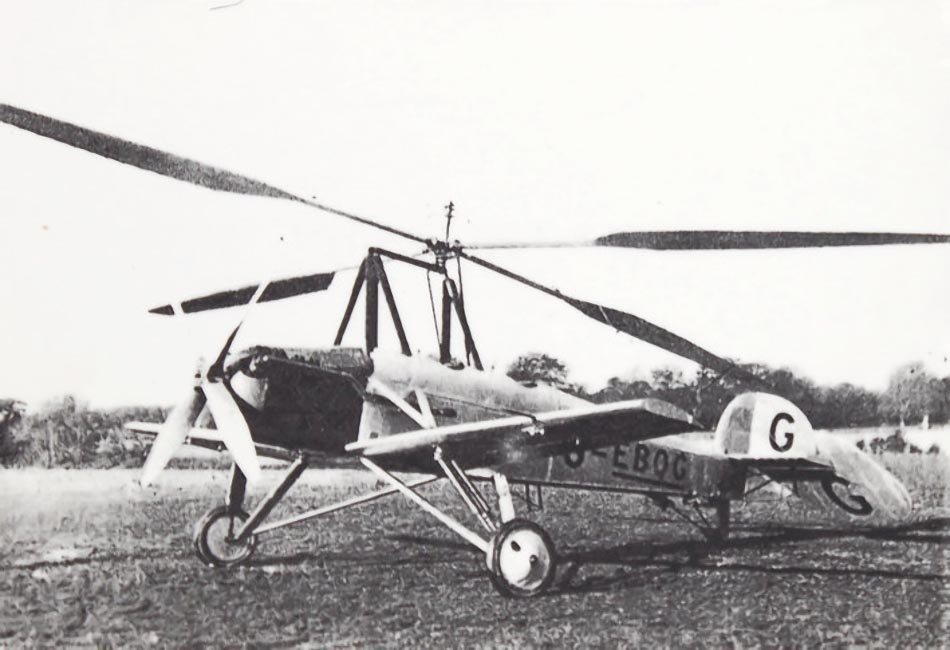 C.10 |
ArchivoAéreo Editorial Team
A group of aviation researchers and enthusiasts dedicated to documenting and preserving global aeronautical history. All articles are reviewed to ensure historical accuracy.
Sources & Accuracy
The information presented in this technical sheet has been compiled from declassified flight manuals, historical archives, and specialized literature. While we strive for maximum accuracy, some performance data may vary depending on the specific variant or operational conditions.