Cierva C.19 Autogyro
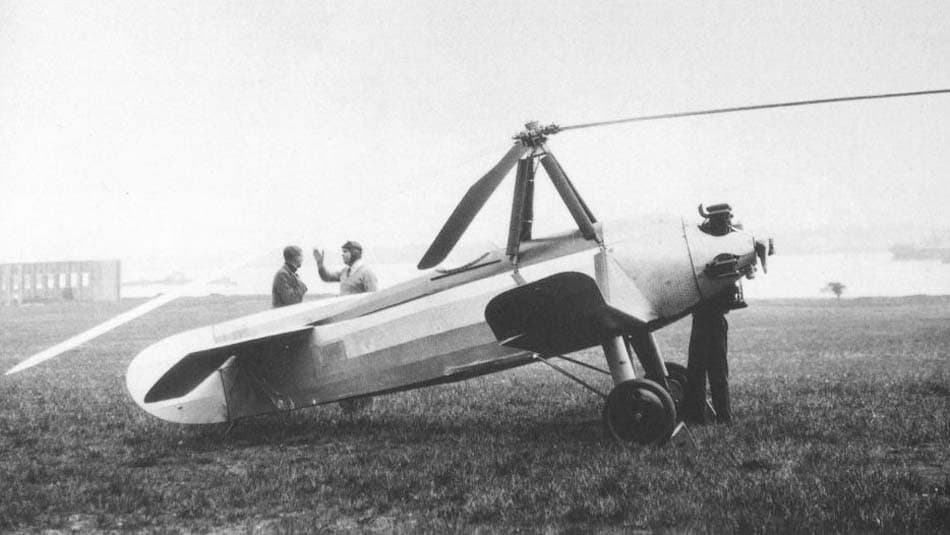
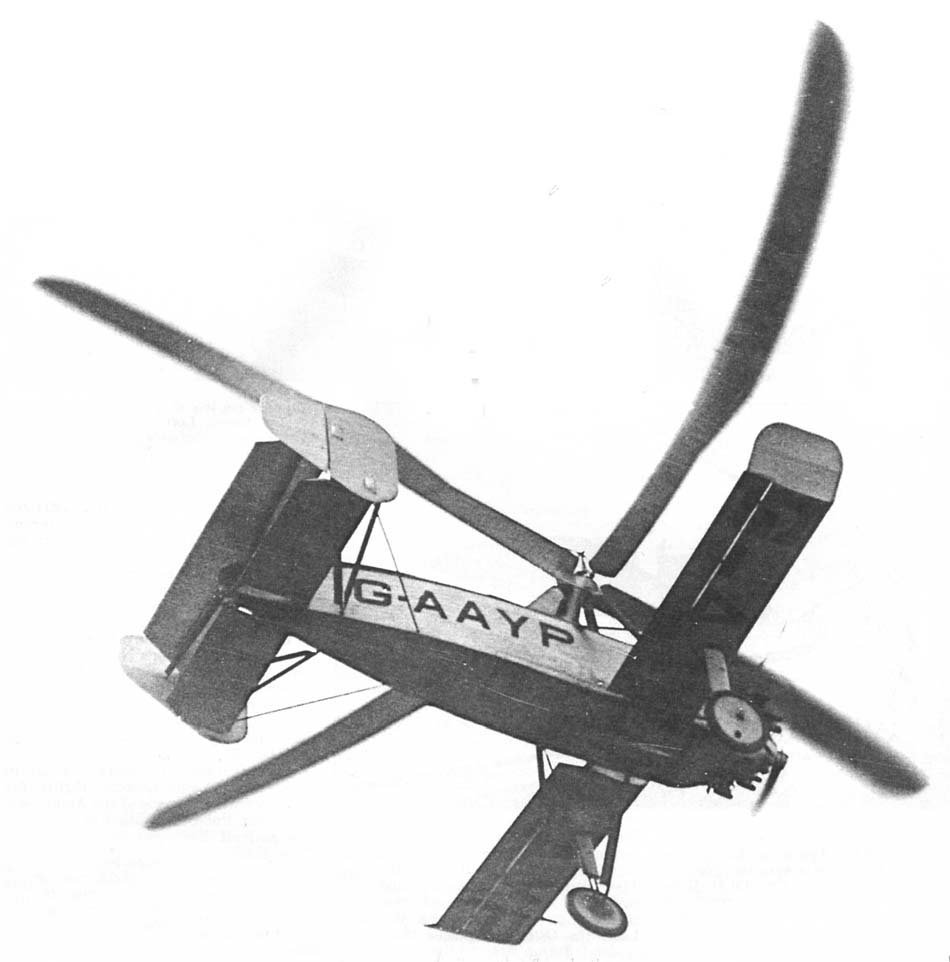
The C.19 was a reconnaissance autogyro developed by the Spanish engineer Juan de la Cierva. Cierva made a significant stride in autogyro design with the C.19 model in 1929. Prior to this, the main rotor had to be spun manually before takeoff, which increased lift and reduced takeoff distance.
While all autogyros could take off and land in small areas inaccessible to airplanes, manually spinning the bulky rotor was a laborious and time-consuming operation. With the C.19 Mk I, a rotatable tail unit was introduced.
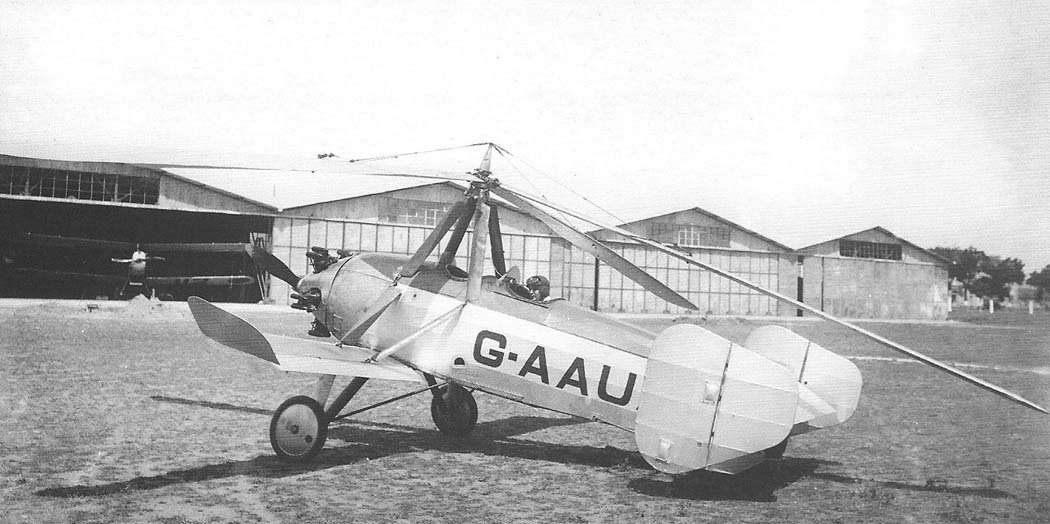
Before takeoff, this complex box-like structure was turned approximately 90 degrees. This deflected the airflow from beneath the propeller onto the rotor blades, causing it to spin up automatically (autorotation). Once the main rotor reached the necessary RPMs, the tail unit was returned to its original position.
Early Innovations and Design
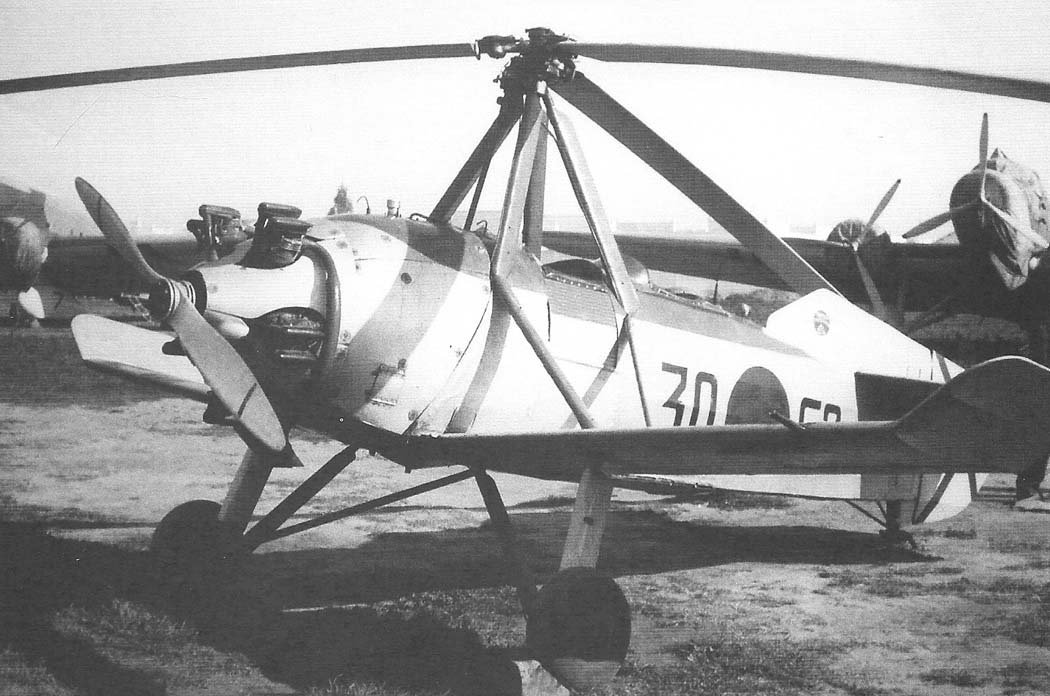
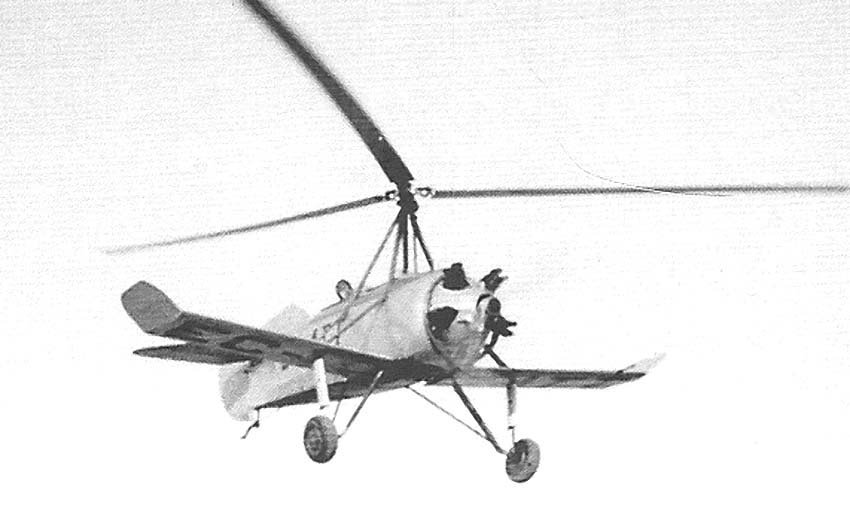
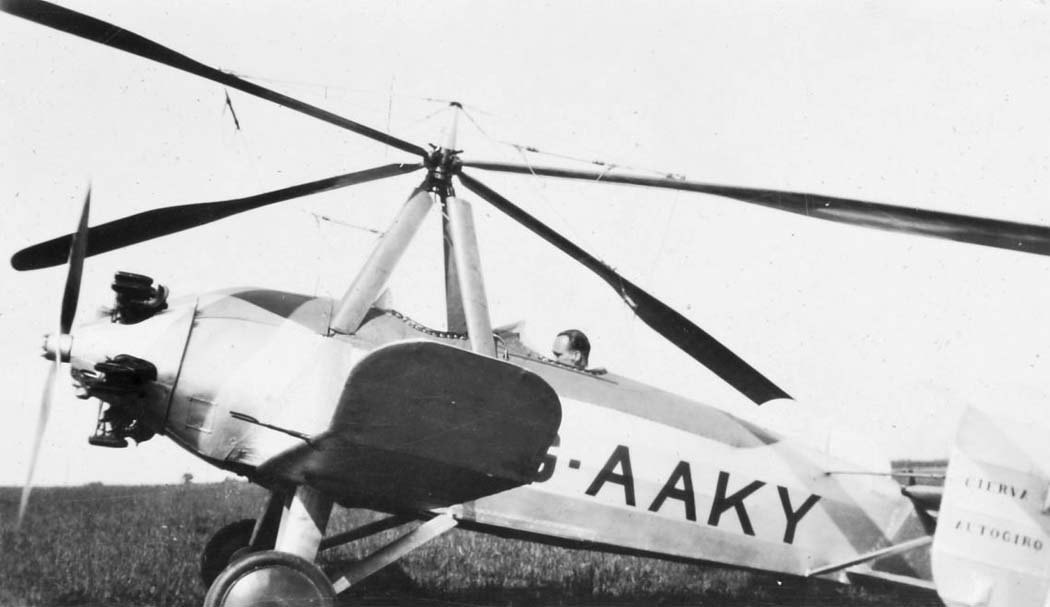
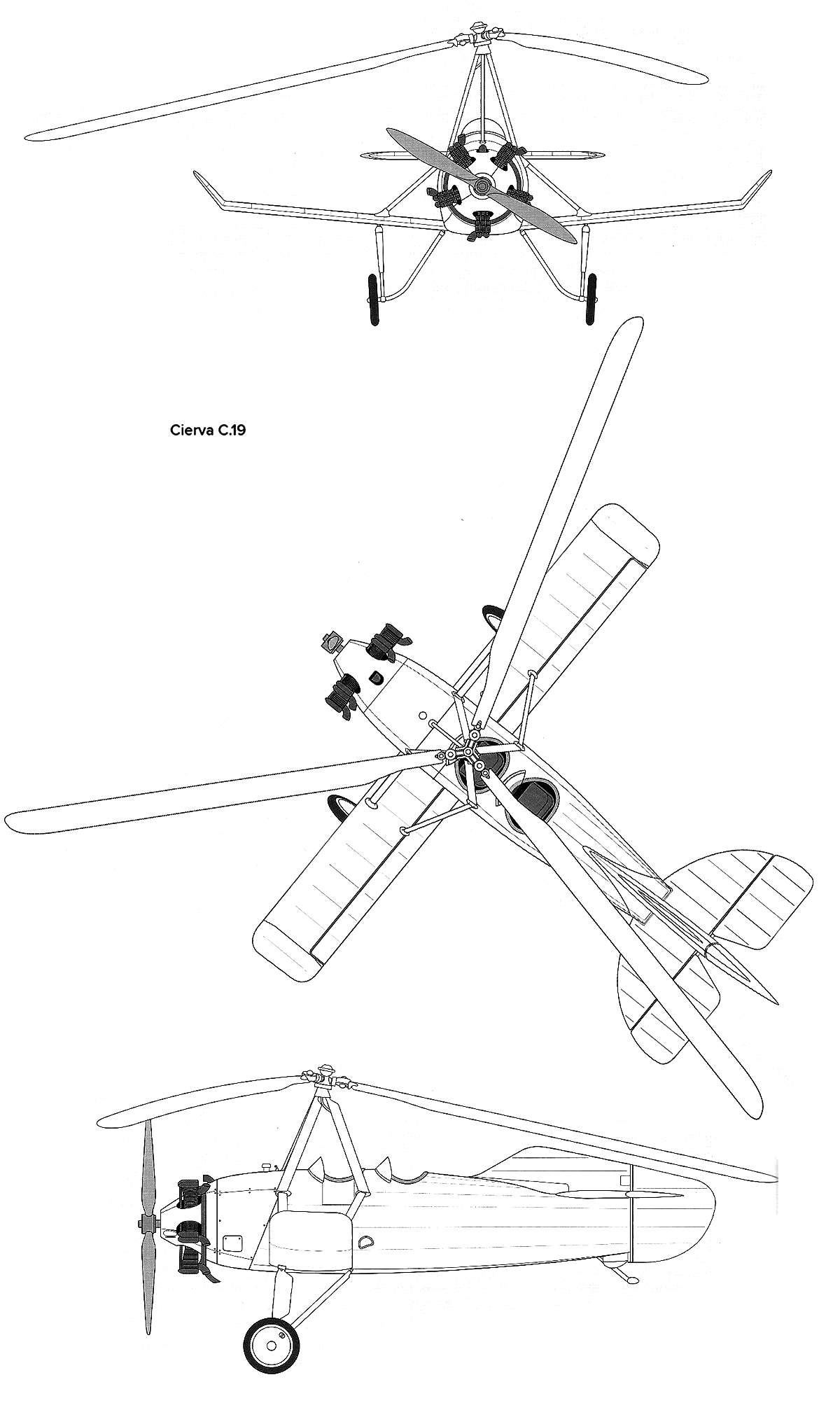
The C.19 was already a fully independent design, not merely a modification of an existing aircraft. Its fuselage featured a steel tube frame, covered with duralumin sheets at the front and fabric at the rear. Similar to an airplane, an engine was located in the front section, driving a two-bladed wooden propeller.
The autogyro was equipped with short wings supported by struts from above, which housed the ailerons. Its landing gear was typical for aircraft of that era, comprising two main braced struts at the front and a tail skid at the rear, integrated into the vertical stabilizer’s contours.
The three-bladed rotor was positioned atop a pyramid formed by four struts, directly above the front cockpit. The tail unit also included a small elongated fin, a rudder, and a relatively large horizontal stabilizer. Following the Mk I, slightly differing types Mk II and Mk III were introduced.
The C.19 Mk III autogyro was chosen as the prototype for the experimental 2-EA autogyro, built at TsAGI (Central Aerohydrodynamic Institute). The 2-EA was larger than Cierva’s original aircraft and was equipped with a more powerful 230 hp Gnome-Rhone “Titan” engine. However, its distinctive “scorpion tail”—a biplane stabilizer-deflector—was almost entirely copied from the English machine.
Engine-Driven Rotor and Cantilever Blades
Three years later, engineers from Armstrong Siddeley proposed spinning the main rotor directly from the engine. Torque was taken from the rear of the engine’s crankshaft and transmitted to the rotor hub via a reduction gear and an auxiliary shaft. This engine-driven spin-up system was first installed on the C.19 Mk IV autogyro.
During tests, the autogyro was positioned into the wind with the wheel brakes engaged. The main rotor was then spun up at low throttle. Once it reached 180-200 rpm, the brakes were released, the rotor drive was disengaged, and full throttle was applied, causing the autogyro to take off sharply.
This same modification also introduced cantilever blades for the first time (previously, all autogyros used braced blades). Inside each blade was a steel tube designed to bear all loads. Wooden ribs, which defined the aerodynamic profile, were fitted over this tube. The blades were then covered with plywood and lacquered fabric.
Global Production and Cierva’s Enduring Legacy
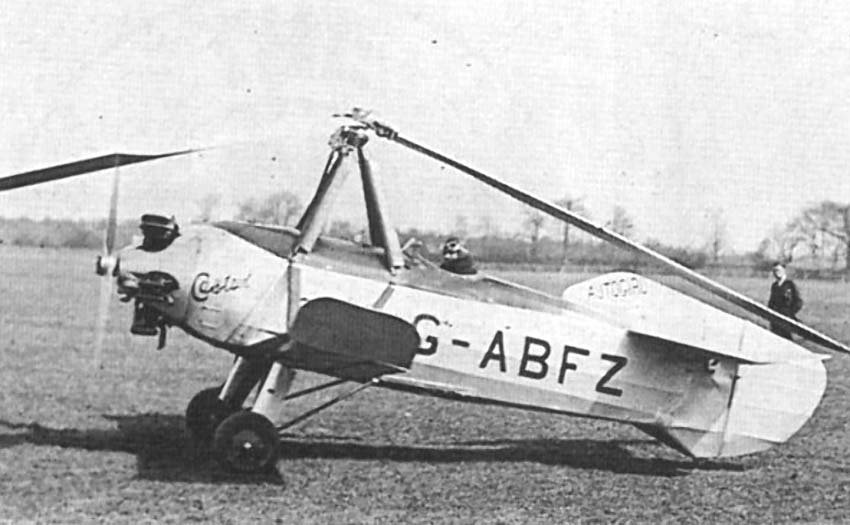
The C.19 family of autogyros was built in small series by the Avro company (as Avro 620). A total of 29 units were manufactured. The main production variant was the C.19 Mk IVP, powered by a 105 hp Genet Major I engine.
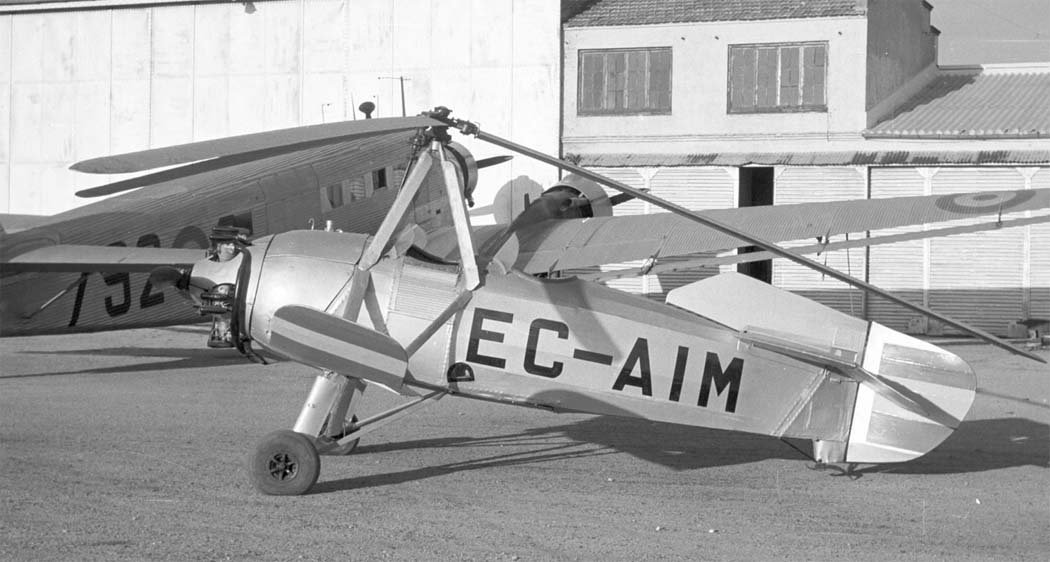
Avro’s factory in Hamble produced 15 of these machines, which were operated in Great Britain, Spain, Germany, and Sweden. The British Ministry of Aviation purchased two C.19 autogyros between 1930 and 1931. A batch of C.19 Mk.IV autogyros, built under license by Focke-Wulf in Germany, featured a 112 kW Siemens Sh.14B radial engine and was designated C.20 by Cierva.
The designation C.21 was assigned to a C.19 Mk.IV autogyro designed in France and built by Liore-et-Olivier (LeO). Models C.22 and C.23 remained as projects. In 1932, the French company LeO acquired Cierva’s license and, based on a detailed study of the C.19 Mk.IV, built the C.27 autogyro.
The company’s designation for it was CL.10, acknowledging the contributions of both Cierva and French designer Georges Lepère. The C.27 was a two-seat, wingless autogyro, powered by a 56 kW Pobjoy engine, which drove a three-bladed cantilever main rotor.
The CL.20, a two-seat cabin autogyro designed by Georges Lepère and built by Westland, first flew in Hanworth on February 5, 1935. It was powered by a 67 kW Pobjoy Niagara III radial engine, enclosed in a cowling. In 1937, Pitcairn Autogiro in the USA proposed building its variant, known as the AC.35, equipped with an 82 kW Pobjoy engine.
Later, Georges Lepère stated that he was working on the development of his 1934 project for the French company Giravia. Designated L.30, it was intended to have three seats and a 108 kW Continental engine.
G. & J. Weir of Glasgow built a single-seat autogyro that flew in 1933. The company’s designation was W-1, but because it was built under license from Cierva, it received the number C.28. Equipped with a 30 kW Douglas Dryad engine, this autogyro featured a two-bladed rotor with mechanical spin-up.
The C.29 autogyro, featuring a five-seat cabin and a 447 kW Armstrong Siddeley Panther II radial engine in an open cowling, was designed by Westland in 1934. Cierva was responsible for the rotor and its mechanism. The structure was made of duralumin tubes.
However, ground resonance during air jet tests prevented flight, and the death of Juan de la Cierva in an aviation accident (not in an autogyro) led to the cessation of its development.
Technical Specifications
| Modification | C19 Mk IVP |
| Wingspan, m | 5.69 |
| Main rotor diameter, m | 10.36 |
| Length, m | 6.10 |
| Height, m | 3.10 |
| Empty weight | 308 |
| Normal takeoff weight | 714 |
| Engine type | 1 Piston engine Armstrong Siddeley Genet Major I |
| Power, hp | 1 x 10⁵ |
| Maximum speed, km/h | 168 |
| Cruising speed, km/h | 144 |
| Practical range, km | 362 |
| Crew, crew members | 2 |
Image and diagram gallery of the Cierva C.19 Autogyro
 C.19 |
 C.19 |
 C.19 |
 C.19 |
 C.19 |
 C.19 |
 C.19 |
 C.19 |
 C.19 |
ArchivoAéreo Editorial Team
A group of aviation researchers and enthusiasts dedicated to documenting and preserving global aeronautical history. All articles are reviewed to ensure historical accuracy.
Sources & Accuracy
The information presented in this technical sheet has been compiled from declassified flight manuals, historical archives, and specialized literature. While we strive for maximum accuracy, some performance data may vary depending on the specific variant or operational conditions.