Cierva C.24 Autogyro
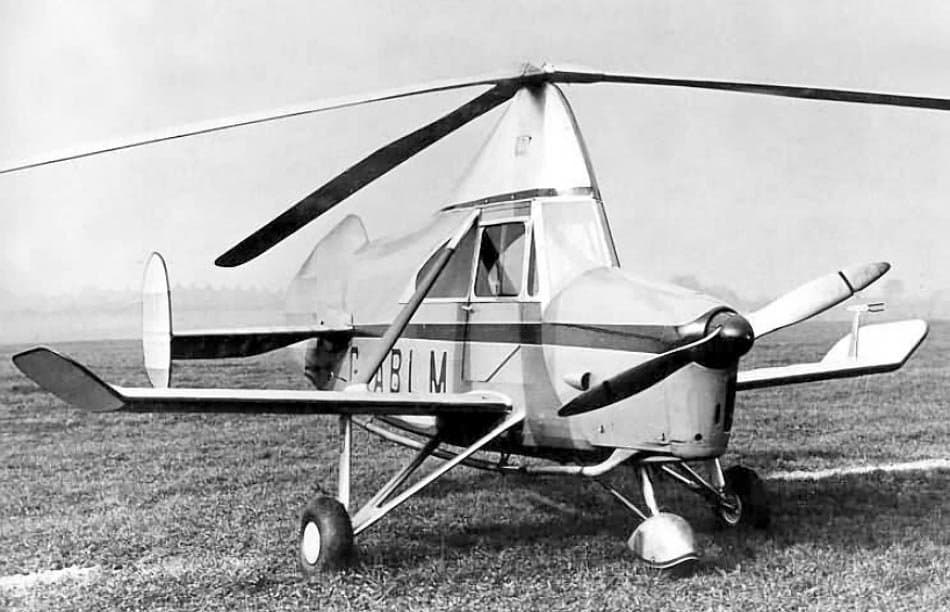
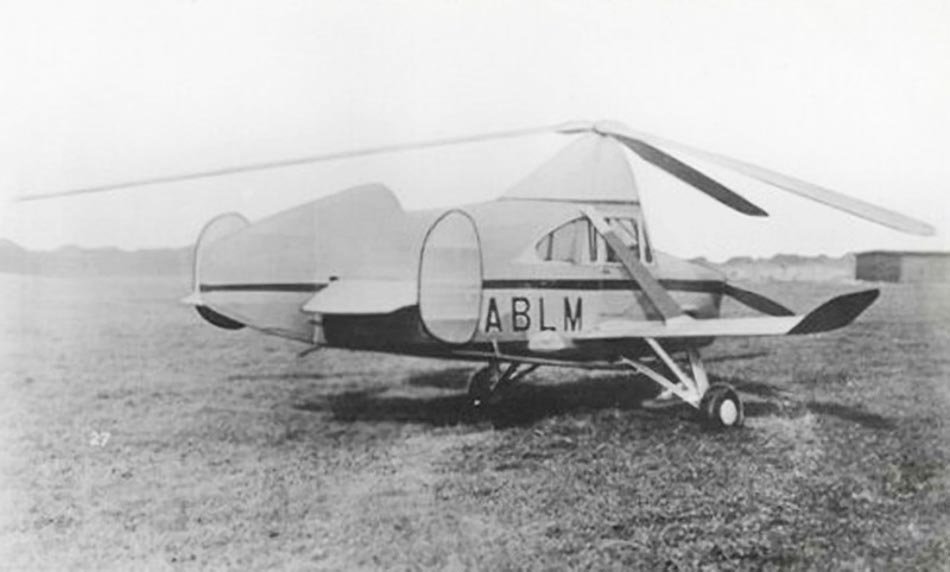
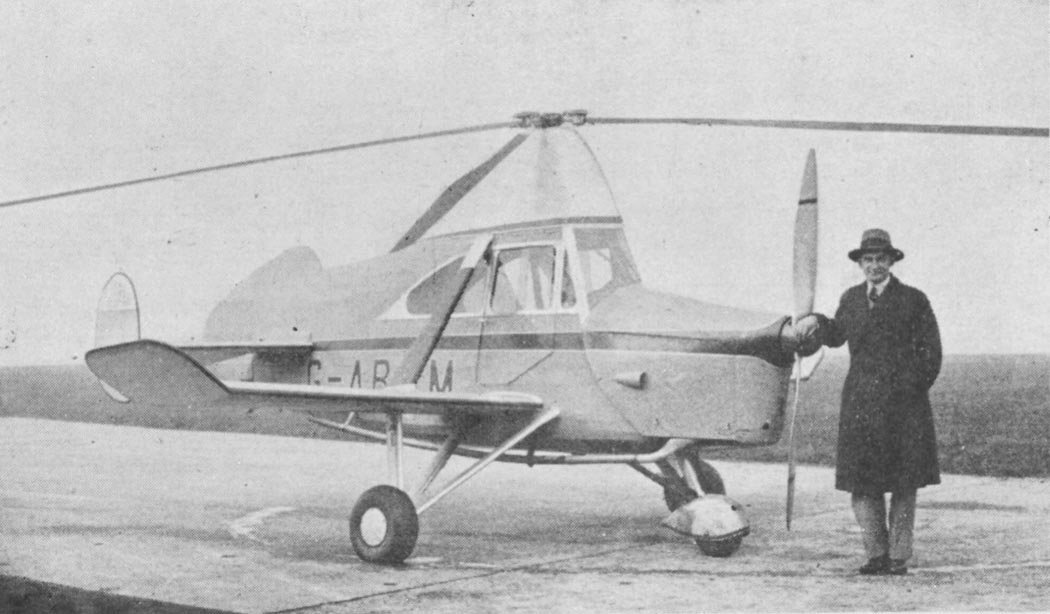
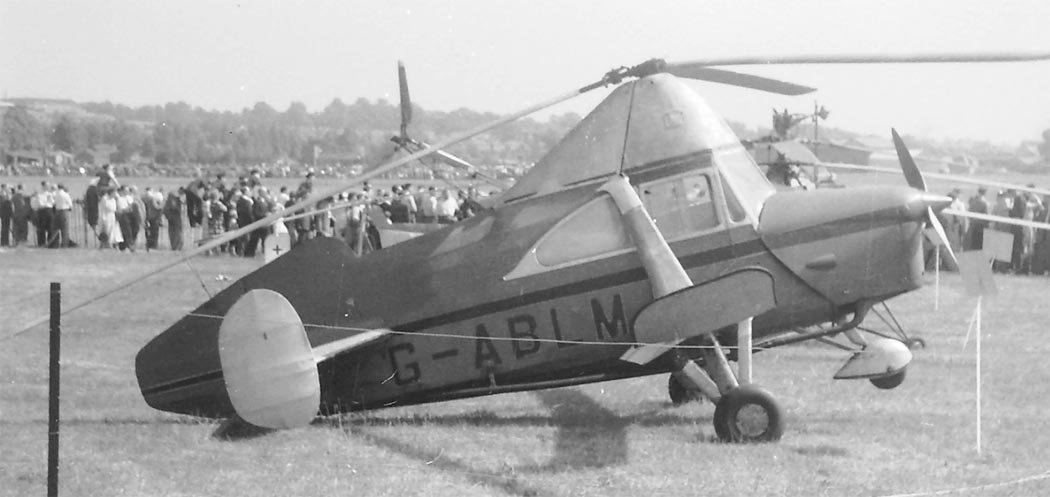
The C.24 was a light auxiliary autogyro developed by the Spanish-born engineer Juan de la Cierva (Cierva). Commissioned by the firm “De Havilland,” Cierva created this two-seater C.24 autogyro, which featured a rotor spin-up mechanism powered by the engine. It also included two further innovations: an enclosed cabin and a tricycle landing gear.
The cabin and the front part of the fuselage were taken from the light aircraft “De Havilland” DH 80A “Puss Moth.” The autogyro was equipped with an in-line, air-cooled “Gypsy” III engine, delivering 120 hp. The C.24 was built as a single example at the “De Havilland” factory in Stag Lane in 1931.
Development and Testing
During testing, the rotor hub was redesigned several times, and a fin, which was not originally present, was introduced. However, the machine could not be fully perfected and did not enter series production.
Subsequently, equipped with a two-bladed propeller, it received the new designation C.26. The restored C.24 is now exhibited in a museum in England.
Other Autogyros: The C.25
The C.25 was one of the smallest autogyros ever built. Constructed by Comper Aircraft, it took to the air in early 1933. Its fuselage was taken from a Comper Swift aircraft, but with modified tail empennage and low-set, shortened wings; this autogyro was equipped with a Pobjoy Niagara R engine with a power of 63 kW.
Technical Specifications
| Modification | S.24 |
| Wingspan, m | 4.40 |
| Main rotor diameter, m | 9.36 |
| Length, m | 5.46 |
| Height, m | 2.50 |
| Empty weight | 326 |
| Normal takeoff weight | 680 |
| Engine type | 1 de Hevilland Gipsy III Piston engine |
| Power, hp | 1 x 120 |
| Maximum speed, km/h | 196 |
| Cruising speed, km/h | 158 |
| Practical range, km | 400 |
| Crew | 2 |
Image and diagram gallery of the Cierva C.24 Autogyro
 C.24 |
 C.24 |
 C.24 |
 C.24 |
 C.24 |
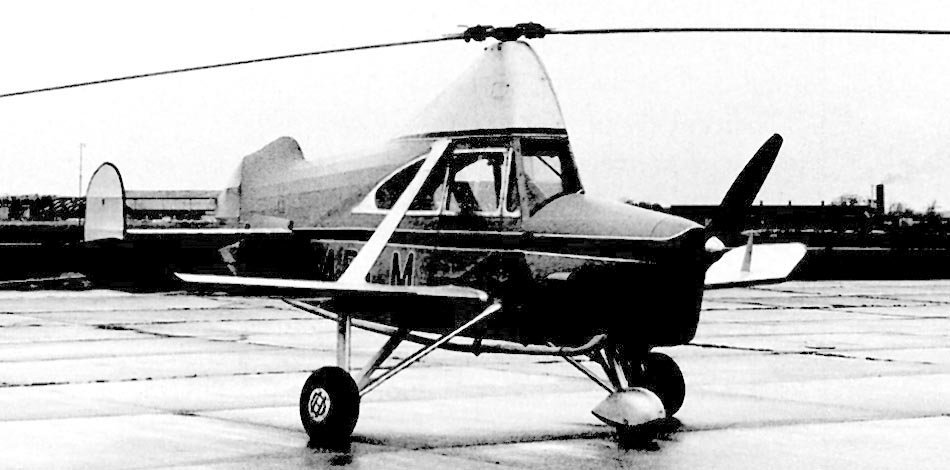 C.24 |
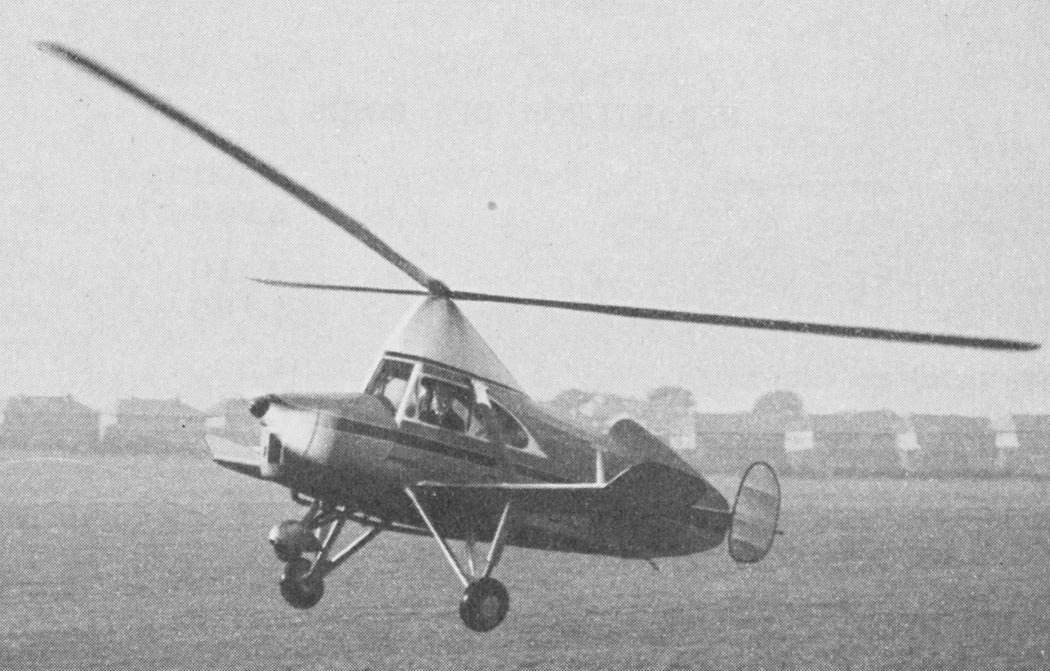 C.24 |
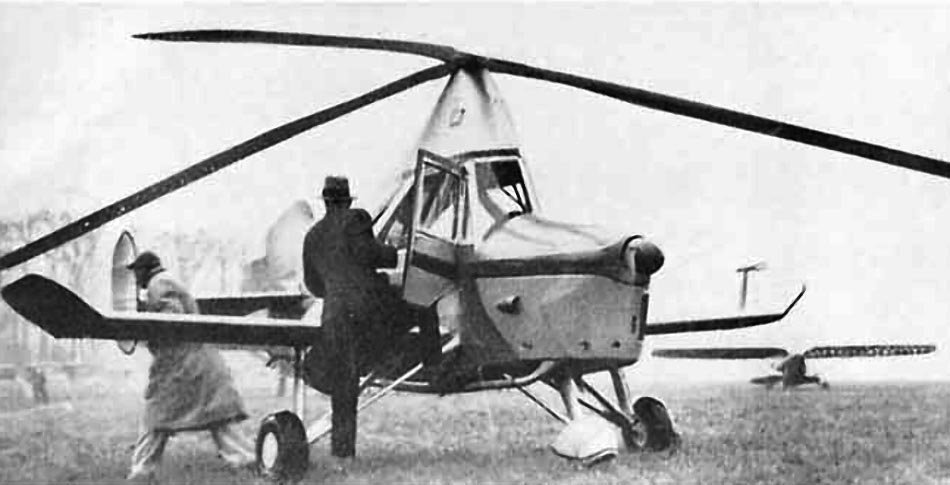 C.24 |
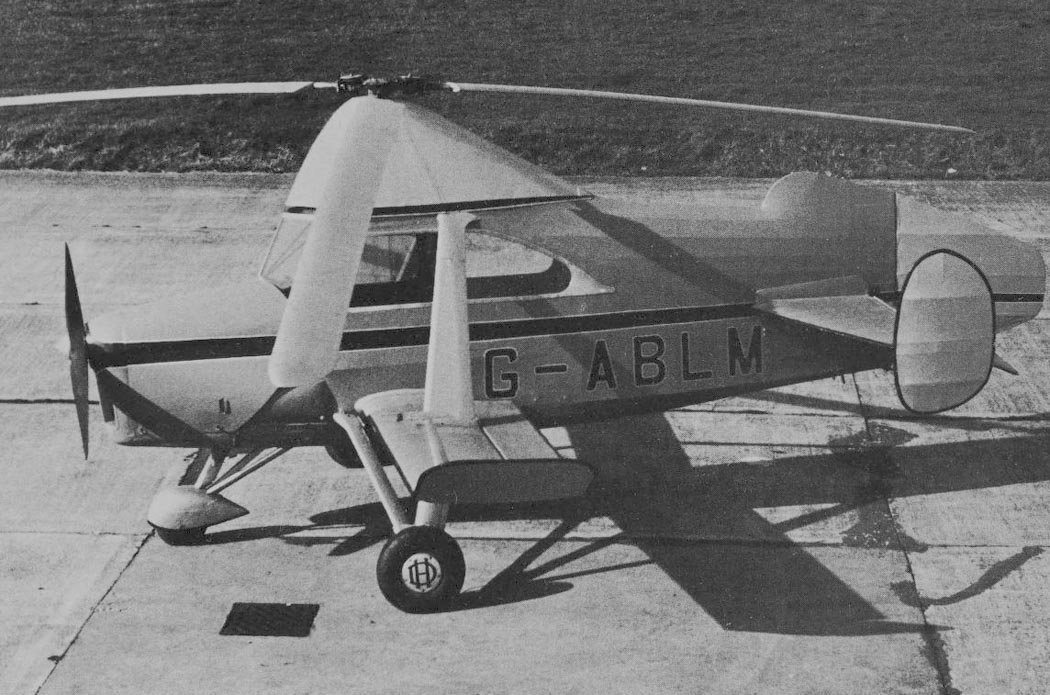 C.24 |
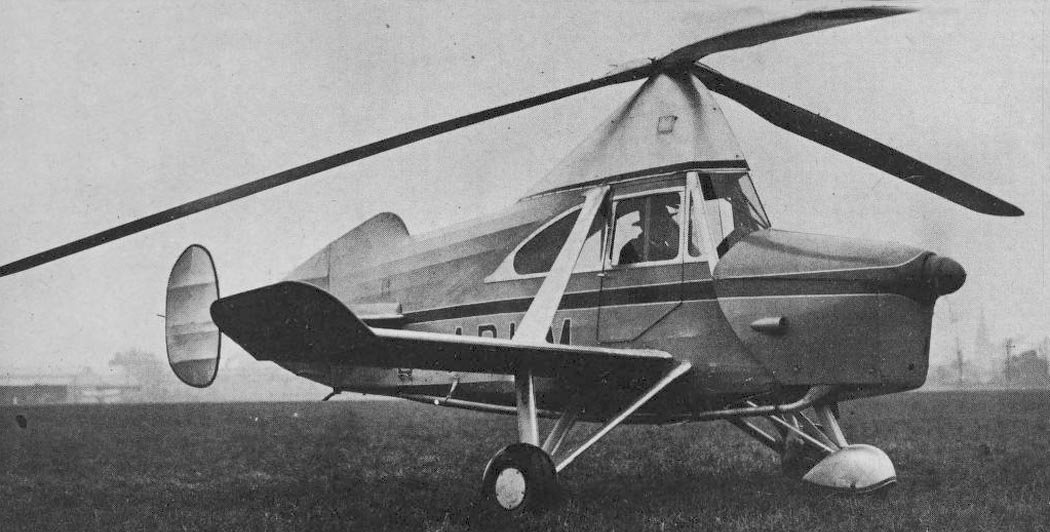 C.24 |
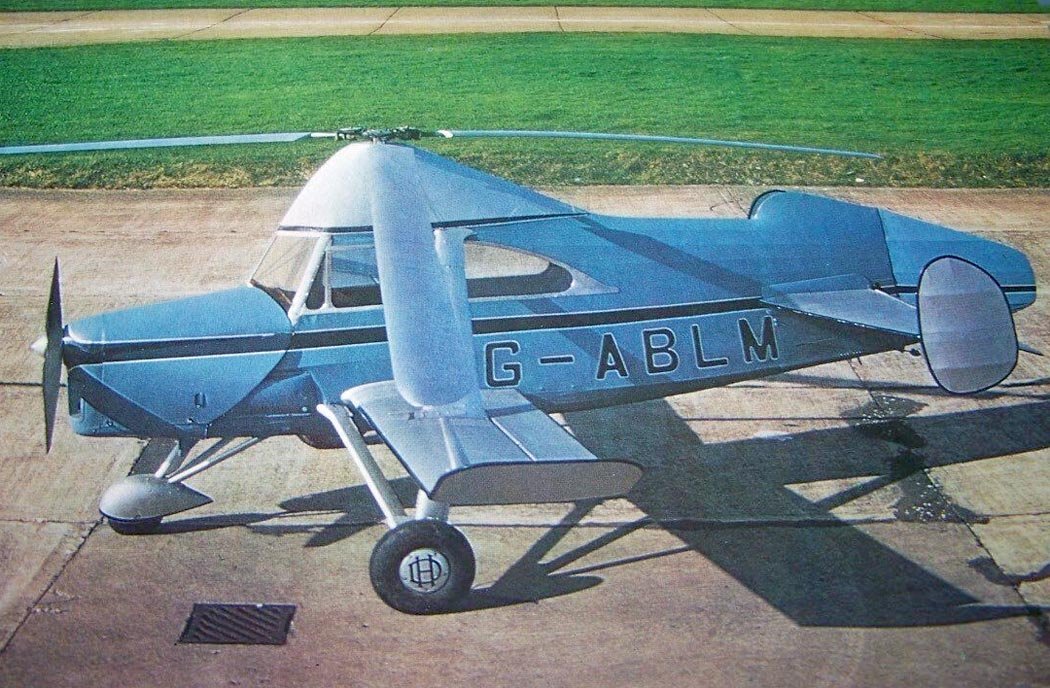 C.24 |
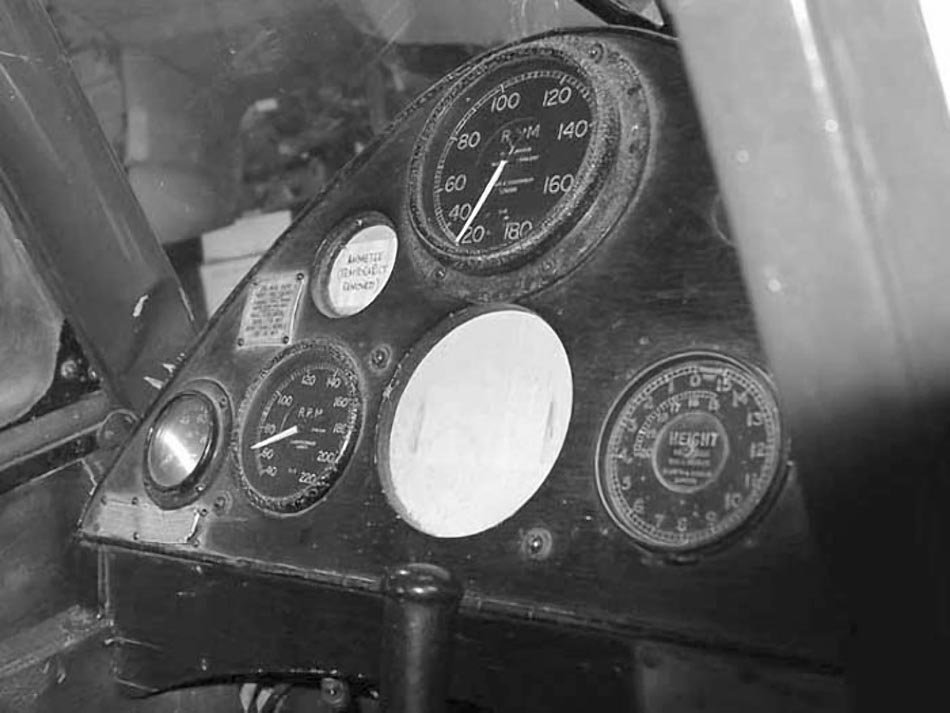 C.24 |
ArchivoAéreo Editorial Team
A group of aviation researchers and enthusiasts dedicated to documenting and preserving global aeronautical history. All articles are reviewed to ensure historical accuracy.
Sources & Accuracy
The information presented in this technical sheet has been compiled from declassified flight manuals, historical archives, and specialized literature. While we strive for maximum accuracy, some performance data may vary depending on the specific variant or operational conditions.