 HelicopterES
CarterCopter
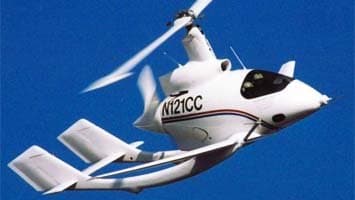
Discover the CarterCopter, a revolutionary autogyro developed by Jay Carter Jr. that pushes vertical flight speed and efficiency boundaries.
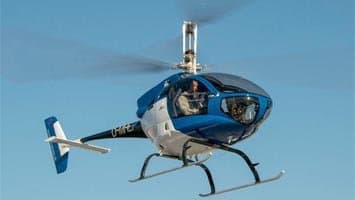
During the Aero Friedrichshafen 2015 exhibition, the German company EDM Aerotec GmbH showcased its light helicopters CoAX 2D/2R. The company was founded in 2011, and in July of that year, construction began on its facilities in the Geisledener industrial area, located between Kassel and Erfurt. The construction, covering 2400 m² of production space, was completed in four months, and the premises became operational a year later. Today, 22 employees are involved in developing two models of two-seater helicopters: classic (CoNV 2D/2R) and coaxial schemes (CoAX 2D/2R).
While design continues, the company generates revenue by repairing machinery and equipment. The original project name was FLIP 2 (Fly In Perfection). The CoAX 2D prototype’s first flight took place in 2012.
The CoAX 2D/2R helicopters fall into the UL category (European Class 6 microlight helicopter), designed with a maximum takeoff weight (MTOW) of 450 kg. Both helicopters are maximally unified, meaning the power frame, cockpit, and instrument equipment are identical.
The main difference lies in the powerplant. The CoAX 2D uses a Belgian six-cylinder, four-stroke, injected 125 hp D-Motor LF39 engine. In contrast, the CoAX 2R is equipped with a four-cylinder Rotax 912UL engine delivering 100 hp.
The helicopters also differ in their rotor systems and transmissions. On the CoAX 2D, the drive rotates counter-rotating blade pairs. On the CoAX 2R, the powerplant drives a two-bladed main rotor and a tail rotor on the tail boom.
Carbon composites are widely used in the construction. These materials form the frame rods supporting the powerplant, the springs, and the blades of the main and tail rotors. Both models are very similar in their flight-technical characteristics, although, according to the latest data, the 2R variant has been discontinued. Designers anticipate less noise from the coaxial design, but other expected advantages and disadvantages will be known after flight tests.
| Modification | CoAX 2D |
| Main rotor diameter, m | 6.50 |
| Empty weight | 283 |
| Maximum takeoff weight | 450 |
| Fuel, l | 48 |
| Engine type | 1 Piston engine D-Motor LF39 |
| Power, hp | 1 x 125 |
| Maximum speed, km/h | 170 |
| Practical range, km | 150 |
| Crew, crew members | 2 |
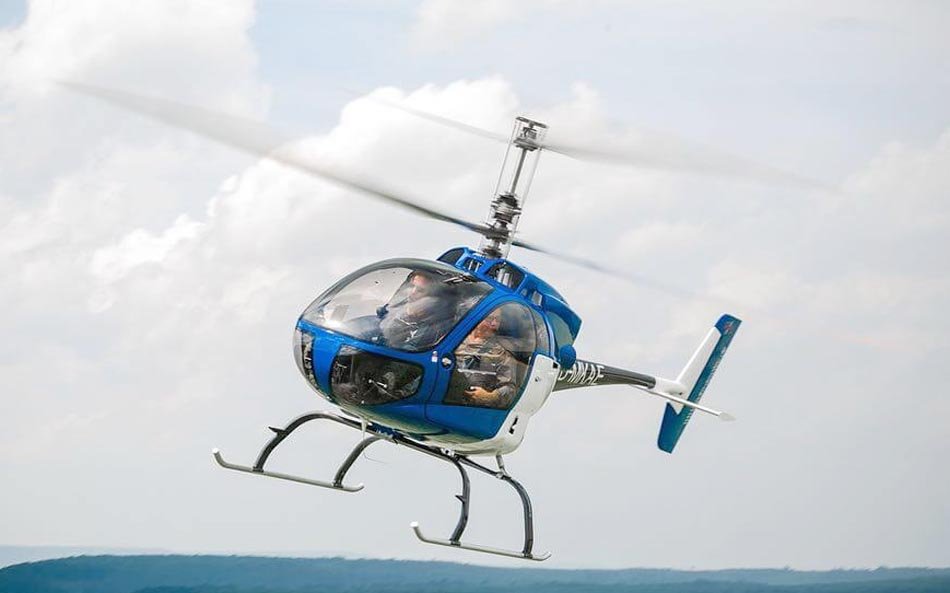 CoAX 2D |
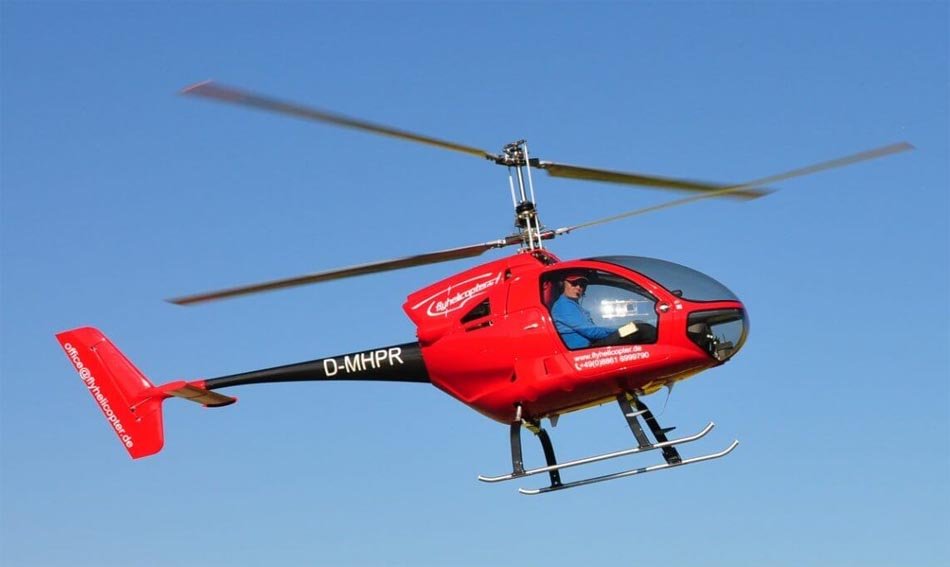 CoAX 2D |
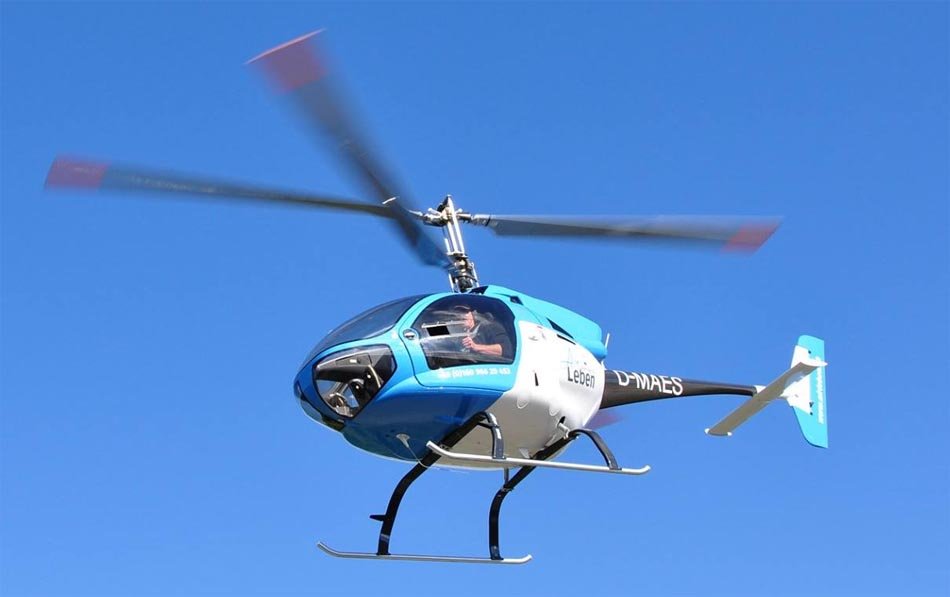 CoAX 2D |
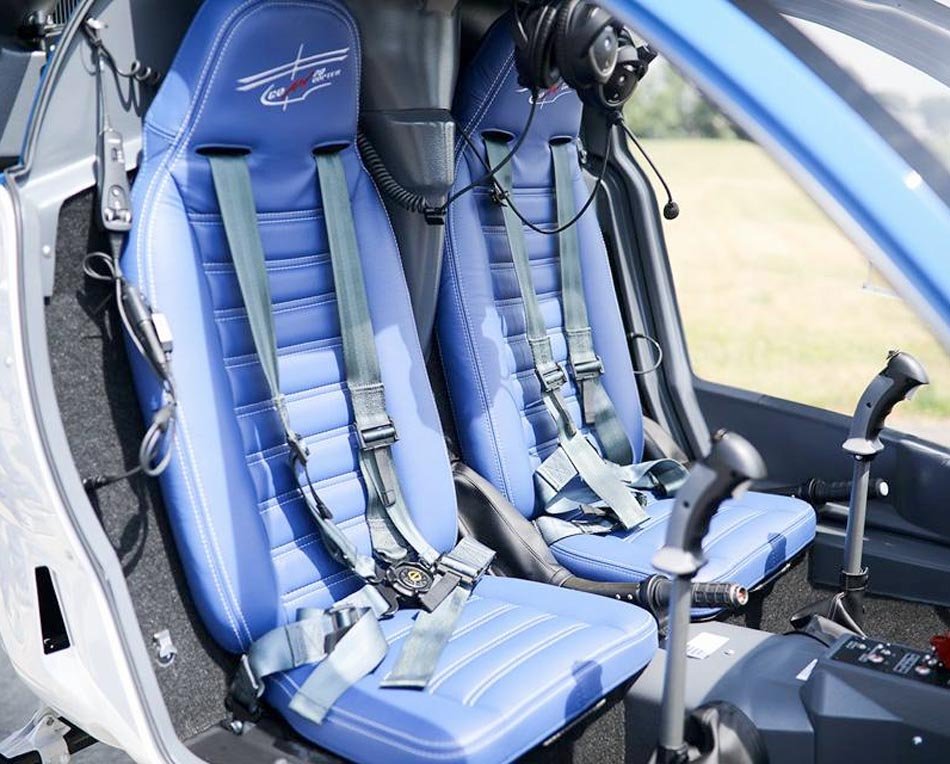 CoAX 2D |
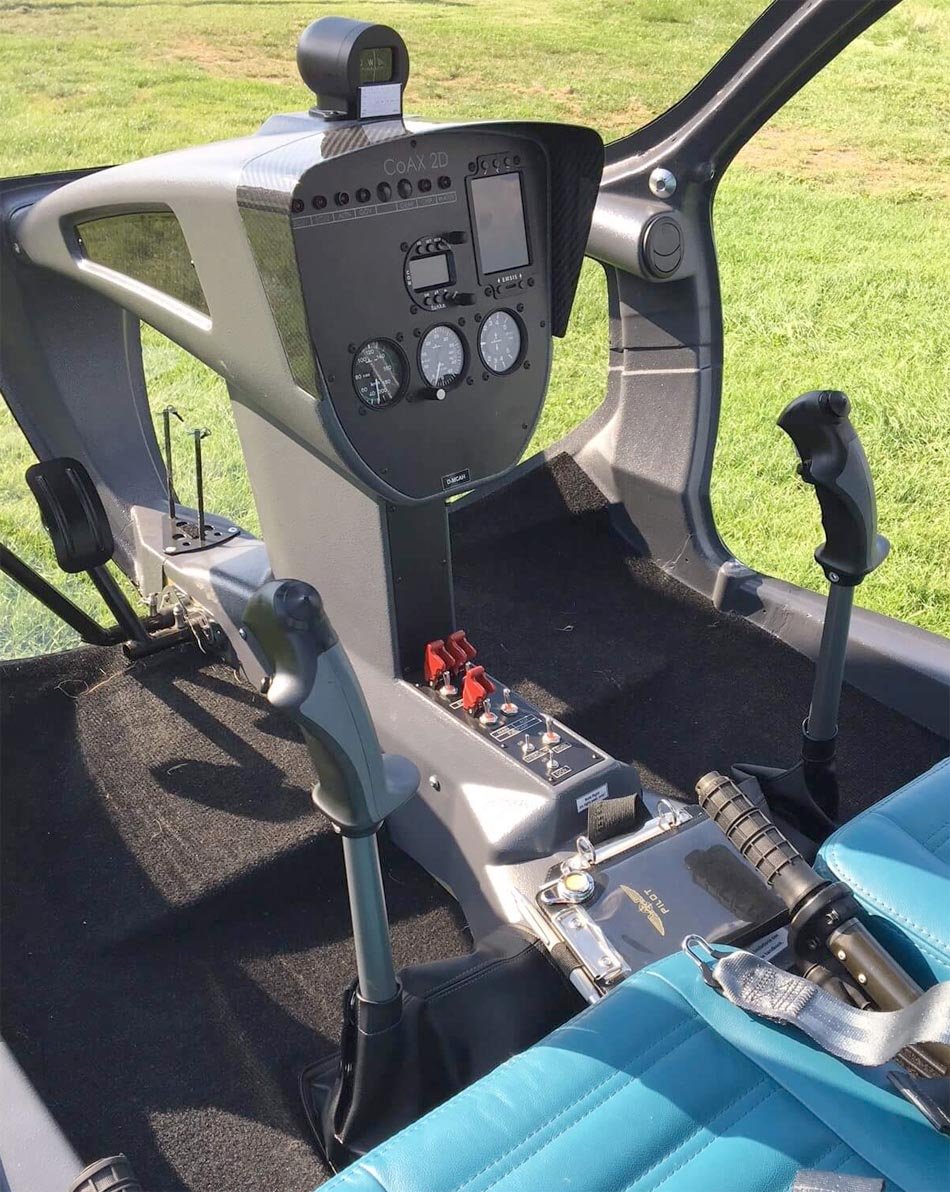 CoAX 2D |
A group of aviation researchers and enthusiasts dedicated to documenting and preserving global aeronautical history. All articles are reviewed to ensure historical accuracy.
The information presented in this technical sheet has been compiled from declassified flight manuals, historical archives, and specialized literature. While we strive for maximum accuracy, some performance data may vary depending on the specific variant or operational conditions.
HelicopterESDiscover the CarterCopter, a revolutionary autogyro developed by Jay Carter Jr. that pushes vertical flight speed and efficiency boundaries.