CP-110
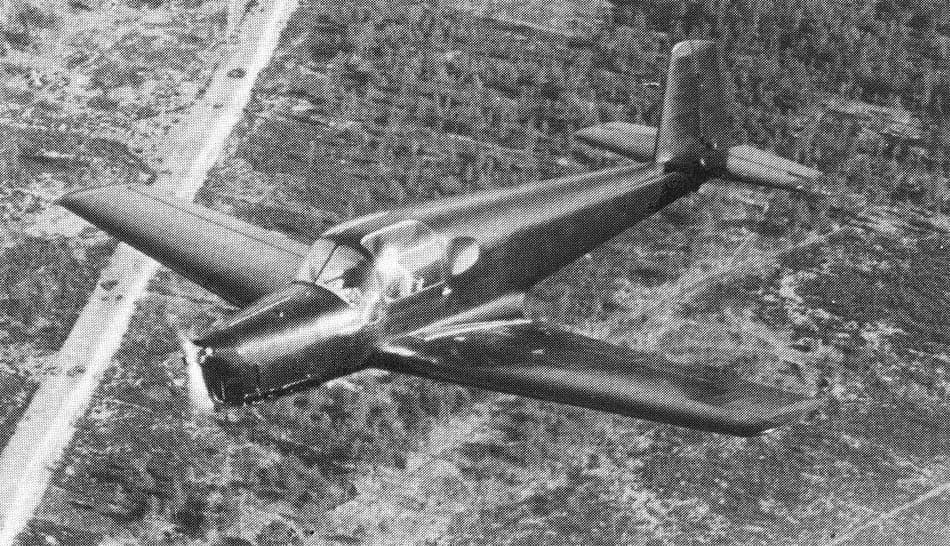
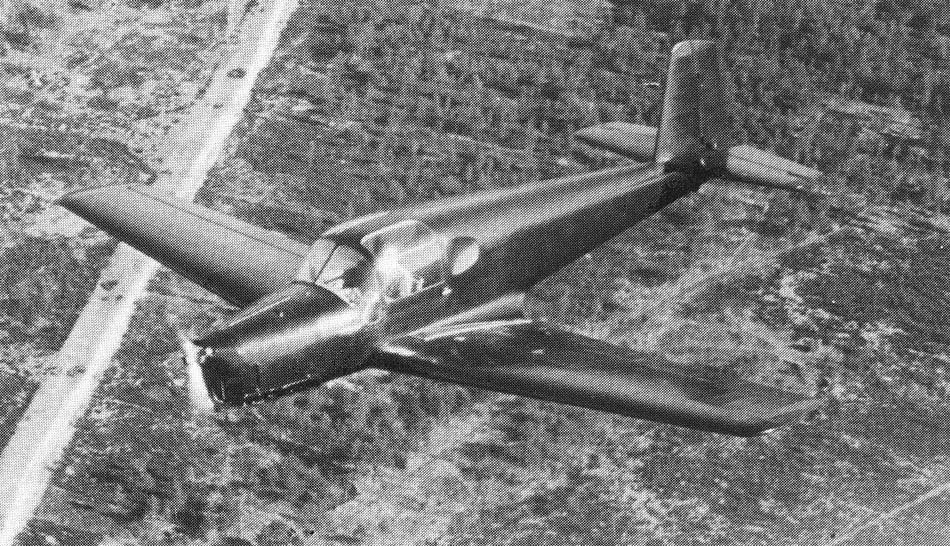
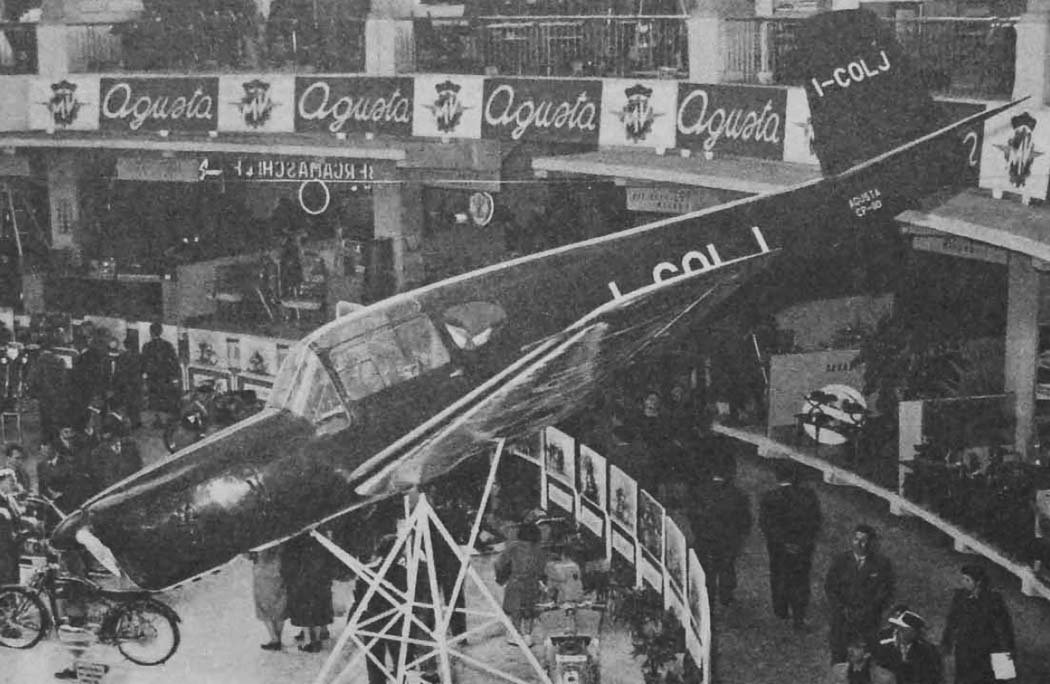
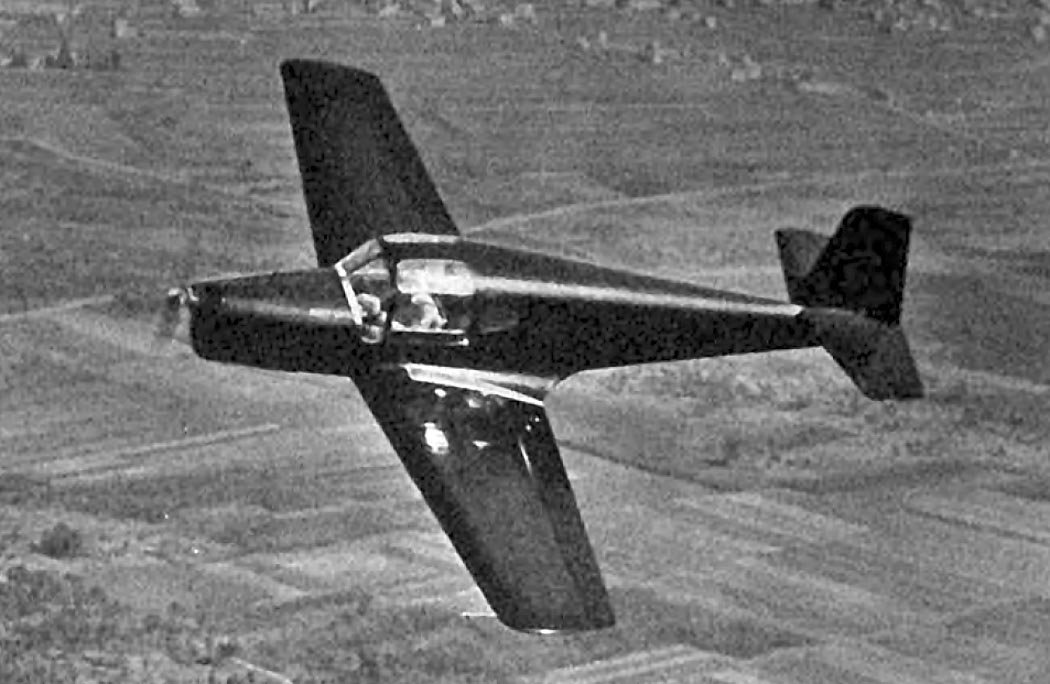
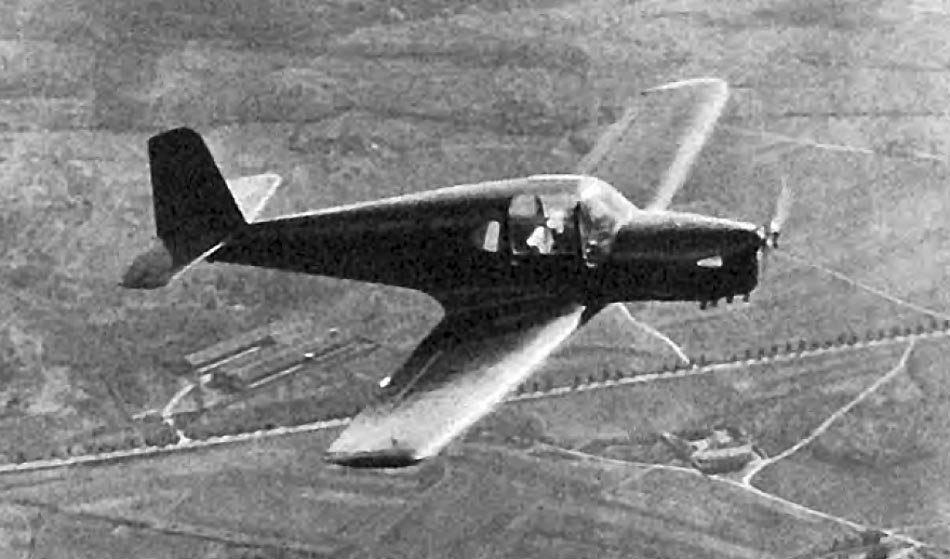
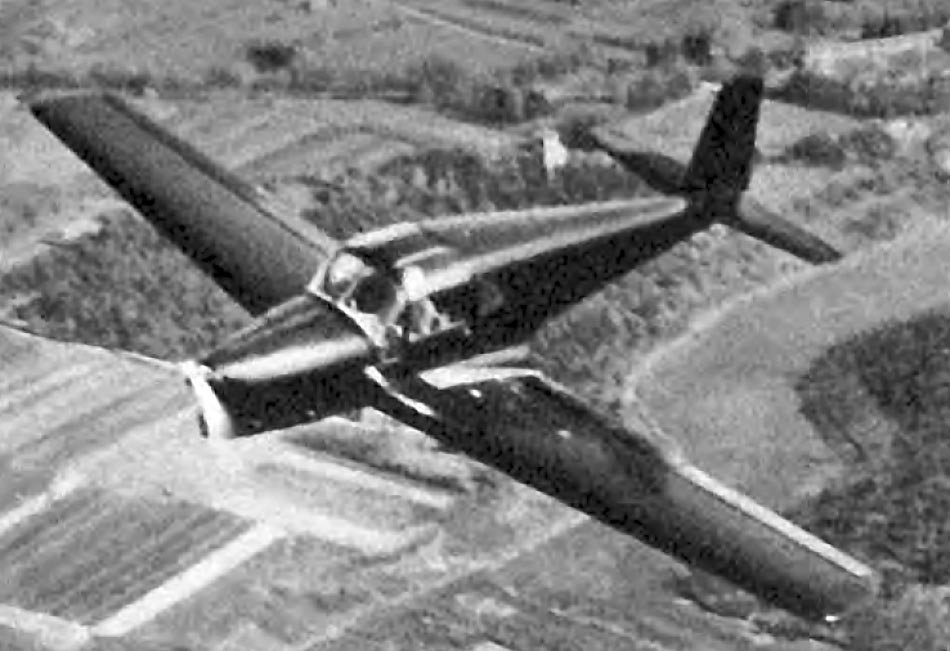
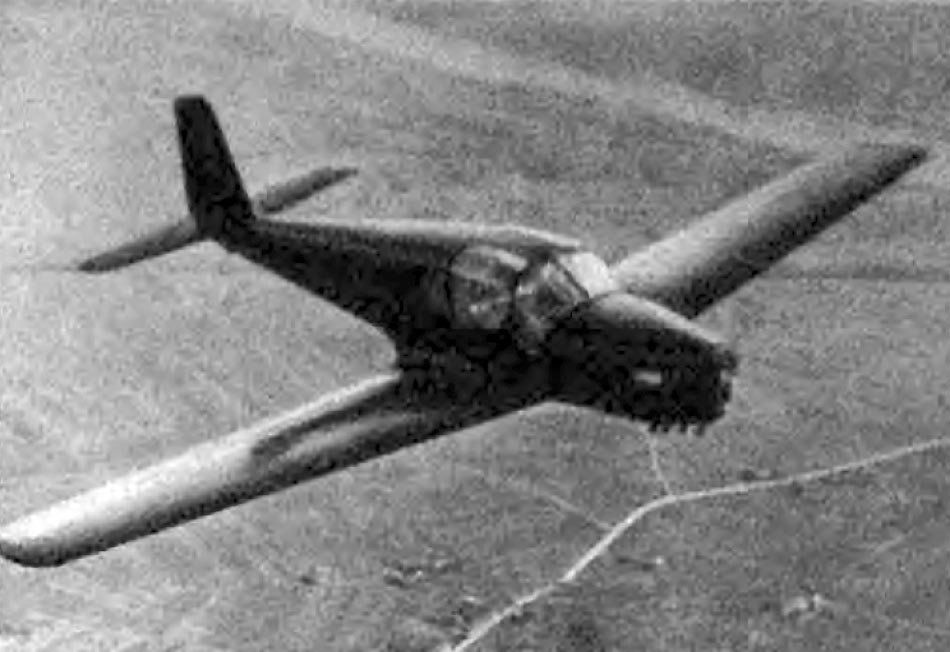
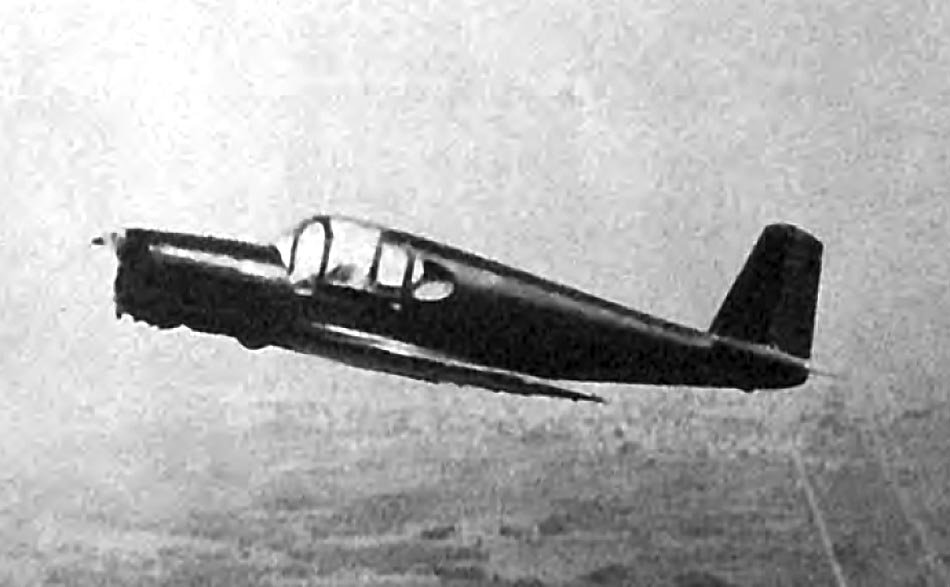
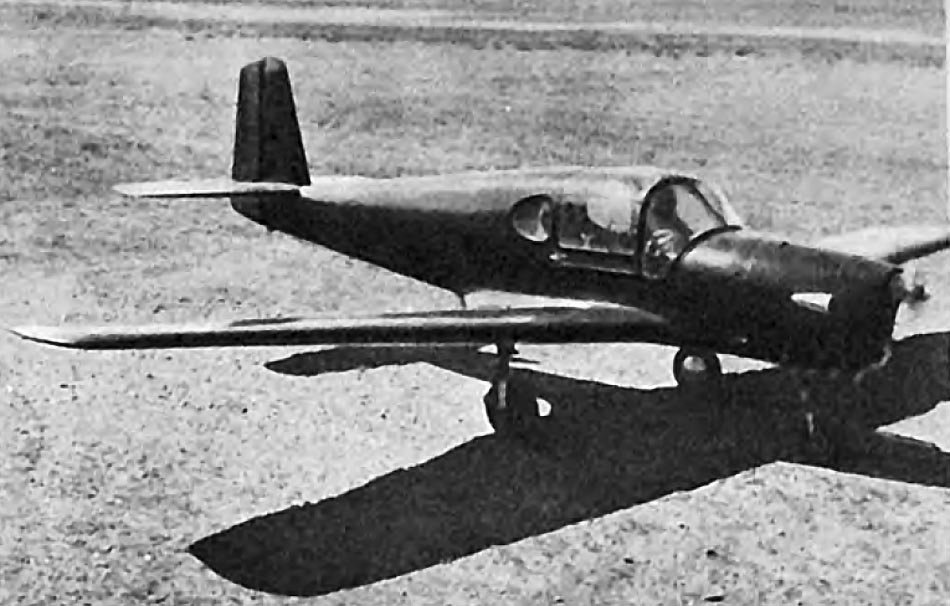
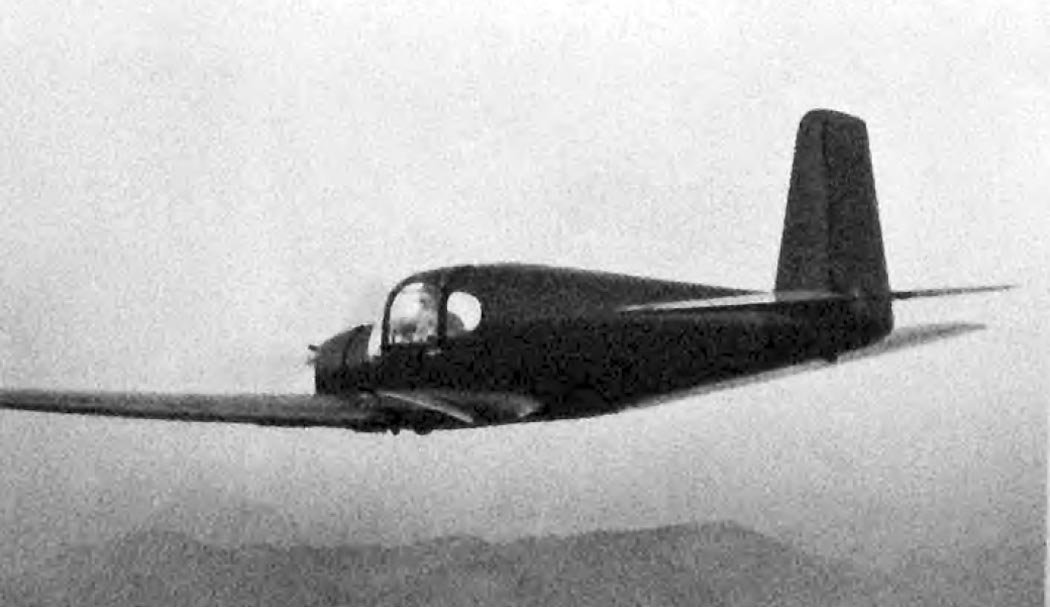
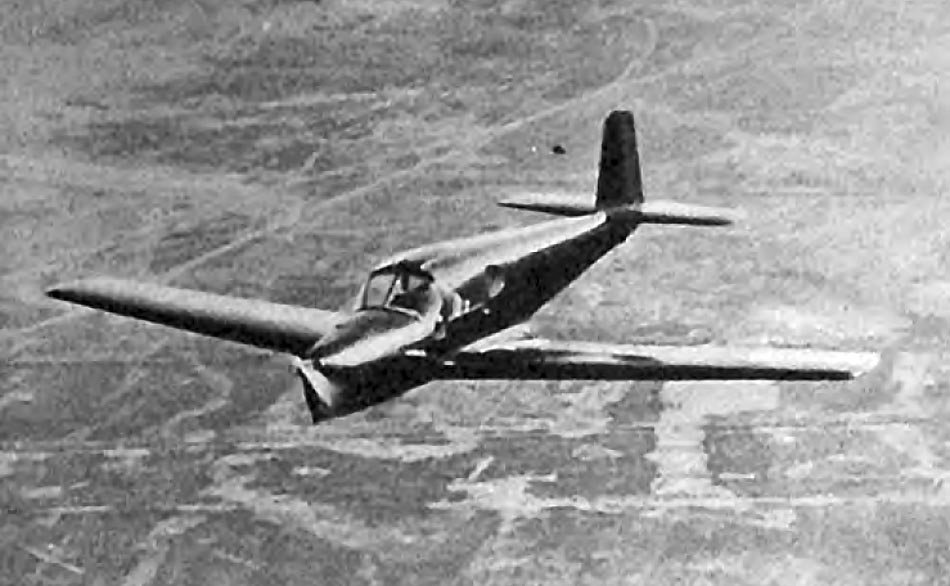
In 1951, Agusta developed a light four-seater aircraft, hoping it would find both military and civilian applications. The CP-110 prototype, also known as the Preti P.110 or Politecnico P.110, was created in the experimental workshops of the Milan Technical School.
Design and Structure
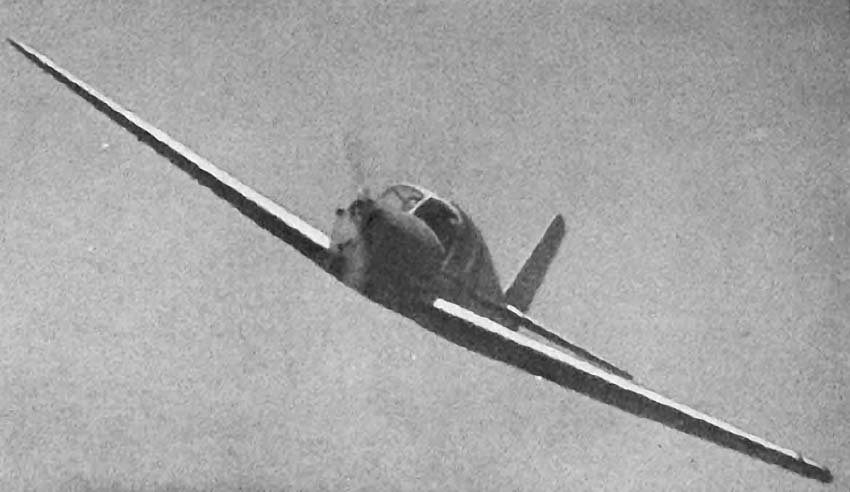
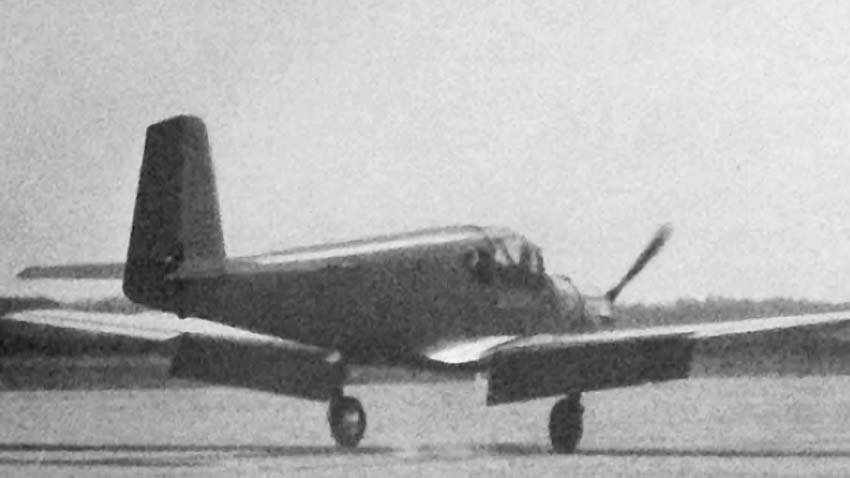
The all-wood CP-110, with its plywood skin, was a conventional low-wing monoplane featuring retractable tricycle landing gear. The pilot and three passengers were accommodated in an enclosed cabin with separate front seats, dual controls, and a rear seat for two passengers.
Powerplant
The powerplant consisted of an inverted (cylinder heads facing down) air-cooled Alfa Romeo 110ter inline engine.
Operational Evaluation
Following a series of test flights, the CP-110 was evaluated by the Italian Air Force at the Guidonia test center, near Rome.
Technical Specifications
| Modification | CP-110 |
| Wingspan, m | 10.60 |
| Length, m | 7.30 |
| Empty weight | 680 |
| Maximum takeoff weight | 1100 |
| Engine type | 1 Piston engine Alfa Romeo 110ter |
| Power, hp | 1 x 145 |
| Maximum speed, km/h | 275 |
| Cruising speed, km/h | 240 |
| Practical range, km | 1000 |
| Crew | 1 |
| Payload | 3 passengers |
Image gallery of the CP-110