Cukurs C-1 and C-2
In 1921, Herberts Cukurs joined the Latvian aviation regiment. He dedicated all his free time outside of service to building a light aircraft of his own design. A little later, Cukurs was transferred to the naval aviation unit in Liepāja, where he moved his unfinished aircraft.
Only in 1925 was the light multi-purpose aircraft Cukurs C-1 able to take to the air. It was a wooden single-seat cantilever low-wing monoplane, equipped with a 988 cc, 12 hp Harley-Davidson motorcycle engine. Cukurs made over a hundred flights with it until 1926.
Transformation into the Cukurs C-2
He then handed the machine over to his friend, Lieutenant Kārlis Konstants, for its conversion into a two-seater. In addition to installing a second cockpit, Konstants also replaced the motorcycle engine with an aviation engine (an Anzani with 25 hp).
The result was practically a new aircraft, which was designated Cukurs C-2. The aircraft flew regularly until 1932, but then it crashed. Konstants repaired and again modernized the aircraft, reinforcing its structure and installing a 45 hp Anzani engine.
The “Peka-Peka” Takes Flight
Nicknamed “Peka-Peka,” the modernized C-2 flew for several more years.
Technical Specifications
| Modification | C-1 |
| Wingspan, m | 13.20 |
| Length, m | 6.50 |
| Wing area, m2 | 14.00 |
| Empty weight | 200 |
| Maximum takeoff weight | 290 |
| Engine type | 1 Piston engine Harley-Davidson 988 |
| Power, hp | 1 x 12 |
| Maximum speed, km/h | 70 |
| Crew | 1 |
Image and diagram gallery of the Cukurs C-1 and C-2
 C-1(2) |
 C-1(2) |
 C-1(2) |
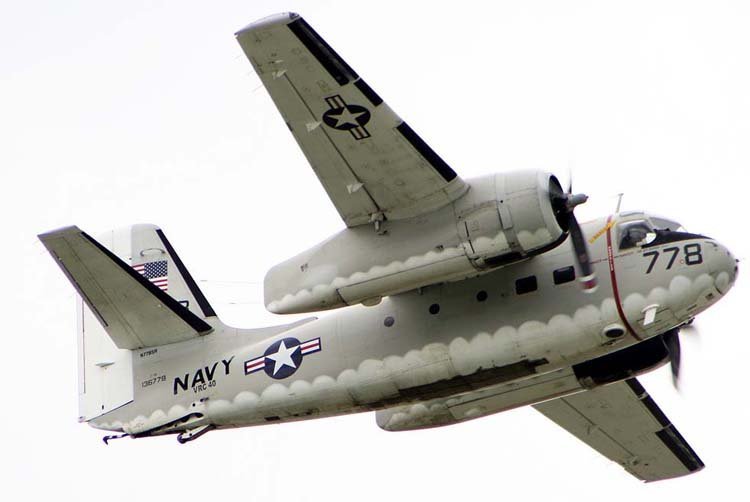 C-1(2) |
 C-1(2) |
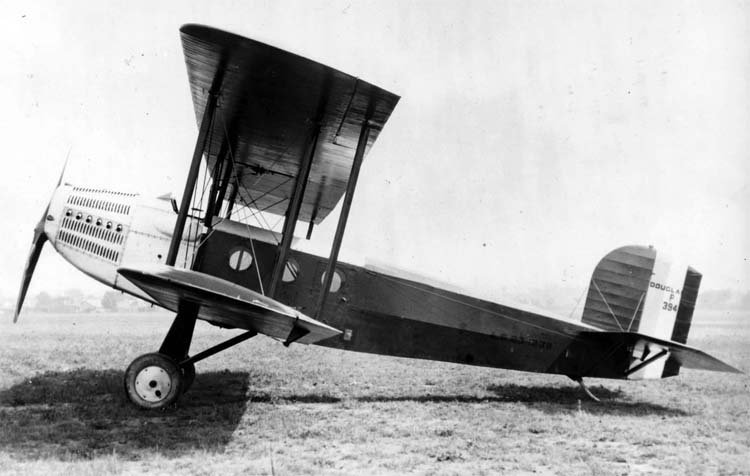 C-1(2) |
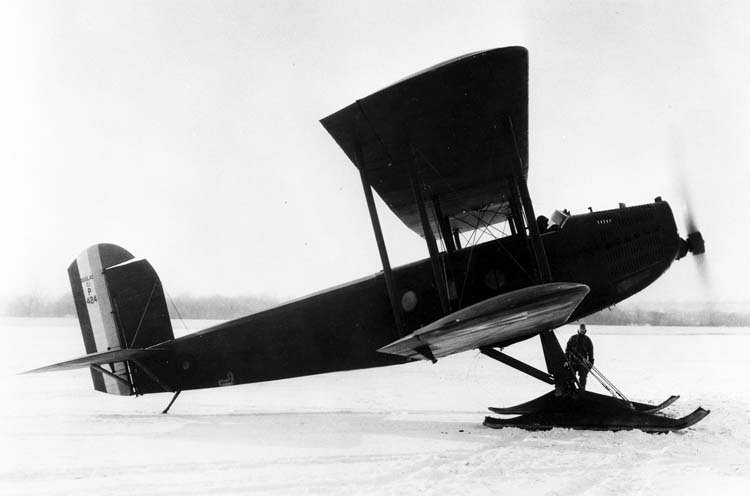 C-1(2) |
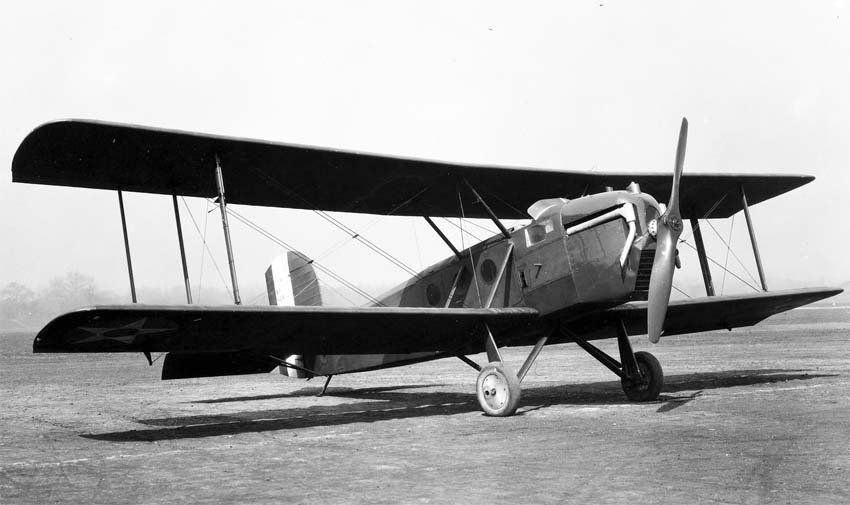 C-1(2) |
ArchivoAéreo Editorial Team
A group of aviation researchers and enthusiasts dedicated to documenting and preserving global aeronautical history. All articles are reviewed to ensure historical accuracy.
Sources & Accuracy
The information presented in this technical sheet has been compiled from declassified flight manuals, historical archives, and specialized literature. While we strive for maximum accuracy, some performance data may vary depending on the specific variant or operational conditions.