Curtiss XC-10 Robin W
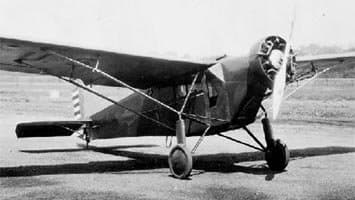
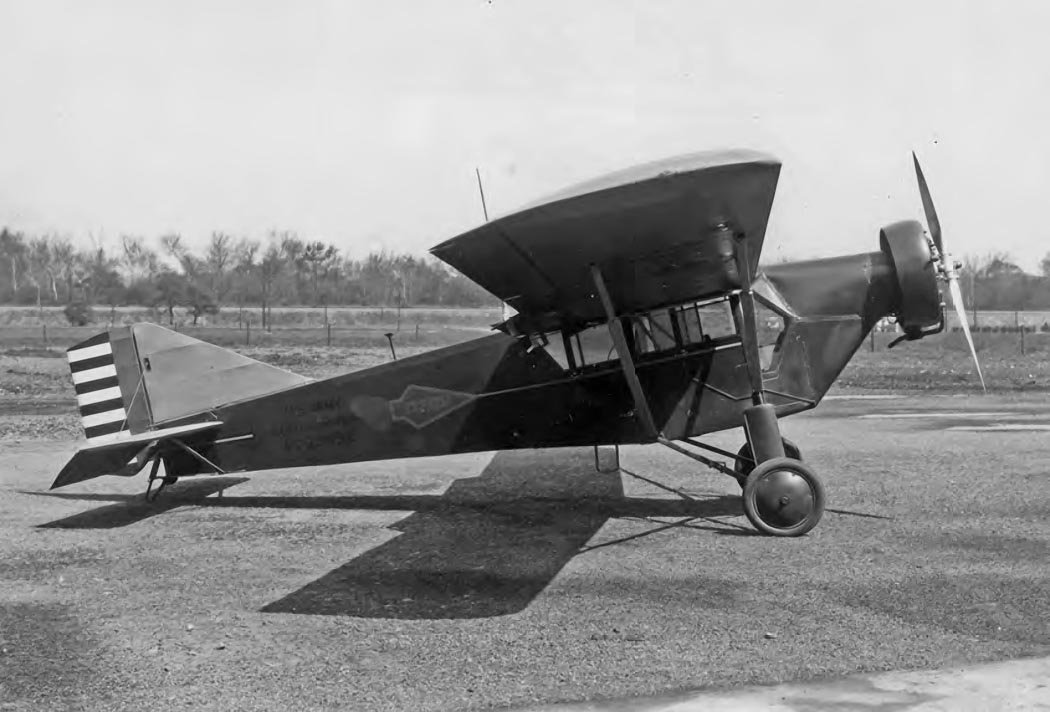
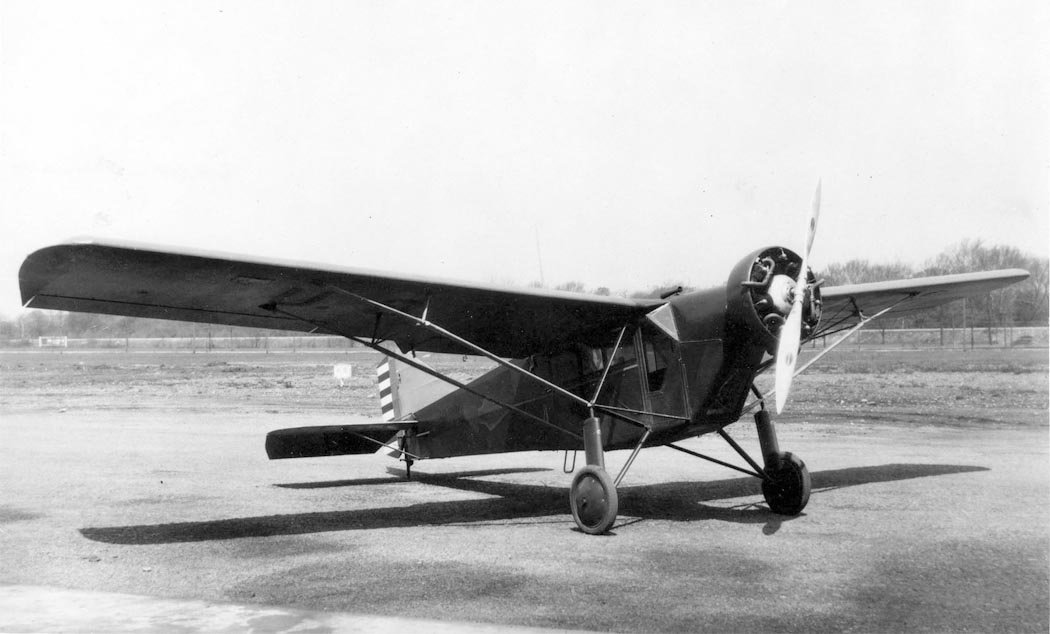
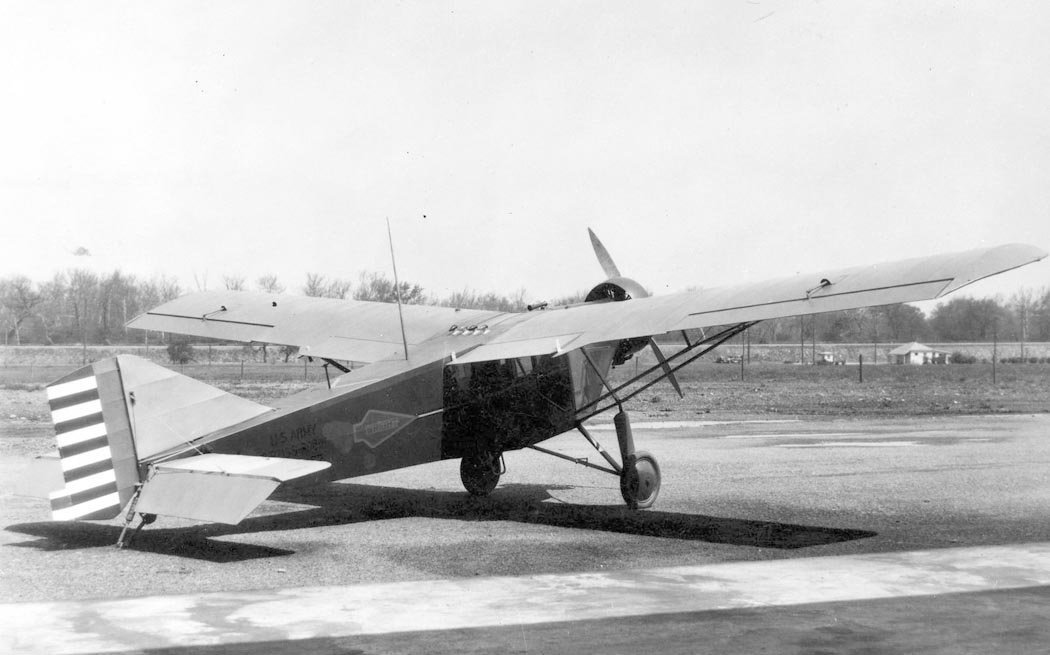
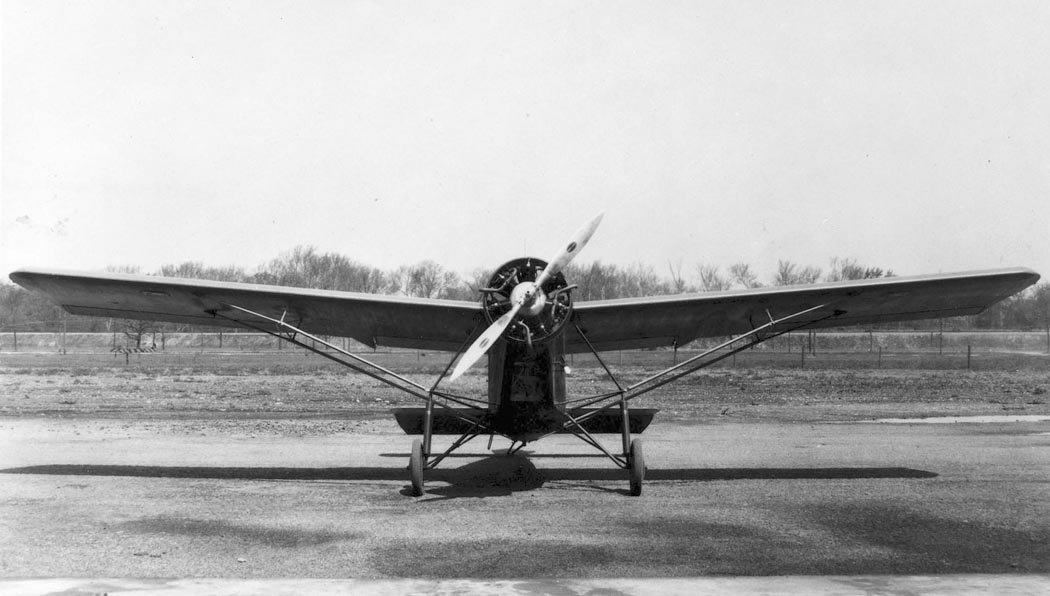
In 1929, the US Army Air Corps acquired a single Curtiss Model 50J Robin W light aircraft, intended for use as a light transport. Although it received the military designation Curtiss XC-10 (serial number 29-452), the aircraft never flew for its primary intended purpose.
Instead, the XC-10 was utilized as part of a cutting-edge radio-controlled flight test program. To facilitate these experiments, the aircraft underwent several modifications, including moving the engine slightly forward, altering the wing incidence by 4.5 degrees, and incorporating a radio transmitter linked to flight control servos.
Pioneering Remote Control Flight
Between 1929 and 1930, the XC-10 successfully completed approximately one hundred flights. The invaluable experience garnered from these tests proved instrumental in the subsequent development of the Air Corps’ first target drones, laying the groundwork for future unmanned aerial vehicles.
Legacy in UAV Development
The aircraft’s designation was later changed to ZC-10. The innovative work conducted with the XC-10 provided foundational knowledge for remote control technology, directly influencing the evolution of military aviation’s unmanned capabilities.
Technical Specifications
| Modification | XC-10 |
| Wingspan, m | 12.50 |
| Aircraft length, m | 7.65 |
| Wing area, m2 | 28.80 |
| Empty weight | 676 |
| Maximum takeoff weight | 1111 |
| Engine type | 1 Piston engine Warner R-420–1 Scarab 7 |
| Power, hp | 1 x 110 |
| Maximum speed, km/h | 145 |
| Cruising speed, km/h | 113 |
| Practical range, km | 483 |
| Practical ceiling, m | 3858 |
| Crew | 1 |
Image and diagram gallery of the Curtiss XC-10 Robin W
 C-10 |
 C-10 |
 C-10 |
 C-10 |
 C-10 |
ArchivoAéreo Editorial Team
A group of aviation researchers and enthusiasts dedicated to documenting and preserving global aeronautical history. All articles are reviewed to ensure historical accuracy.
Sources & Accuracy
The information presented in this technical sheet has been compiled from declassified flight manuals, historical archives, and specialized literature. While we strive for maximum accuracy, some performance data may vary depending on the specific variant or operational conditions.