Fiat BR Series Bombers
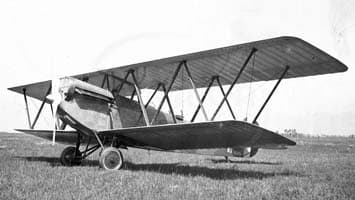
In 1918, engineer Celestino Rosatelli began working in the design bureau of Societa Italiana Aviazione (S.I.A.), which was the aircraft manufacturing division of the industrial giant Fiat. His first assignment was to create the S.I.A.9 reconnaissance aircraft, on which great hopes were placed. Unfortunately, it proved to be insufficiently reliable.
The new project was the BR (Bombardiere Rosatelli) light bomber, a biplane design that appeared in 1919. By this time, the S.I.A. name had been replaced by Fiat. In April 1919, the BR aircraft set several world records, lifting three passengers (despite being a two-seater) to an altitude of 7240 m and achieving a speed of 270 km/h with one passenger.
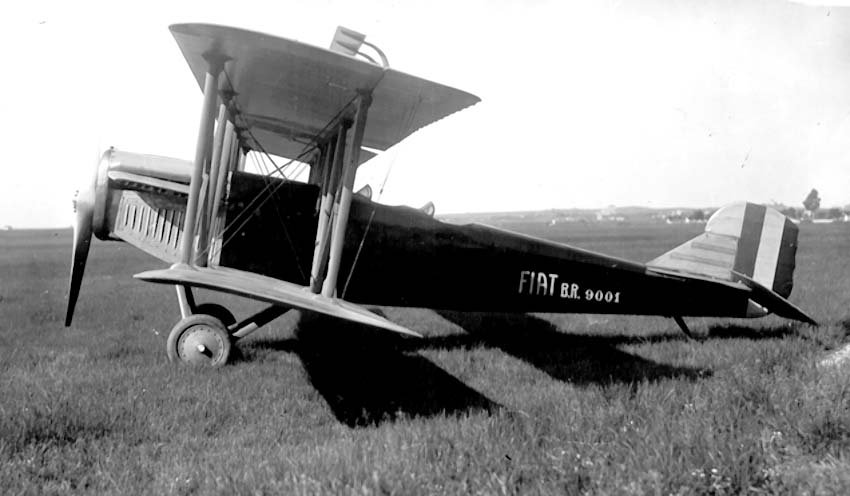
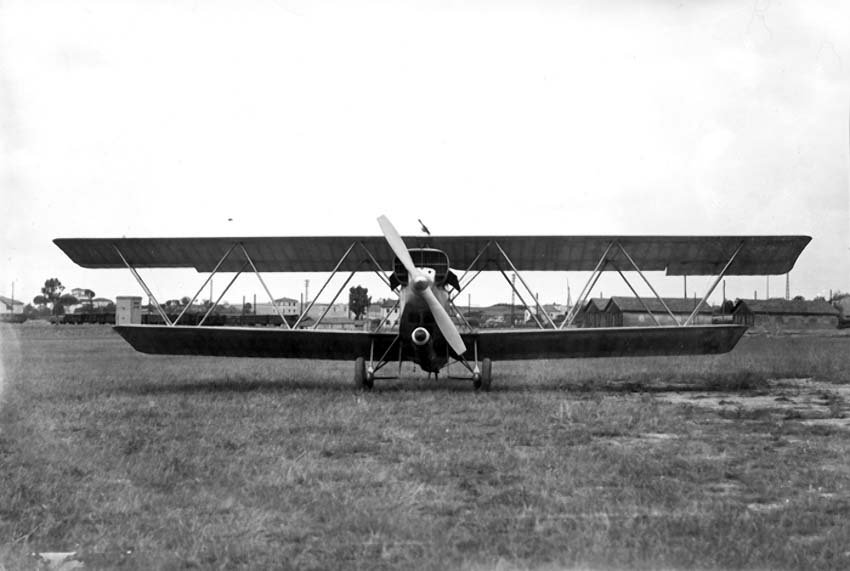
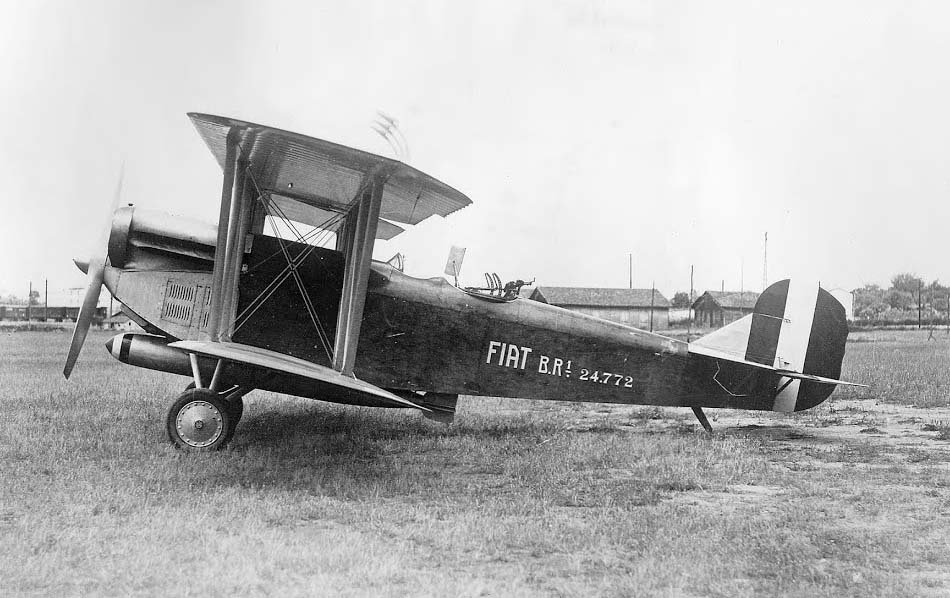
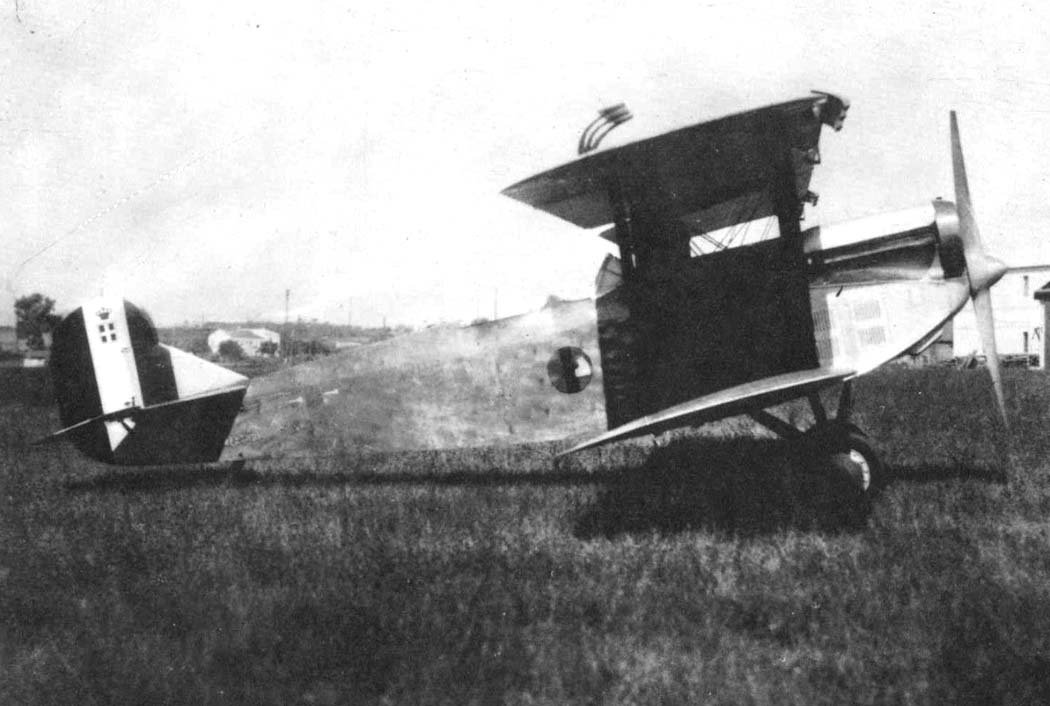
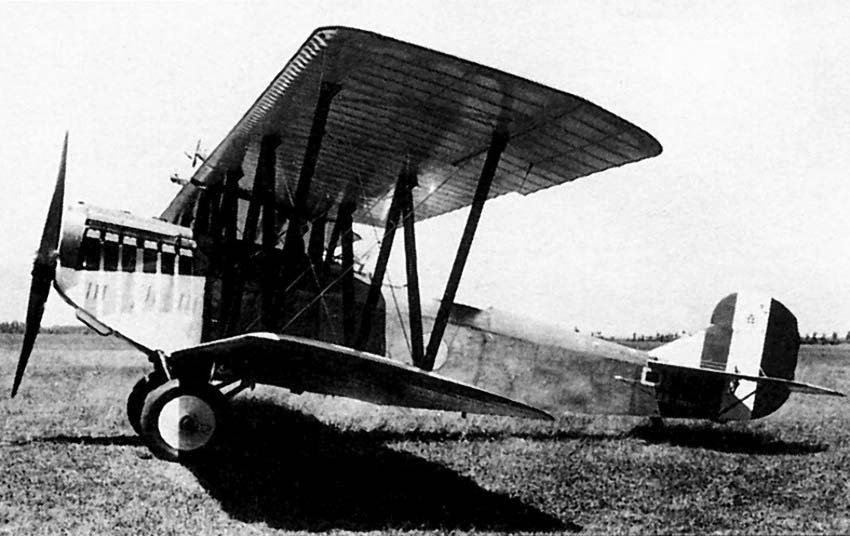
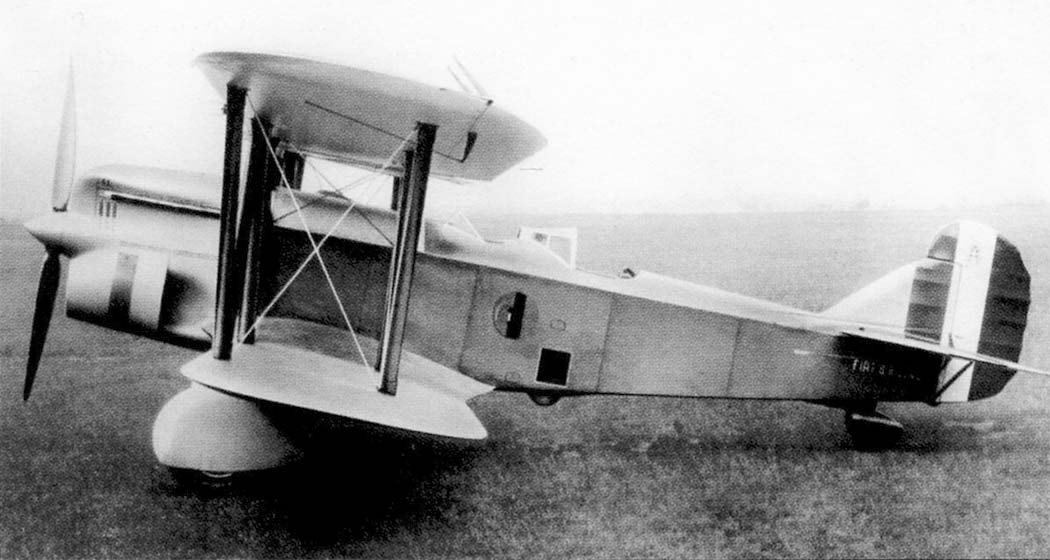
The BR bomber successfully passed operational tests at the Montecello test center in 1922 and entered serial production. Compared to the S.I.A.9 model, the BR had more refined contours and a robust structure. The two-section fuselage design of the predecessor aircraft was retained, but the BR’s wing structure was modified and significantly reinforced; a new tail unit design was used, whose fin and rudder outlines became a characteristic feature of Rosatelli’s projects for the next decade.
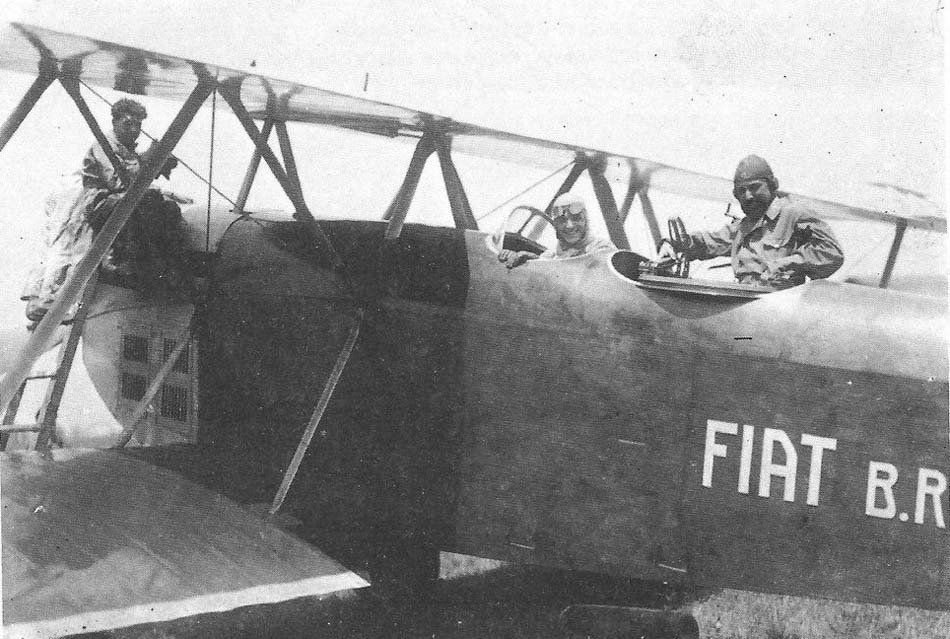
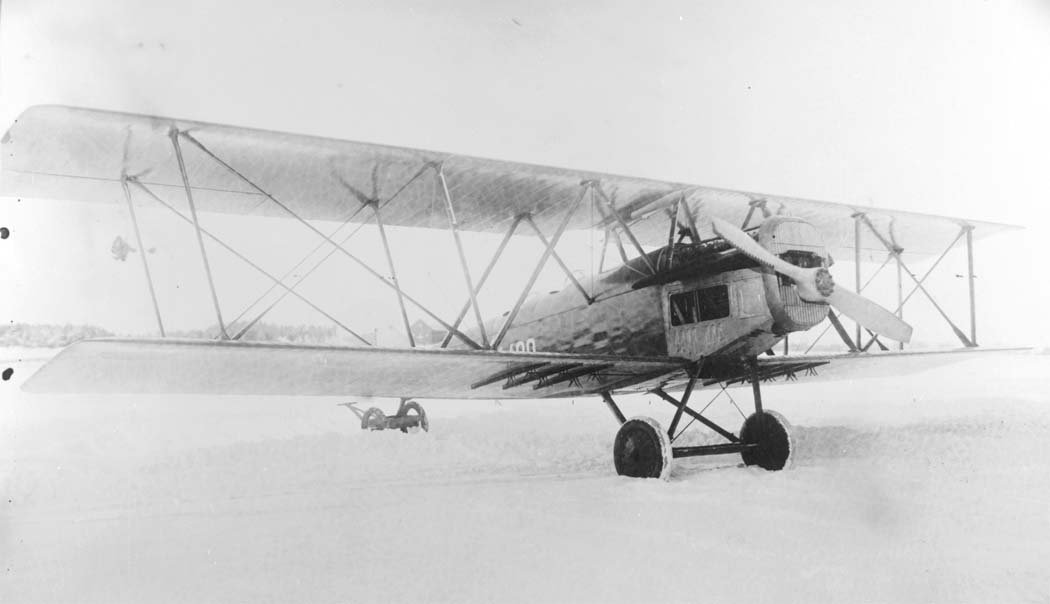
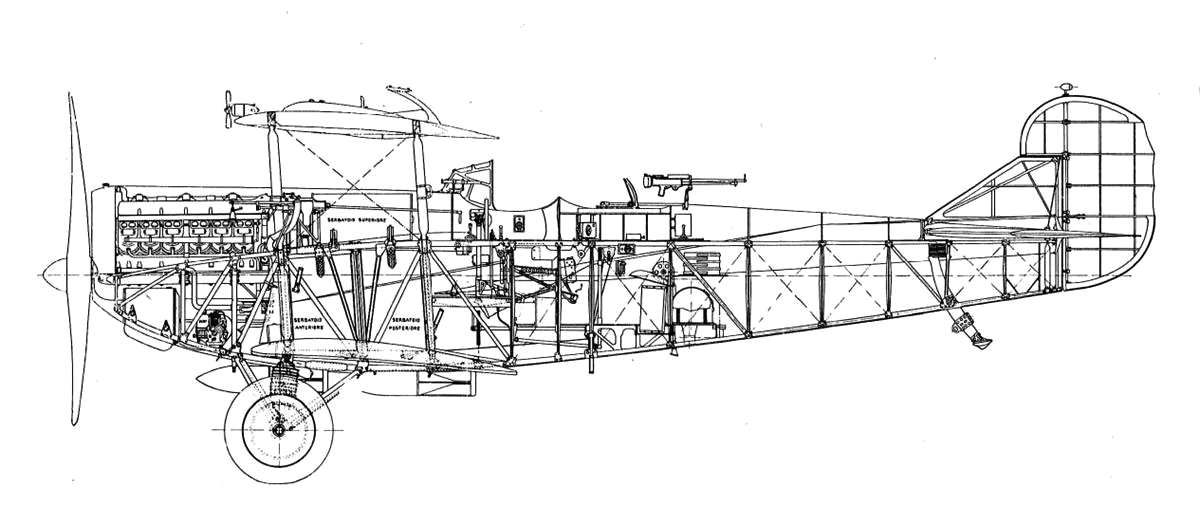
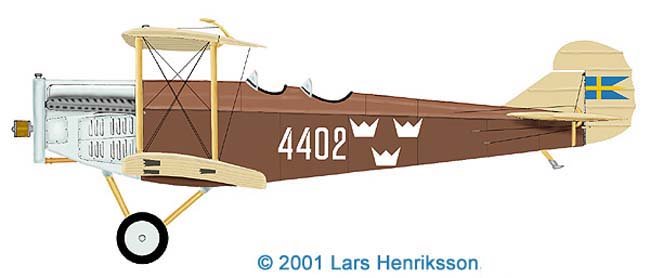
The landing gear was of the then conventional truss type. The open pilot’s cockpit was located directly under a cutout in the trailing edge of the upper wing, with the gunner’s cockpit positioned immediately behind it. Thrust was provided by a 700 hp Fiat A.14 V-12 engine. The BR aircraft was an attractive flying machine with clear signs of Rosatelli’s great care for good aerodynamic qualities. Two examples were sold to Sweden, where they received the designation B.1.
Evolution and Enhancements: BR.1 and BR.2
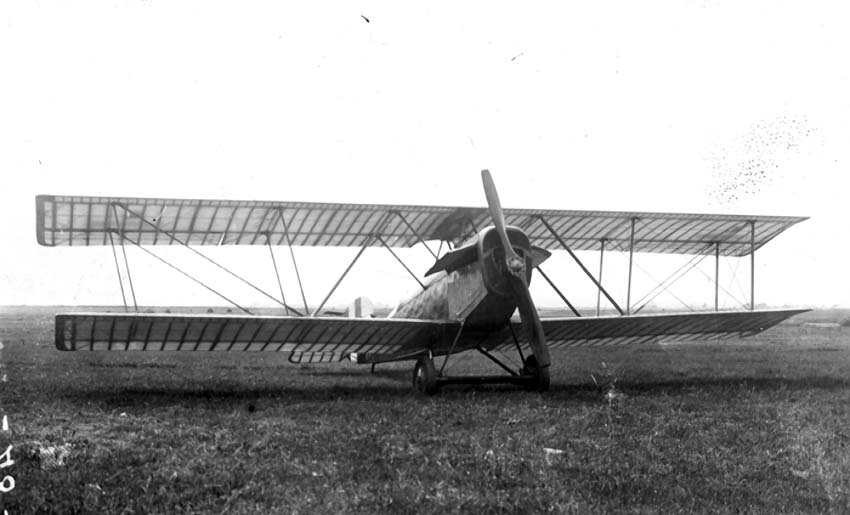
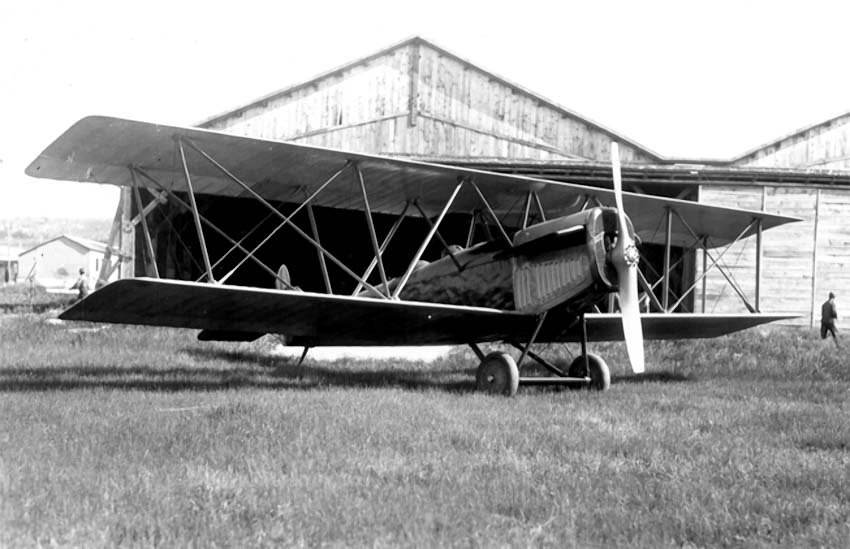
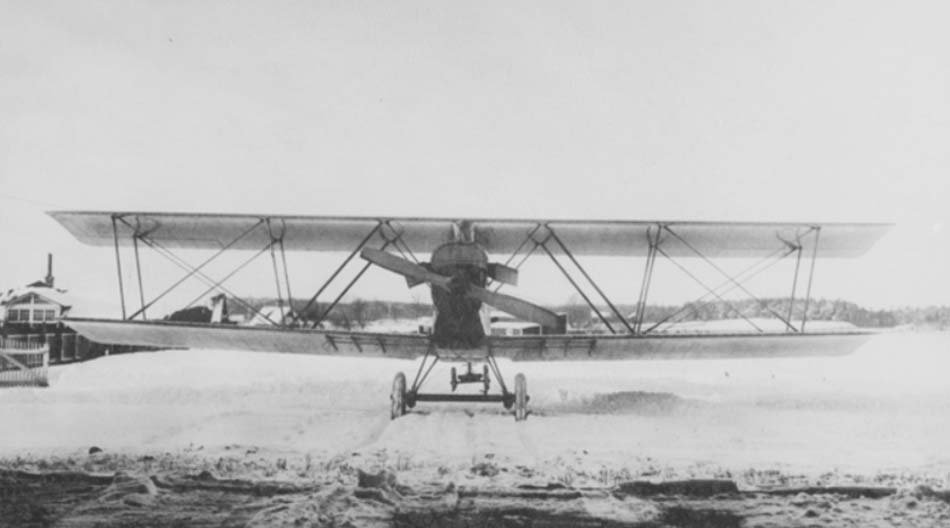
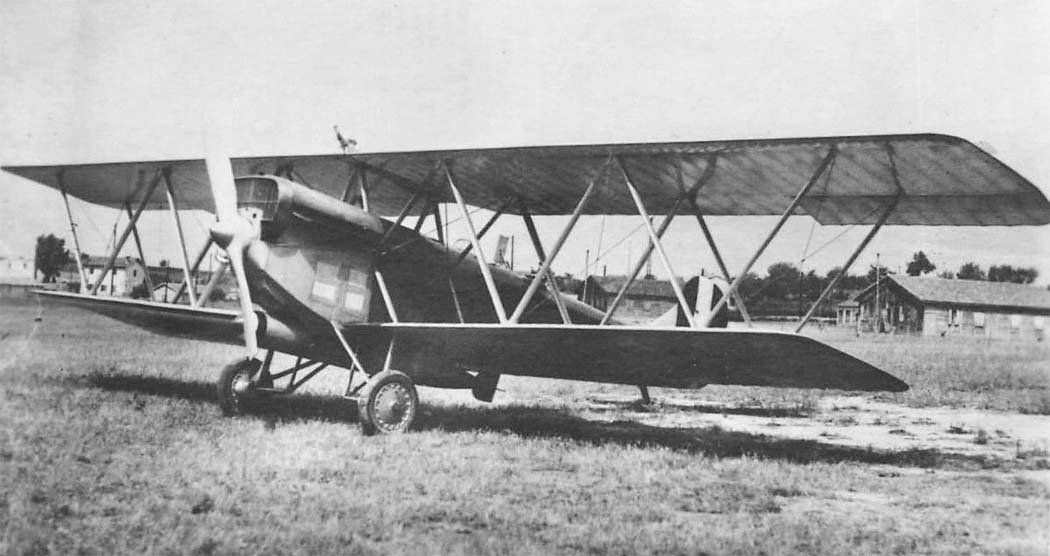
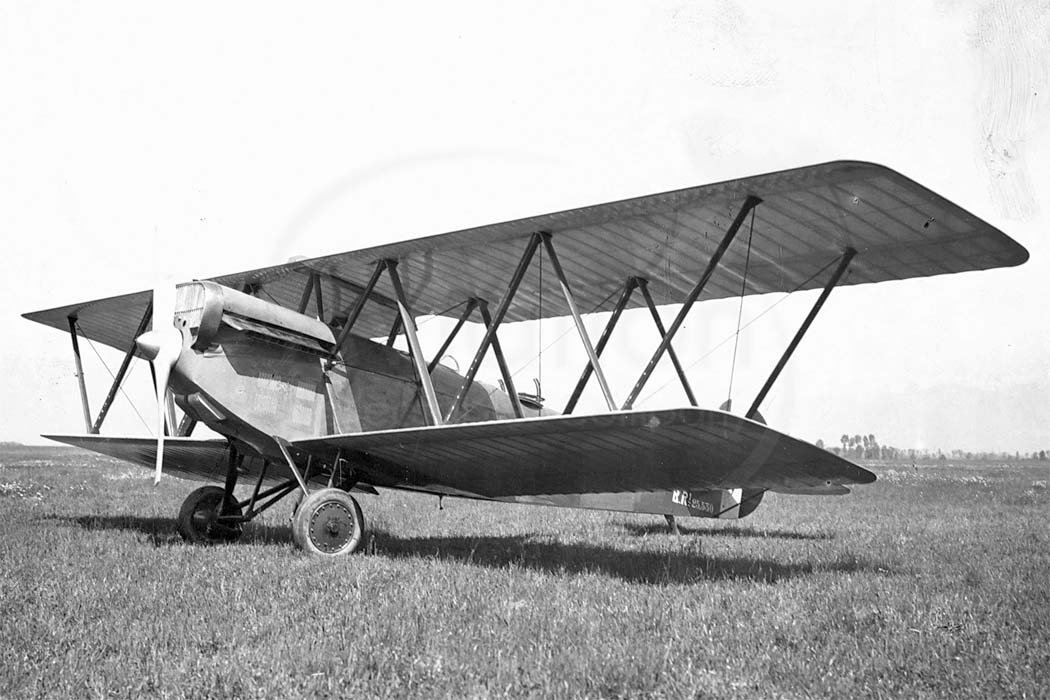
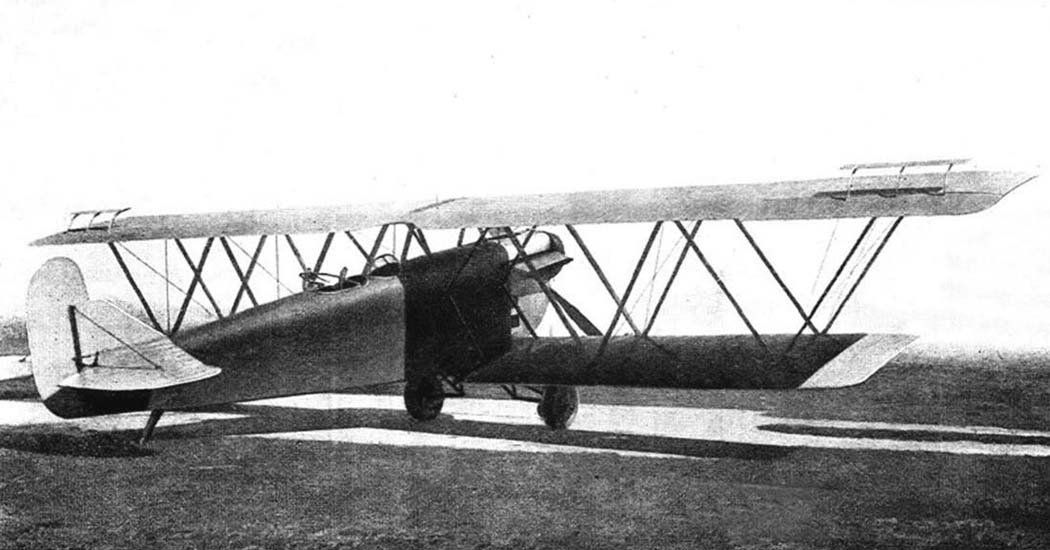
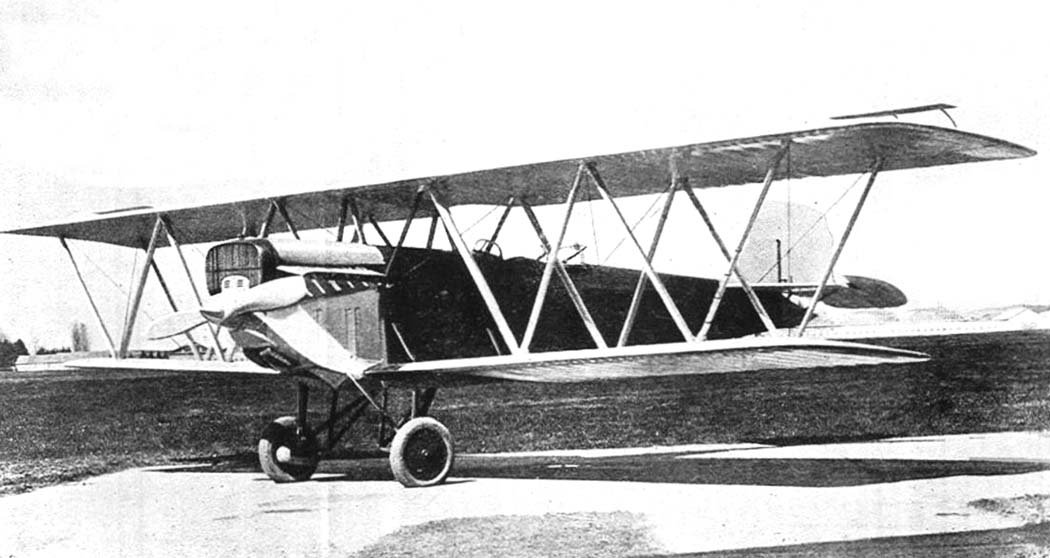
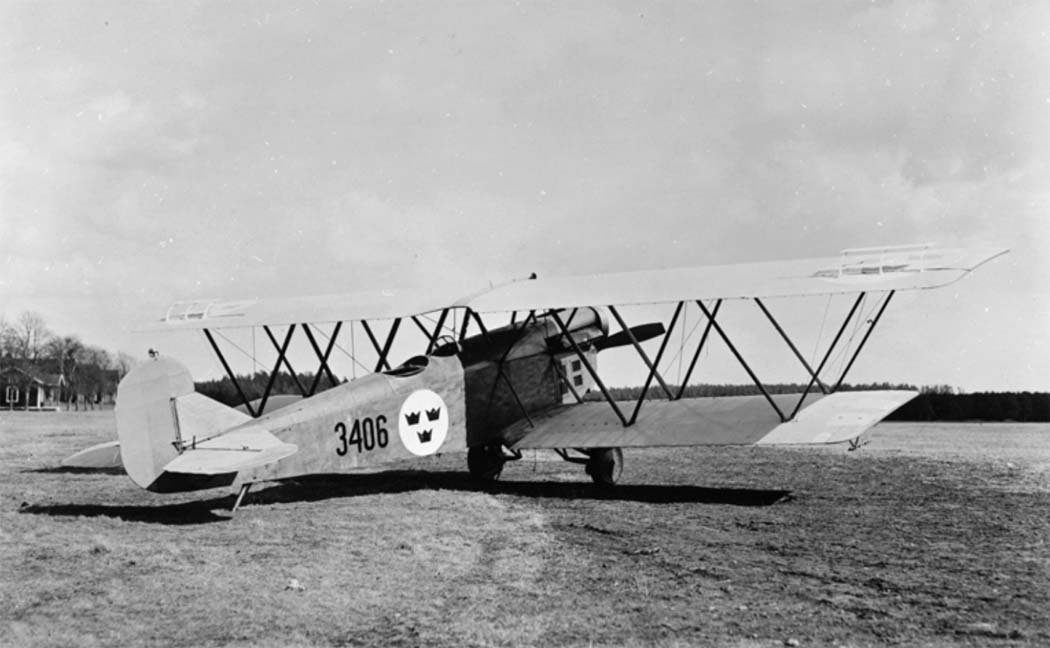
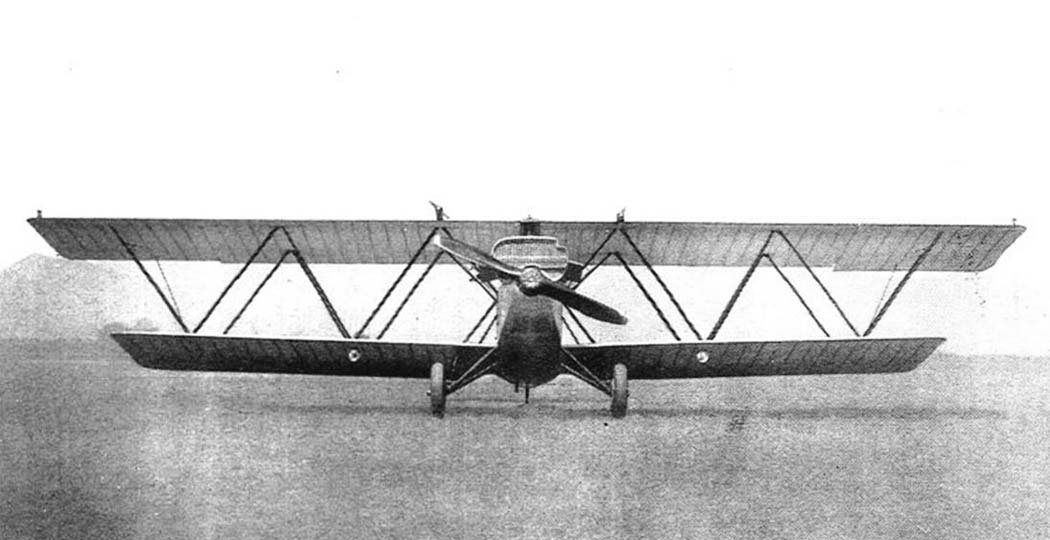
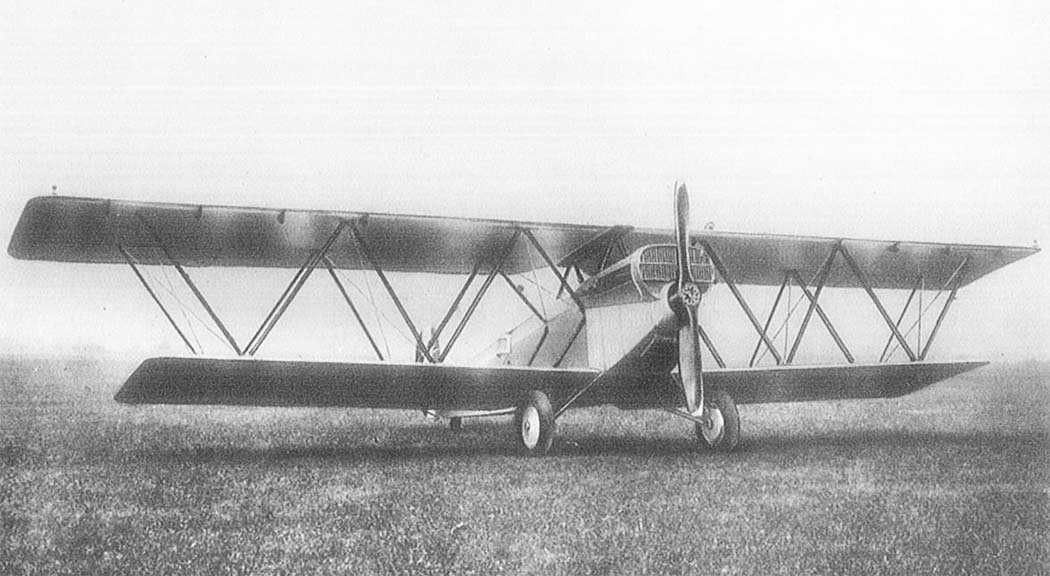
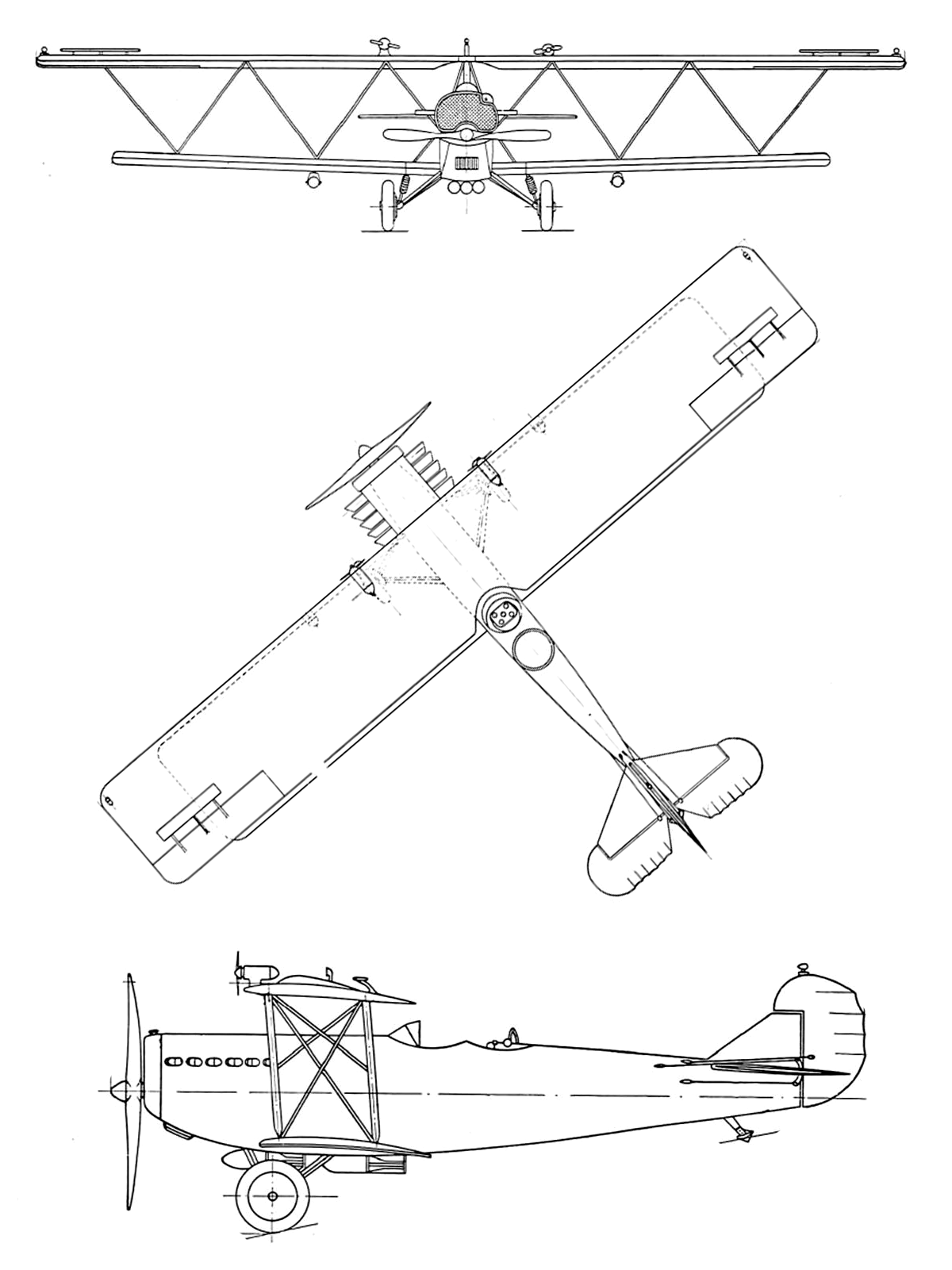
The BR.1, an improved BR project, featured Warren-type W-shaped interplane struts, which became a characteristic feature of all subsequent Rosatelli biplanes, and a new wide-track landing gear with independent main struts. The A.14 engine was retained, but the front radiator was replaced with a more modern one. This new bomber showed improved flight characteristics and an increased bomb load compared to the original BR aircraft.
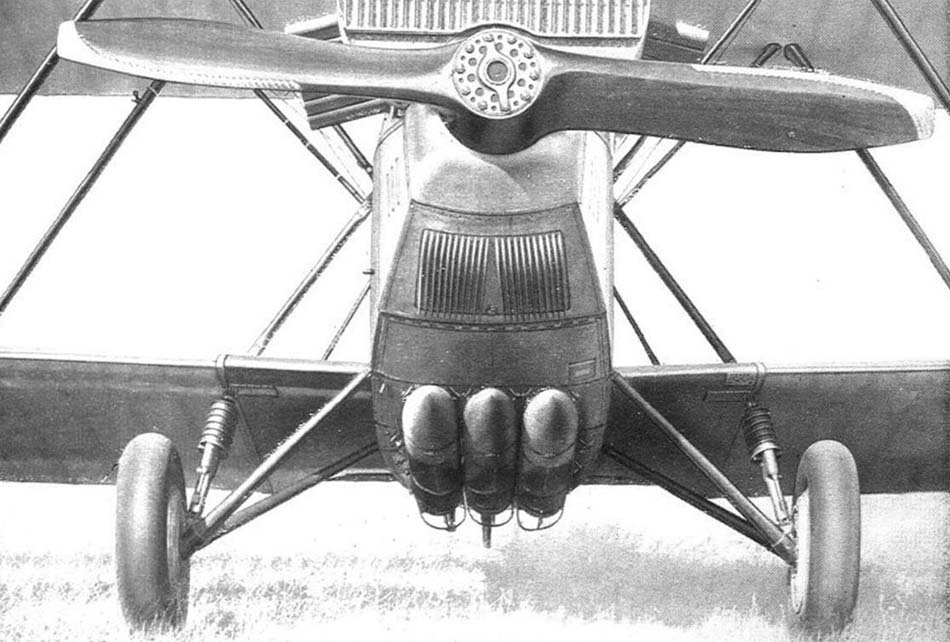
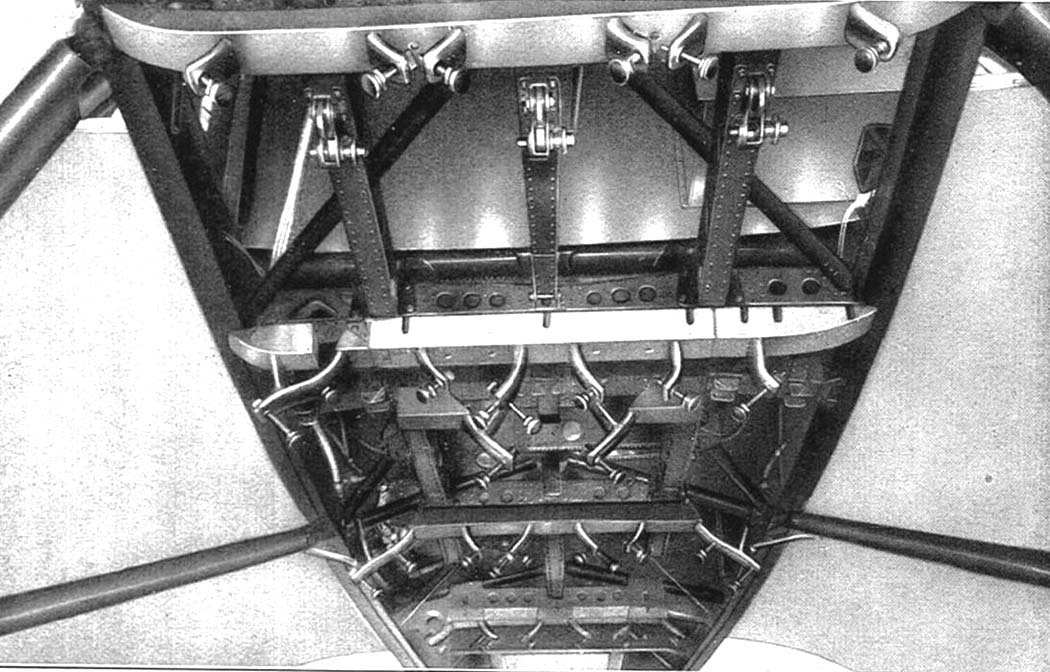
It also set a world record, lifting a payload of 1500 kg to an altitude of 5516 m. The BR.1 aircraft participated in experiments with a new rotating launcher for cylindrical bombs, and was also used for torpedo dropping experiments. Approximately 150 aircraft were built. Two examples were purchased by the Swedish military aviation, receiving the designation B.2.
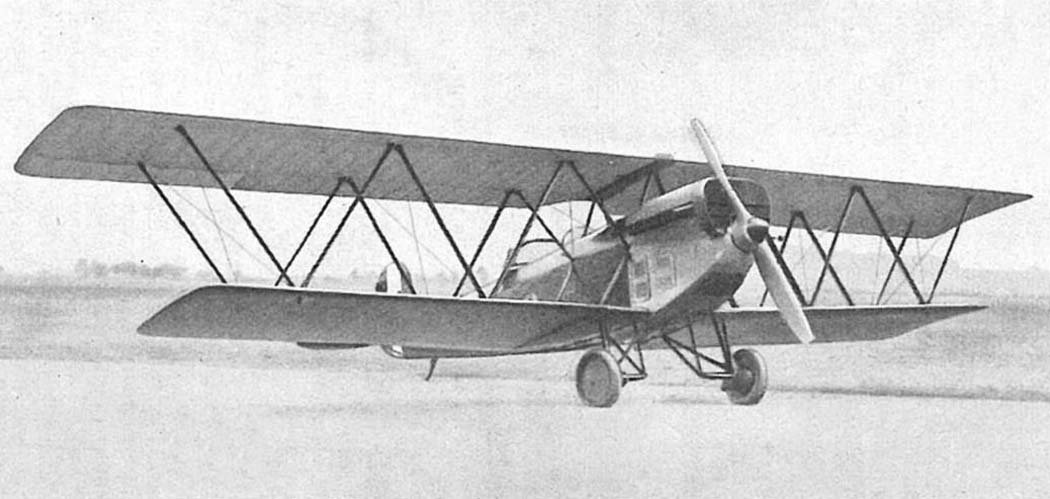
The first flight of the BR.2 prototype took place in 1925. It was equipped with a more powerful Fiat A.25 engine and featured a reinforced structure, a larger set of equipment, increased fuel capacity (extending the range), and a redesigned, improved landing gear.
Later Models: BR.3 and BR.4
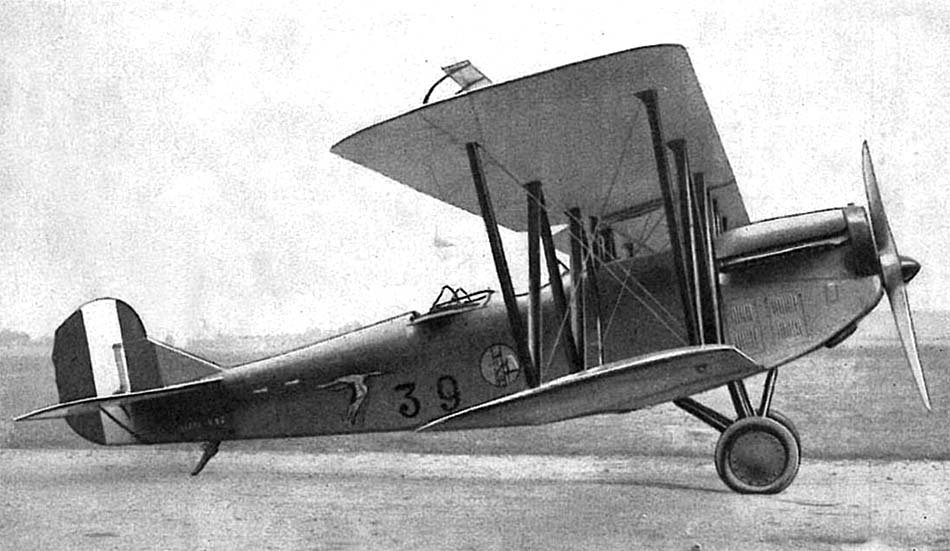
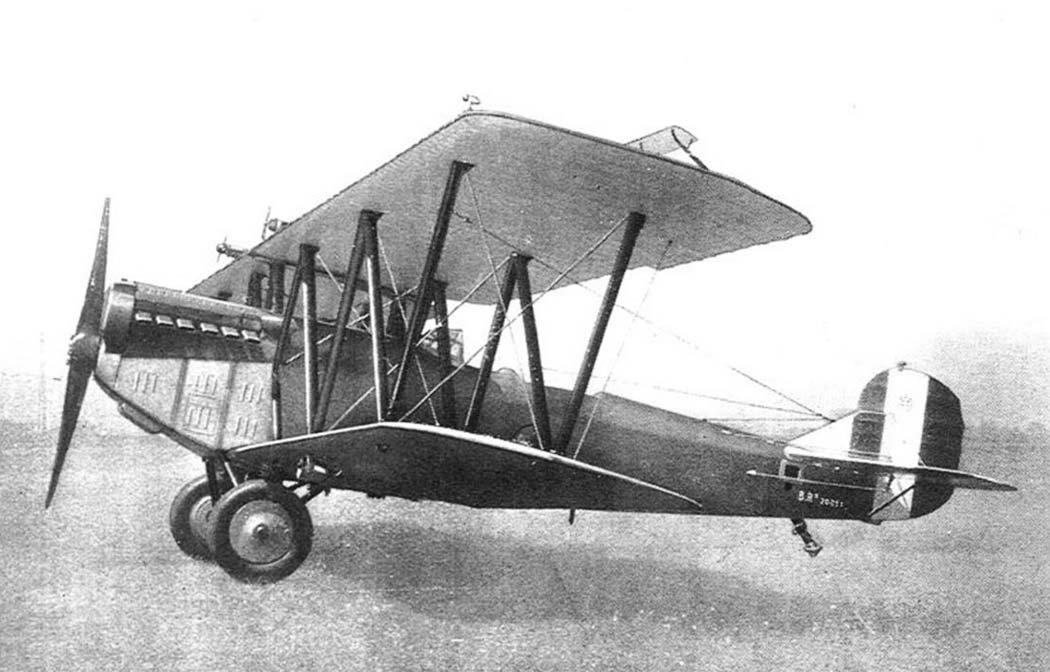
The BR.3 appeared in 1930, with about 100 examples built. One example was supplied to Hungary. Externally, the BR.3 differed little from the BR.2. The engines remained the same — Fiat A.25, but in a slightly improved variant. The landing gear was again refined, simplified, and strengthened, and for the first time, a radio receiver, radio transmitter, and panoramic camera were included in the equipment set.
On later serial aircraft, Handley Page leading-edge slats were installed, further enhancing its flight characteristics.
The BR.4, the last of Rosatelli’s single-engine biplane bombers, made its first flight in 1934. Fully redesigned, it featured a cheek-type tunnel radiator, similar to those of the CR.30 and CR.32 fighters. It retained the Fiat A.25 engine, and the separate landing gear struts had large fairings, similar to wheel fairings. Despite significant aerodynamic improvements, the BR.4 was too slow to compete with the new generation of light twin-engine monoplanes then being developed, so only one prototype was built.
Technical Specifications
| Modification | BR.3 |
| Wingspan, m | 17.30 |
| Length, m | 10.66 |
| Height, m | 3.91 |
| Wing area, m2 | 70.22 |
| Empty weight | 2646 |
| Normal takeoff weight | 4195 |
| Engine type | 1 Piston engine Fiat А.25 |
| Power, hp | 1 x 1090 |
| Maximum speed, km/h | 240 |
| Cruising speed, km/h | 205 |
| Practical range, km | 1000 |
| Maximum rate of climb, m/min | 256 |
| Service ceiling, m | 6250 |
| Crew, crew members | 2 |
| Armament | two 7.7-mm machine guns (1 fixed forward and 1 turret machine gun in the rear cockpit); Bomb load – up to 720 kg. |
Image and diagram gallery of the Fiat BR Series Bombers
 BR |
 BR |
 BR |
 BR |
 BR |
 BR |
 BR |
 BR |
 BR |
 BR |
 BR |
 BR |
 BR |
 BR |
 BR |
 BR |
 BR |
 BR |
 BR |
 BR |
 BR |
 BR |
 BR |
 BR |
 BR |
 BR |
 BR |
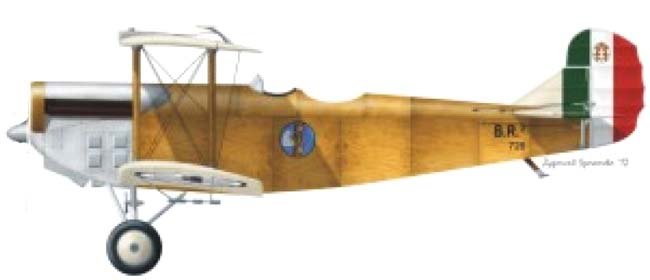 BR |
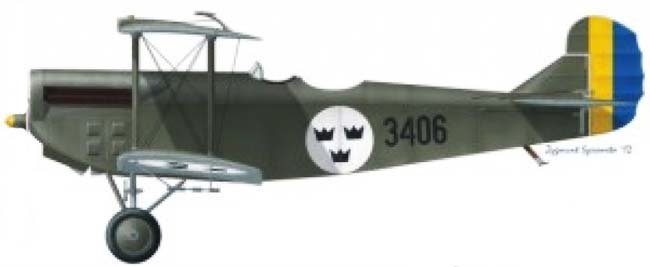 BR |
ArchivoAéreo Editorial Team
A group of aviation researchers and enthusiasts dedicated to documenting and preserving global aeronautical history. All articles are reviewed to ensure historical accuracy.
Sources & Accuracy
The information presented in this technical sheet has been compiled from declassified flight manuals, historical archives, and specialized literature. While we strive for maximum accuracy, some performance data may vary depending on the specific variant or operational conditions.